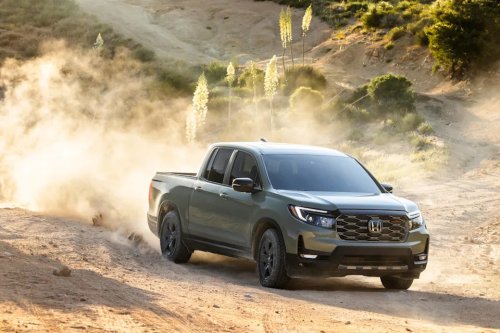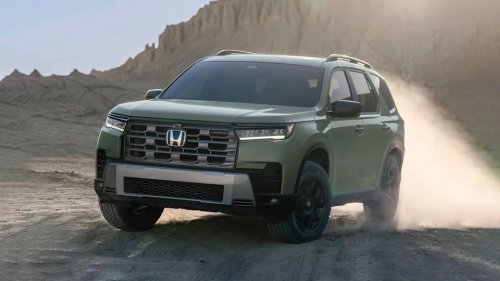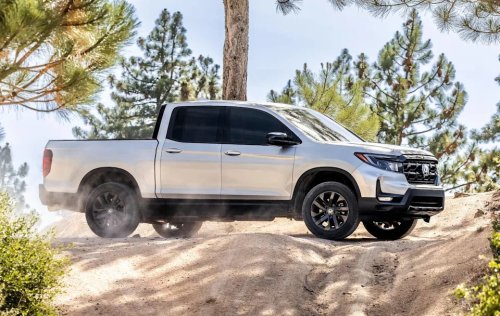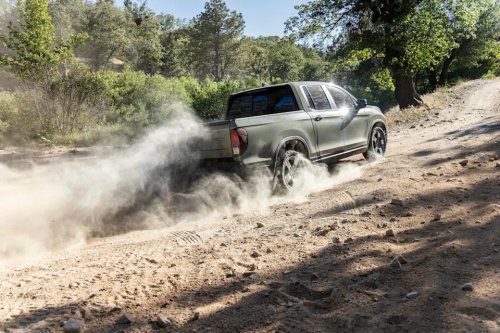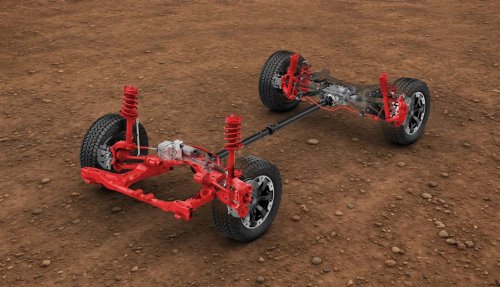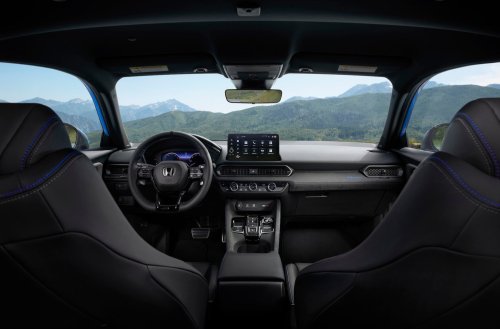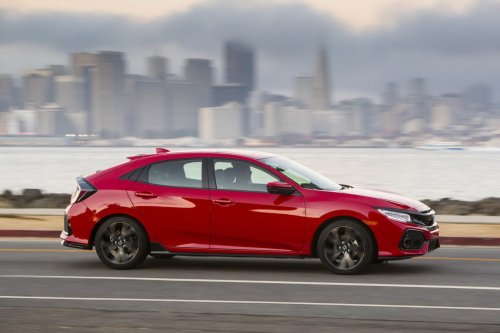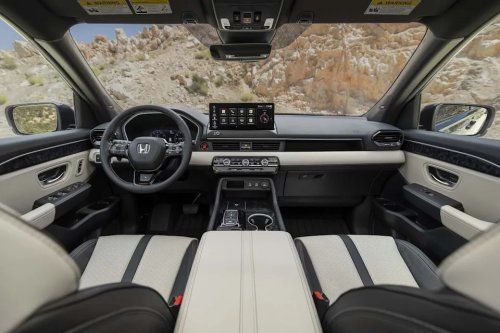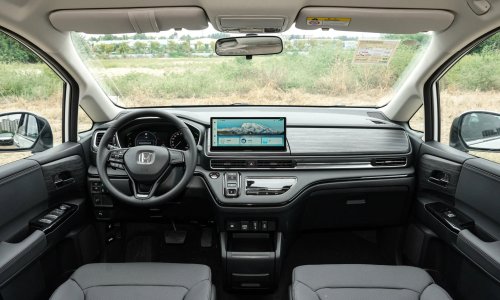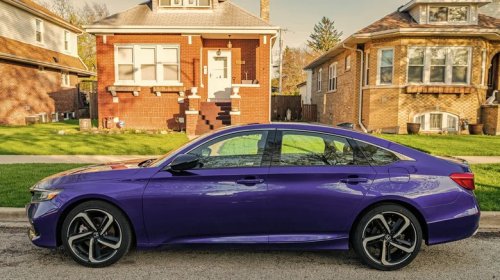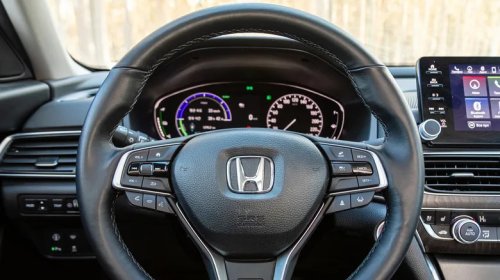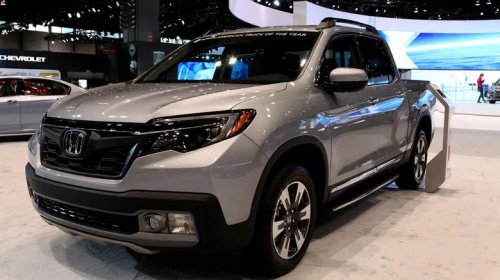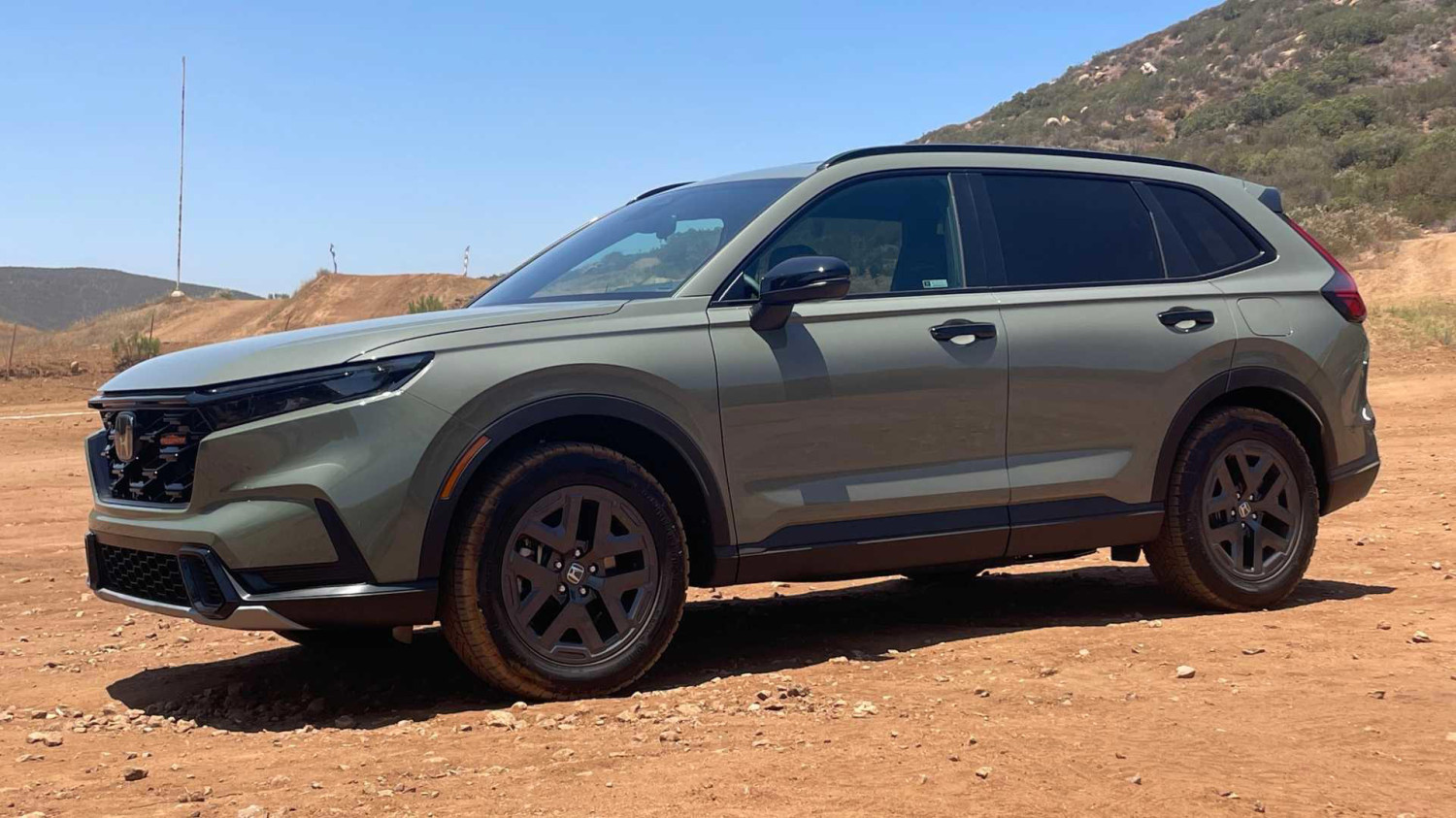



















Some of Honda's most popular models are subject to two new recalls, both announced on the same day last week. In addition to the 880,000 Ridgeline, Pilot, Passport, and Acura MDX SUVs that are prone to rust issues in the rear suspension subframe, the Japanese automaker will also inspect and repair more than 1 million hybrids – Accord, CR-V, and CR-V e:FCEV – for a seemingly minor (but potentially dangerous) issue with their tire repair kits. Working Under High Pressure Honda issued a voluntary recall of all 2023–2026 Accord and 2023–2026 CR-V hybrids, as well as the 2025–2026 CR-V plug-in fuel-cell EV, totaling 1,049,883 units. Like many modern automobiles, the electrified versions of the Accord and CR-V don't include a spare tire, with Honda providing owners with an inflator and sealant that help patch and refill flats. However, the automaker discovered that if the nozzle to the inflator isn't properly attached to the tire valve, pressure could build up within the pump and then backfill into the bottle that holds the sealant. Brett T. Evans/CarBuzz/ValnetHonda also realized that the one-way relief valve designed for just such a situation may not have been properly installed by the supplier that provides the tire repair kits, potentially meaning pressure could get in but not out. That perfect storm of circumstances can cause the sealant cap to launch from the bottle, which could obviously pose a danger to the operator or others standing nearby.HondaHonda is aware of eight injuries, 54 warranty claims, and zero deaths related to the tire repair kit. Two Million Recalls In One Day The tire inflator kit recall was announced on June 4, the same day that Honda announced a repair campaign for 880,514 examples of the 2016–2022 Pilot, 2017–2023 Ridgeline, 2019–2023 Passport, and 2014–2020 MDX, all of which were sold in salt belt states. The issue, which we reported yesterday, pertains to the rear subframe assembly, which could corrode and detach from the rear control arms and suspension components. That would obviously present a massive safety issue, but surprisingly, Honda has received no warranty claims or reports of accident or injury related to the rusty bits. It's odd to think that a corroded suspension is less dangerous than a pressurized bottle cap.CarBuzz Insight – Why This Matters: When looking at the seeming inevitability of recalls these days, it can be tempting to say that cars were built better back when things were simple. But the reality is that with far more information available to them at any given moment, automakers are more able to identify quality and safety issues, then address them instead of letting their automobiles rust away into nothing before hitting 100,000 miles or leaving potentially dangerous problems unaddressed. Honda's massive recall announcement certainly isn't the best look for the company, but at least it shows that it remains committed to its customers.