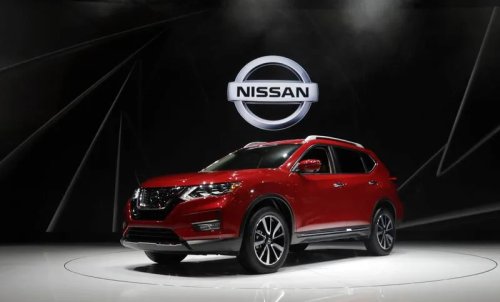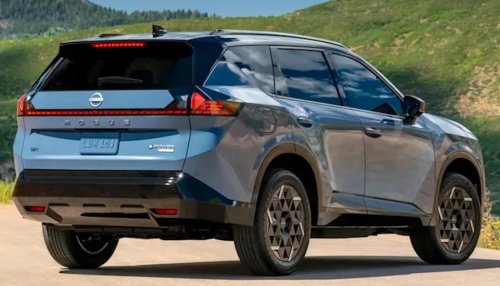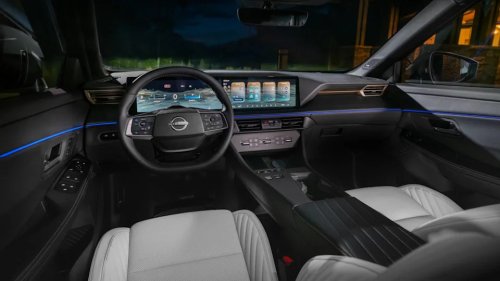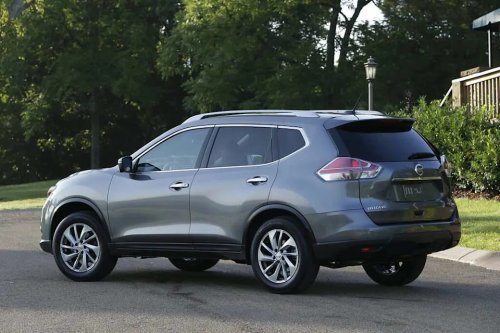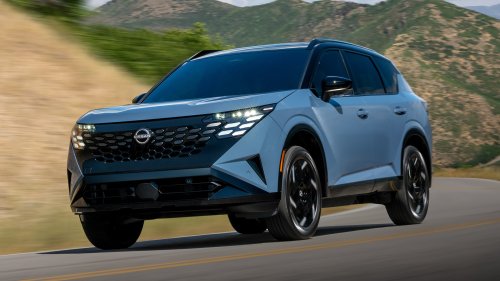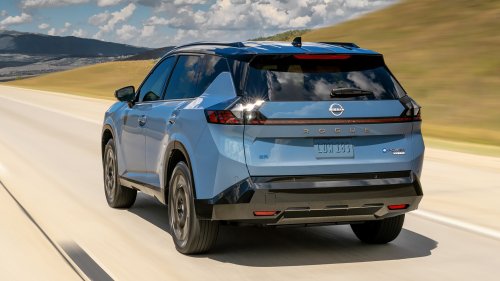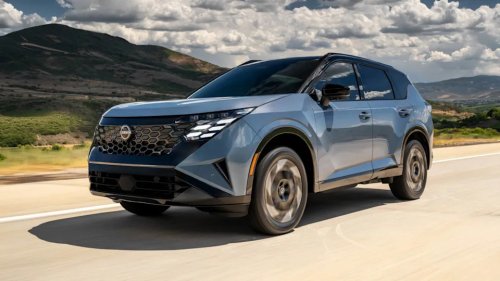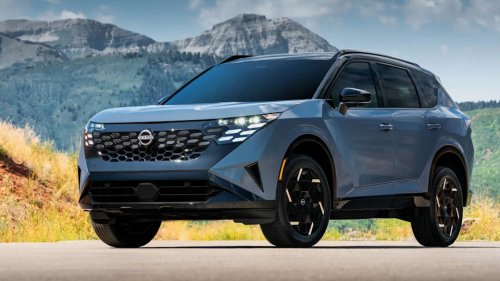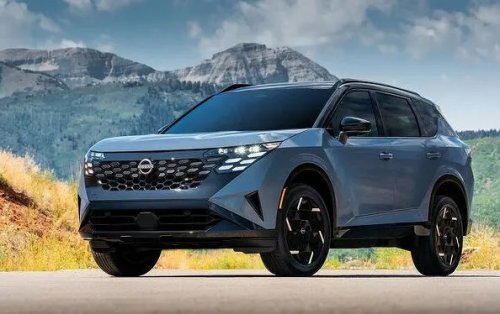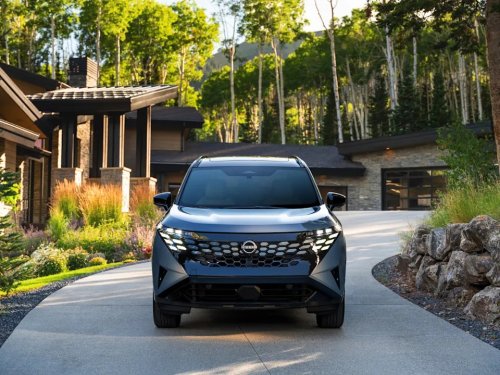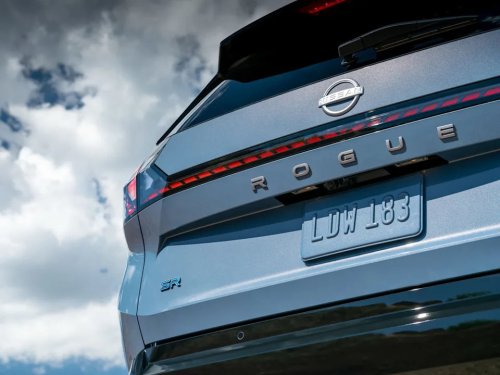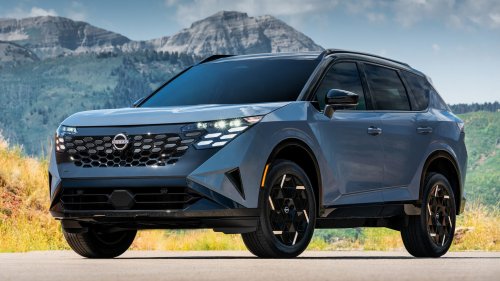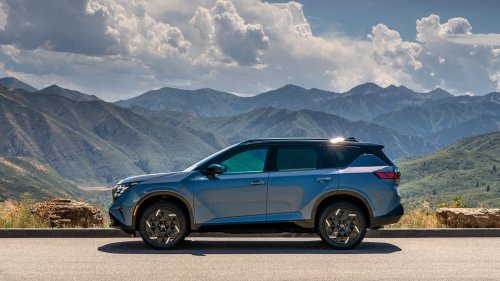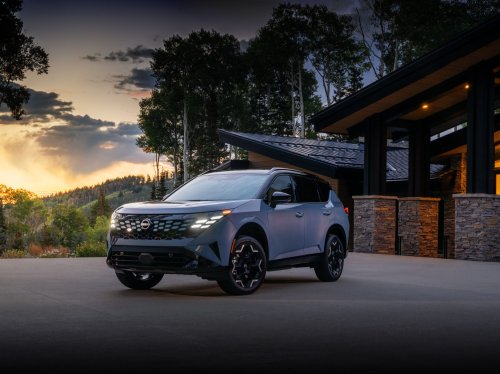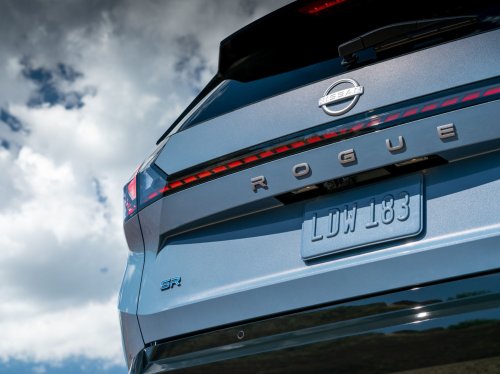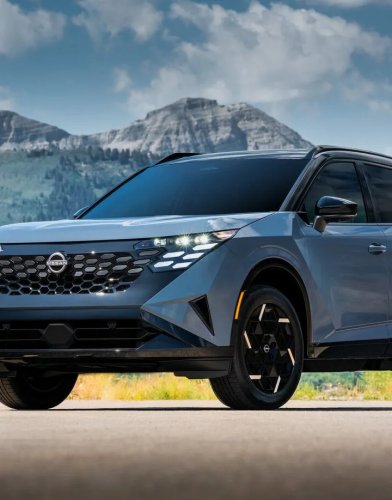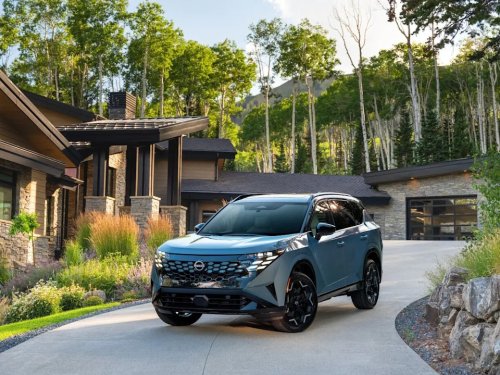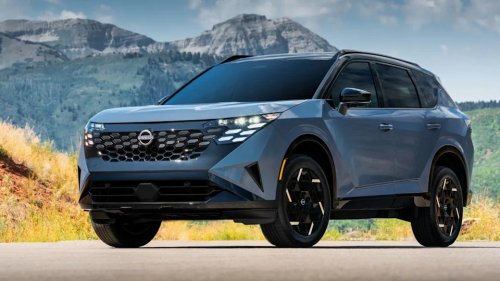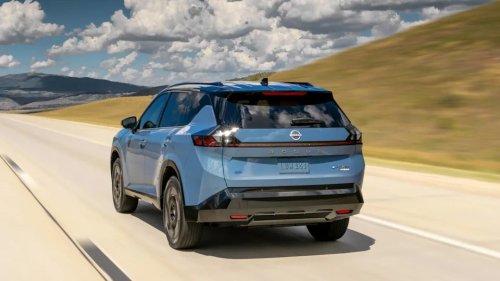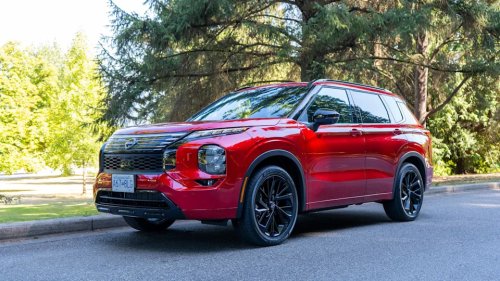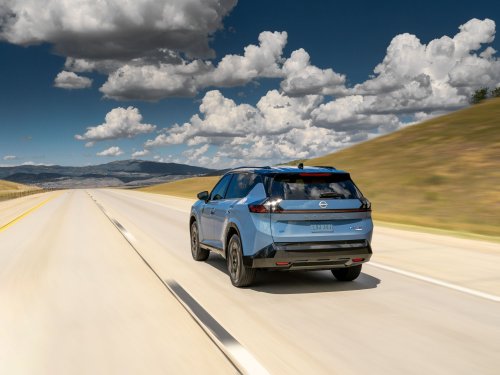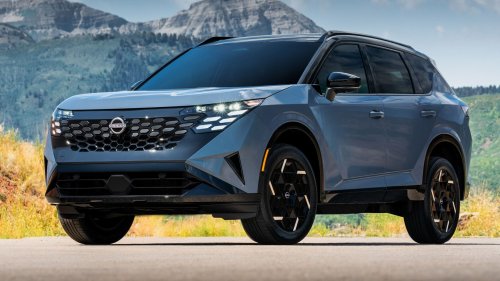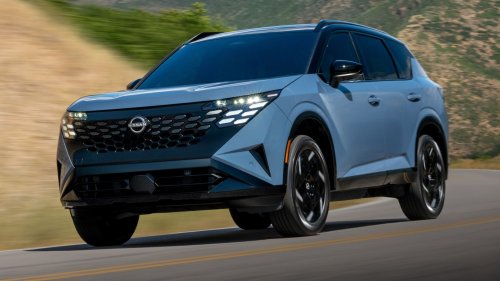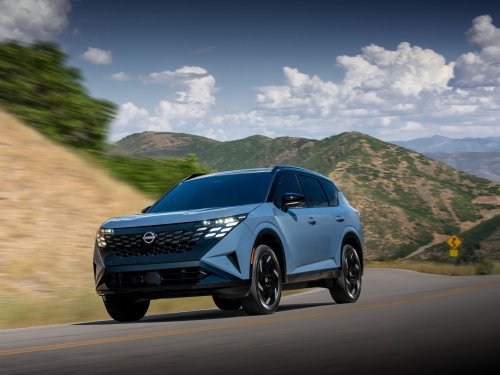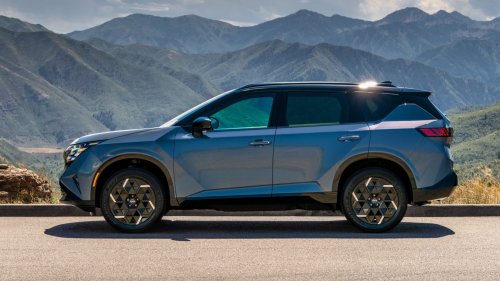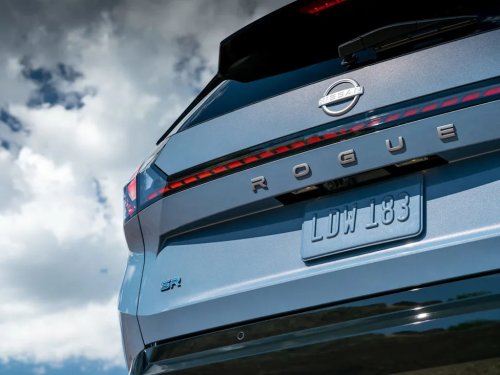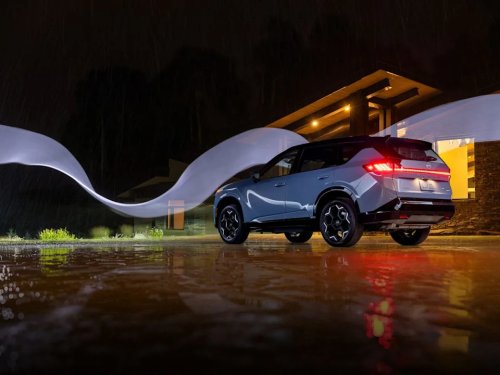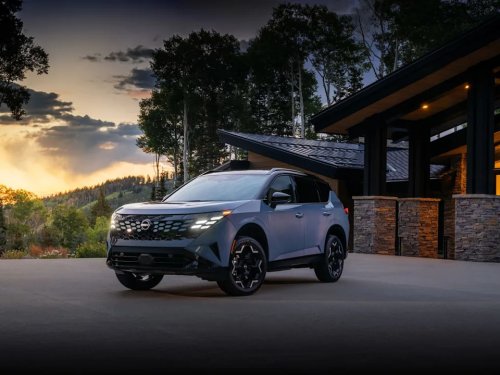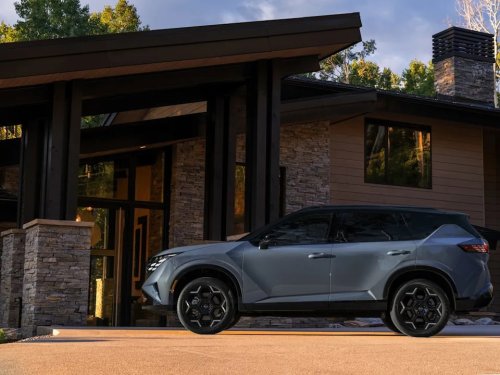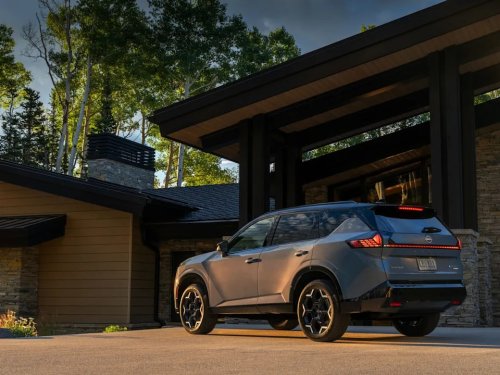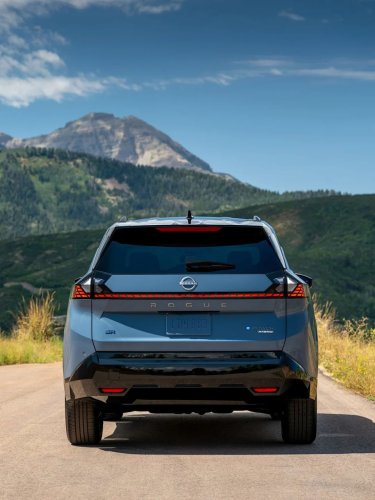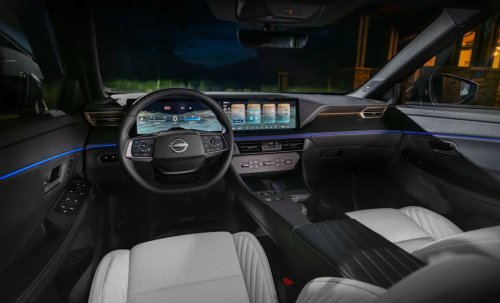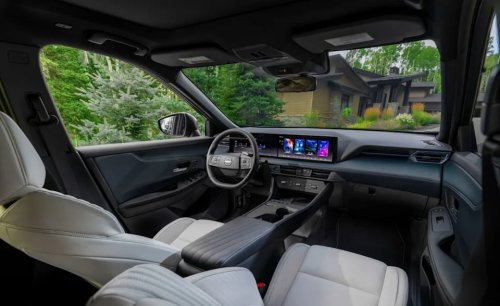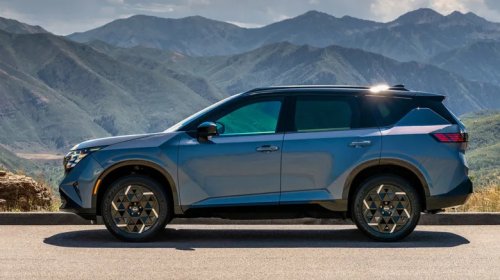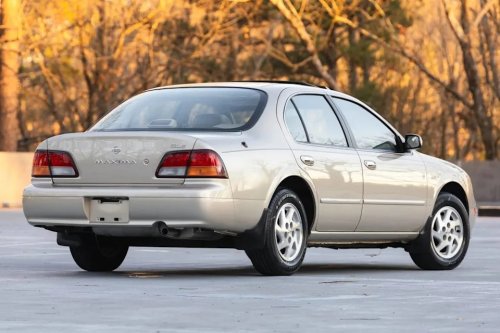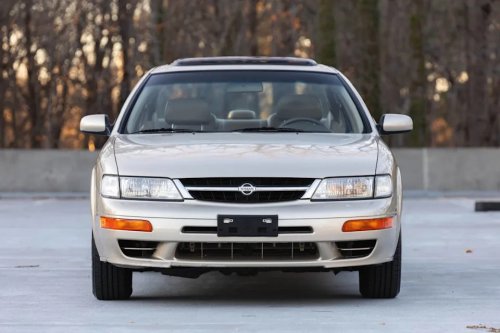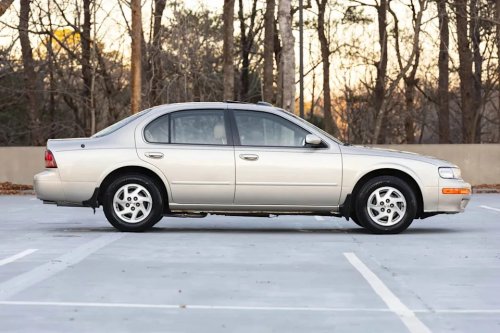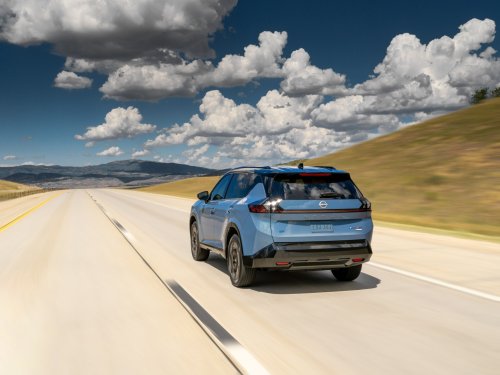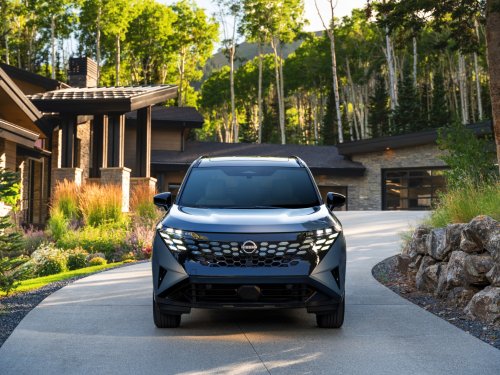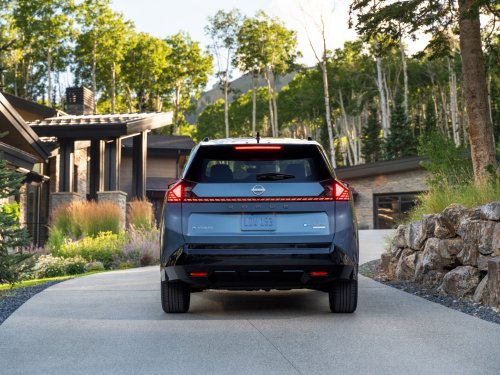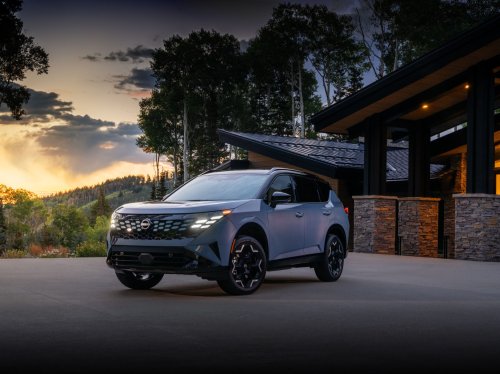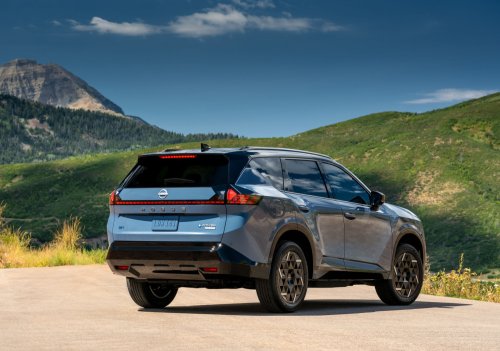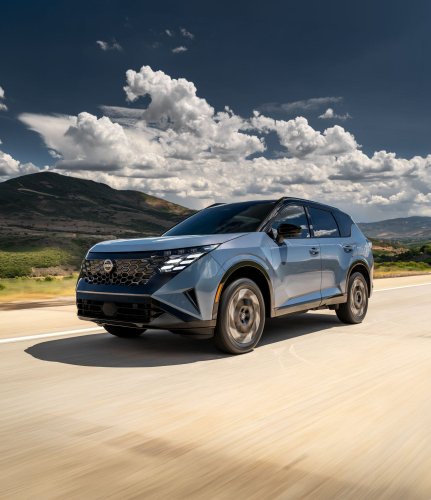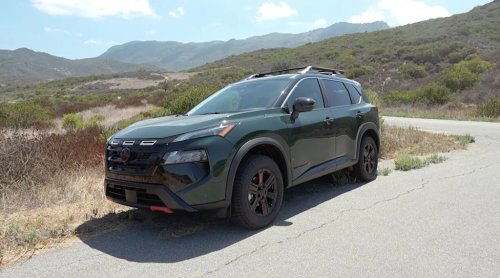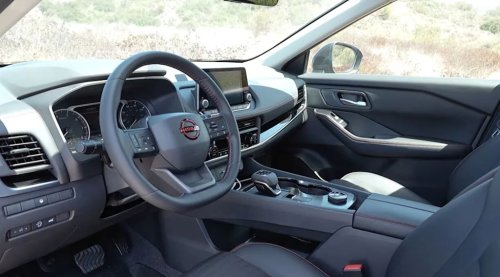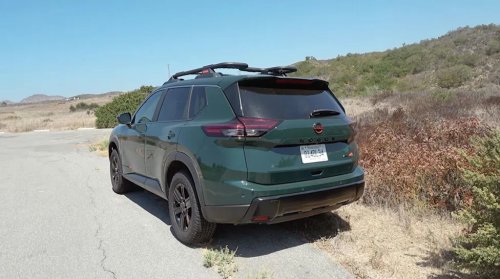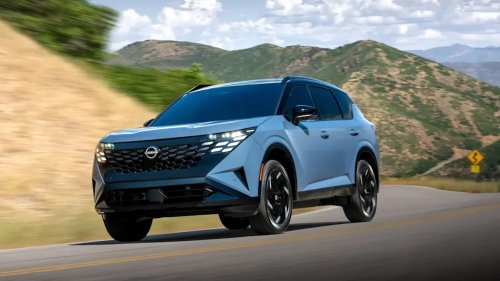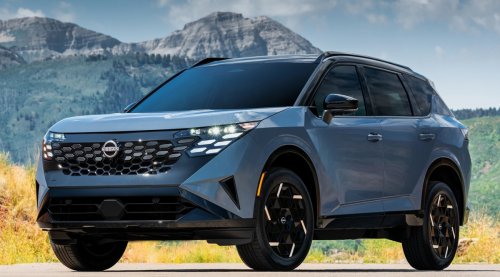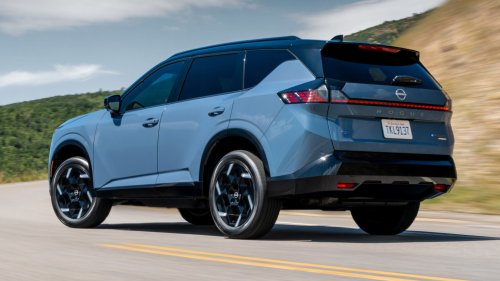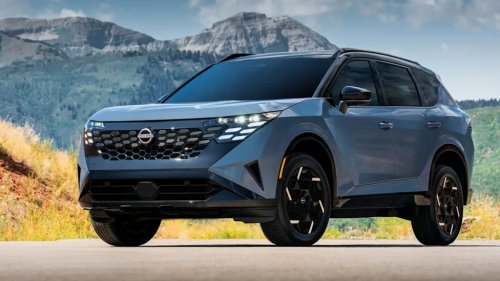



















Her Nissan Rogue Passed a Clean Carfax Check. It Still Had Three VINs, and It Belonged to Enterprise the Whole TimeAmber Wolnomiejski did the things a careful car buyer is told to do. She pulled a vehicle history report before she signed anything. She bought from a licensed dealership instead of a stranger on Facebook Marketplace. She financed the SUV through a legitimate lender and paid on time, every month, for two years. None of it mattered. In December 2025, Orange County deputies showed up at her door, ran the VIN on her 2019 Nissan Rogue, and told her to hand over the keys.The official reason was almost absurd in its simplicity: her Rogue was not fully hers to keep, was not the dealership's to have sold, and, as far as Florida law is concerned, was not fully itself. The SUV carried three different vehicle identification numbers. Nobody in the chain that sold it to her ever checked past the first one.This is not really a story about one unlucky Orlando driver, or even about one sketchy used car lot. It is a story about how little verification actually happens between a stolen vehicle and a bank financed sale, and about a centuries old legal rule that most car buyers have never heard of, one that guarantees a buyer can do everything right and still end up owning nothing.What Deputies Actually FoundWolnomiejski bought the Rogue from LC Motors 1 Inc, an Orlando used car dealership, in 2023. Before she bought it, she ran a vehicle history report through carsforsale.com, and the VIN on that report matched the VIN plate on the dashboard. That is the version of due diligence most finance companies, and most buyers, consider sufficient.AdvertisementAdvertisementIt was not enough. When deputies searched the SUV at her home in December 2025, they found a second VIN that did not match the one on the dash. When they took the Rogue back to the Sheriff's Office for a closer inspection, they found a third number, one that matched a vehicle reported stolen out of Orange County in April 2019. That vehicle belonged to Enterprise Rent-A-Car.The Sheriff's Office returned the SUV to Enterprise. Wolnomiejski was reclassified, in the department's own words, from car owner to fraud victim. She is still on the hook for the loan."I'm still paying $330 a month for a car that I don't have," she told News 6.She has since sued LC Motors 1 Inc for breach of contract, fraudulent inducement, and civil theft.The Report Was Not Wrong. The Car Was.Here is the first thing most buyers do not understand about VIN cloning, and it is the reason a clean vehicle history report did not save her: the report was not lying. It was accurately describing a real, unstolen 2019 Nissan Rogue somewhere else in the country. Criminals who clone VINs do not invent a fake number out of thin air. They copy a legitimate one off an identical make, model, and year, stamp or print it onto a stolen car, and let every database in the country vouch for a vehicle it has never actually seen.AdvertisementAdvertisementThe National Insurance Crime Bureau's own free VINCheck tool spells out the limitation in its own terms of use: results only reflect records submitted by participating member insurers, and a clean result is explicitly not a guarantee that a vehicle has no theft or salvage history. A cloned VIN does not trip that system. It sails through it, because the system is only ever checking a number, not the metal underneath it.The report was not wrong. It just was not describing her car.Cars Have More Than One VIN, and Now You Know WhyThe second thing worth knowing: that thin metal plate riveted to the top of the dashboard is not the only VIN on the car, and it was never meant to be trusted alone. Manufacturers stamp confidential, harder to reach identification numbers into the frame, the engine block, and other structural points specifically because the dash plate is trivial to remove and swap. That redundancy is exactly what cracked this case. Deputies did not catch the fraud by running a report. They caught it by looking past the dashboard.It is also why, according to the Sheriff's Office, some automakers now etch VINs directly into a vehicle's glass. A stolen car wearing a cloned identity can get a new dash plate in about five minutes. Replacing every window without drawing attention is a different problem entirely. In an industry obsessed with over the air updates and biometric locks, one of the more effective anti fraud tools on a modern car is a laser etching that has nothing to do with electronics at all.Once the Identity Is Gone, So Is the Car, By LawFlorida does not leave much room for discretion once a VIN turns out to be fraudulent. Under state law, a motor vehicle whose identity cannot be verified is legally contraband, full stop, subject to seizure and forfeiture the same way an illegal weapon would be. It does not matter who is making the loan payments. It does not matter how the car ended up in that person's driveway. The statute does not ask.AdvertisementAdvertisementThat same law has a sharper edge for dealers, but only if the fraud is caught in time: if a vehicle with a destroyed or unverifiable VIN is confiscated directly out of a licensed dealer's inventory, that dealer's license is automatically revoked. Catch it on the lot, and the consequences are immediate and regulatory. Catch it two years later in a customer's driveway, and the dealership's only real exposure is a civil lawsuit, the kind Wolnomiejski has now filed against LC Motors 1 Inc. The law's teeth are sharpest at the point of sale and duller with every year that passes after it. That timing gap does a lot of quiet work in this industry, the same way a single corrupt titling office login can generate paperwork just as convincing as a cloned VIN, no auction lane required.Underneath the statute is an older and simpler rule of property law: a thief cannot pass good title to anyone, no matter how many honest, paying hands the car moves through afterward. It is why Enterprise, the victim of a 2019 theft, got the Rogue back over a buyer who financed it legally in 2023 and made every payment on time. It is also why Wolnomiejski's loan was never secured by a car she actually, legally owned in the first place, regardless of what the paperwork said.She did not lose a car. Under Florida's own statute, she never had one. She had a very convincing set of paperwork attached to a stolen Nissan wearing somebody else's identity.The Auction House in the Middle Is Not in the Inspection BusinessLC Motors 1 Inc told News 6 it bought the Rogue from Manheim, a wholesale auction it said it had used for years. Manheim describes itself as the world's largest automotive marketplace, and when asked what safeguards prevent stolen vehicles from reaching buyers, its response was direct: it is not the owner of the vehicles that cross its lanes, it is not a consumer facing business, and it defers to law enforcement when fraud surfaces.AdvertisementAdvertisementThat is not a dodge unique to Manheim. It is the entire business model of wholesale vehicle auctions, and it matters because most of the country's independent used car lots, including the small, franchise adjacent dealerships where a huge share of Americans actually shop, restock almost entirely through auctions exactly like it. Nobody in that middle layer is running a forensic VIN check on every car that changes hands. Volume is the business. Verification is somebody else's job, and everybody in the chain seems to agree it is the next person's. Two dealership salesmen in Toronto were hit with 176 charges in a similar re-VIN scheme, though prosecutors later withdrew every count, a reminder that even when this kind of fraud gets caught, it rarely gets punished the way you would expect.This Keeps Happening Because It Keeps WorkingThe Auto Wire has covered enough of these cases this year to see the pattern instead of the anomaly. A North Carolina buyer lost thousands after CarMax unknowingly sold her a car tied to a roughly 200 vehicle cloning ring. Two 74 year old men ran a $6.5 million classic car cloning operation and walked out of court with a suspended sentence, while the buyers who got fooled absorbed the real cost. A Maryland police officer is accused of using her own department's database access to help run a cloning ring from the inside. Different states, different vehicles, the same result: the fraud surfaces downstream, and the bill lands on whoever is holding the title when it does.What This Should Change About How You Buy a Used CarThe Sheriff's Office recommendations are reasonable as far as they go: have a mechanic check the vehicle, run the VIN through a public service, compare the door jamb VIN against the dash. But the deeper lesson here is about what those checks cannot do. A clean VINCheck or vehicle history result only tells you a number has no reported problems. It cannot tell you whether that number actually belongs to the car sitting in front of you, which is exactly the gap VIN cloning is built to exploit.There is a financial gap hiding behind the legal one, too. Comprehensive insurance is generally built around a car you legally own being stolen or damaged. Gap insurance is built around a total loss payout falling short of a loan balance. Neither product was designed for a scenario where a court later decides the title never existed in the first place, months or years after the sale. That is a real hole in ownership protection that most buyers, and plenty of insurance agents, never think about until a deputy is standing on the porch.AdvertisementAdvertisementNone of this makes Wolnomiejski careless. It makes her a case study in how thin the verification layer really is beneath the used car industry's most reassuring paperwork. A clean history report, a licensed dealership, and an approved loan all told her the same comforting story. The only party that ever checked past the dashboard was the Sheriff's Office, working backward from a six year old theft report. That is the actual story here: not a stolen Nissan, but how much of the modern used car market still runs on trust in a number that, with the right tools, is disturbingly easy to fake.Join our Newsletter, follow our Instagram page, and connect with us on Facebook.