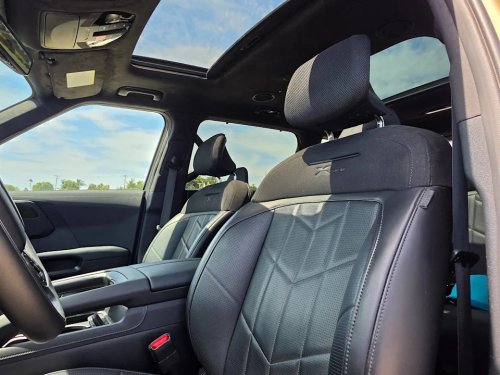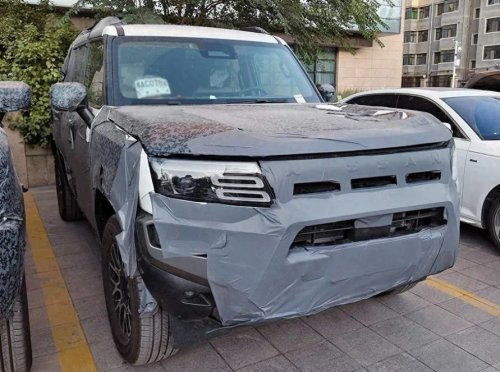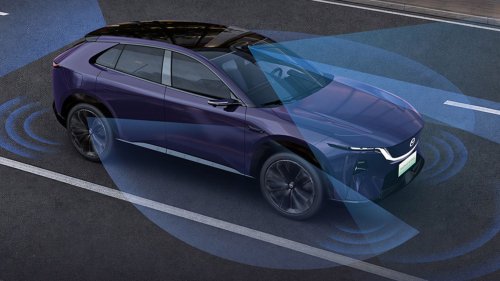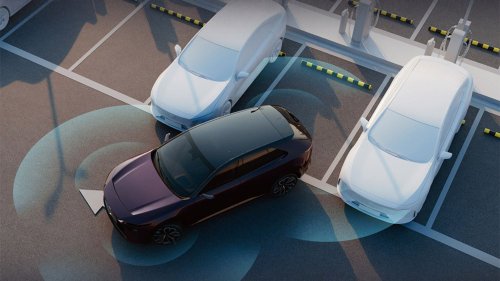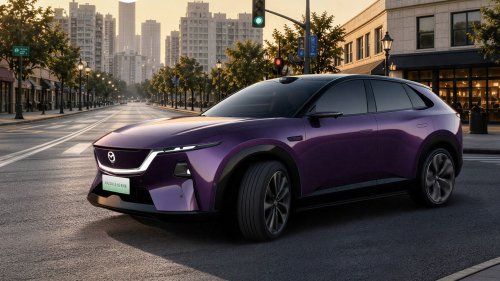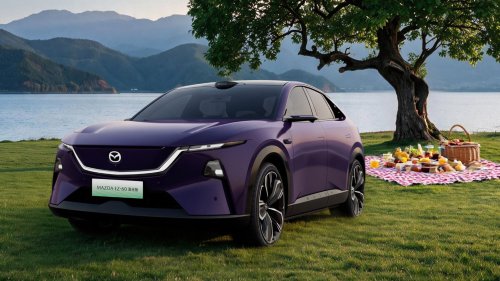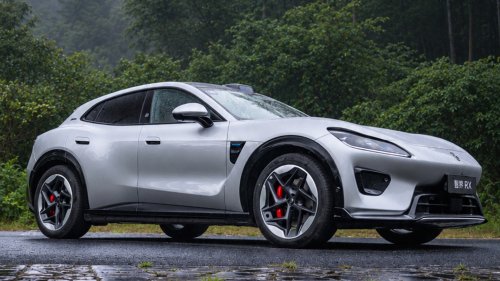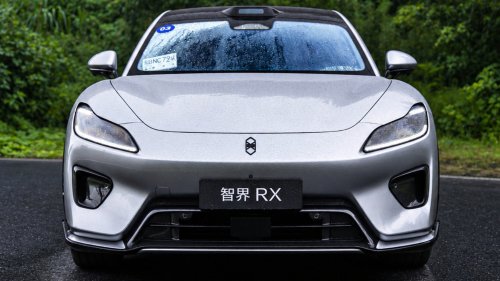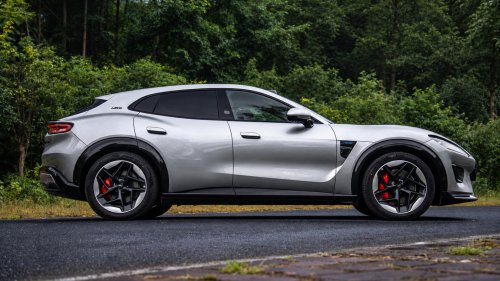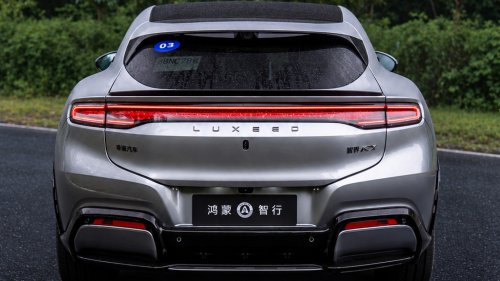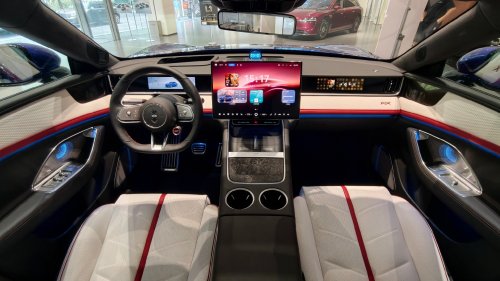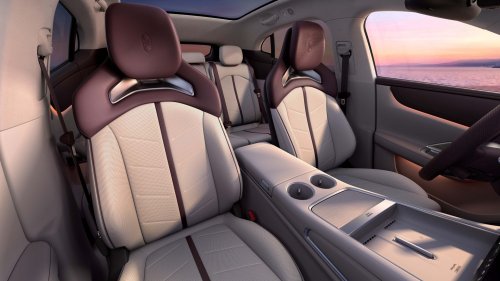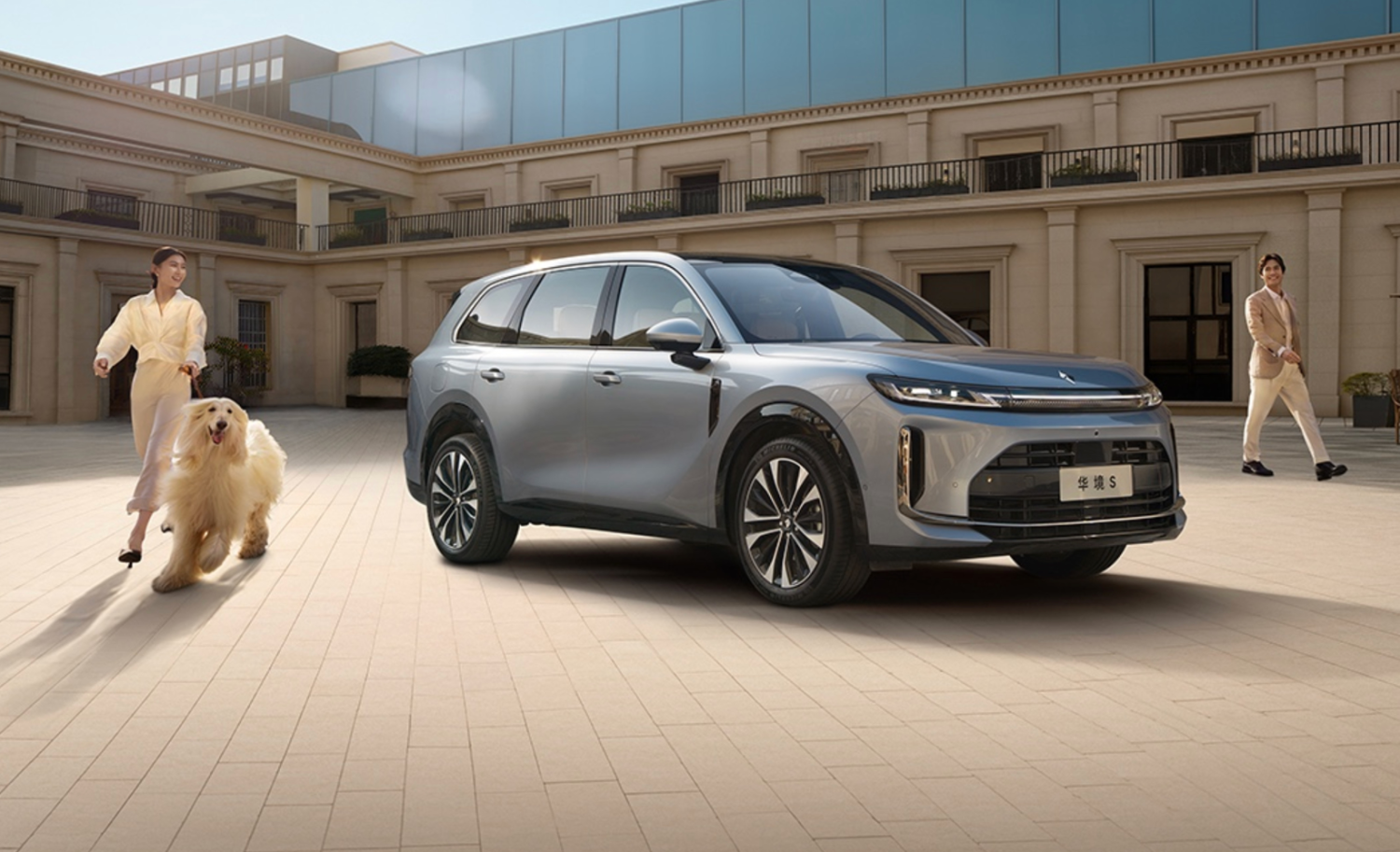
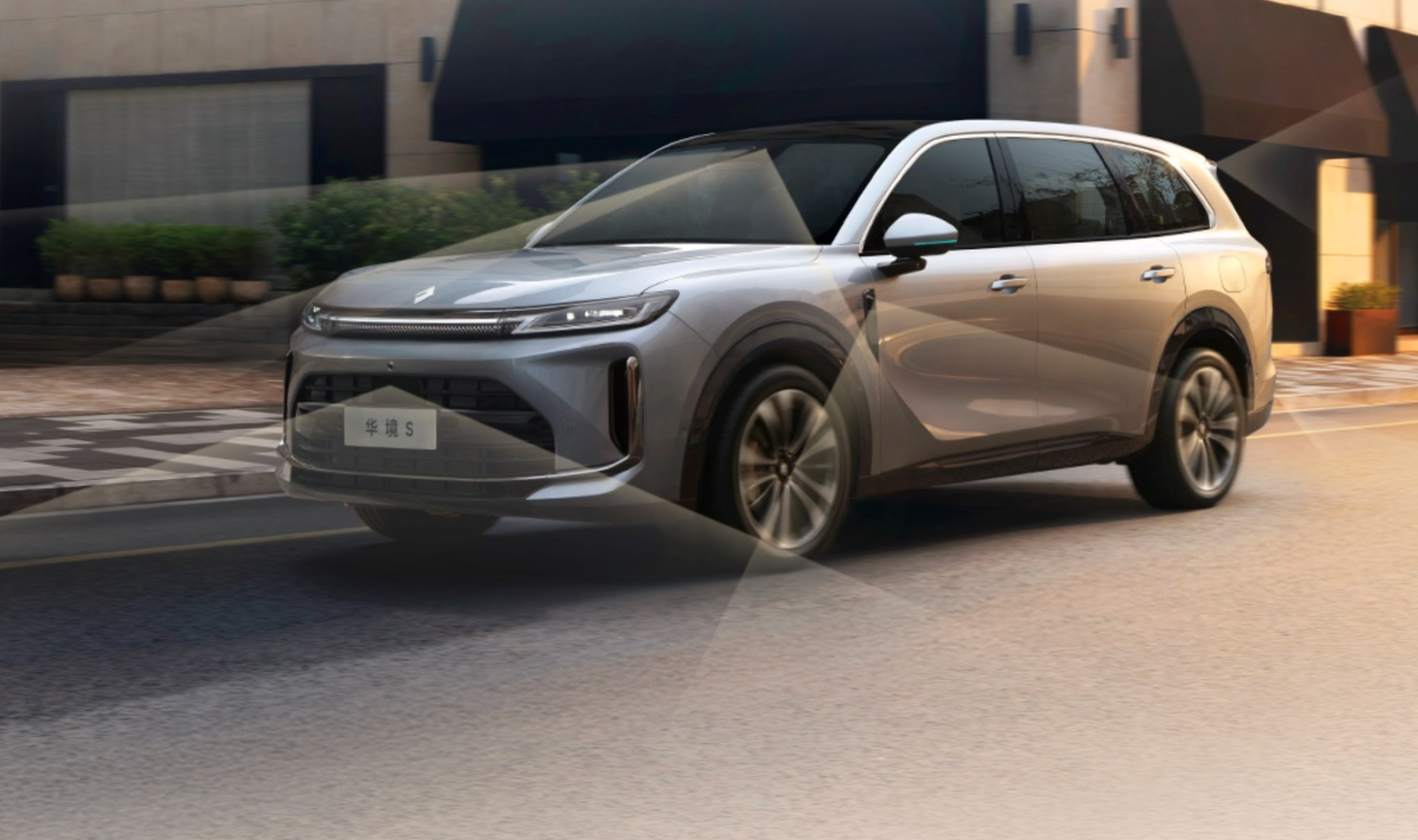
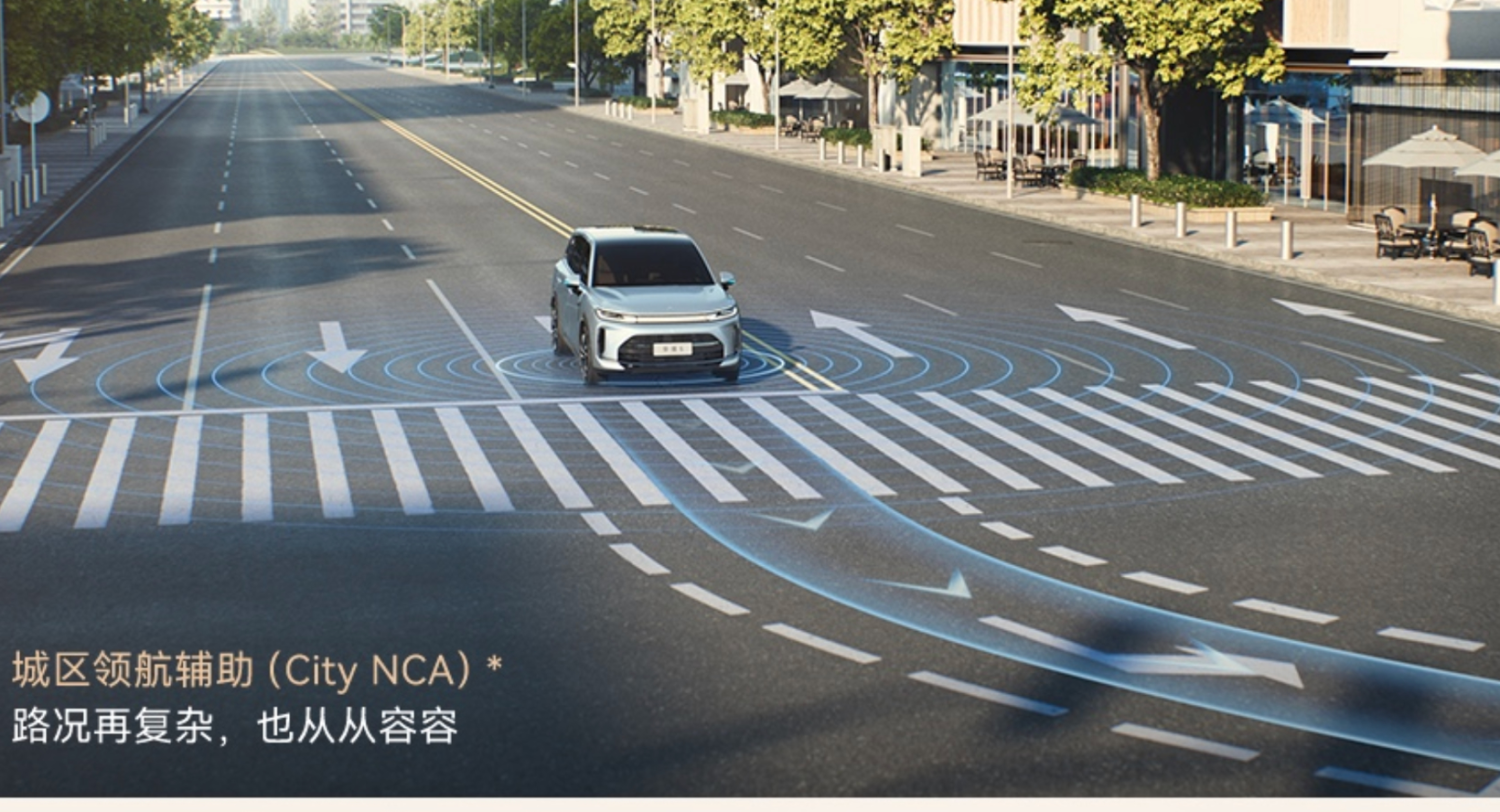

















Gasgoo Munich-The market for six-seater SUVs priced around 200,000 yuan is hardly short of new entrants. Over the past year, supply in this segment has expanded rapidly, yet most models share a common flaw in their sales trajectories: an initial surge driven by spacious interiors and short-term marketing incentives, followed by a struggle to sustain deliveries. Moreover, advanced intelligent features are typically reserved for top-tier trims, leaving entry-level versions significantly stripped down.In early July, Huajing Auto released official operating data that offer a distinct market sample: the Huajing S delivered 5,689 units in June, pushing cumulative deliveries past the 10,000-unit mark. The brand celebrated this milestone with a ceremony at Huawei's Songshan Lake base, attended by executives from both SAIC-GM-Wuling and Huawei Qiankun.While 10,000 deliveries may not turn heads in the broader passenger vehicle market, it is a rarity within the 200,000-yuan six-seater SUV niche to find a model maintaining such a consistent upward trajectory.A Steady Climb in DeliveriesThe delivery pace points to sustainable growth: over 3,600 units were handed over in the first three weeks, rising to 5,689 units in June. Cumulative deliveries topped 10,000 within two months of launch—a figure achieved not through a short-lived, launch-driven spike, but through steady momentum.The sales mix reveals more about genuine consumer preferences. Official data shows that the 185,800-yuan two-wheel-drive Qiankun Premium Edition and the 203,800-yuan four-wheel-drive Qiankun Premium Edition accounted for 94% of total deliveries. The market's mainstream choice is converging on mid-to-high-spec configurations, while low-priced entry-level models make up a small fraction. This suggests buyers in this bracket are willing to pay a premium for fully equipped intelligent hardware and practical six-seat interiors.Image Source: Huajing (same below)Underpinning this stable delivery is a standardized production system. Built at a dedicated smart manufacturing facility, the Huajing S utilizes a modular production line where intelligent driving sensors, cockpit systems, and body assembly are all calibrated to unified standards.For most industry rivals, sales are heavily tied to phased incentives like limited-time interest subsidies or short-term trade-in allowances, often leading to a drop-off once the policy window closes. In contrast, the Huajing S’s trade-in pricing is a fixed long-term strategy. Its sales growth is driven by product strength rather than short-term marketing gimmicks—a fact that the 10,000-unit milestone confirms, proving the model has secured a solid foothold in its niche.Building Differentiated Competitive AdvantagesAmong six-seater SUVs in this price range, the Huajing S stands alone in standardizing the Huawei Qiankun ADS Pro Enhanced Edition, the HarmonySpace 5 cockpit, and the Qiankun vehicle-cloud integration system across its entire lineup."Standard across the lineup" is the key differentiator. Every vehicle carries 27 sets of perception units, with identical intelligent hardware specifications across entry-level and top-tier trims. Core functions—including urban navigation, highway NOA, and fully automated parking—are unlocked at the factory.Hardware readiness for future iterations is an easily overlooked advantage. The company has confirmed that no hardware replacements for radar or computing power are required; the entire lineup will receive a free over-the-air update to the Huawei Qiankun ADS 5 Pro system within the year.Conversely, most competitors in this price bracket restrict advanced driving features to top-trim add-ons, charge tiered fees for software updates, and lack the hardware computing power to support next-generation algorithms—resulting in a significant gap in long-term ownership costs.The vehicle's positioning is designed to balance family travel needs. It features a genuine three-row, six-seat layout and a body constructed with 2,000 MPa ultra-high-strength steel, developed to C-NCAP five-star safety standards. Its extended-range powertrain accommodates both short city commutes and long-distance road trips, striking a balance across safety, space, and intelligence without significant compromise.Today's trade-in buyers typically have years of experience with internal combustion engine or basic electric vehicles, and they have clear demands for commuting assistance, multi-passenger travel, and long-term vehicle evolution. The Huajing S's standardized configuration, stable trade-in pricing, and six-seater family architecture precisely match these needs—explaining why mid-to-high-spec models account for over 90% of transactions. Compared to market rivals, where full Huawei intelligent systems are usually found in vehicles costing 300,000 yuan or more, the Huajing S's starting trade-in price of 149,800 yuan creates a distinct competitive edge.While Huajing's delivery figures—5,689 units in June and a cumulative total exceeding 10,000—may not stand out in the broader market, the number of models in the 200,000-yuan six-seater SUV segment that simultaneously achieve sustained delivery growth, high sales of premium trims, and a lack of concentrated quality complaints is limited.The market logic for the Huajing S is clear: unified Huawei intelligent hardware across the lineup, readiness for long-term OTA updates, standardized quality control, and a six-seater architecture tailored for large families. These four core product elements have been implemented simultaneously, avoiding cost-cutting compromises in any single area.Demand for upgrades and replacements among core families in higher-tier cities remains in an expansion cycle. Once the full-domain OTA update for ADS 5 Pro is deployed, the model's intelligent assistance capabilities will see a further upgrade. Its subsequent delivery trends and market acceptance will serve as a key reference point for observing shifting consumer demand in the 200,000-yuan six-seater SUV segment.