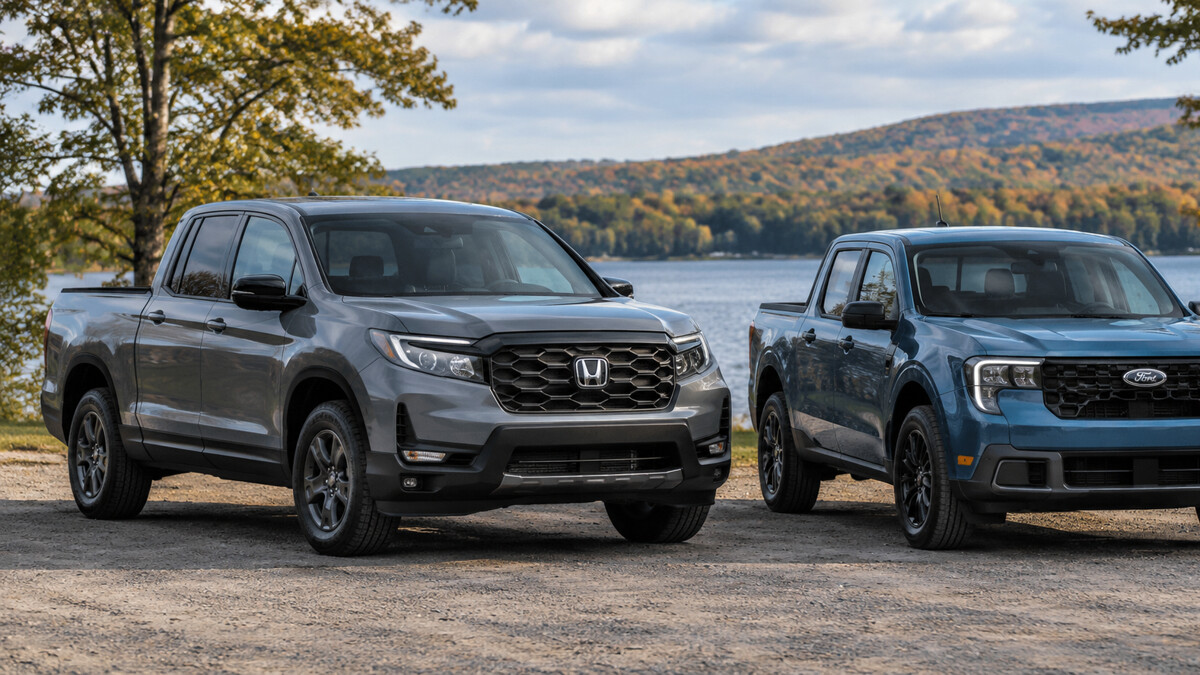
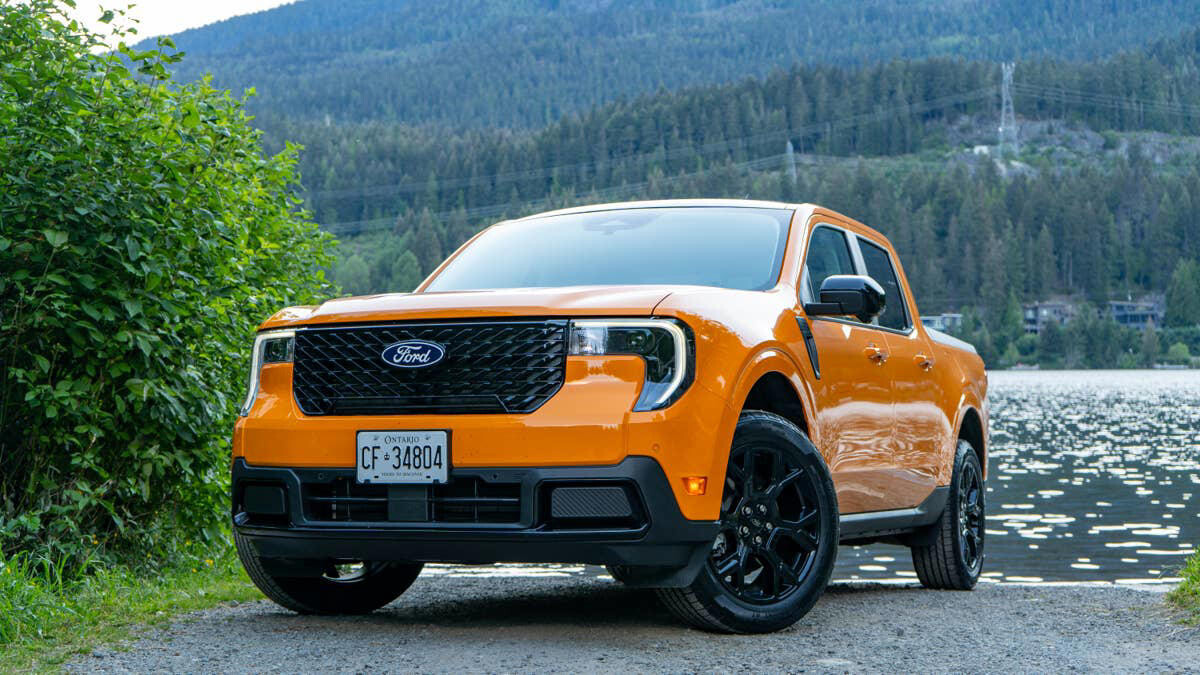
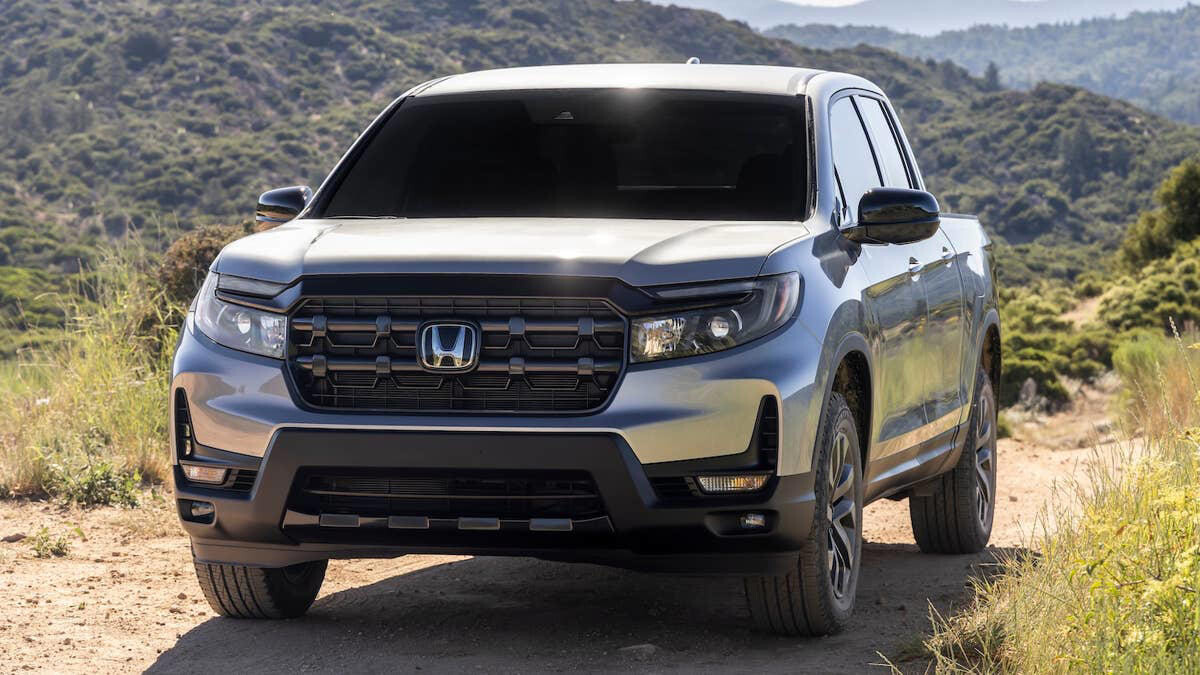
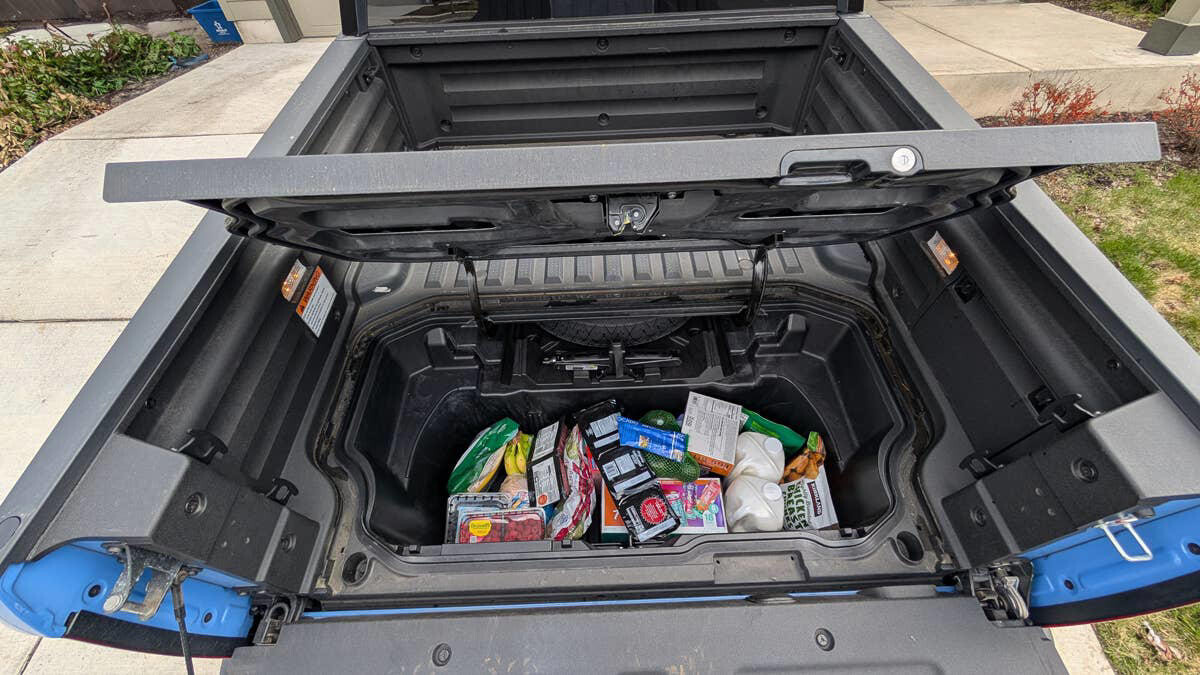
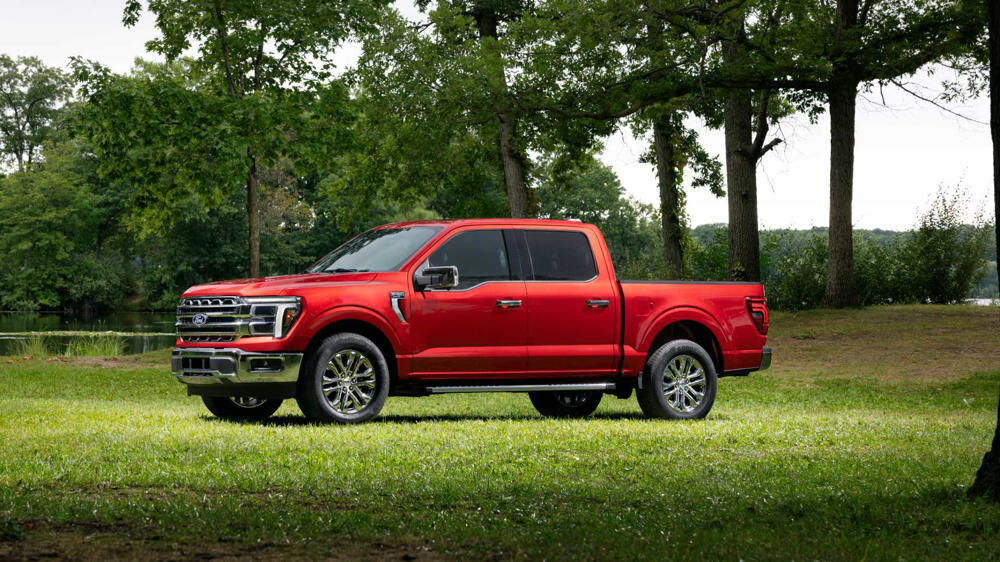
A Tale of Two Trucks The unibody truck segment is about as small as it gets. Soon, the Hyundai Santa Cruz will be on its way out, and there will be just two contenders in the space: the Ford Maverick and the Honda Ridgeline. The Maverick and Ridgeline occupy slightly different positions in the lifestyle-pickup sales picture. These two models might have a fair amount in common with each other, including comfortable and practical interiors, strong standard feature sets, and similar ground clearances, but the similarities end there. But the delta emerges when you take a closer look, especially in terms of sales figures. Recent sales show the Maverick continuing to gain ground, while Ridgeline demand has remained broadly steady. Together, their performance shows an established market for pickups that offer everyday versatility, despite their divergence from traditional body-on-frame construction. The Maverick’s Lead Explained The Ridgeline is now in its second generation, which means it has had more time to establish itself, and the Maverick can be considered the upstart, at least in terms of age. despite that, the Maverick is putting serious distance between itself and the Honda Ridgeline in 2026. Through October, Ford sold 135,147 Mavericks in the United States, compared with 41,438 Ridgelines for Honda. That gives Ford a 93,709-truck advantage and more than three Maverick sales for every Ridgeline sold. This isn’t a narrow victory decided by one strong month. It’s a runaway. Ford delivered 11,466 Mavericks in October, up 3.4% from the same month last year. Honda sold 4,410 Ridgelines, a 7.9% improvement. Honda therefore posted the stronger monthly percentage gain, but Ford still outsold it by 7,056 trucks. Even a respectable month for the Ridgeline barely dented the Maverick’s mindblowing lead. The year-to-date comparison shows that Maverick sales increased 2.4% from 131,990 during January through October 2025. Ridgeline sales slipped approximately 0.1% from 41,471. Honda’s pickup is essentially holding steady while Ford’s smaller rig is growing an already booming sales equation. Ford’s Hybrid Force is Strong The Maverick offers two powertrains, a distinct advantage over the Ridgeline. The 2.0L EcoBoost turbocharged powertrain offers 250 horsepower and 280 lb-ft of torque (paired with an 8-speed automatic or 7-speed quick-shift automatic in the Lobo trim) The hybrid provides a 2.5-liter Atkinson-cycle 4-cylinder gas engine paired with an electric motor and an electronic continuously variable transmission. Output is 191 horsepower (combined gas and electric) and 155 lb-ft of torque. Fuel economy gives the Maverick Hybrid a distinct upper hand. The 2026 front-wheel-drive hybrid carries EPA estimates of 42 mpg city, 35 highway, and 38 combined. Hybrid all-wheel-drive versions also remain available, letting buyers add traction without abandoning the hybrid powertrain. The Ridgeline is old school with its V6. Every version uses a 280-horsepower, 3.5-liter V6 paired with a nine-speed automatic. Most trims earn EPA ratings of 18 mpg city, 24 highway, and 21 combined; the TrailSport returns 20 mpg combined. There’s no hybrid configuration in the lineup, which is a disadvantage in this battle. Ford’s own October reports show that Maverick hybrid sales increased 38% year over year and established an October record. That’s an increase any automaker would kill for, but a compact hybrid unibody pickup truck managed to pull it off. That says a lot about the strength of this model. The Ridgeline Still Offers More Truck in Key Areas Although there are no real stats that tell the stories about what these two trucks are used for, one model can carry out truck-ish duties better than the other. The Ridgeline can tow up to 5,000 pounds, while the Maverick tops out at 4,000 pounds with the required equipment. That’s isolated to Available on XL, XLT, and Lariat trims (with either the 2.5L Hybrid AWD or 2.0L EcoBoost AWD) when equipped with the 4K Trailer Tow Package. A standard Maverick is rated for just 2,000 pounds. Honda also offers useful features that remain genuine differentiators. Its dual-action tailgate opens downward or swings sideways, and the lockable, washable In-Bed Trunk provides 7.3 cubic feet of covered storage beneath the bed floor. Sales figures shouldn’t determine your choice if you’re deciding between these two. It’s all about your needs and driving habits. Final Thoughts The Ridgeline doesn’t exhibit the same level of demand as the Maverick, not even close. But that doesn’t mean the Ridgeline is the wrong choice. Its bigger bed, better towing capacity, and more powerful engine. Stats measure sales, not truck superiority. With that limitation understood, the result easily favors the Maverick, outselling the Ridgeline by roughly 3.3 to one. Honda beats the Maverick in practical ways, while the Maverick Hybrid wins the efficiency game. On sales volume, though, Ford has the overwhelming advantage. Who knows if this will change when the newly redesigned Ridgeline arrives.

 Liked by Mia Harris, Ryan Johnson









 Liked by Mia Harris, Ryan Johnson