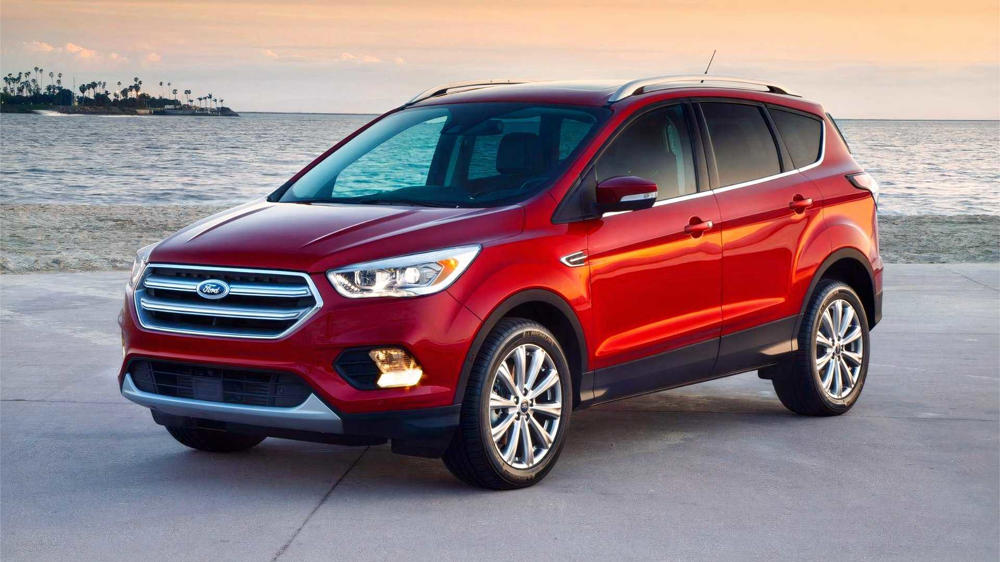
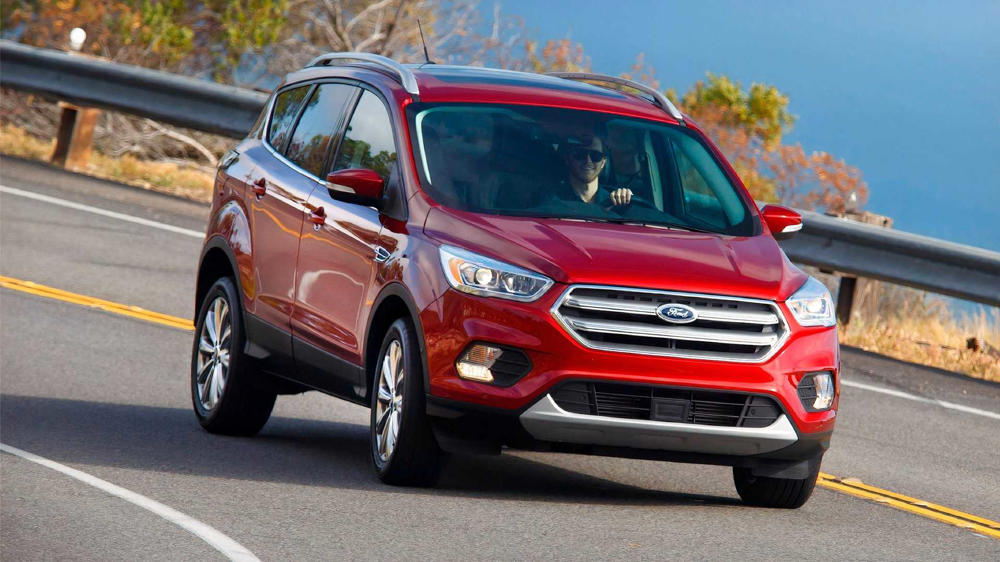
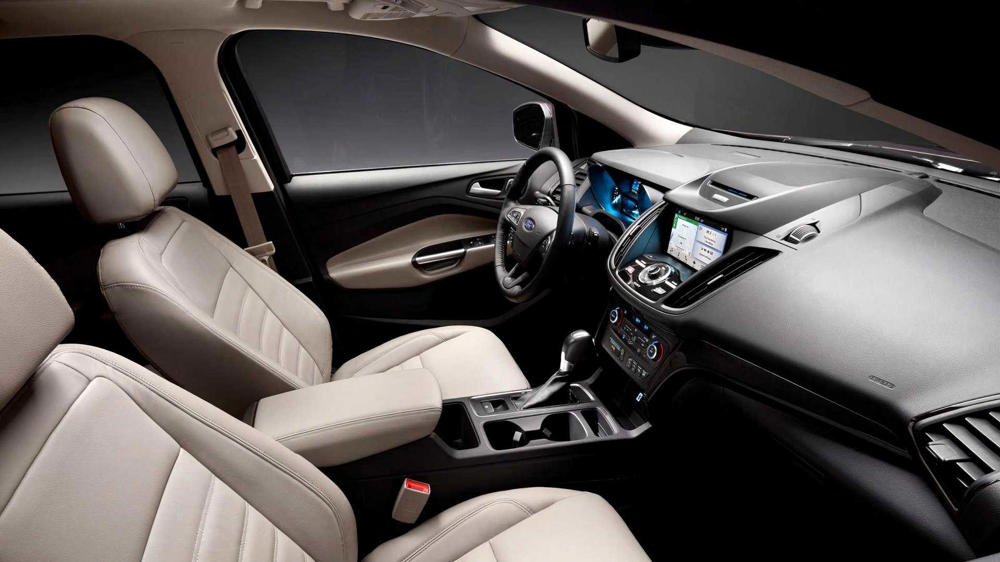
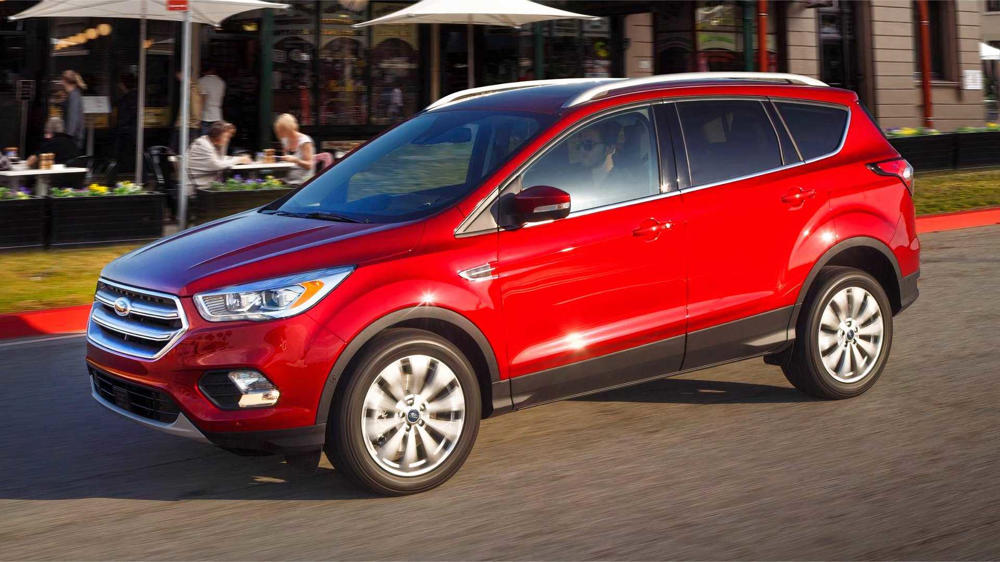
Unlike most automakers, Ford has quite a few gaping holes in its lineup. The death of the Ford Fusion left the Blue Oval without a sedan, while the discontinuation of the Ford Fiesta and Ford Focus also left it without a hatchback. Meanwhile, on the booming compact crossover front, the end of the Ford EcoSport and the Ford Edge leaves the brand with few options to offer to would-be buyers. Unless, of course, you’re shopping for a secondhand Ford Escape, which then begs the question: what are the most common 2019 Ford Escape problems you need to look out for? It might sound like an oddly specific model year to start with, but if you’re hunting for a used Ford Escape, many folks consider the 2019 model the sweet spot. It’s the final year of the third-gen Escape, ensuring that most of the teething troubles and poor reliability of the earlier models have been ironed out. Plus, compared to the newer fourth-gen Escape, the 2019 model has depreciated enough that you can find tons of them on the used market for a bargain price. But is it really worthwhile and how reliable is it, and just how bad are these common 2019 Ford Escape problems? This is a reliability analysis that breaks down some of the most common 2019 Ford Escape problems, based on information sourced from JD Power, CarComplaints, the NHTSA, and RepairPal. All the reliability data, statistics, and testimonies mentioned below, including documented complaints from real owners and recalls, are accurate as of publishing. 2019 Ford Escape Reliability & Recalls Much Improved Over 2018 & Not As Problematic As The 2020 Escape 2019 Ford Escape Exterior (3) 2019 Ford Escape JD Power Score (Overall) 84/100 JD Power Score (Quality & Reliability) 86/100 NHTSA Recalls 3 NHTSA Complaints 602 NHTSA TSBs (Technical Service Bulletins) 128 Just looking at the JD Power scores alone, it’s clear right from the get-go that the 2019 Ford Escape is much improved compared to the earlier third-gen model years (more on that later). On top of that, it’s cursed with far fewer recalls and widespread complaints compared to the later fourth-gen 2020 Escape and the prior 2018 model year. That said, if you’re planning on buying a second-hand 2019 Ford Escape, make sure the previous owner(s) actually went through with these major recalls: [26V011000]The engine block heater may crack and cause a coolant leak, causing it to short circuit when the block heater is plugged in, with a huge potential fire risk, so dealers will have to replace the block heater. [22V413000]A bushing that attaches the shifter cable to the transmission might wear out and detach, thus preventing the driver from shifting, and it might even cause unintentional rollaway after shifting into Park. Dealers will need to replace the shift bushing and add a protective cap over the shift cable bushing. [21V155000] Some tires were cured for too long during production, which might cause the sidewall to break and result in tire failures. Ultimately, this might cause sudden pressure loss or belt edge separation, possibly leading to a loss of control and crashing, so dealers will have to inspect and replace the affected tires. Engine Problems Commonly Reported: 2019 Escape Coolant Leaking Into The Cylinders That Could Destroy The Engine For context, the post-facelift 2019 Ford Escape offers you the choice of three different engines. There’s an old-school 2.5-liter naturally aspirated Duratec inline-four, which owners consider the most reliable, least problematic powertrain here. Alternatively, Ford also offered a couple of newer, more powerful, and more fuel-efficient EcoBoost engines, though many 2019 Ford Escape problems center around them. You can get the 1.5-liter turbocharged EcoBoost inline-four, which many owners consider to be the most fault-prone of the three, and a 2.0-liter turbocharged EcoBoost inline-four engine. According to the sheer flood of owner-submitted reports on CarComplaints and the NHTSA’s database, among the most common 2019 Ford Escape problems you might come across are engine troubles. Specifically, there are tons of complaints from past owners of coolant leaking into the cylinders and eventually destroying your engine. In fact, these engine failures are a carryover defect from the prior model years. Still, if it’s any consolation, the 2019 Ford Escape EcoBoost engine problems aren’t nearly as bad or as catastrophic as 2018 versions. Some of the early warning signs you might notice include: A check engine light Misfires, typically in cylinder #2 or #3 White smoke when starting Rough idle Low coolant level An overheating warning Loss of power Stalling while driving Apparently, some owners have tried to fix these 2019 Ford Escape EcoBoost engine problems by replacing the spark plugs and ignition coils, but it usually doesn’t solve them for good. Instead, the only lasting, reliable repair is installing a new engine or a replacement short block, with owners being quoted anywhere from $7,000 to $8,500 in most cases, or all the way up to an eye-watering $15,000. Owners would notice coolant leaking into the cylinder as early as just 20,000 miles on the clock, though some owners made it way into 100,000+ miles before the early coolant leak symptoms started to appear. 2019 Ford Escape Transmission Problems Unintentional Rollaway Causes Accidents, Or It May Even Run You Over! Whether you have a 2019 Ford Escape SE, SEL, or any other trim level, the transmission problems in this model year are worth mentioning, too. Although total engine failures do dominate the list of complaints, another thing you need to keep a close eye out for is the abundance of issues with the 2019 Ford Escape’s six-speed SelectShift automatic. Many owners experienced their Escape moving unintentionally and randomly, including other problems and symptoms such as: Unintended rollaway after shifting into Park Shifting into Reverse when Drive is selected Surging and lunging ahead Gears slipping Delayed shifts Refusing to accelerate Complete transmission failure Sadly, there’s some very real danger and hazard to these 2019 Ford Escape transmission problems, as CarComplaints, RepairPal, and the NHTSA’s database document quite a lot of unfortunate incidents caused by faulty gearboxes. In some cases, owners had their Escape surge and lunge forward, smashing right into walls, garages, and accidentally rear-ending other cars ahead of them. Additionally, you’ll even find some sad mentions of rollaway Ford Escapes, which refuse to shift properly into Park, rolling right into, and hitting, before running over their own owners, causing horrific injuries. To make matters worse, many owners also complain that these very same 2019 Ford Escape transmission problems stubbornly reappear, even after sending their Escape to a dealership for a repair. When mechanics crack open these defective gearboxes, they sometimes find unwelcome traces of metal shavings in the transmission fluid, which often appear at 80,000 to 110,000 miles. The only lasting fix would be transplanting a new gearbox, but replacing your transmission is seldom ever cheap, with some owners being quoted as much as nearly $10,000 for a new unit. Electrical Problems To Look Out For Sporadic Loss Of Power, Damaged Wiring Harnesses & Short Circuiting 2019 Ford Escape Interior (4) In third place, and generally less widespread, frequent, and serious, you ought to also be wary of the intermittent 2019 Ford Escape electrical problems that might crop up every now and then. Looking at what owners have been through, some of the more prominent electrical (and electronic) gremlins include: Sudden loss of power and stalling Wiring harness that’s been clipped and damaged by the serpentine belt Wiring harness short circuit right after an alternator replacement Shutting off when pulling away from a stop Headlights and lighting failures caused by the body control module Backup cameras that flicker or show a black screen Incorrect gauge readings Premature alternator failures Ford Escape Steering Problems From Vibrations & Shuddering To Power Steering That Randomly Cuts Out Another one of the less frequent, albeit still worrying, defects concerns the 2019 Ford Escape power steering problems, normally exhibited by the power steering assist cutting out, and your steering wheel now suddenly becomes really hard to manipulate. One common symptom that past owners experience is the steering wheel becoming harder to turn than usual, accompanied by a 'power steering assist failure' warning message popping up after startup or while you’re driving. Meanwhile, others would notice a concerning degree of vibration and shuddering between 35 and 45 mph. To fix this, some owners recovered power steering functions by simply turning their Escapes off and on again, though these power steering issues reappeared after a bit anyway. When pressed for a diagnosis, it looks like quite a few technicians blamed this on electric power steering rack failures, and repairing them normally costs between $2,000 to $3,000, with failures appearing around 20,000 to 30,000 miles. Another potential cause might actually be the coolant leakage issues from earlier, leaking onto and subsequently damaging the steering gear or the power steering module. Structural Problems On The 2019 Ford Escape Fragile Rear Doors & Liftgates That Make Getting In & Out Needlessly Hard While not as commonplace as the other flaws we’ve mentioned so far, you may still encounter the sprinkling of 2019 Ford Escape structural problems that are, at best, an inconvenience, and at worst, downright dangerous. Most of these faults often center around the 2019 Escape’s rear doors and the liftgate: Interior door panel clips fail, causing the rear door panels to catch on the door frame, meaning the doors only open a couple of inches. Power liftgate might close, but not latch properly, and repairs, even those approved by official Ford dealers, typically only last a short while. On a separate note, some owners had to go through a failed roof rack seal that might allow rainwater to leak right into the cabin. Other Common 2019 Ford Escape Problems Airbag Failures, EVAP Systems Failures & Prematurely Worn Brake Pads Rounding off the other 2019 Ford Escape common problems, since you’re window shopping for a secondhand example anyway, look out for these, too: Airbag failures, either where the airbags don’t deploy, thus leaving occupants to suffer serious injuries in an accident, or in some cases, deploying but immediately getting torn, leaving occupants to suffer burns. Evaporative emissions systems failurethat might cause your Escape to stall, or leave the cabin reeking with a strong gasoline smell. This is usually down to a faulty EVAP purge valve or a broken high-pressure fuel pump, or possibly a faulty fuel injector. Prematurely worn brake pads and rotors, especially the rear brakes, with some owners having to replace them after just 10,000 miles. Drivers might notice the brakes grinding, metal-on-metal contact, or uneven wear between the brakes on either side. Verdict: Is The 2019 Ford Escape Reliable? Would This Be A Good Used Buy, Or Should You Look Elsewhere Instead? On the whole, despite the slew of coolant leaks and engine failures, plus the myriad of transmission problems, the 2019 Ford Escape generally has above-average reliability, particularly compared to other Escape model years, be it the earlier third-gen models, or even the later fourth-gen Escape. With that in mind, while not every 2019 Escape is plagued with faults, it’s still worth being diligent if you’re buying one second-hand, so here’s a quick checklist of things to check during your test drive, and while you’re also inspecting the car to make sure you (hopefully!) end up with a good one: Do a cold start and watch for white exhaust smoke, rough idling, or shaking, and check for low coolant reservoir levels. Check the service record to see if there’s been any engine or short block replacements, and how a coolant leak was repaired. Shift between Park, Reverse, and Drive a few times to confirm that the transmission can shift smoothly, without any lurching. Turn the wheel fully left and right while stopped and moving, and watch for an overly stiff steering or a power steering warning message. Open and close the power liftgate and rear doors a few times to make sure they open and hold properly. Check the rear brake pads and rotors to see if there’s any uneven or premature wear. Run the VIN and make sure that all necessary recalls have been done.

 Liked by Kayla Harris, Noah Wright











 Liked by Kayla Harris, Noah Wright