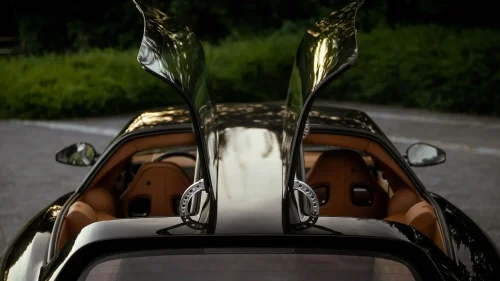
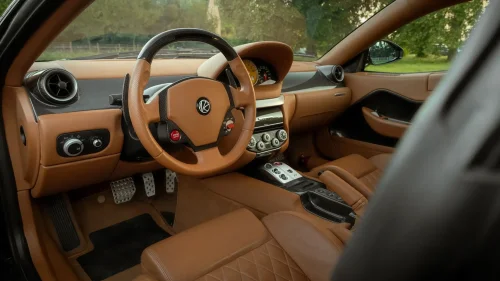
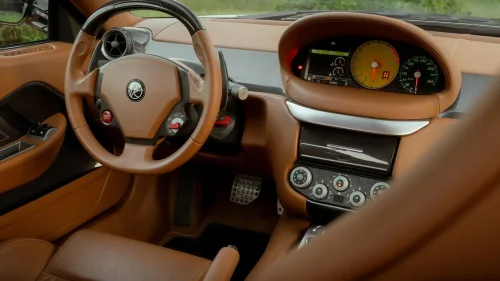
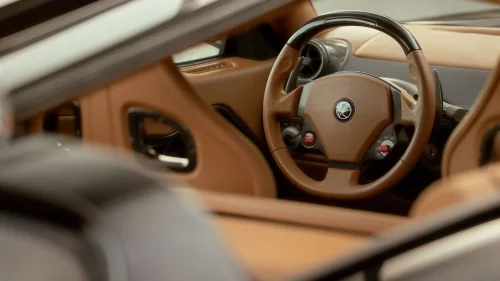
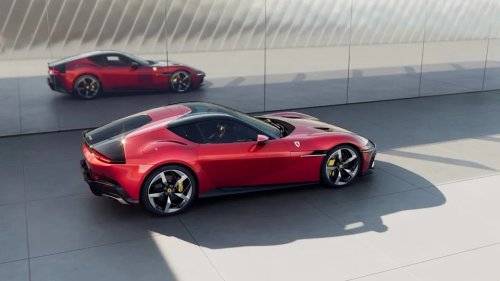
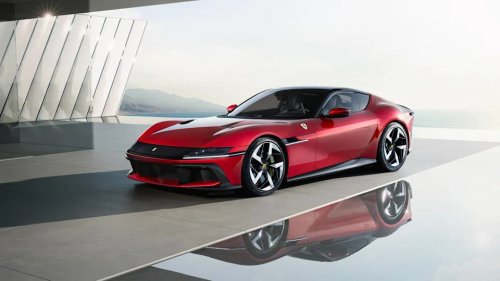
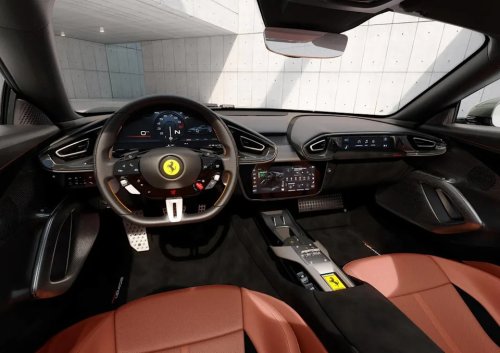
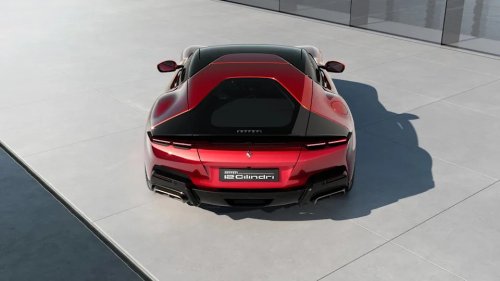
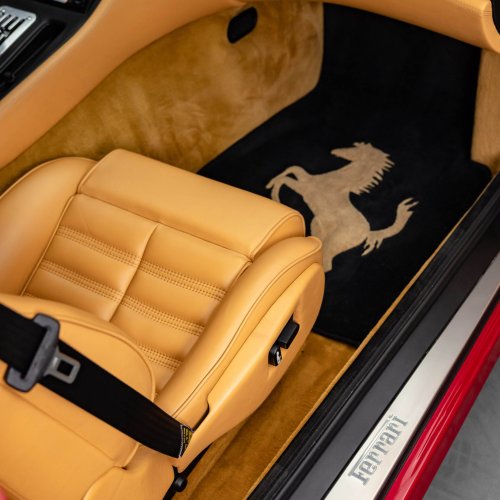
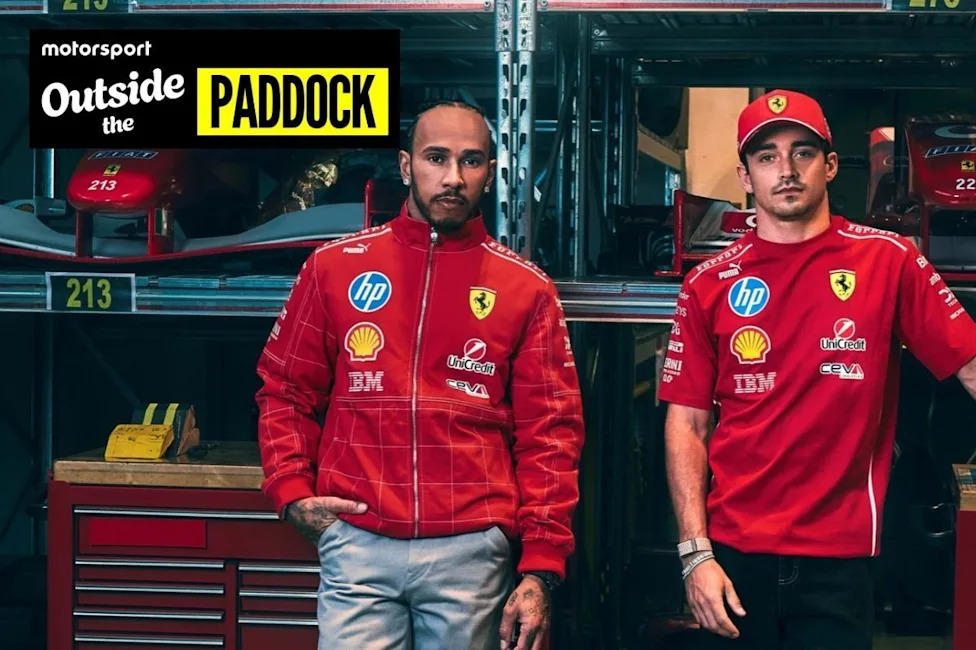
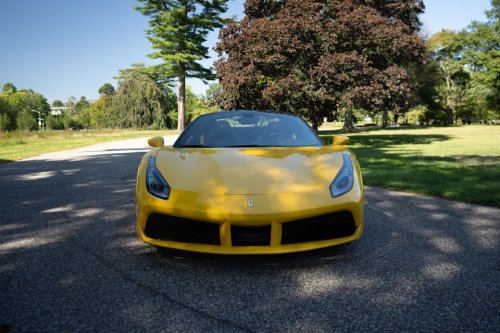
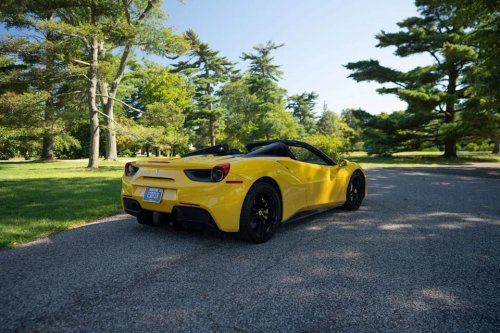
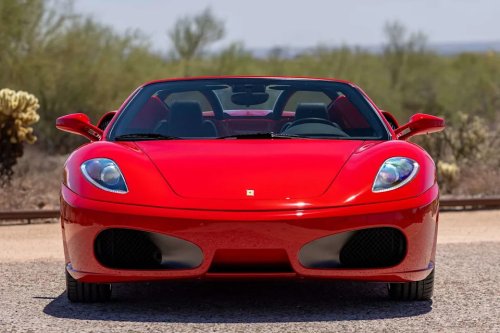
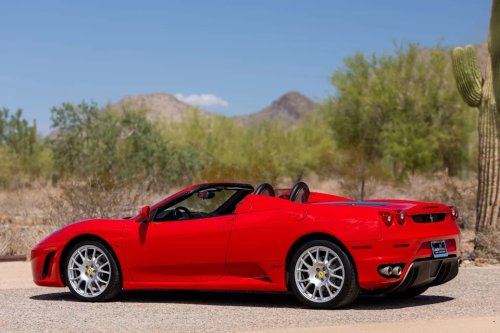
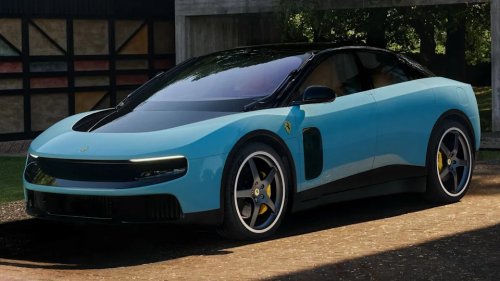
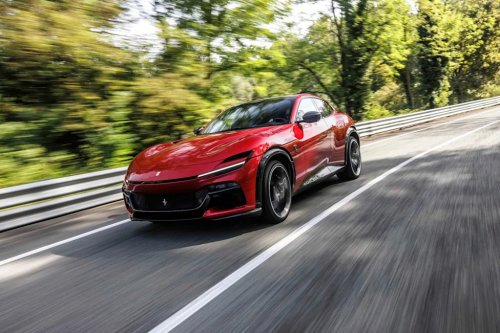
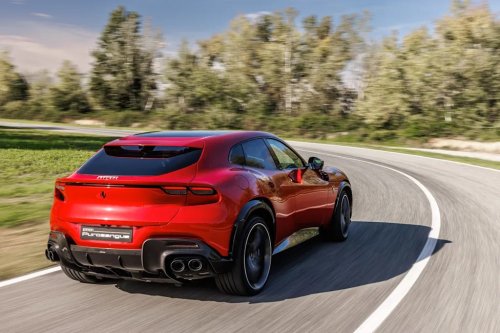
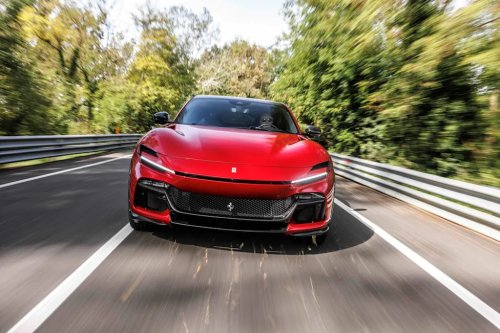
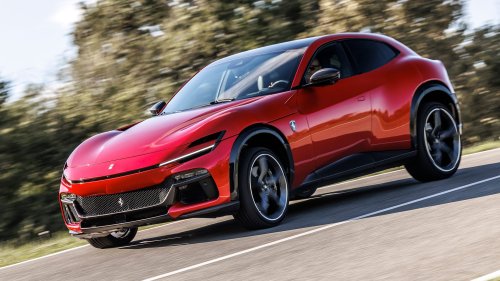
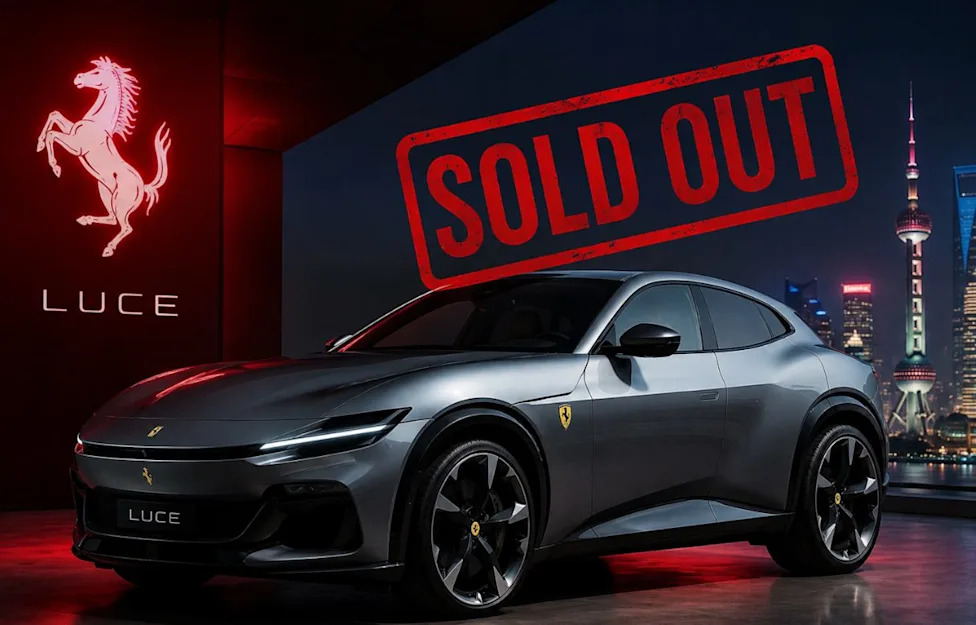
Image: Luce Edited by: Gadget ReviewThe internet spent weeks roasting the Luce's styling. Then 88 Chinese buyers spent $586,600 each without blinking. Ferrari's first all-electric production car — a four-door, five-seat grand tourer — landed in Shanghai and evaporated from the order sheet almost immediately. The entire China allocation, gone. This isn't a story about electric motors or battery chemistry. It's about what a prancing horse badge is actually worth in 2026.A Discount Ferrari Has Never Offered BeforeChina's Luce pricing undercuts Europe by roughly 7% — an unusual move for a brand that typically charges more east of Suez.Ferrari set the Chinese sticker at 3.988 million yuan, roughly $586,600 including taxes. The European price sits at €550,000 — about $626,000 — meaning China receives an approximate 300,000-yuan discount, according to CarNewsChina. That's genuinely unusual. Imported Ferraris normally cost more in China due to displacement-based and luxury taxes. The Amalfi GT, for example, jumps from roughly $267,000 in the UK to about $382,000 in China. Ferrari clearly made a deliberate strategic call here.AdvertisementAdvertisementFor context, the Luce delivers:772 kW (1,035 hp) across four motors100 km/h in 2.5 secondsA 122 kWh battery with a 530 km WLTP range350 kW DC fast charging supportChina's domestic performance EVs push harder on paper: BYD's Yangwang U9 clocks 2.36 seconds to 100 km/h with 960 kW, priced around $264,800 — roughly half the Luce's sticker. GAC's Hyptec SSR starts at approximately $189,200, meaning three of them fit inside one Ferrari's price tag, with acceleration figures the Luce can't match. Ferrari, notably, positions the Luce as a grand tourer rather than a supercar — a different customer, a different mission entirely. All 88 China units sold out immediately, though Beijing Business Today reports a Beijing dealer is still accepting orders ahead of a July 3–5 launch event.When Status Beats the Spec SheetChinese rivals outgun the Luce on paper, but Ferrari's buyers aren't shopping spreadsheets.AdvertisementAdvertisementThe Yangwang U9 and Hyptec SSR both outperform the Luce in raw numbers — faster acceleration, more power, dramatically lower prices. Ferrari's clientele, however, isn't comparison-shopping. Speedsters, as quoted by CarNewsChina, frames the purchase bluntly: the Luce is "4 million RMB on wheels," a rolling declaration of membership in China's wealthiest 1%. At this altitude, performance-per-yuan simply isn't the point.Rumors circulated online that buying a Luce might fast-track access to future limited-edition Ferraris. Ferrari's chief marketing officer shut that down in comments carried by The Drive — no queue-jumping privileges attached. The real play is more straightforward. Ferrari is entering the world's largest EV market armed not with superior specs but with decades of emotional brand equity built on European car engines, as CNEVPost's launch coverage notes. That's a different kind of horsepower entirely.Online critics can't stop talking about how the Luce looks. The buyers couldn't care less.If China's ultra-rich continue absorbing Ferrari EVs at this pace, Maranello will likely respond with expanded allocations or China-specific configurations. Ferrari's second EV is reportedly delayed to 2028, leaving the Luce to carry the electric narrative solo for now. The instant sell-out confirms a niche that few analysts were certain existed: the ultra-luxury EV market in China, where prestige and exclusivity outweigh any spec sheet. As Chinese brands grow sharper at selling emotion alongside engineering, though, Ferrari's advantage won't defend itself indefinitely.From the coolest cars to the must-have gadgets, GadgetReview's daily newsletter keeps you in the know. Subscribe - it's fun, fast, and free.


















 +23 others