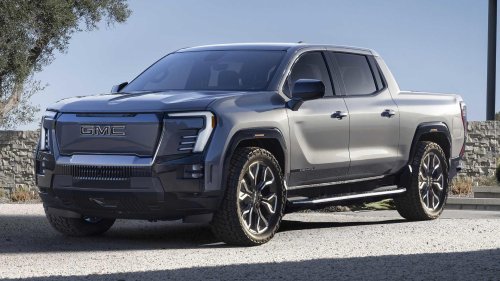



















EV Or Gas Pickup In 2026? Here's The Truck That Actually Makes Sense For YouThe truck market is at a genuine crossroads. Some automakers are betting on electrification while others are doubling down on internal combustion. If you are deciding between EV vs gas trucks in 2026, the right answer depends less on hype and more on how you actually use a pickup. Here is an honest breakdown.The State of the Truck MarketWhile EV trucks grab headlines, several brands are leaning hard the other way. We covered this tension when the 2027 Silverado doubled down on V8s even as GM killed off some of its biggest trucks. The industry has not picked a single winner, which means buyers genuinely have a choice.Range and Towing RealityEV trucks deliver instant torque and impressive acceleration, but towing slashes their range dramatically, sometimes by half or more. Gas trucks refuel in minutes and tow long distances without range anxiety. If you tow often or far, this is the decisive factor, as our towing safety guide makes clear.Charging vs. FuelingHome charging is convenient and cheap if you have a garage and overnight access. Without it, public charging for a large truck can be slow and inconsistent. Gas remains the path of least resistance for rural buyers and anyone without reliable home charging.AdvertisementAdvertisementThe 15 Best Recovery Gear Essentials Every Off-Roader Should Keep in the TruckCost of OwnershipEVs often cost more upfront but less to fuel and maintain. Gas trucks are cheaper to buy and easier to service anywhere. Run the math on your annual mileage, electricity rates, and how long you keep vehicles before assuming one is cheaper.Capability Off the PavementBoth powertrains can go off-road, but weight and recovery considerations differ. Heavy EV trucks demand robust recovery planning, so carry a proper off-road recovery kit regardless of what powers your truck. Tire choice matters too; see our guide to the essential gear that belongs in every rig.Who Should Buy WhatChoose an EV truck if you have home charging, drive mostly locally, and rarely tow far. Choose gas if you tow heavy, travel long distances, or live where charging is scarce. There is no universally correct answer, only the right truck for your routine.Bottom LineIgnore the culture war and run your own numbers. Match the powertrain to your driving, charging access, and towing needs, and the decision becomes far simpler than the internet makes it sound.AdvertisementAdvertisementBest Portable Air Compressors for Airing Up After the Trail (Tested & Ranked)Maintenance and Repair DifferencesEV trucks have far fewer moving parts, eliminating oil changes and many traditional maintenance items, which can lower long-term upkeep. However, repairs to battery systems and specialized components can be expensive and require specific expertise that not every shop has. Gas trucks are serviceable almost anywhere, with parts and knowledge widely available, a real advantage in rural areas. Factor your access to qualified service into the decision, especially if you keep vehicles for many years.Resale and Depreciation UncertaintyGas trucks have decades of predictable resale data behind them. EV trucks are newer, and their long-term resale values, heavily tied to battery health and evolving technology, remain less certain. A truck with a degraded battery may depreciate faster than an equivalent gas model. If resale value weighs heavily in your decision, this uncertainty currently favors proven gas platforms, though the picture is changing quickly.The Off-Road and Adventure AngleBoth powertrains can go off-road, and EVs offer precise low-speed torque control that excels on technical terrain. But weight and range under load matter for adventure use. Heavy EV trucks demand robust recovery planning, so carry a proper recovery kit regardless. For overlanding, range anxiety far from charging makes gas the simpler choice today, as we discuss in our overlanding guide.AdvertisementAdvertisement10 Best Dash Cams for 2026What the Market Is Telling UsThe industry itself has not committed to one path. We see this clearly in how the 2027 Silverado doubles down on V8s even as electrification advances elsewhere. This diversity is good news for buyers, who can choose the powertrain that genuinely fits their lives rather than being forced toward one technology. Our look at the future of trucks explores where this is heading.Making Your DecisionIgnore the culture war and run your own numbers. Consider your daily mileage, charging access, towing needs, climate, and how long you keep vehicles. Pair either choice with the right tires and a sensible maintenance routine. The right truck is the one that fits your real life, not the one that wins arguments online.The Bottom Line for 2026 BuyersThere has never been a more interesting time to shop for a truck, but also never a more confusing one. The honest answer is that neither EV nor gas is universally better; each excels in different circumstances. Take stock of how you actually use a truck day to day, where and how you would charge or fuel it, and how heavily you tow or travel off the grid. Be wary of letting marketing or online tribalism make the decision for you. A buyer who matches the powertrain to their genuine needs will be satisfied for years, while one who follows hype often ends up with a truck poorly suited to their real life. Run your numbers, drive both, and choose with confidence.