Chinese electric vehicle (EV) makers and Tesla are locked in a tug of war across western Europe, taking advantage of rising consumer demand for battery-powered vehicles as volatile oil prices drive buyers away from traditional models.
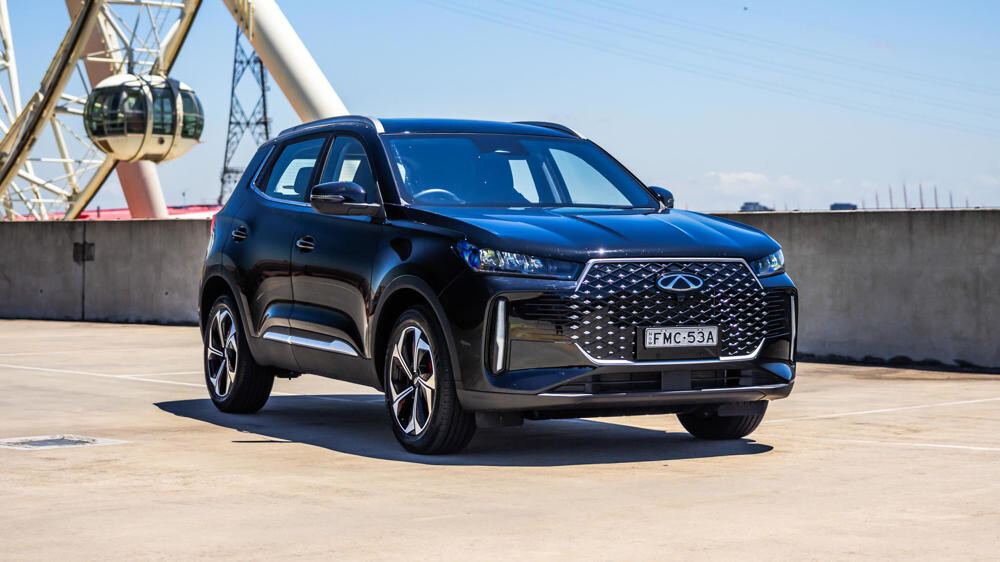
Chinese brands – including BYD to Xpeng – saw their combined market share of new car sales across 18 Western European countries rise to a record 10.7 per cent in the second quarter of 2026, up from 5.7 per cent a year earlier, data from Germany-based consultancy Schmidt Automotive Research showed.
Tesla, the American EV giant, also increased its regional market share to 2.6 per cent in the second quarter, up from 1.7 per cent a year earlier, even as the market share for all US-based brands declined to 6.5 per cent.
“Tesla’s aggressive push from 2026, with prices falling to just above €30,000 (US$34,522) across many regional markets, has prevented a further fall for US brands,” analysts at Schmidt said in a report last week.
Tesla’s price cuts coincide with a broader push by Chinese carmakers to expand overseas. Facing sluggish demand at home and trade barriers imposed by the United States, they have increasingly targeted Europe as a major growth market.
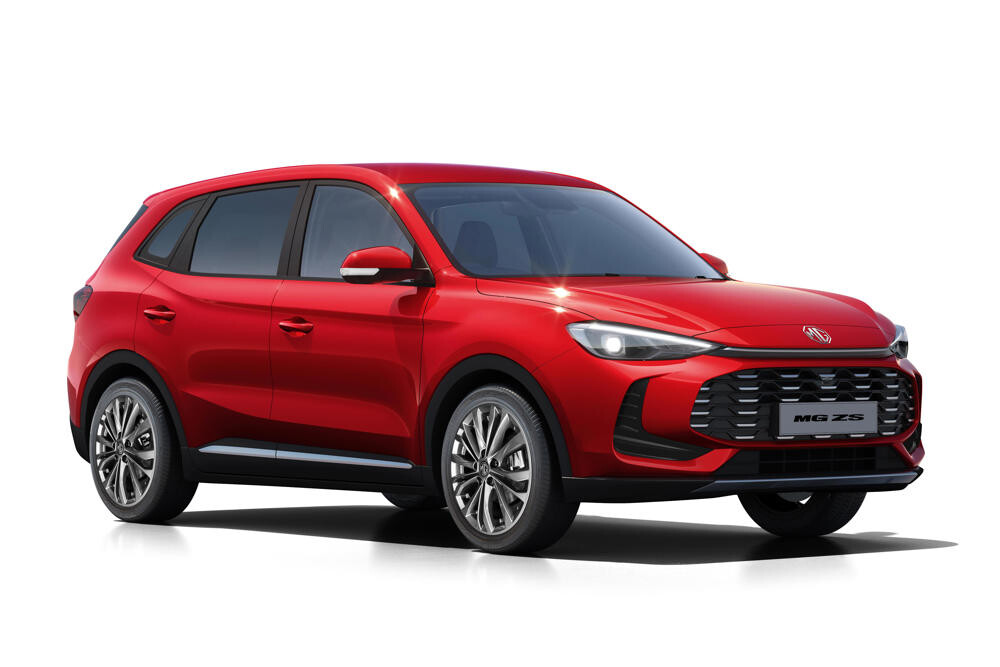
BYD, China’s market leader, launched two luxury models in Europe in April and July under its Denza brand and aims to build 3,000 “flash-charging” stations across the region by March next year. It secured a market share of 2.8 per cent after delivering 91,500 units in the second quarter, surpassing Tesla and the historic British brand MG, which is now owned by China’s state-owned SAIC Motor, according to Schmidt.
In May, Leapmotor, the bestselling Chinese EV start-up, deepened local production ties with European giant Stellantis. In July, Geely, the second-largest EV maker in China, also announced plans to acquire a 34 per cent stake in a Ford plant in Spain for €221 million (US$254.32 million) to accelerate its localisation strategy.
Leapmotor sold over 30,000 units in the June quarter through its partnership with Stellantis, 466 per cent more than a year earlier, leading to a regional market share of 0.8 per cent in the first half of the year.
“One hundred thousand (units) on a quarterly basis still remains an unpassed frontier for Chinese brands, although that could be surpassed during the final quarter of the year,” the consultancy said in the report.
Notably, Chinese carmakers and Tesla, which Schmidt defined as new market entrants, took a combined 13.3 per cent of the new-car market share in the three months ending in June, up from just 0.1 per cent a decade ago.
The aggressive China- and US-based players helped fuel the strongest first half for western Europe since before the pandemic in 2019, when 6.44 million new passenger vehicles were registered, up by 5.9 per cent year on year, according to Schmidt.
By contrast, European brands and carmakers from Japan and South Korea posted their lowest quarterly market shares in at least two years in the April-June period, standing at 65 per cent, 10.7 per cent and 7 per cent, respectively.
In the second quarter of this year, China’s global EV exports surged by 131 per cent year on year, driven by 182 per cent growth in plug-in electric car exports despite looming European Union regulatory headwinds. Battery EV exports rose by 106 per cent, according to a Fitch Ratings report published on July 31.
Subsidies and high fuel costs were supporting the strong growth of Chinese EVs across the region, Fitch analysts said.
As the US-Israeli war on Iran drags on, US crude oil futures averaged US$92.45 per barrel in the second quarter of the year, up 27 per cent from the first quarter and 32 per cent from the pre-conflict level.