Models from BYD, Geely and Nio have reportedly been barred from entering sensitive German military sites over concerns about their cameras and sensors. Germany’s defence ministry confirmed restrictions on connected vehicles but clarified that there is no blanket ban targeting particular manufacturers or countries.
Der Spiegel reported on November 10 that lists circulating within the Bundeswehr, Germany’s armed forces, identify Chinese vehicle models that cannot enter facilities classified as security areas. Soldiers driving affected vehicles must park outside and continue on foot, the report says.
At a government press conference on November 11, defence ministry spokesperson Mitko Müller said local security officers determine access rules. Depending on the location, connected cars may be excluded from a designated security area while still being allowed in a parking area farther from sensitive facilities. The rules apply regardless of the vehicle’s country of origin.
The ministry identified cameras, microphones, radar and ultrasonic sensors as potential security concerns because they can gather information about a vehicle’s surroundings. Its restrictions therefore extend beyond Chinese manufacturers and depend on the equipment fitted to a vehicle and the risks at the particular site.
The individual models covered by the reported lists have not been publicly identified, and it remains unclear whether additional Chinese brands are included.
Stuttgarter Zeitung reported that no publicly substantiated evidence has been presented showing that the affected cars transmitted sensitive Bundeswehr information to Chinese intelligence services. The entry restrictions are precautionary measures against possible surveillance.
Other militaries have introduced similar restrictions. In October, the US military announced a ban on BYD vehicles at Kadena Air Base in Okinawa, Japan, citing security risks. Poland announced restrictions on Chinese-made vehicles at military facilities in February. Its rules also cover other cars capable of recording location, video and sound unless those functions are disabled.
Some countries extend restrictions also to civilian infrastructure. In Czechia, Orlen Unipetrol barred China-made vehicles from four industrial sites in March 2026, including its Litvínov and Kralupy refineries, citing cybersecurity and espionage concerns.
China has also imposed restrictions on foreign-brand cars: Tesla vehicles were barred from some military sites and government compounds in 2021 over concerns about their cameras. In the same year, the China Meteorological Administration had told staff not to buy Teslas and asked existing owners to transfer ownership to another person. In July 2024, restrictions on access to government and military compounds had been lifted after Tesla passed China’s data-security assessment, while Jiangsu province approved the Model Y for government purchases.
BYD recorded 5,173 new-car registrations in Germany in October 2026, up 54.3% from 3,353 a year earlier. Its January–October total reached 47,961 vehicles, up 216.1% from the same period last year. The figures include electric vehicles and plug-in hybrids.
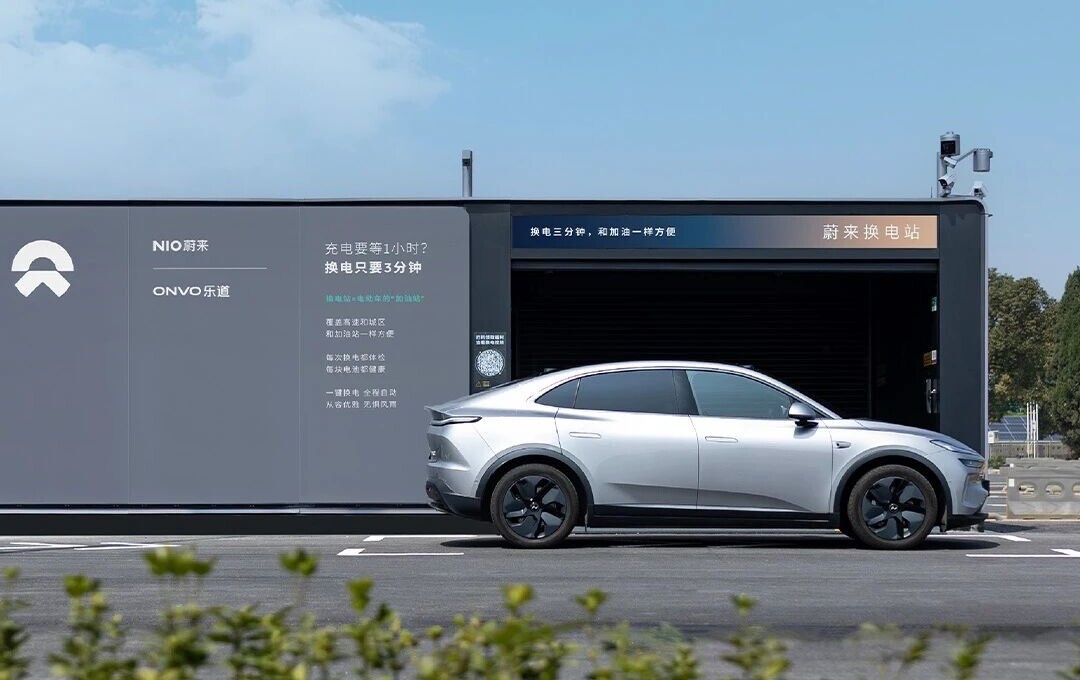
Nio recorded zero registrations in Germany in October, compared with 16 a year earlier. Its January–October total fell 91.2% year on year to 20 vehicles.
Geely has a broader presence in Germany through Volvo, Polestar, Lynk & Co, Zeekr and Lotus, alongside its own Geely brand. It also jointly owns Smart with Mercedes-Benz.