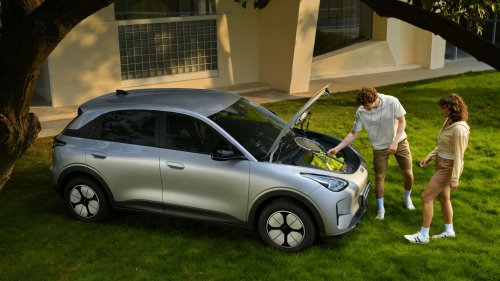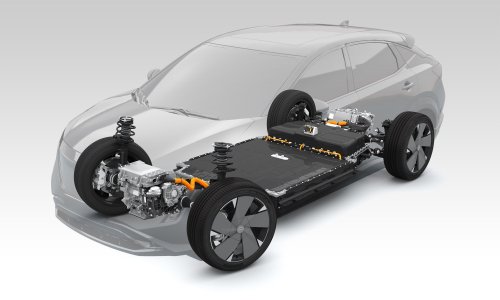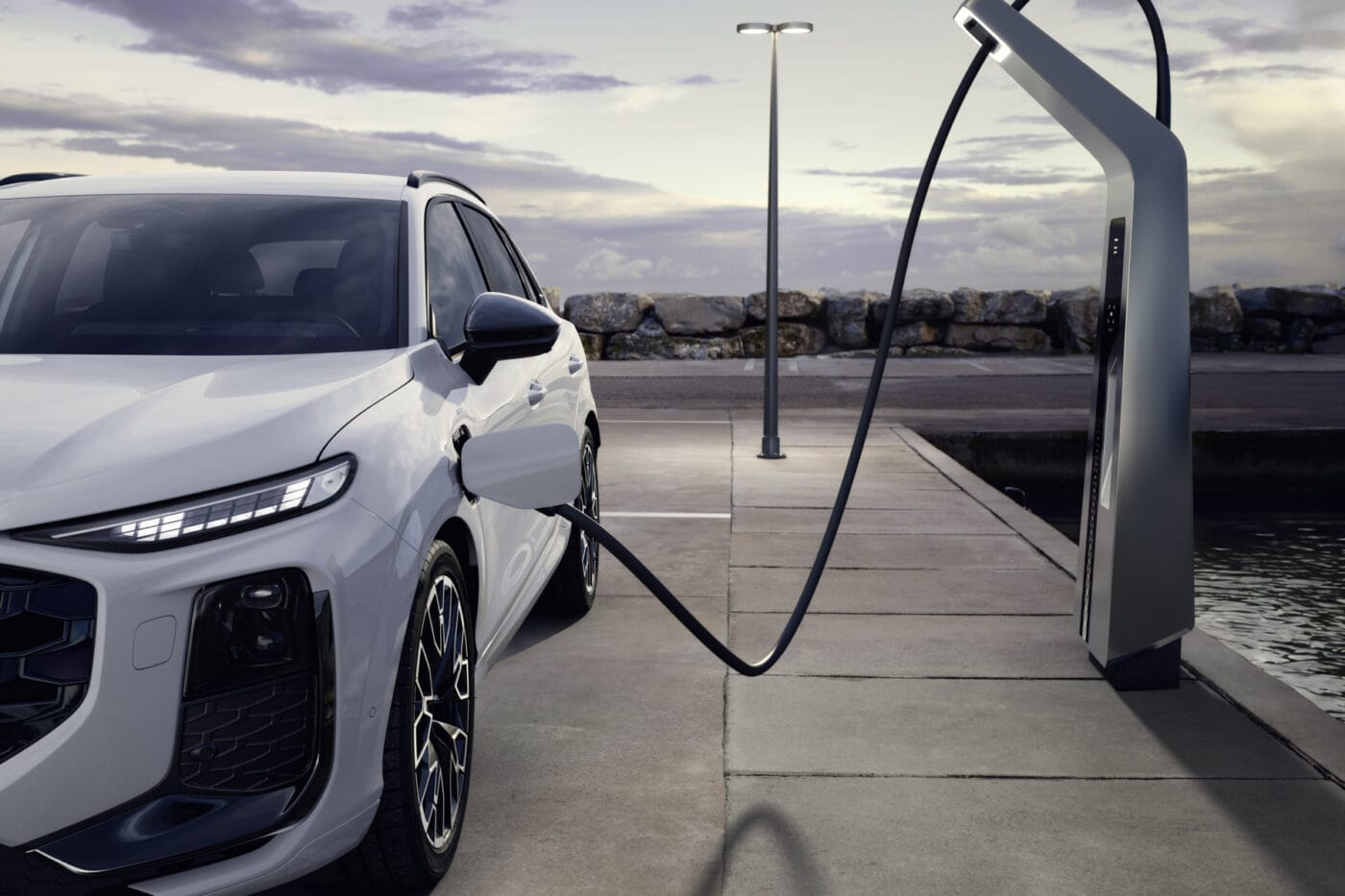


















Audi Q3 e-tron as a plug-in hybrid (symbolic image)Image: AudiAt least that is what Automobilwoche reports, citing ongoing discussions in Brussels. According to the article, the clear stance of the German government has injected momentum into the matter.“The European Parliament is now picking up the pace. A compromise on the internal combustion engine ban will be finalised by the end of the year,” the article states.The EU Commission presented its ‘Automotive Package‘ just before Christmas. The proposal introduces significant relaxations to the existing target that would allow only new vehicles with zero grammes of CO₂ per kilometre from 2035.Under the package, certain hybrids and combustion-engine vehicles could still be registered after 2035 if their CO₂ emissions are fully offset, for example through clean fuels or green steel produced in the EU. In exchange, the plan includes battery-electric vehicle quotas for corporate fleets. However, the proposal only seeks to amend the current CO₂ regulation. If EU institutions do not adopt it, the existing law will remain in force, requiring zero grammes of CO₂ from 2035 onwards.In April, the German government agreed to push for further changes in Brussels. According to leaked documents, these include less stringent requirements for plug-in hybrids, amendments to the planned compensation mechanism for CO₂ emissions after 2035, more flexible interim targets, and the classification of e-fuel-powered internal combustion engines as zero-emission vehicles. Additionally, the German government rejects the EU Commission’s proposed (and VW Group-supported) supercredits for electric vehicles under 4.20 metres in length, as well as the planned regulation for corporate fleets with strict battery-electric vehicle quotas.This position now appears to be ‘the unofficial guideline for finding a majority-backed compromise’ within the European Parliament. Reports suggest that, first, members of the largest group, the conservative EPP, from other countries are to be convinced of the German approach, followed by discussions with other groups, such as the social democratic S&D.Social Democrats ready to compromise?A cautious shift is emerging. Tiemo Wölken, a member of the Environment Committee in the European Parliament for the Social Democrats, now points to potential for an agreement among centrist parties. Until recently, he had opposed any weakening of the current CO₂ targets.It remains unclear whether his remarks reflect a personal stance or a coordinated position within the Progressive Alliance of Socialists and Democrats. So far, the S&D group has supported the original CO₂ targets and rejected any relaxation.“Given the many election campaigns in 2027, we need to get this done this year,” German MEP Jens Gieseke (CDU) said, according to the article. “An agreement on the package can be reached in the centre of the house, but the S&D must also play its part.” The German Social Democrats in the EU Parliament find themselves in a dilemma: while the EU group still opposes further relaxations, the German coalition government is pushing for such changes.Wölken also highlights this situation. “With the German government’s position, there is a real risk of a blocking minority in the EU Council against adjustments to the fleet limits—and then everything would remain as it is.”Despite the now-signalled willingness to compromise and ‘room for agreement’ (Wölken’s words), there are contentious points where positions diverge widely. The German government, with SPD involvement, seeks to abolish or weaken the planned requirements for corporate fleets and the offsetting of additional emissions through the use of green steel from the EU and e-fuels. However, the Social Democrats in the European Parliament view these points as non-negotiable, though they signal readiness for concessions on other issues.“Additional emissions after 2035 must be fully compensated,” Wölken emphasised.One thing is clear: there will be no quiet summer break in Brussels if negotiations in the European Parliament’s committees are to be concluded by September.automobilwoche.de (in German)