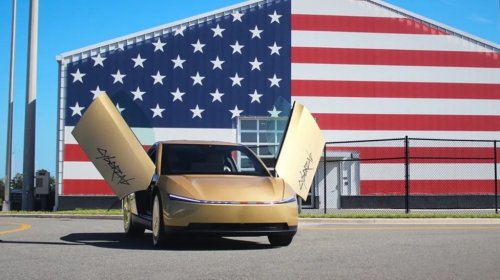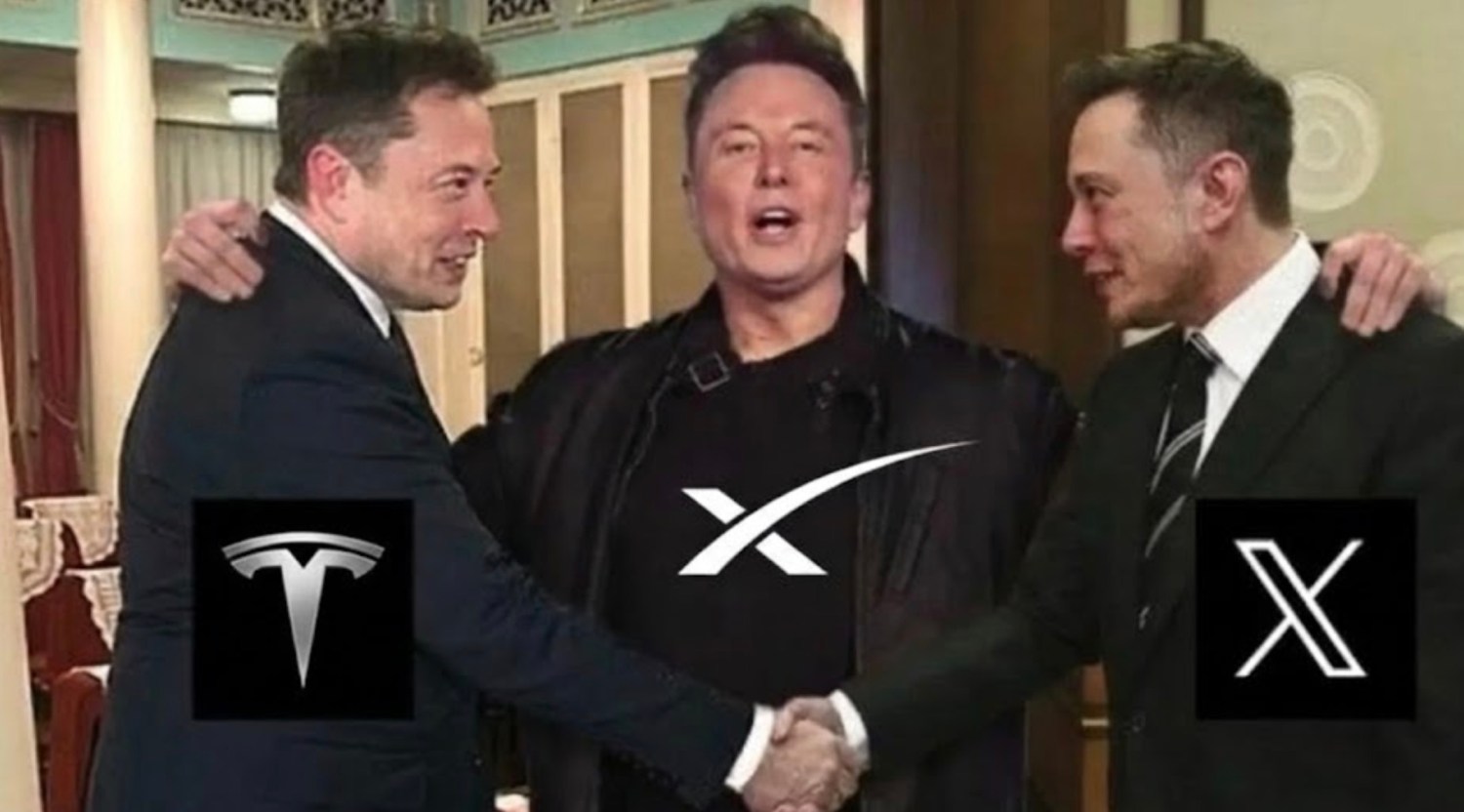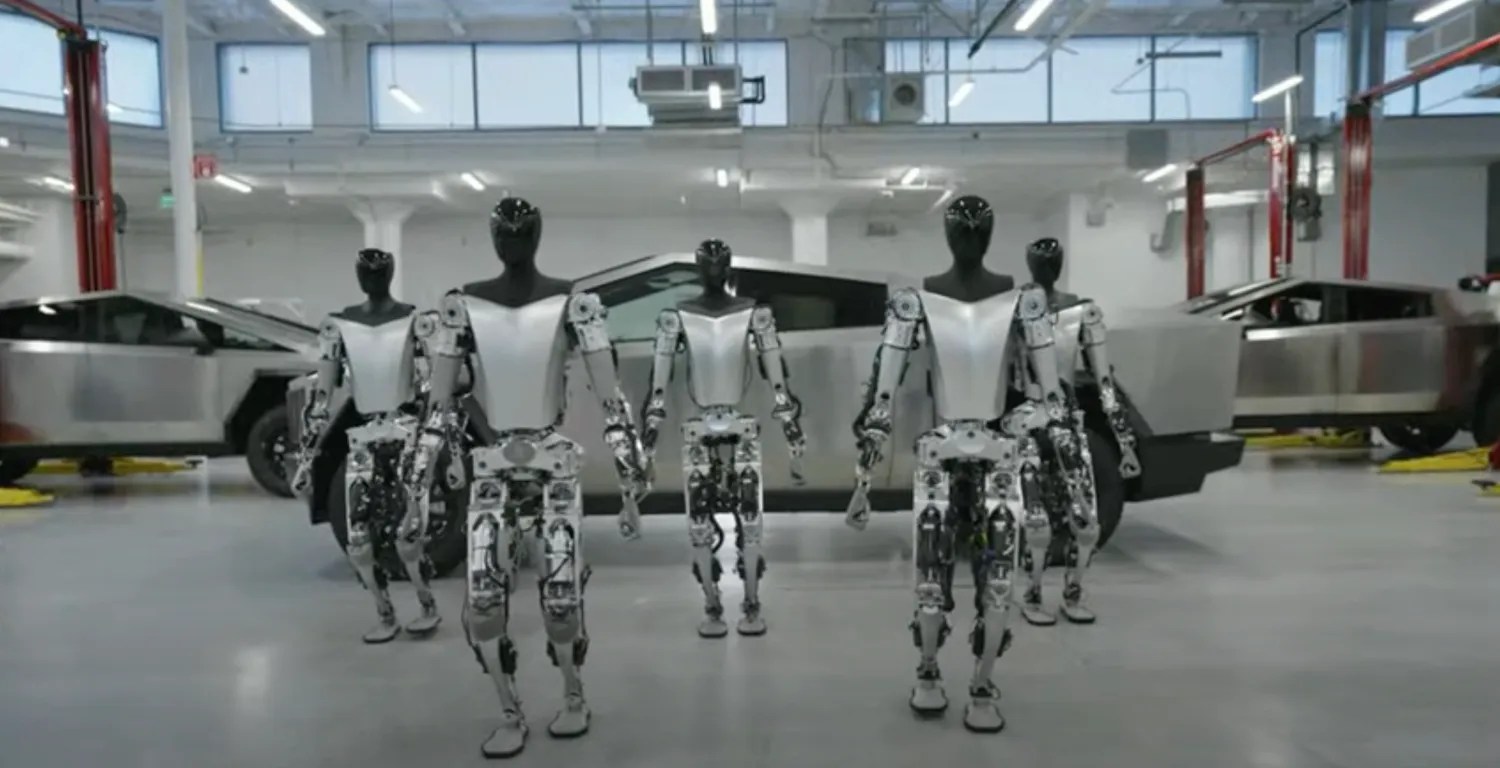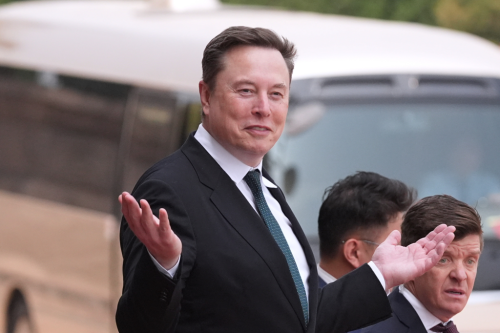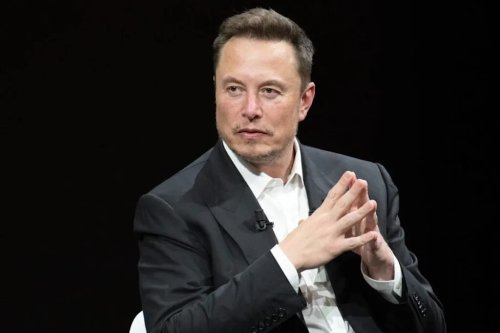



















Elon Musk’s Terafab project just locked up a massive new partner, just weeks after the new project was announced by Tesla, SpaceX, and xAI, the three companies that will be direct benefactors from it. In a landmark announcement on April 7, Intel joined Elon Musk’s Terafab project as a key partner alongside Tesla, SpaceX, and xAI. The collaboration focuses on refactoring silicon fabrication technology to deliver ultra-high-performance chips at unprecedented scale. Intel CEO Lip-Bu Tan hosted Musk at Intel facilities the prior weekend, underscoring the partnership’s momentum with a public handshake. Intel is proud to join the Terafab project with @SpaceX, @xAI, and @Tesla to help refactor silicon fab technology. Our ability to design, fabricate, and package ultra-high-performance chips at scale will help accelerate Terafab’s aim to produce 1 TW/year of compute to power… pic.twitter.com/2vUmXn0YhH — Intel (@intel) April 7, 2026 Terafab, first revealed by Musk in March, is a massive joint-venture semiconductor complex planned for the North Campus of Giga Texas in Austin. Valued at $20–25 billion, it aims to consolidate the entire chip-making pipeline, design, fabrication, memory production, and advanced packaging in a single location. It should eliminate a majority of Tesla’s dependence on third-party chip fab companies. The facility will manufacture two primary chip types: energy-efficient edge-inference processors optimized for Tesla’s Full Self-Driving (FSD) systems, Cybercab and Robotaxi, and Optimus humanoid robots, and high-power, radiation-hardened variants for SpaceX satellites and xAI’s orbital data centers. Elon Musk launches TERAFAB: The $25B Tesla-SpaceXAI chip factory that will rewire the AI industry The project’s audacious goal is to produce 1 terawatt (TW) of annual compute capacity, roughly 50 times current global AI chip output. Production is expected to begin modestly and scale rapidly, addressing Musk’s warning that chip supply could soon become the biggest constraint on Tesla, SpaceX, and xAI growth. By vertically integrating manufacturing tailored to their exact needs, Terafab eliminates supply-chain bottlenecks and accelerates iteration for AI training, inference at the edge, and space-based computing. Intel’s participation is strategically vital. The company will contribute expertise in advanced process technology, high-volume fabrication, and packaging to help Terafab achieve its aggressive targets. For Intel, the deal strengthens its foundry business and positions it as a critical U.S. player in the AI hardware race. For Musk’s ecosystem, it secures domestic, purpose-built silicon at a time when global capacity meets only a fraction of projected demand for hundreds of millions of robots and orbital AI infrastructure. This is the latest chapter in Intel-Tesla ties. In November 2025, Musk publicly stated at Tesla’s shareholder meeting that partnering with Intel on AI5 chips was “worth having discussions,” amid concerns about TSMC and Samsung capacity. Exploratory talks followed, with Intel eyeing custom-AI opportunities. The Terafab integration transforms those conversations into concrete collaboration. The Intel-Terafab alliance carries broader implications. It bolsters U.S. semiconductor sovereignty, drives innovation in cost- and power-efficient AI silicon, and supports Musk’s vision of exponential progress in autonomy, robotics, and space. As AI compute demand surges, this partnership could reshape the industry, delivering the silicon backbone for a new era of intelligent machines on Earth and beyond.