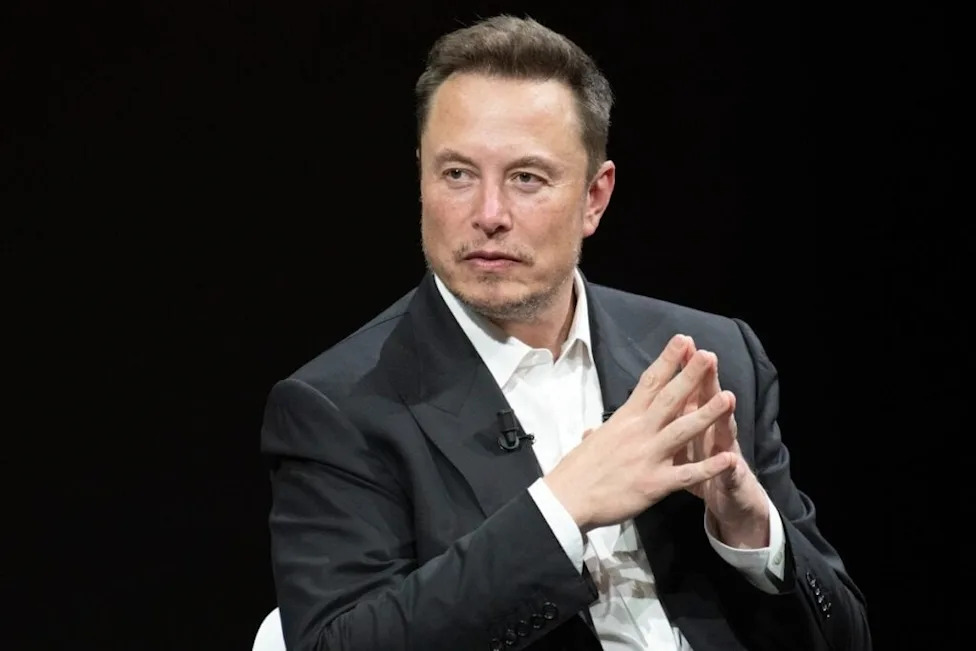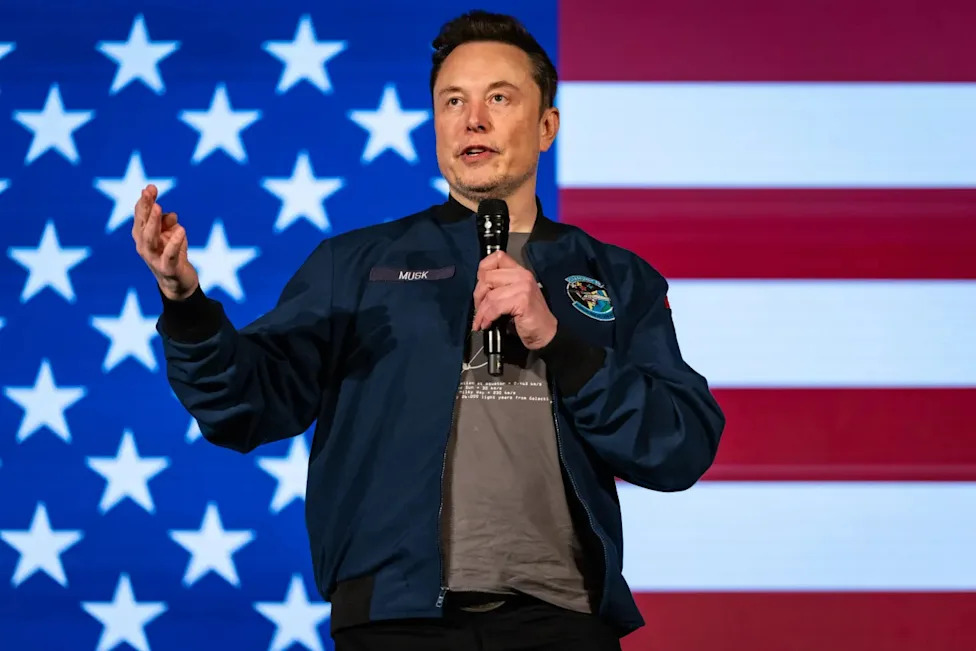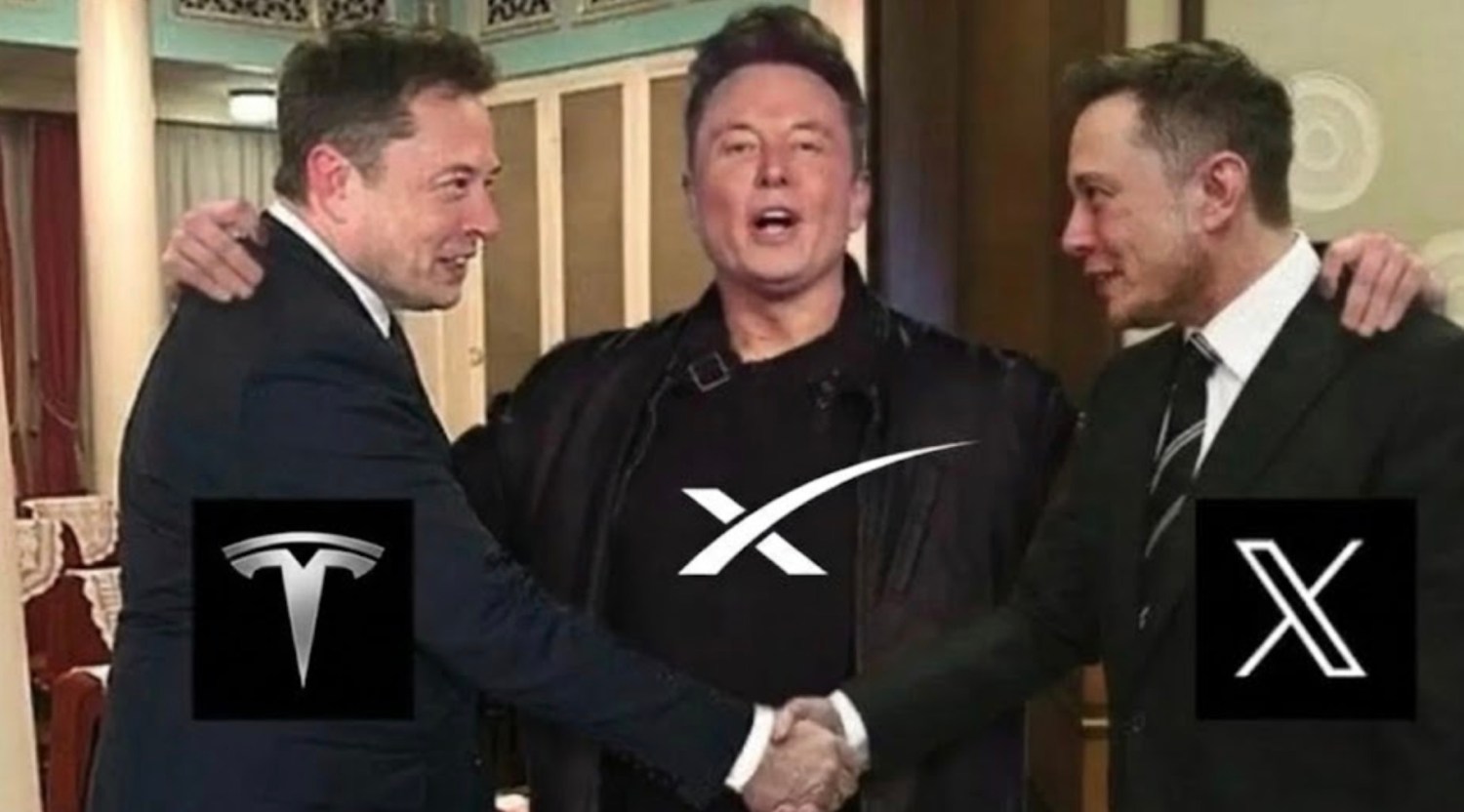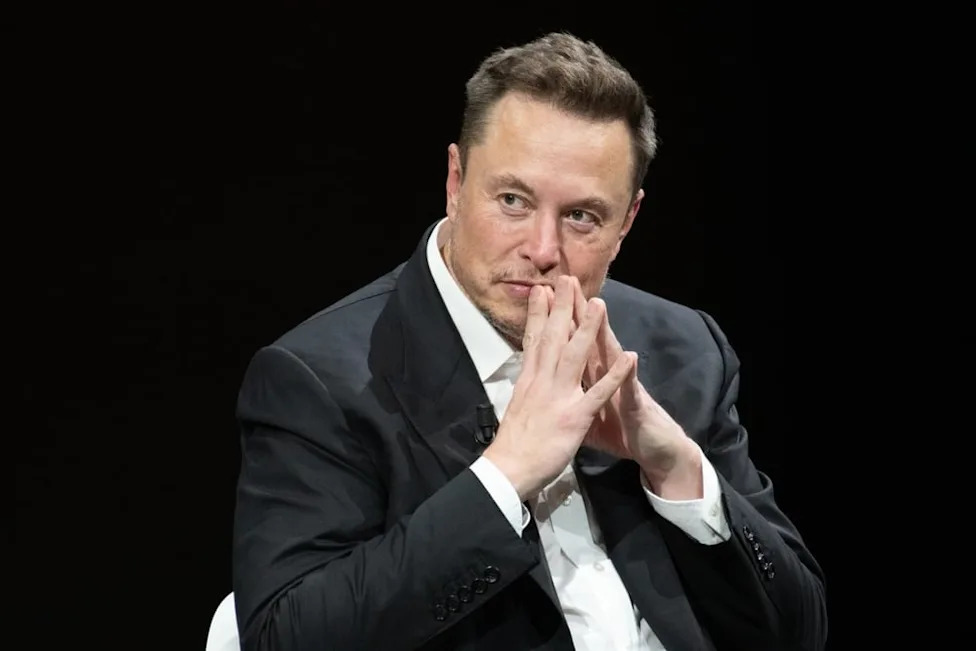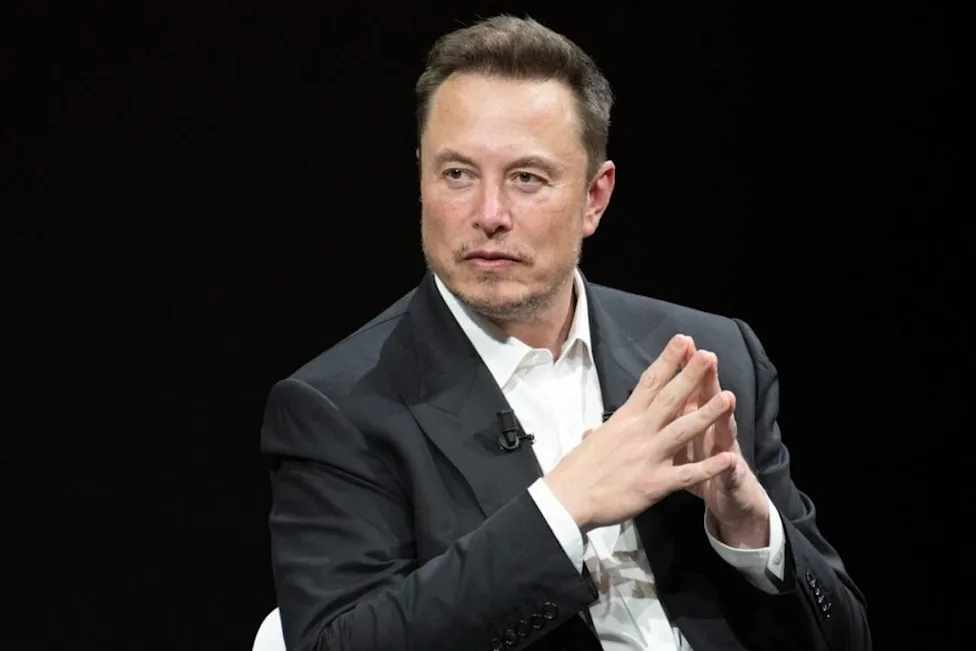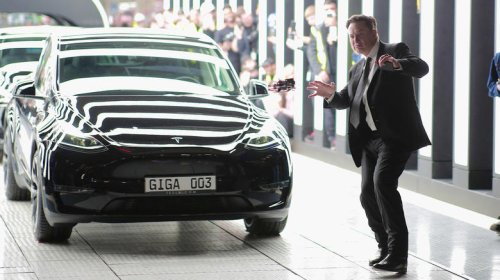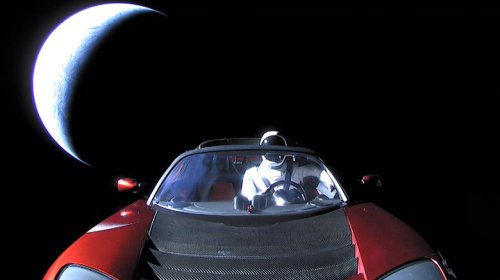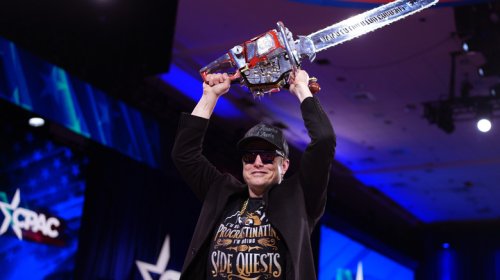















I was thinking the other day about how the tech bros — Musk, Thiel, Andreesen, Huang, Zuckerberg, Bezos, Altman, and so many others — are very good at acquiring wealth but very poor at sharing it. These acquisitive types revel in their riches, as if money somehow makes them superior to mere mortals. Farewell, Dolly Dolly Parton died on August 25, 2026. She was the fourth of twelve children born to an illiterate sharecropper who lived in a home in Tennessee without electricity or running water. She went on to become one of the most recognized female singers and songwriters in America. Her music brought her fame and fortune, but she never forgot her roots. “Find out who you are and do it on purpose. And do it with purpose,” she liked to say. “Don’t ever sacrifice who you are, your principles and your morals and your values to just try to get ahead in business. It ain’t worth it.” In 1980 she began her film career by starring with Jane Fonda and Lily Tomlin in 9 to 5, a comedy with a subtext about discrimination against women. In the film, three working women replace their sexist, domineering boss and implement programs their colleagues like, including equal pay, flexible hours, and an on-site daycare center, all of which result in dramatically improved office productivity. Parton wrote the theme song for that movie. At 9:25 pm on August 25, the top of the Empire State Building in New York City lit up pink as did the antennas of top of Chicago’s Willis Tower. So did the Ferris wheel at the Santa Monica Pier, which also sported a giant pink heart. The Hoan Bridge in Milwaukee; Reunion Tower, and other buildings in the Dallas skyline; and the Longfellow, Burns, Fore River, Braga, and Zakim bridges of Boston; Caesar’s Superdome in New Orleans; and, of course, Nashville’s KVB Bridge and historic Metro Courthouse were all lit up in pink last night. The Arthur Ashe Stadium played Jolene during the U.S. Open. In London, the Buckingham Palace band played 9 to 5. Her career brought her great wealth, which she used to better the lives of those around her, especially the children of Sevier County, Tennessee, where she was born. In 1990, her “buddy” program decreased the high school dropout rate in classes that participated from 35 to 6 percent. In 2016, her Dollywood Foundation created the My People Fund, which provided immediate financial assistance to families who had lost their homes in wildfires in Sevier County that November. It donated more than $12 million. In 2020, Parton donated $1 million to Vanderbilt University Medical Center to fund the research that prove mRNA vaccine technology worked. That research led to grants that enabled development of the Moderna mRNA vaccine against COVID-19 that saved millions of lives. She also helped encourage others to get vaccinated, taking her own shot on camera in a dress she had cut the shoulders out of so the doctor would have easier access. Beginning in February 2022, under the Grow U program, Parton provided free tuition, fees, and books to the 11,000 employees at any of the 25 amusement parks and attractions associated with Dollywood. The president of Dollywood said Parton is “very supportive of the employees learning and continuing to grow themselves.” That drive for growth and opportunity was behind Dolly Parton’s Imagination Library, which she founded in 1995 to put books into the hands of every young child in Sevier County. Her inspiration, she said, was her father, who was “the smartest man I have ever known but I know in my heart his inability to read probably kept him from fulfilling all his dreams.” The program has grown until it now serves children across the United States, Australia, Canada, Ireland, and the United Kingdom. In February 2018, Parton donated the 100 millionth book from her Imagination Library to the Library of Congress. It was a copy of her book Coat of Many Colors, dedicated to her father. By the time Parton died, her Imagination Library had delivered more than 332 million books to children around the world. “When I was growing up in the hills of East Tennessee, I knew my dreams would come true,” the Imagination Library website reads. “I know there are children in your community with their own dreams. They dream of becoming a doctor or an inventor or a minister. Who knows, maybe there is a little girl whose dream is to be a writer and singer. The seeds of these dreams are often found in books and the seeds you help plant in your community can grow across the world.” Elon Musk Dolly Parton and Elon Musk are poles apart. According to a report in 2024 for the New York Times by David Fahrenthold and Ryan Mac, the Musk Foundation was created with a tax deductible contribution of $7 billion, making it one of the largest in the US — large enough to make a global impact, they wrote. “But unlike Bill Gates, who has deployed his fortune in an effort to improve health care across Africa, or Walmart’s Walton family, which has spurred change in the American education system, Musk’s philanthropy has been haphazard and largely self-serving — making him eligible for enormous tax breaks and helping his businesses,” they reported. The donation to the Musk Foundation saved Elon $2 billion in federal taxes. Federal law requires that such foundations distribute at least 5 percent of its assets each year in order to maintain its tax exempt status. The Musk Foundation has failed to do so on several occasions. According to the foundation’s tax filings, Musk has not hired any staff to run the operation. Its billions are handled by a board that consists of Elon and two volunteers, one of whom reports putting in so little time that it averages out to just six minutes a week. In 2022, the last year for which records are available, they gave away $160 million — $234 million less than the law required Musk is under no obligation to have a charity, of course, and has made it clear he believes his for-profit enterprises will change the world for the better far more than any philanthropic venture could. But once he set up a nonprofit and filled it with tax-deductible gifts, he was required by law to ensure that his foundation served the public, and that it did not operate for the “private benefit” of its leader. The New York Times article claimed that about half of the donations the foundation did make had some link to Musk, one of his employees, or one of his businesses. In other words, he is getting a charitable deduction from the people of America for looking out for his own self interest. The Musk Foundation gave $5 million to a United Nations program called Giga that helps rural nations connect to the internet. It turns out that two of those countries — Rwanda and Kazakhstan — subsequently became customers of Starlink, the satellite service that is a subsidiary of SpaceX, which is controlled Musk. Among the donations the Musk Foundation has made, $55 million want to help a major SpaceX customer meet a charitable pledge. Millions more went to Cameron County, Texas, after a rocket blew up and scattered debris across the county. There were donations to two schools closely tied to Musk’s businesses — one walled off inside a SpaceX compound and the other located next to a new subdivision for Musk’s employees. “The really striking thing about Musk is the disjuncture between his outsized public persona, and his very, very minimal philanthropic presence,” said Benjamin Soskis, who studies philanthropy at the Urban Institute. Where other billionaires have aimed for a broad impact on society, he said Musk’s foundation lacks “any direction or any real focus, outside his business ventures.” And yet ii is tax exempt. Not only that, Musk excoriates people like Mackenzie Scott, the former spouse of Jeff Bezos, who has stunned the philanthropic community by giving away billions since she divorced her philandering husband. This year, Musk agreed with a post on X, his privately owned social cesspool, that claimed Scott’s largess was making the world worse off. According to Forbes, after he secured his $1 trillion pay package from Tesla in late 2025, he said philanthropy is difficult. “I agree with love of humanity, and I think we should try to do things that help our fellow human beings,” he told Nikhil Kamath for the WTF podcast in an episode published in December 2025. “But it’s very hard. The biggest challenge I find with my foundation is trying to give money away in a way that is truly beneficial to people, It’s very easy to give money away to get the appearance of goodness. It is very difficult to give money away for the reality of goodness. Very difficult.” Poor Elon. His love of humanity can best be illustrated by how he brags that he and his coterie of techies fed USAID “into the wood chipper” one morning as part of the DOGE conspiracy to dismantle the federal government. Since early 2025, the loss of USAID funding has led to an estimated 700,000 deaths, NPR reported on July 17. By 2030, researchers estimate as many as 14 million people could die, including 4.5 million children under age 5, according to a July 2025 study in The Lancet. Call it reverse philanthropy, if you will. Rather than making the world a better place for thousands or millions of children born into poverty, Elon is trying to “reduce the surplus population,” thereby saving misspent tax dollars while he leverages the tax system to his own advantage by causing his foundation to fund a private school for just 14 people — 5 of whom are his own children. Say what you will about the talented Mr. Musk, the fact that he may be one of the greatest monsters ever to live while at the same time being the wealthiest person ever in human history should lead us to reconsider whether capitalism is all it is cracked up to be. Perhaps our definition of what constitutes a sense of humanity needs some adjustment? RIP, Dolly. When you get to heaven, perhaps you could ask the powers that be to provide Elon Musk and his tech bro confreres with an extra dose of humanity? Ketamine doesn’t seem to be getting the job done.