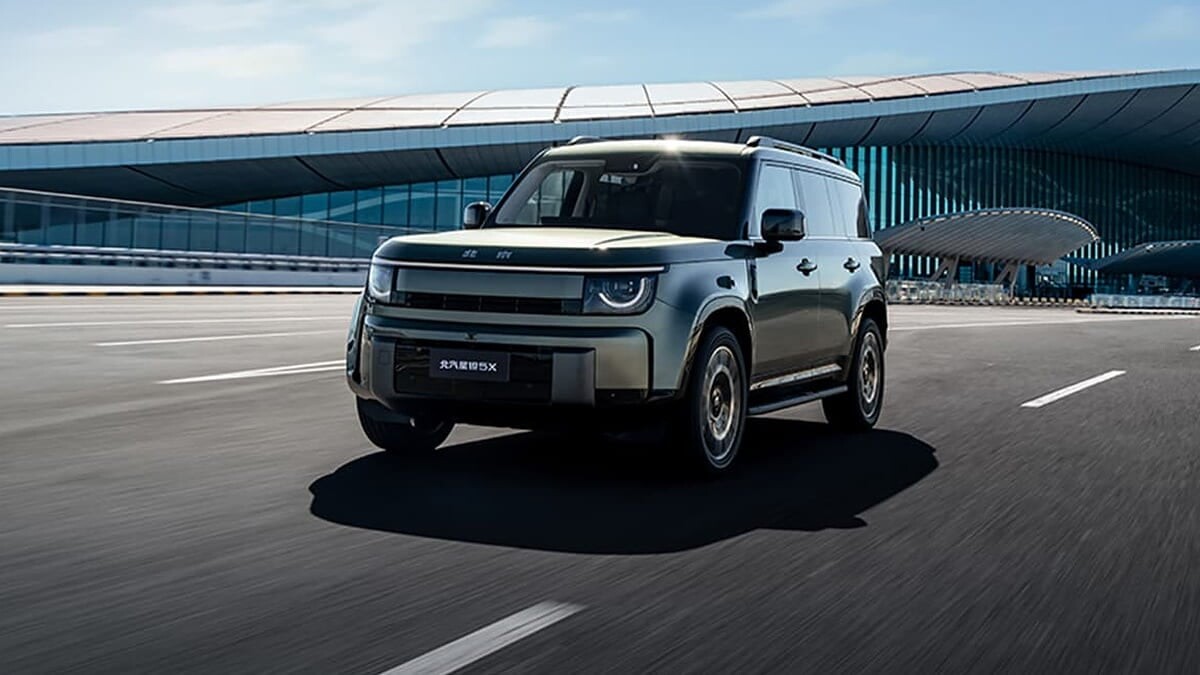
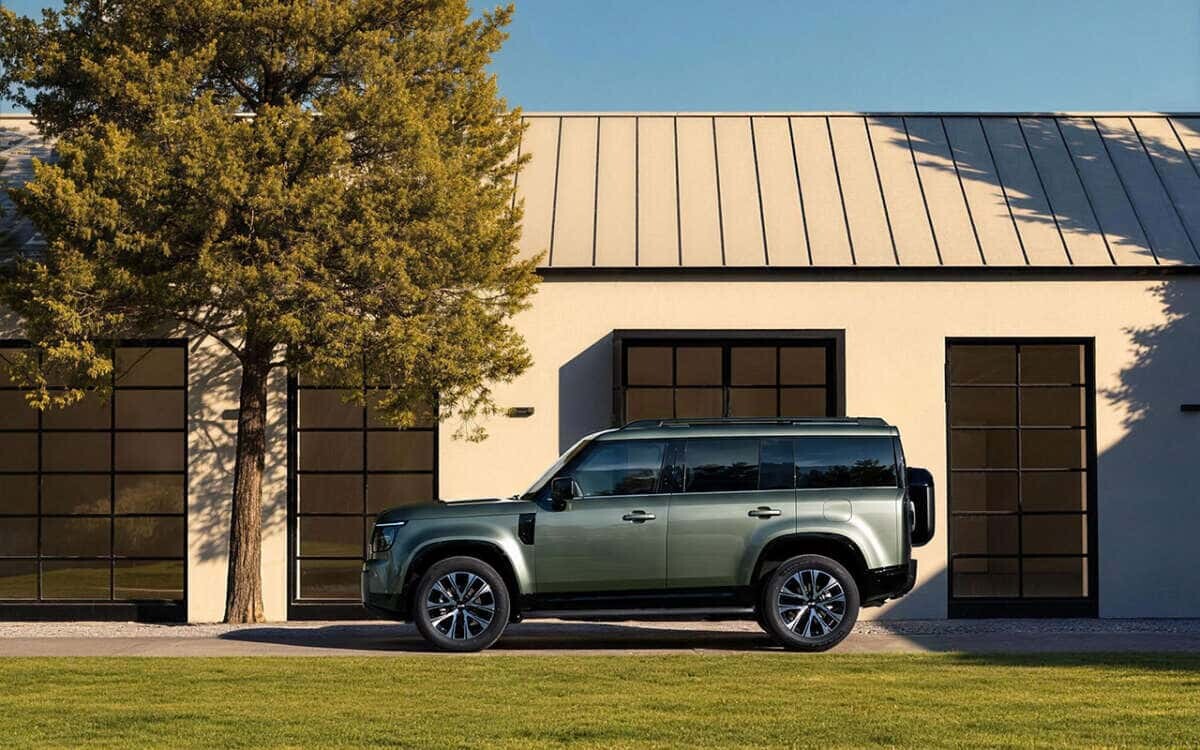
Chinese luxury brands that have taken market share from BMW, Mercedes-Benz and Audi in China are bringing the fight to Europe. Analysts say it will be much harder than it has been for Chinese volume brands.
Challengers have long struggled to persuade European premium-car buyers to switch to newcomer brands, a fact recognized by Chinese executives.
“It will be very tough, but in China we did a very good job, which means we have a good product,” said Li Auto’s head of international business, Nestor Wu.
Li Auto, along with Aito, Geely’s Zeekr, BYD’s Denza and Changan-owned Avatr, used the Paris auto show to highlight their lineups to potential European buyers.
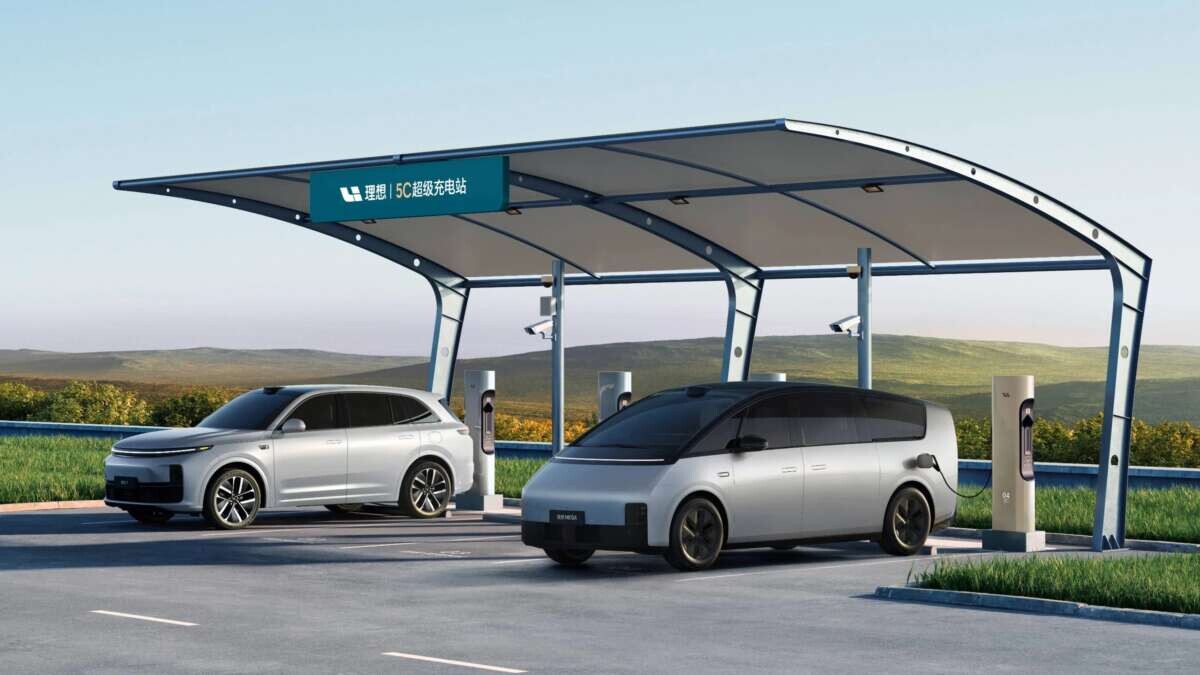
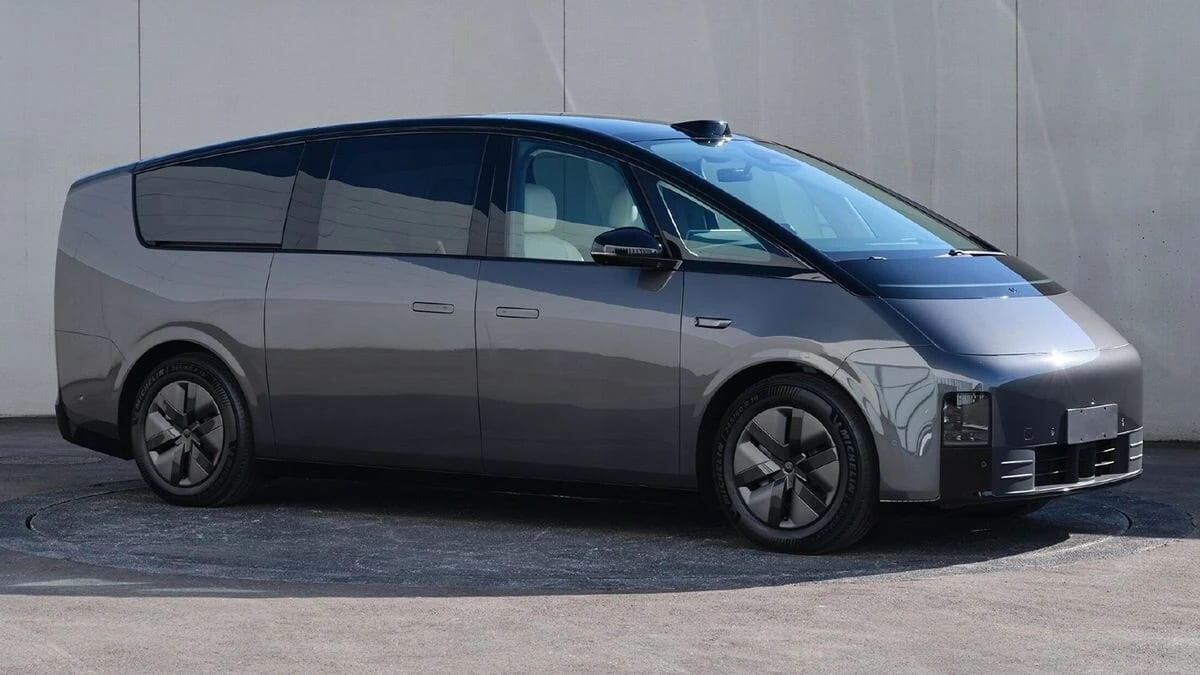
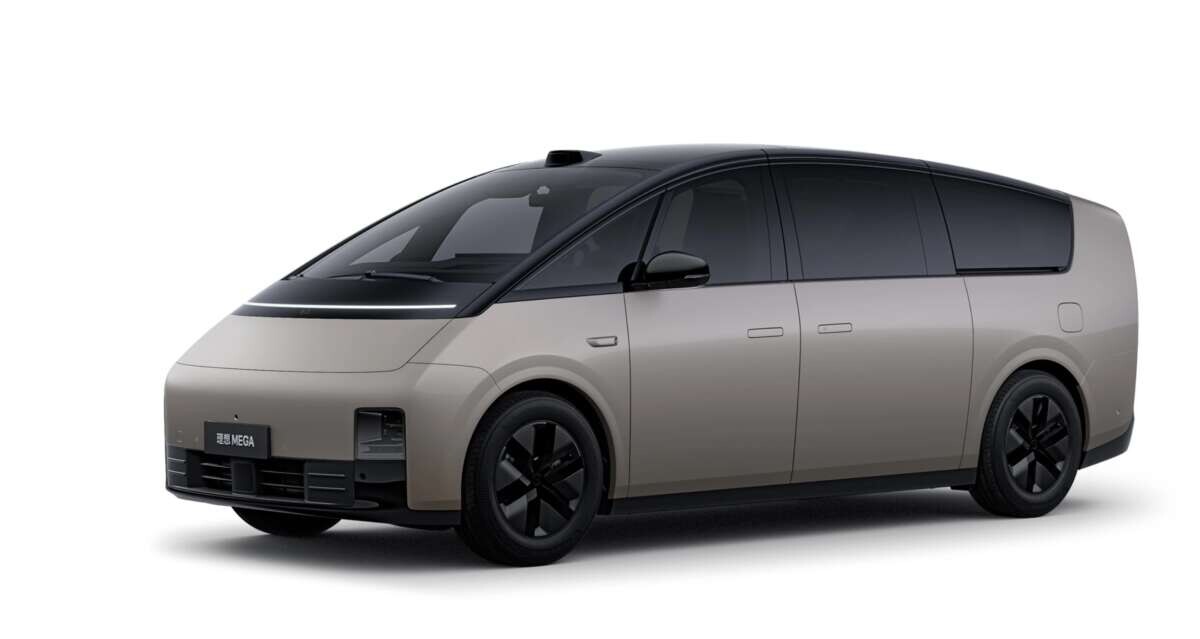
Li Auto gave its i6 electric SUV a European debut in Paris ahead of its launch in Europe in the first quarter of 2027 as a rival to the BMW iX3 and Mercedes GLC. After the i6 goes on sale, the brand plans to launch one model a year in Europe, offering full-electric and extended-range electric drivetrains.
Li Auto exemplifies the rapid rise of homegrown premium brands in China.
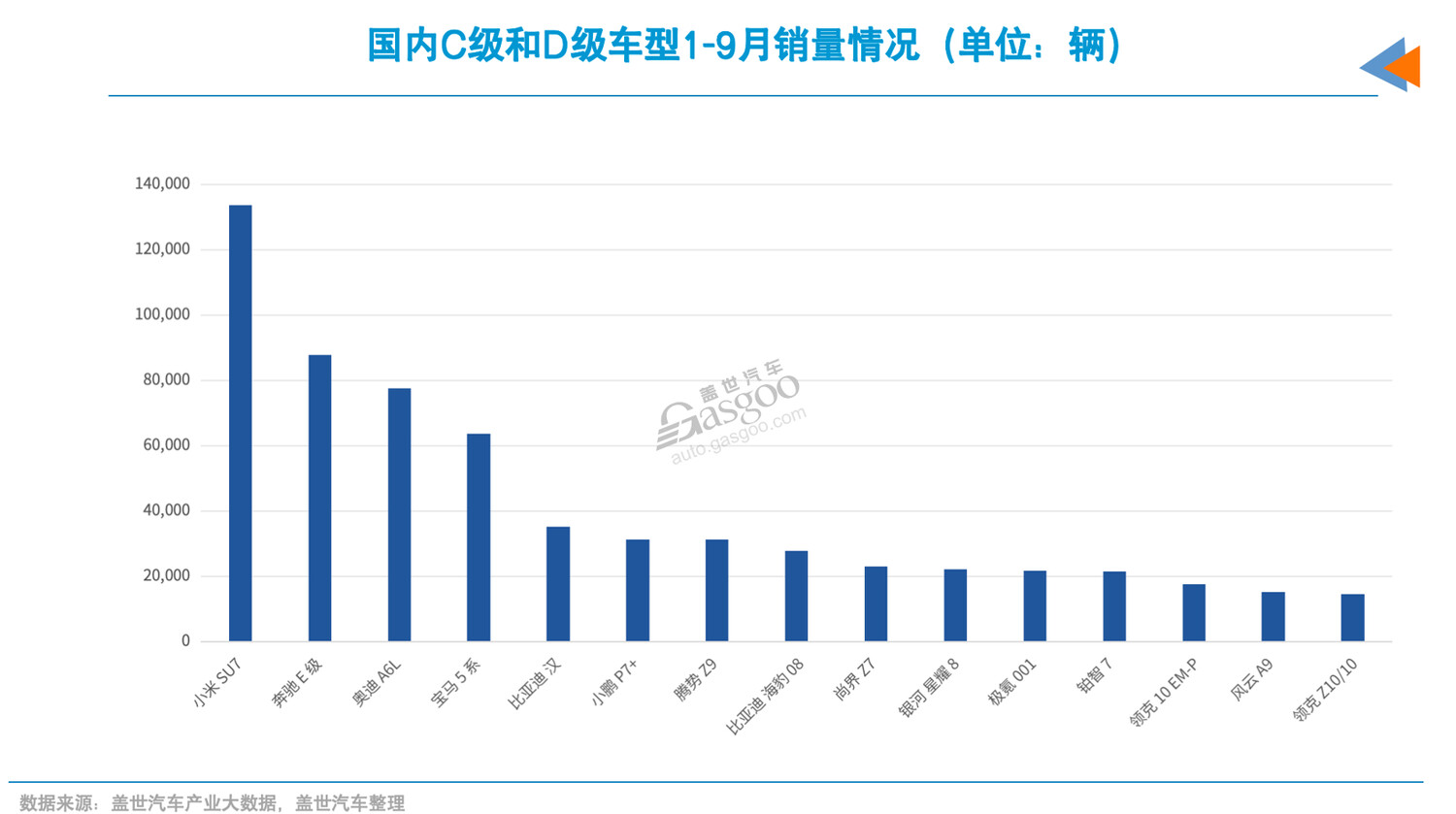
The automaker sold 263,116 vehicles in China through August, according to market researcher Dataforce, just behind Mercedes, making it China’s biggest local premium brand. The i6 was China’s fourth best-selling car overall in the same period, with 152,609 sales, Dataforce figures show.
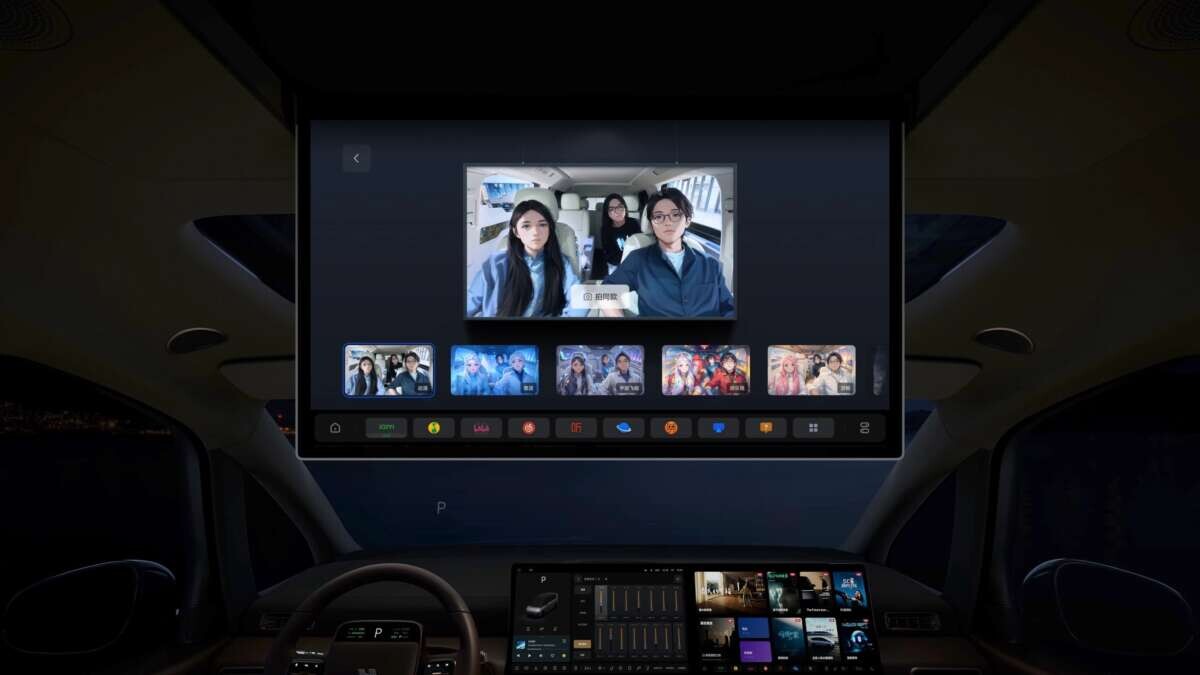
Li Auto hopes that the i6’s long range and equipment that includes air suspension and a drop-down rear screen will attract buyers from German premium rivals. The EV has a 96-kilowatt-hour battery and a WLTP range of 640 km (397 miles).
Aito says ‘intelligent luxury’ gives an edge
Aito, part of the Seres Group, is another brand confident it can crack Europe.
“In China three or four years ago, the German brands took 75 percent of the premium market. Now it’s down to around 50 percent,” Seres Group Chief Brand Officer Clifford Kang said at the Paris show.
Aito’s average transaction price in China is now above that of the German premium brands as buyers pivot toward electrified drivetrains, said Kang, who joined Seres in 2022 after 12 years working for BMW.
Aito plans to launch in Europe in autumn 2027, offering large and midsize SUVs with full-electric and range-extended electric powertrains.
The automaker hopes its “intelligent luxury” positioning will succeed in Europe as it has in China. It plans to target European premium customers by combining software-enabled features such as semi-autonomous driving with traditional premium attributes including high-quality interiors.
The centerpiece of Aito’s Paris stand was the M9 SUV, which will rival the BMW X7 and Mercedes GLS. The M6, a BMW iX3 competitor, was also on display. The brand’s smallest model is the M5, which Kang described as similar in size to the Porsche Macan.
Zeekr prices 9X above BMW, Mercedes rivals
Zeekr has opened orders in Europe for its 9X large plug-in hybrid SUV, which is priced higher than rival models from BMW and Mercedes. The 9X starts at €119,500 in Germany, while the X7 starts at €106,500 and the GLS starts at €102,700.
Zeekr said its technology justifies the higher price. “Our perspective is very clear: We offer a higher value proposition,” Zeekr’s European CEO Lothar Schupet said. “We are offering more performance, more craftsmanship and more technology. That is where the traditional [brands] face the biggest challenge.”
Sales of Zeekr’s current four-model lineup in Europe rose 215 percent from a small base to 9,622 through September, according to Dataforce.
More Chinese premium brands are coming
Other Chinese premium newcomers to Europe include:
- Xiaomi, China’s fifth-biggest premium brand, which has signed up eight dealer groups in Germany as it prepares to launch in 2027.
- Dongfeng’s Voyah, which will build electrified vehicles at Stellantis’ plant in Rennes, France, starting in 2028.
- Chery Auto, which said last year that it planned to bring its Exeed premium range to Europe under the Exlantix name.
- Denza has launched sales in Europe with models including the Z9 GT, BYD’s first model in Europe to offer the automaker’s flash charging. BYD plans eight Denza models in Europe by the end of 2027.
- Avatr plans sales in Europe in 2027, starting with the 07L large electric SUV and the 06T electric sedan.
Europe’s premium brands are raising their game
For now, Europe’s established premium brands retain significant advantages over the Chinese newcomers, analysts say.
BMW, Audi and Mercedes together account for about three-quarters of Europe’s premium market, while even established challengers such as Lexus, Alfa Romeo and Maserati struggle for share.
“History has shown it is very difficult for premium newcomers,” said Andrew Bergbaum, global leader for automotive at consultancy AlixPartners.
“The premium brands remain a status symbol,” Bergbaum said. “You could easily buy a car that will get you from A to B for half the price of a traditional German brand. To pay more, the consumer has to believe that you have a premium brand proposition, which is more than just metal. It’s the history, the service level, it’s all the things that go around it.”
Buyers may appreciate the additional technology offered by Chinese brands, but models such as the BMW iX3 show that European automakers can respond to China’s technology race.
“All the tech does is raise the waterline. They have to keep raising their game,” Bergbaum said. “The speed in which things are becoming standard [on German premiums], especially from a tech side, is unbelievable.”
Chinese take long-term approach
China’s premium automakers acknowledge the strength of their European rivals and say they are prepared to take a long-term approach.
Li Auto’s Wu said the brand expects it will take five to 10 years to establish itself in Europe. The company is targeting mature EV markets in wealthier northern European countries initially, including Norway and the Netherlands, where customers are more receptive to new brands.
Sino Auto Insights founder Tu Le said Chinese premium brands have competitive offerings. “They just need to find the right pricing, create more awareness and build trust in the brand,” he said.
The new arrivals have previous Chinese expansion efforts to learn from. “You can see BYD with Denza and Geely via Zeekr learning from Nio’s mistakes,” Le said.
Newcomers including Li Auto, Aito and Xiaomi are partnering with established dealer groups rather than attempting to build their own retail networks from scratch like Nio. They are also prioritizing fast charging for their EVs rather than Nio’s battery-swapping model, which was innovative but has proved difficult to sell to conservative premium buyers.
Fleet leasing model helps German brands
Nio was among the first Chinese automakers to challenge Europe’s premium brands, but its battery-swapping electric SUVs have struggled. The automaker sold 575 vehicles in Europe during the first eight months of the year.
Patrick Hummel, lead autos analyst at UBS, said one of the biggest barriers Chinese newcomers face is financial rather than technological. “What protects the premiums in Europe is the fleet leasing model,” Hummel told journalists in September. About 70 percent of Europe’s premium-car market is corporate leasing, he said.
“In that segment, the Chinese just don’t have really attractive deals for their potential customers,” Hummel said.
BYD has recognized the problem and may accelerate plans for some form of captive-finance business for Denza next year, Alfredo Altavilla, BYD’s special adviser for Europe, said during the Paris show.
Hummel said the strongest challengers are likely to come from Chinese groups with the financial resources and patience needed to build their brands over many years.
“The likes of Geely and BYD are definitely willing to make a proper investment, and they have the financial firepower to plan for the long term,” Hummel said. “I’m not saying that segment is impossible to crack. It isn’t. But it takes time and it really takes a big effort on the leasing front.”