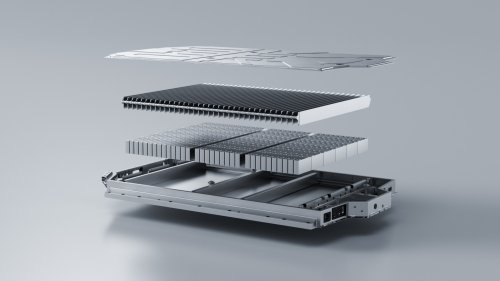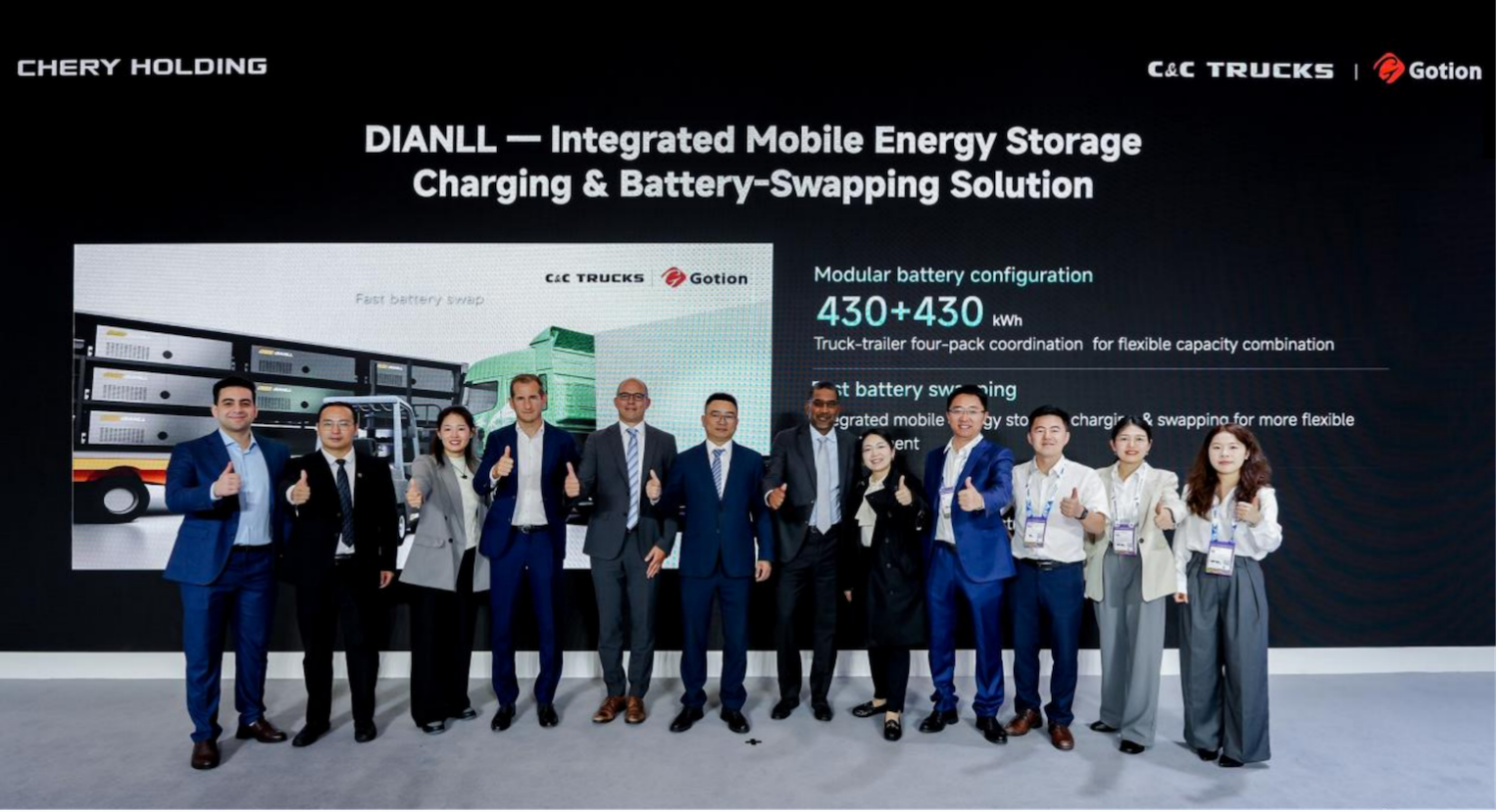



















Photo Credit: iStockInterest is building around a YouTube video that argued sodium-ion batteries may be at a turning point.The central claim is that they might no longer fit the familiar role of a low-cost but low-performance alternative.If the hypothesis bears out in real-world deployment, the technology could lower EV prices, improve batteries' cold-weather performance, and make home and grid battery storage more durable.What happened?Volkswagen already has a major stake in the company behind the announcement.AdvertisementAdvertisementIn the video by The Electric Viking (@electricviking), Sam Evans said VW owns 30% of Chinese battery maker Gotion High-Tech.Evans also said Gotion has introduced a sodium-ion battery with an energy density of 261 watt-hours per kilogram, which he described as higher than those of lithium iron phosphate batteries and roughly comparable to that of Tesla's 4680 cells.Evans said Gotion presented three sodium-ion batteries for different uses: one for electric cars and drones, one for commercial vehicles, and one for energy storage.He described the announcement as "probably the biggest news of 2026" and said, "Sodium-ion batteries have a higher energy density, significantly higher, than lithium-ion phosphate."AdvertisementAdvertisementHe also highlighted Gotion's claim that the storage version can deliver 20,000 cycles while retaining 80% of its capacity at minus-40 degrees Celsius (minus-40 degrees Fahrenheit), a combination that could make it especially useful in very cold places.Why does it matter?If sodium-ion batteries can be produced at scale with this level of performance, they could significantly affect everyday costs.Sodium is generally more abundant and less geopolitically fraught than materials such as lithium, nickel, and cobalt, meaning a cheaper battery chemistry could translate into more affordable electric cars, lower-cost backup power systems, and less expensive renewable energy storage for utilities and businesses.Longer-lasting storage batteries can help neighborhoods and cities better withstand blackouts, extreme weather, and periods of peak electricity demand.AdvertisementAdvertisementCold-weather reliability is another major factor, especially for bus fleets, delivery vehicles, and drivers in regions seeking EVs that perform consistently in winter.For households, a tougher, longer-lived home battery could make solar setups more practical over time by extending the value of every installed system.What are people saying?The comments reflected both excitement and caution.One user wrote, "20,000 cycles is 54 years of daily discharge/recharge. Pretty hot.""If true, this is by far the best news in last 10 years in renewables," another said.A third person added: "This is new technology, so it will get much, much better. If there is no rare resources in production, this will change the world. Fingers crossed."AdvertisementAdvertisementGet TCD's free newsletters for easy tips, smart advice, and a chance to earn $5,000 toward home upgrades. To see more stories like this one, change your Google preferences here.