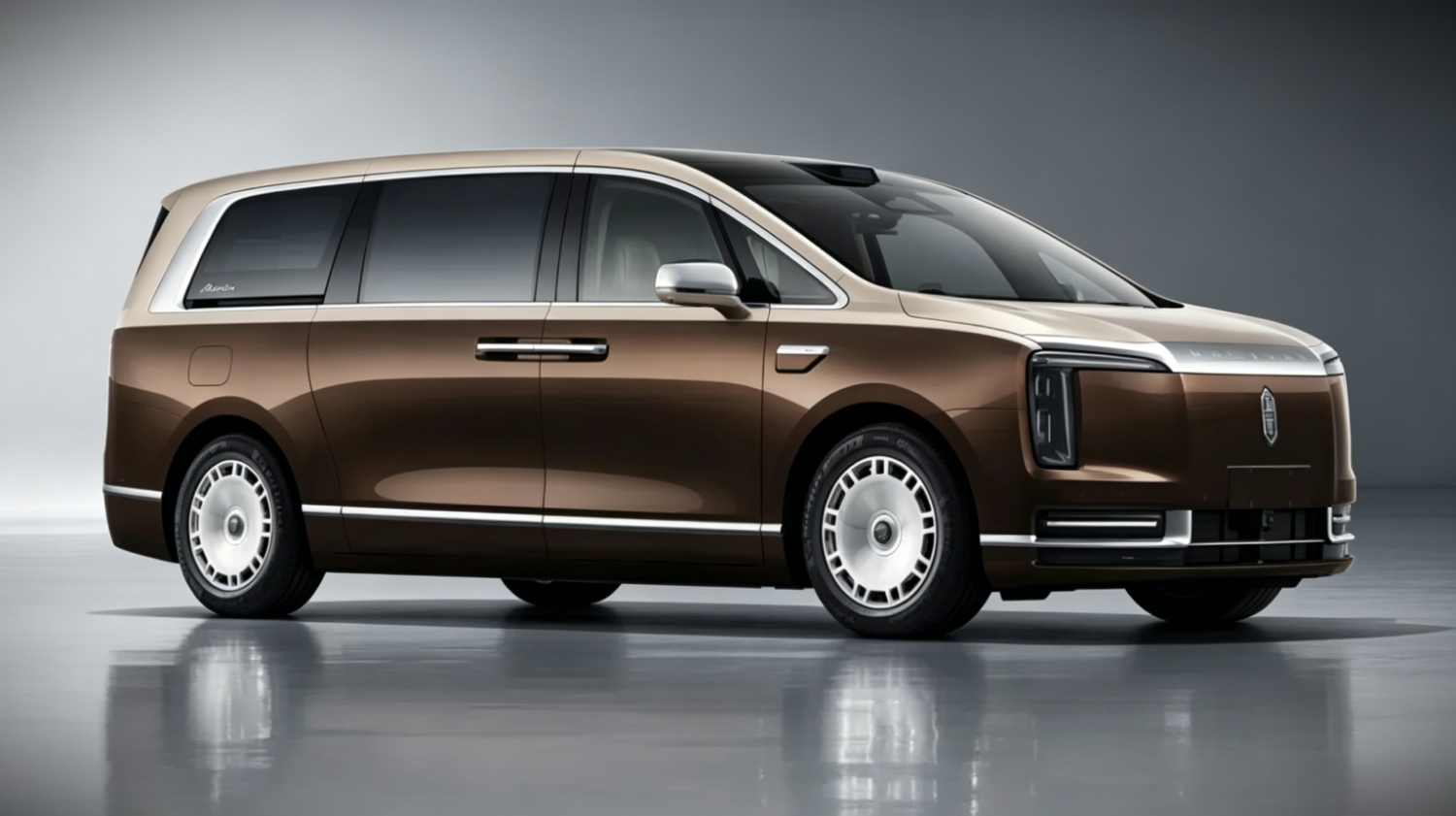
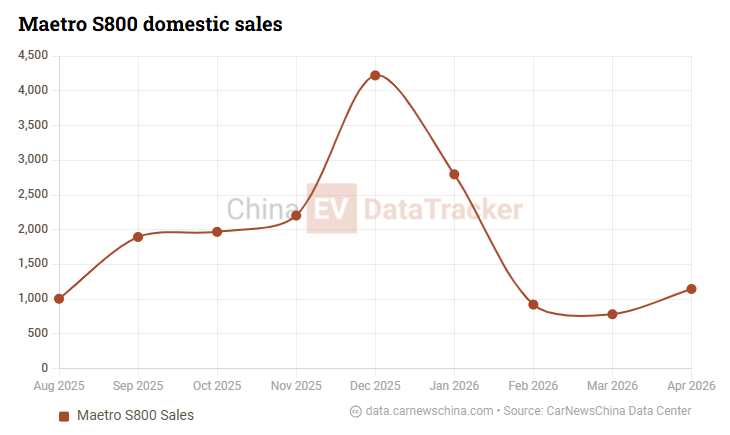
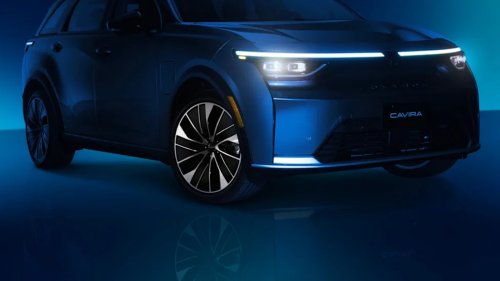
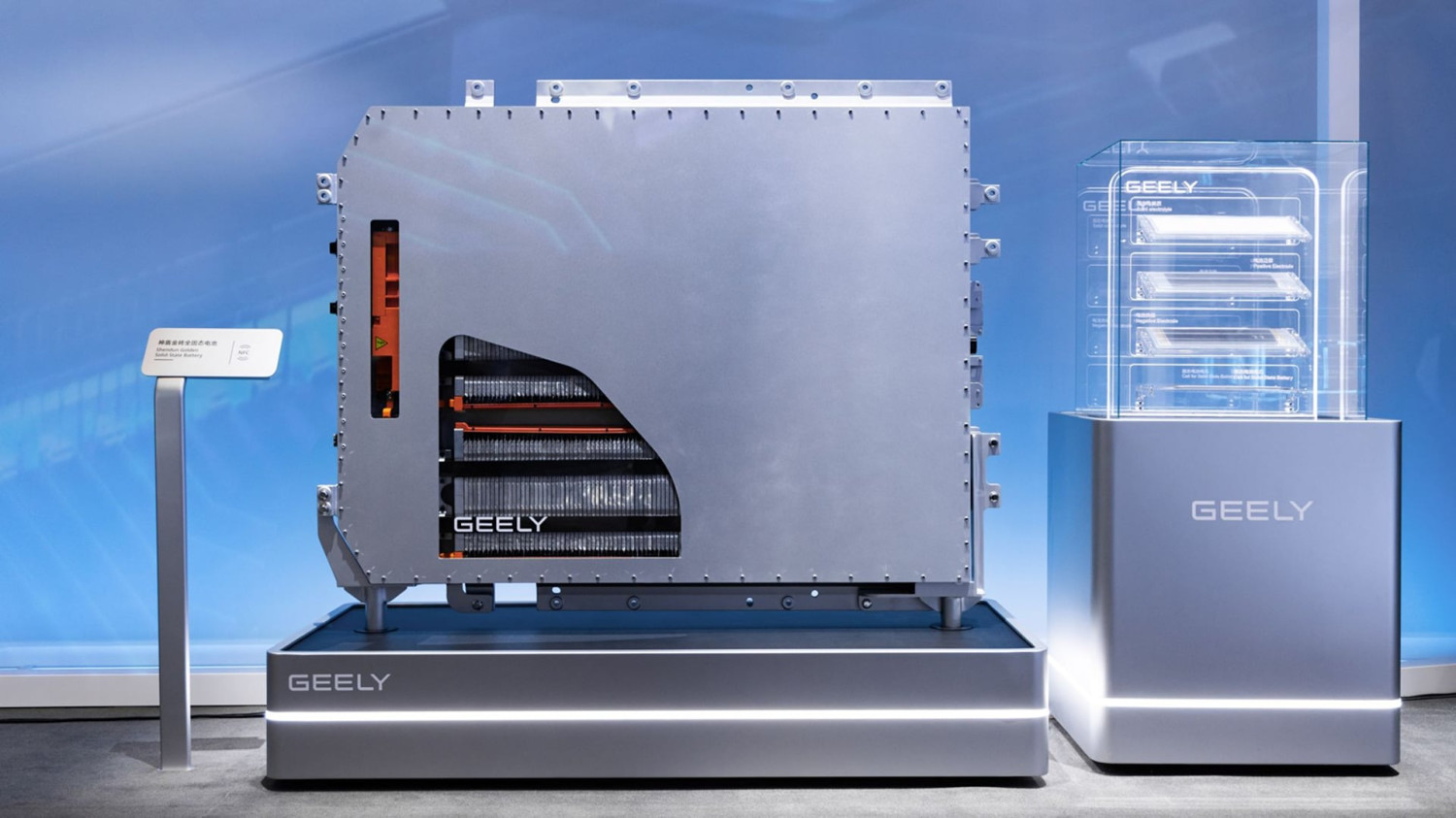
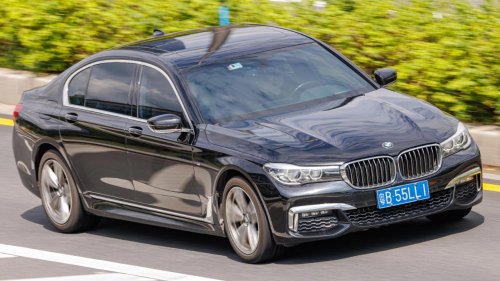
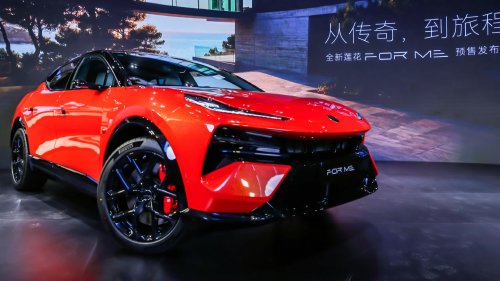
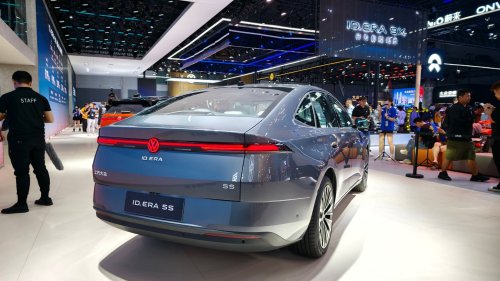
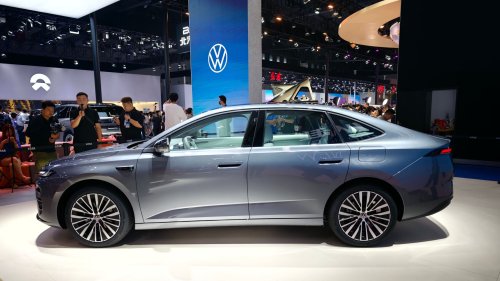
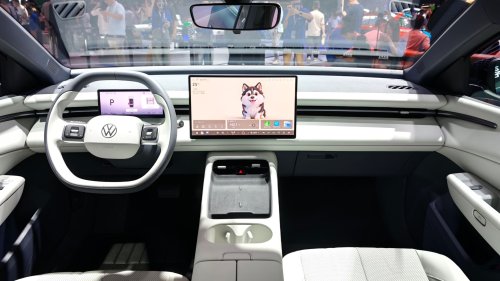
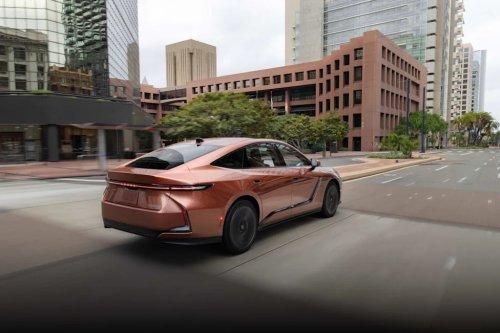
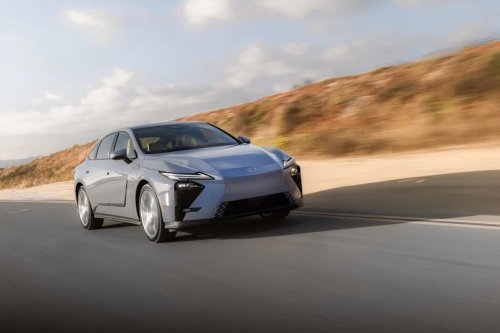
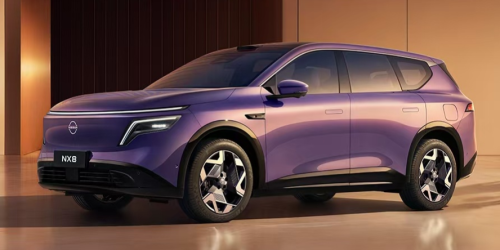
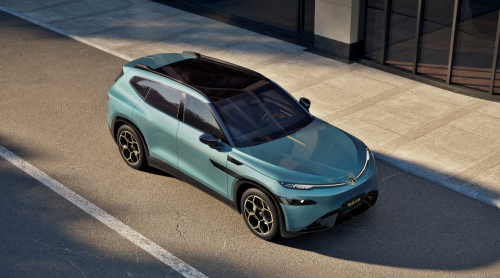
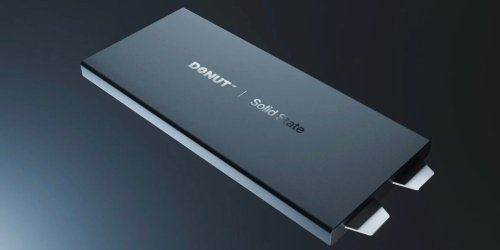
Large battery packs have become a major contributor to EV weight growth. Credit: MIIT Understand China EV’s Market Real-time notifications when critical EV data is released All important data in one place 2,000,000+ data points Become a member China’s passenger vehicles are becoming significantly heavier, with average new-car curb weight rising from 1,312 kg in 2012 to 1,704 kg in 2024, an increase of 392 kg over 12 years. Data cited by state broadcaster CCTV show the pace of weight growth has accelerated, with gains recorded between 2020 and 2024 exceeding those accumulated during the previous eight-year period, according to Sina. EV batteries become the largest contributor Industry experts attribute most of the increase to China’s rapid transition toward electrification. According to Pan Helin, current lithium iron phosphate (LFP) and ternary lithium batteries are constrained by energy density limitations. To extend driving range, manufacturers frequently install larger battery packs, adding substantial mass to vehicles. Mainstream family-oriented NEVs now commonly carry battery packs weighing between 500 kg and 650 kg, while long-range variants can reach 700 kg to 800 kg. Electric motors, power electronics, and reinforced battery protection structures further increase total vehicle weight. Consumer demand has also shifted toward larger vehicles. Full-size SUVs, luxury MPVs, and flagship “9-series” models have become increasingly popular, encouraging manufacturers to expand vehicle dimensions and add comfort features. Premium EVs illustrate the trend Recent launches demonstrate how vehicle weight has climbed across China’s premium segment. The recently revealed Maextro V800 measures 5.5 meters long and has a curb weight of approximately 3.2 tonnes, with a gross vehicle weight of 3.8 tonnes. The vehicle is positioned as Huawei and JAC’s flagship luxury MPV. China EV DataTracker data indicate that larger vehicle formats continue to find buyers in China’s premium segment. Maextro delivered 1,147 vehicles (S800) in April 2026, a 46.5% month-on-month increase, following 783 units in March and 922 units in February. The brand reached a monthly high of 4,223 deliveries in December 2025, demonstrating sustained demand for large flagship vehicles even as curb weights exceeded 3 tonnes in some cases. Battery technology improvements aim to address the issue. In April, CATL unveiled its third-generation Qilin battery and a condensed matter battery with an energy density of 350 Wh/kg. Higher energy density allows manufacturers to achieve similar range targets with lower battery mass, reducing pressure on overall vehicle weight. Maextro S800 sales in China. Credit China EV DataTracker Weight creates efficiency and infrastructure challenges Experts describe vehicle weight as a trade-off rather than a purely negative metric. Larger batteries, stronger body structures, advanced safety systems, and sophisticated driver-assistance hardware improve range, comfort, and occupant protection. However, heavier vehicles also increase energy consumption, accelerate tyre and brake wear, and can negatively affect handling dynamics. Industry estimates cited by CCTV suggest that reducing vehicle mass by 100 kg can lower electricity consumption by roughly 7.5% per 100 km. Additional concerns include greater demand for battery materials, higher manufacturing emissions, and increased road wear from heavier vehicles. Regulators push for lighter vehicles Chinese regulators have already begun responding through efficiency-focused standards. The national standard “Limits of Energy Consumption for Electric Vehicles Part 1: Passenger Cars” took effect on January 1, 2026, introducing stricter energy-consumption requirements. Meanwhile, purchase-tax incentive rules scheduled for 2026 require battery-electric vehicles weighing more than 2,710 kg to achieve CLTC electricity consumption below 19.1 kWh per 100 km to qualify for reduced taxation. Automakers are increasingly investing in lightweight materials, semi-solid-state batteries, and higher-energy-density battery chemistries as the industry seeks to balance vehicle size, range, safety, and efficiency. As battery technology advances, reducing weight may become as important as extending range in the next phase of China’s EV development.