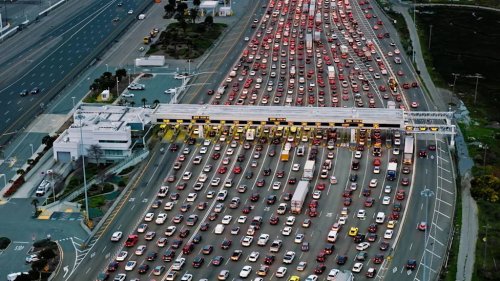
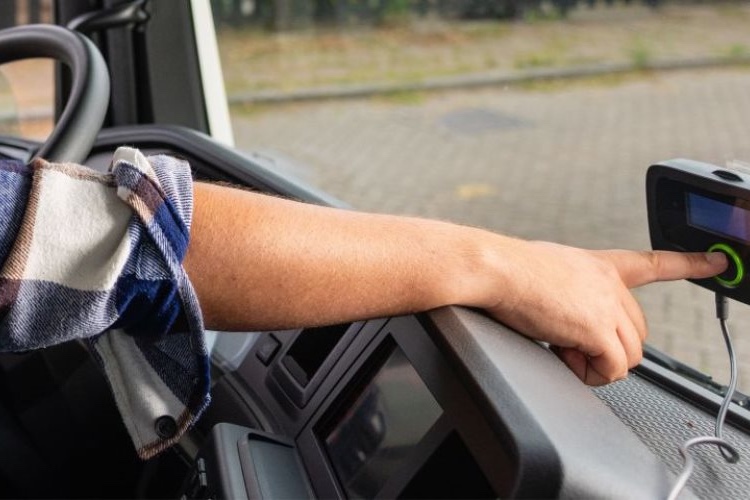
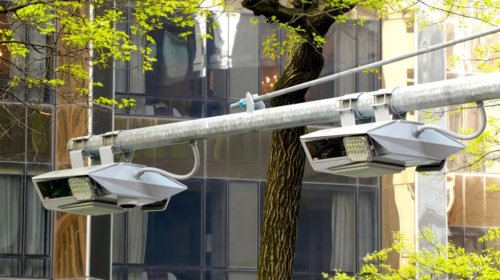
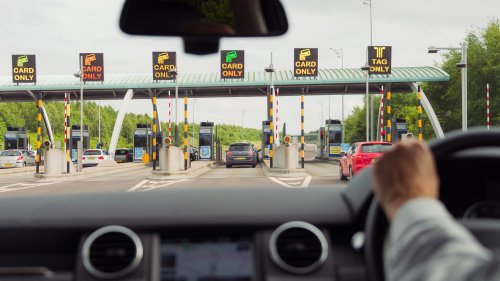
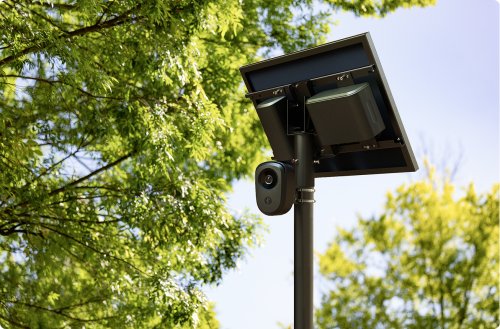
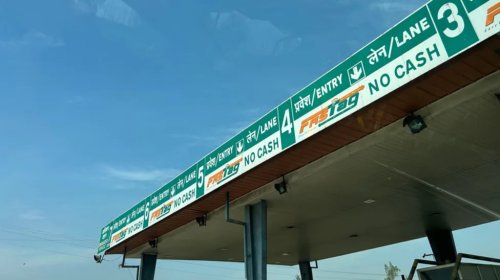
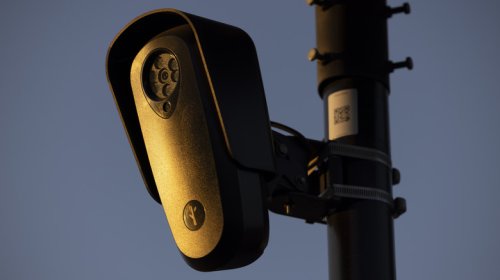
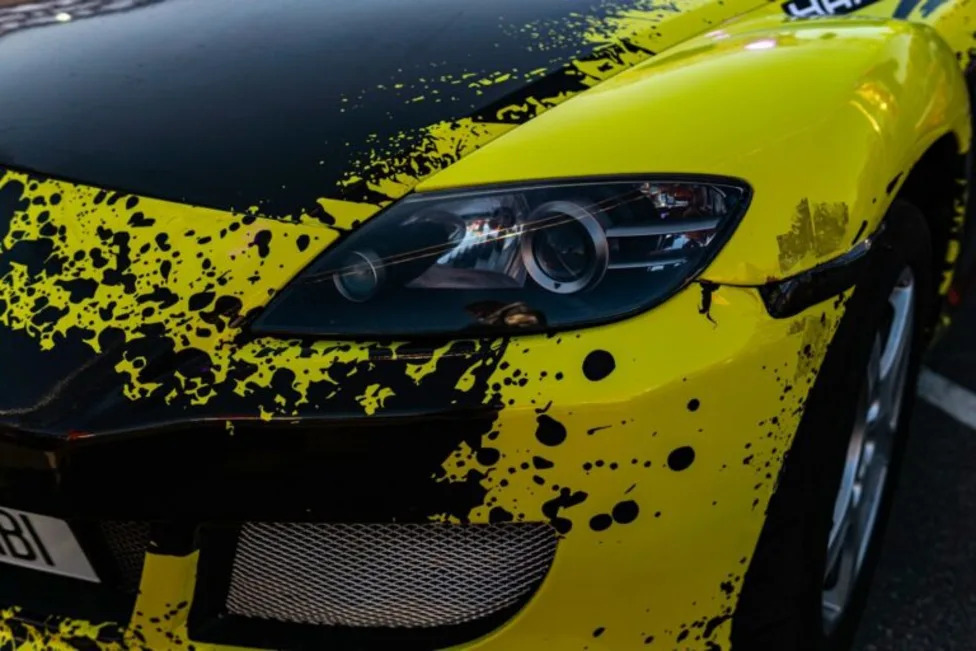
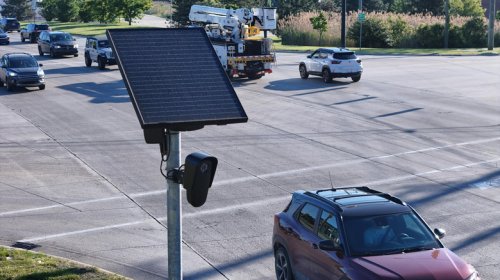
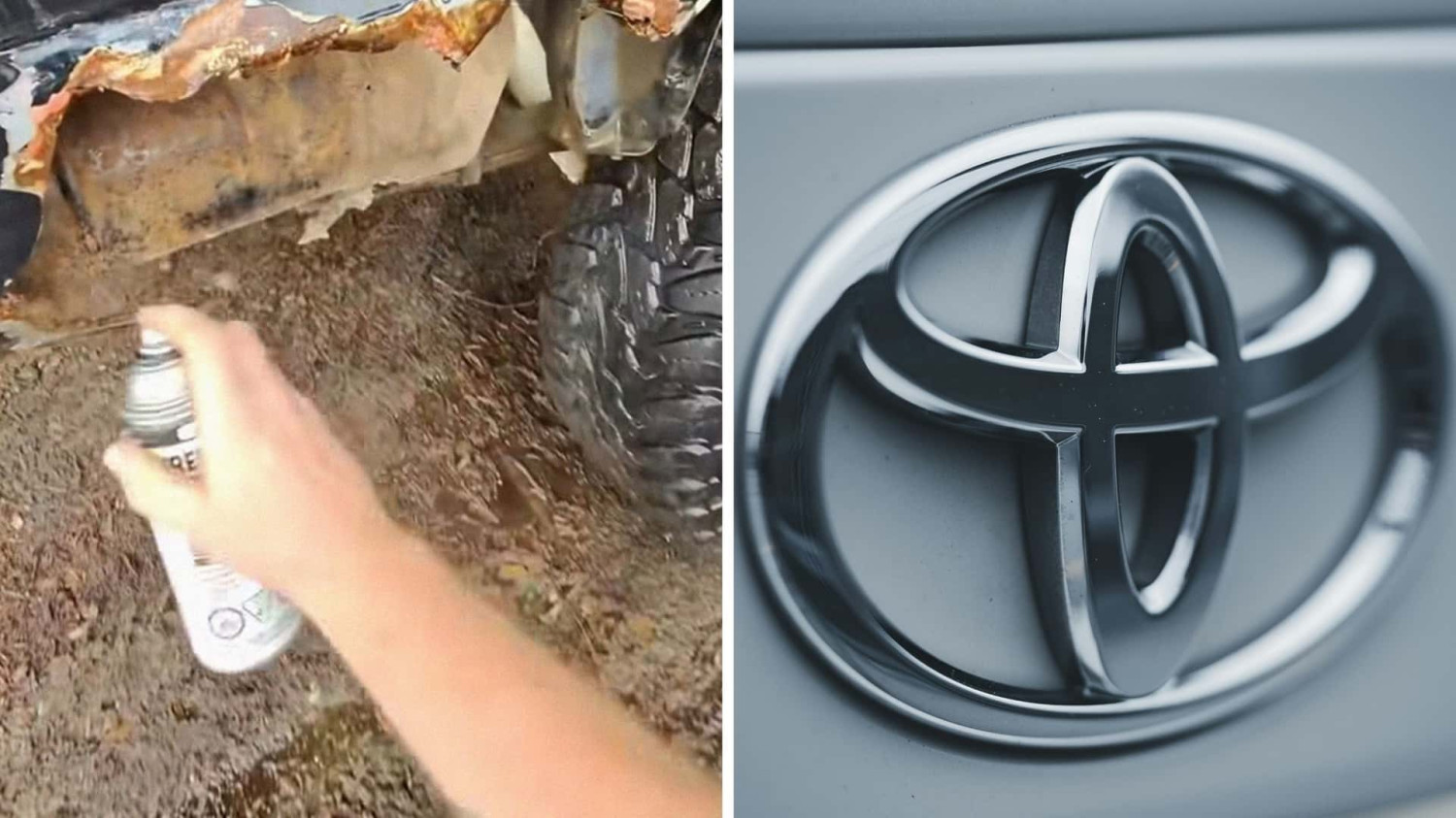
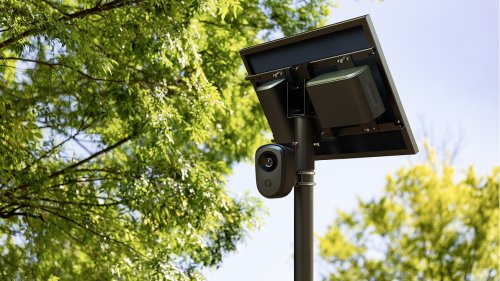
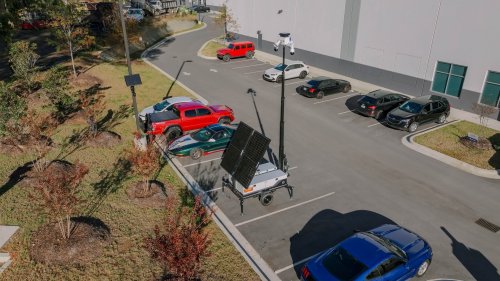
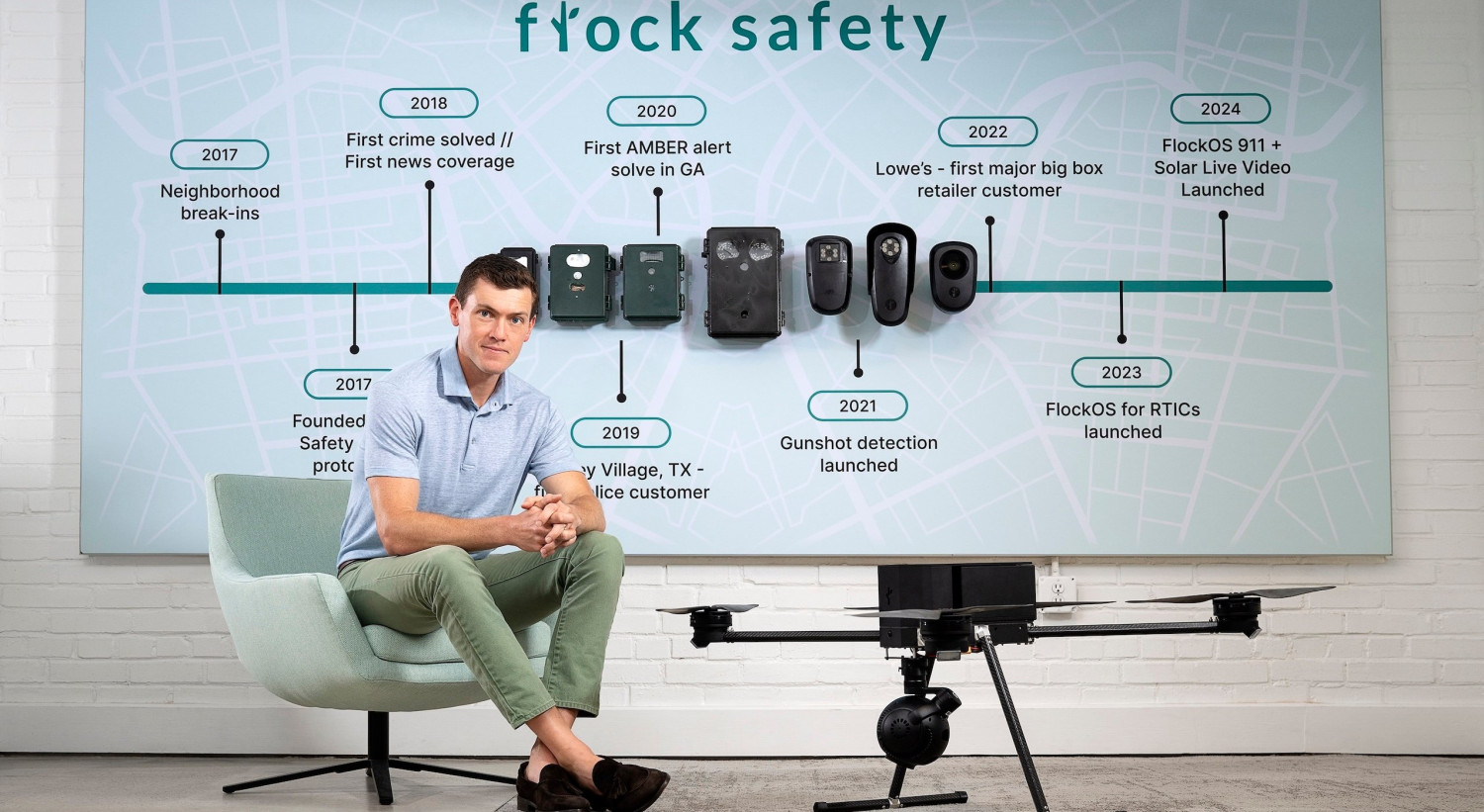
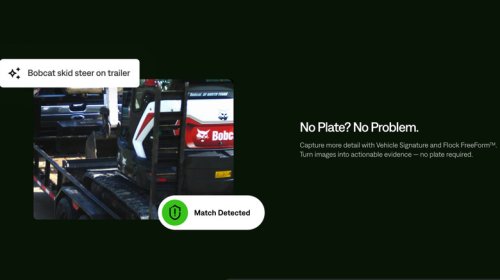
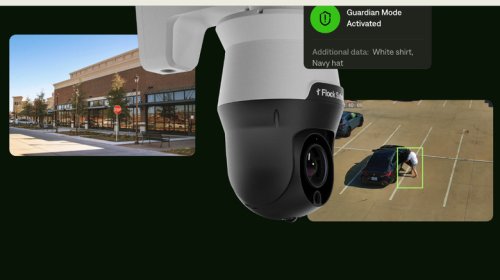
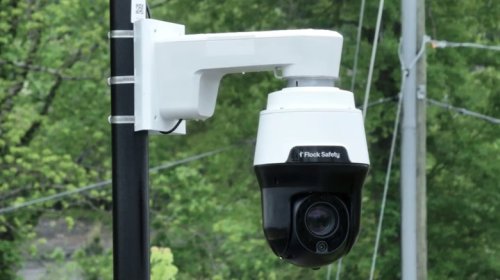
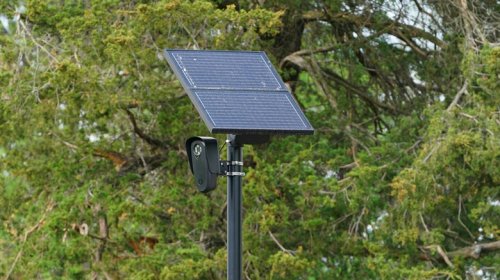
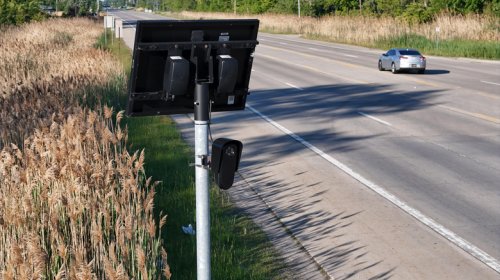
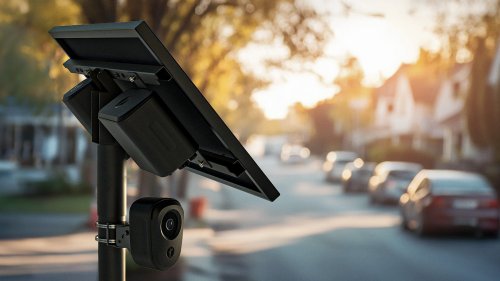
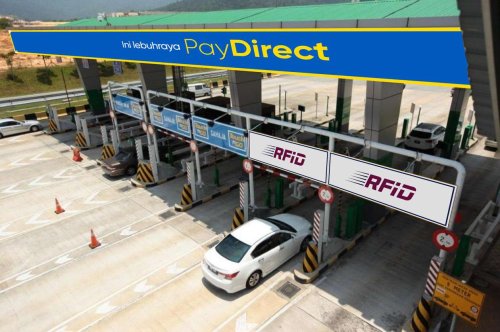
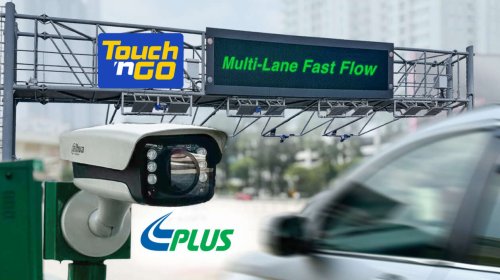
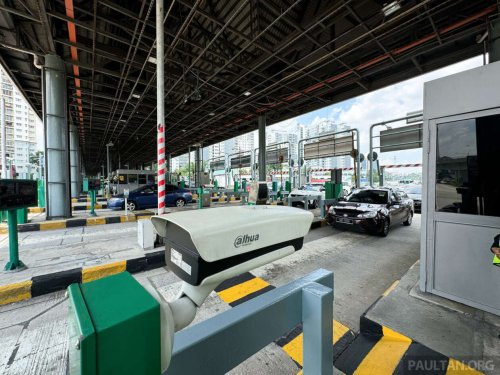
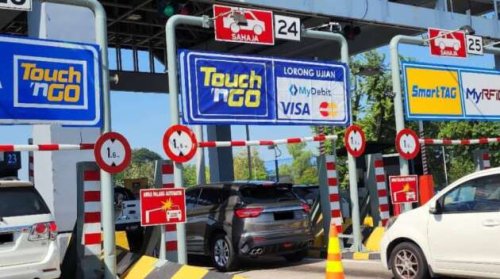
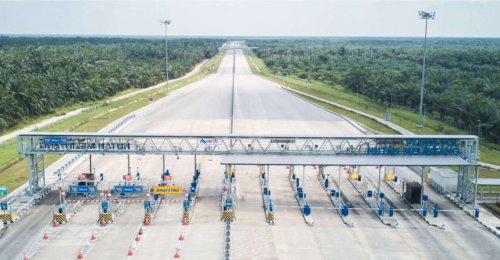
Can Rust-Oleum Reflective Paint Beat Flock and Toll Cameras?Trying to make a license plate disappear from traffic cameras with Rust-Oleum Specialty Reflective spray paint is a bad idea. The 10-ounce, semi-transparent aerosol is sold to make objects such as mailboxes, gates, and trash cans stand out when direct light hits them. Rust-Oleum definitely isn't made to be used on your plates, and when inquired about Flock cameras in July earlier this year, the company pushed back against it.The bigger problem isn't the legality of it. It just simply won't work. The reflective finish is intended to bounce back light, while Flock claims its license plate readers use infrared light to capture images of reflective surfaces. The coating could alter how brightly a plate appears to a camera, but there is no documented test showing that this type of paint makes a plate unreadable to Flock equipment, toll cameras, optical character recognition, or even infrared imaging.Making a plate shinier is not the same thing as making it invisible.What Flock Cameras Can Still SeeAccording to Flock, their cameras are capable of capturing images of license plates from distances up to 75 feet, irrespective of whether it is day or night, and even while vehicles are traveling at speeds of 100 mph. Each camera unit can monitor approximately 1.5 lanes of traffic in one direction, offering a field of view that is about 20 feet wide at the distance of 75 feet.AdvertisementAdvertisementThat system also looks beyond the characters on the plate. Flock says it can classify a vehicle by color, make, and type. Its Falcon material further claims the cameras can collect vehicle information when a car has a temporary paper plate or no plate at all. An obscured number, then, would not necessarily stop the camera from creating a vehicle record.Flock co-founder and CEO Garrett Langley describes the company's purpose this way: "We're laser-focused on helping police eliminate nonviolent crime." Whether readers like that surveillance model is a separate argument, but spraying a reflective substance over a plate is not a reliable countermeasure.Toll roads create another problem for this. The Federal Highway Administration explains that all-electronic toll systems use transponders, cameras, or both. A functioning transponder can charge the driver's account without needing to read the plate. If the tag fails or is absent, the toll operator can photograph the plate, identify the registration, and connect the trip to an account or registered owner. Some systems also send images for human review.The Plate May Become a Legal ProblemState law controls how plates must be displayed, so there is no single nationwide rule that resolves every case. Still, a coating applied specifically to interfere with a photographed plate can create trouble even if a person standing 100 feet away can decipher the number.AdvertisementAdvertisementThe legislation in New York for 2024 explicitly mentions actions involving substances applied to a plate that would alter the appearance of recorded images, as well as items that conceal identifying information. In Florida, the law mandates that license plates must be kept clear, distinct, unobstructed, visible, and legible from a distance of 100 feet. Additionally, it prohibits placing any object on the surface of the plate unless permitted by state law or a government regulation. Florida treats a violation as a noncriminal traffic infraction.That is a lot of legal exposure for a result that doesn't actually work. The sensible way to comply with plate law is to leave the plate alone.



















 +21 others





























![Great News, The Strait Of Hormuz Is Now Open To Anyone Willing To Pay A Multi-Million-Dollar Toll To The Iranian Government [Update]](https://cdn.topcarnews.net/thumb/id/aHR0cHM6Ly93d3cuamFsb3BuaWsuY29t-L2ltZy9nYWxsZXJ5L3N0cmFpdC1vZi1o-b3JtdXotbm93LW9wZW4tbWlsbGlvbi1k-b2xsYXItdG9sbC1pcmFuL2ludHJvLTE3-NzU2NzY0OTQuanBn/f4f44f9f5e2cbd0f58e74f25a5a5d408.jpg?t=20261010&post_id=12330)
![Great News, The Strait Of Hormuz Is Now Open To Anyone Willing To Pay A Multi-Million-Dollar Toll To The Iranian Government [Update]](https://cdn.topcarnews.net/thumb/id/aHR0cHM6Ly93d3cuamFsb3BuaWsuY29t-L2ltZy9nYWxsZXJ5L3N0cmFpdC1vZi1o-b3JtdXotbm93LW9wZW4tbWlsbGlvbi1k-b2xsYXItdG9sbC1pcmFuL2NvbnNlcXVl-bmNlcy1vZi1pcmFuLWNvbnRyb2xsaW5n-LXRoZS1zdHJhaXQtMTc3NTY3NjQ5Ni5q-cGc/a6749258d82073aacd86660bf61e6913.jpg?t=20261010&post_id=12330)
![Great News, The Strait Of Hormuz Is Now Open To Anyone Willing To Pay A Multi-Million-Dollar Toll To The Iranian Government [Update]](https://cdn.topcarnews.net/thumb/id/aHR0cHM6Ly93d3cuamFsb3BuaWsuY29t-L2ltZy9nYWxsZXJ5L3N0cmFpdC1vZi1o-b3JtdXotbm93LW9wZW4tbWlsbGlvbi1k-b2xsYXItdG9sbC1pcmFuL25vdy1jb21l-cy10aGUtdHJpY2t5LXBhcnQtMTc3NTY3-NjQ5Ny5qcGc/c76ec0492dc9e66e0798d4754ce3f418.jpg?t=20261010&post_id=12330)