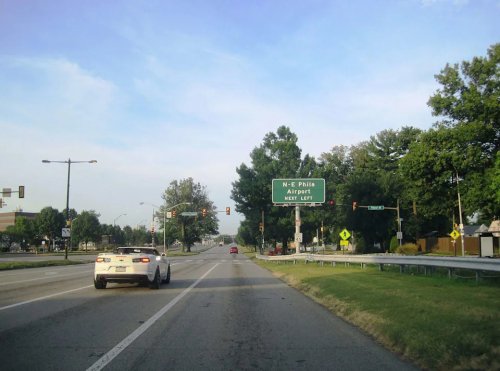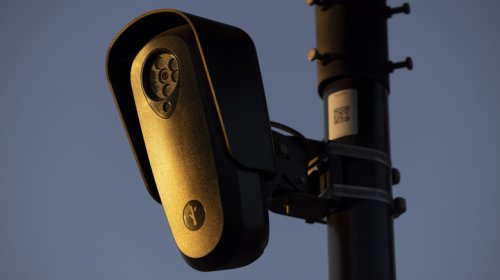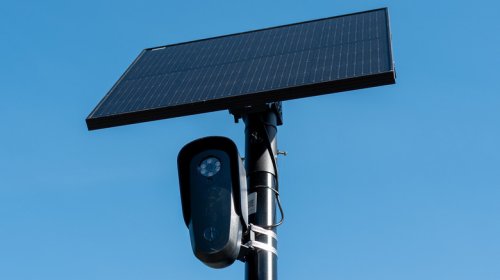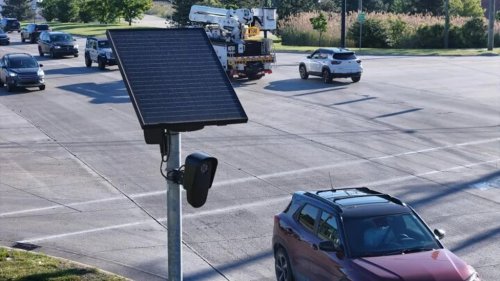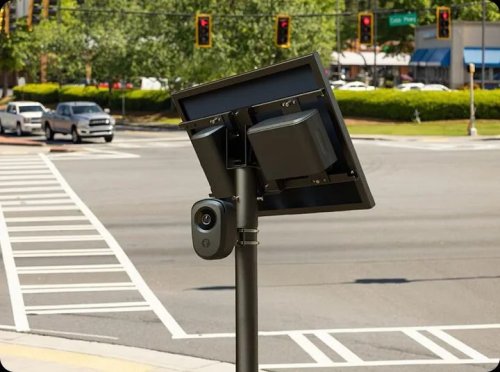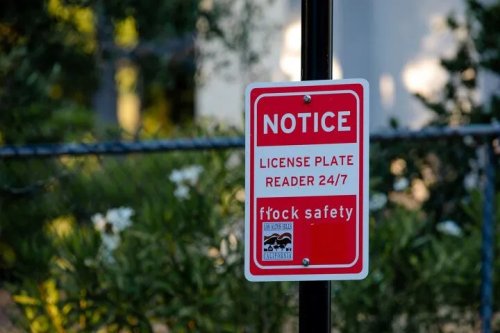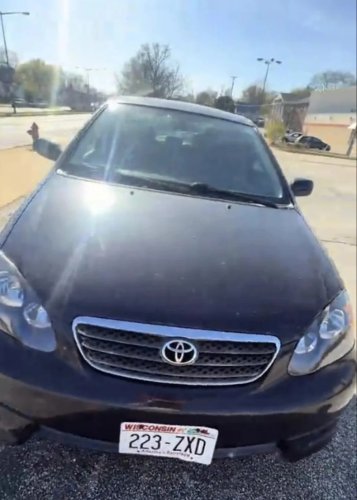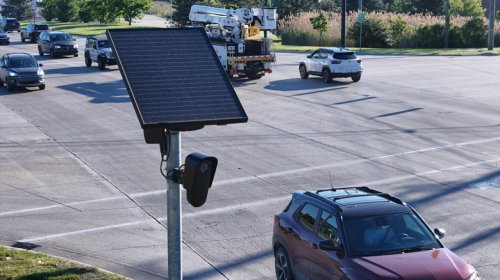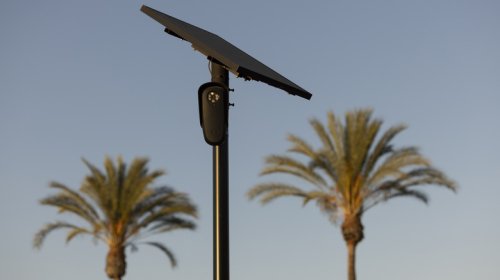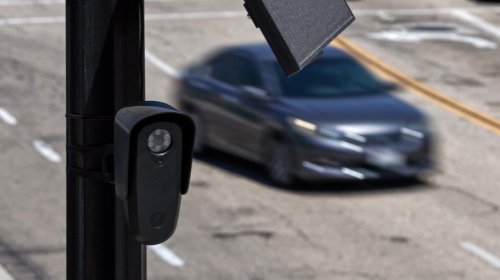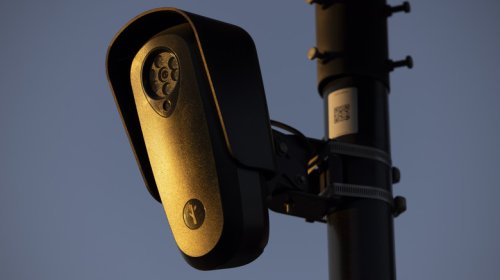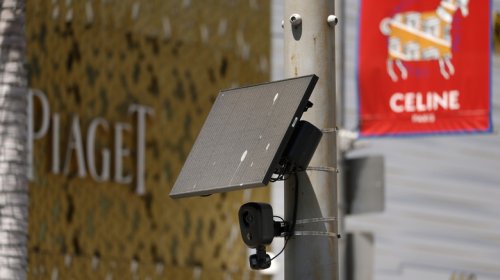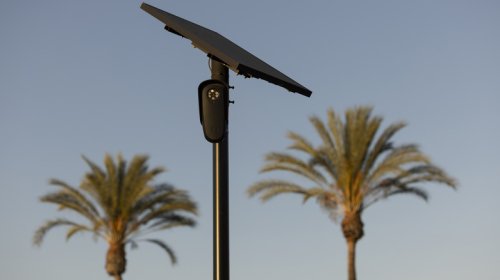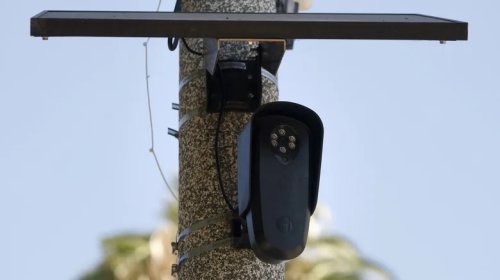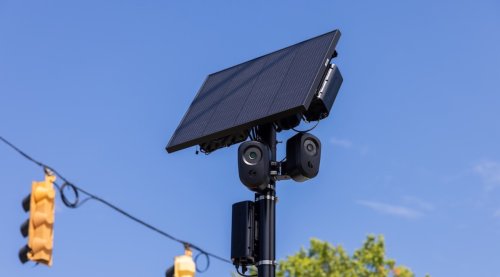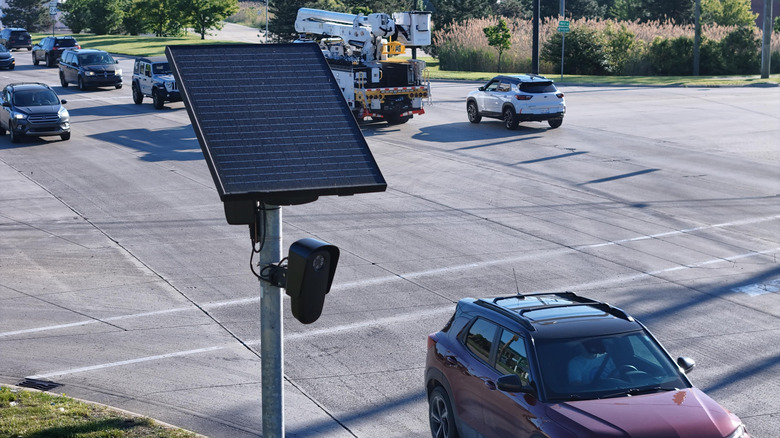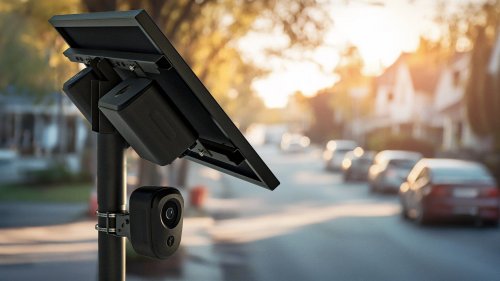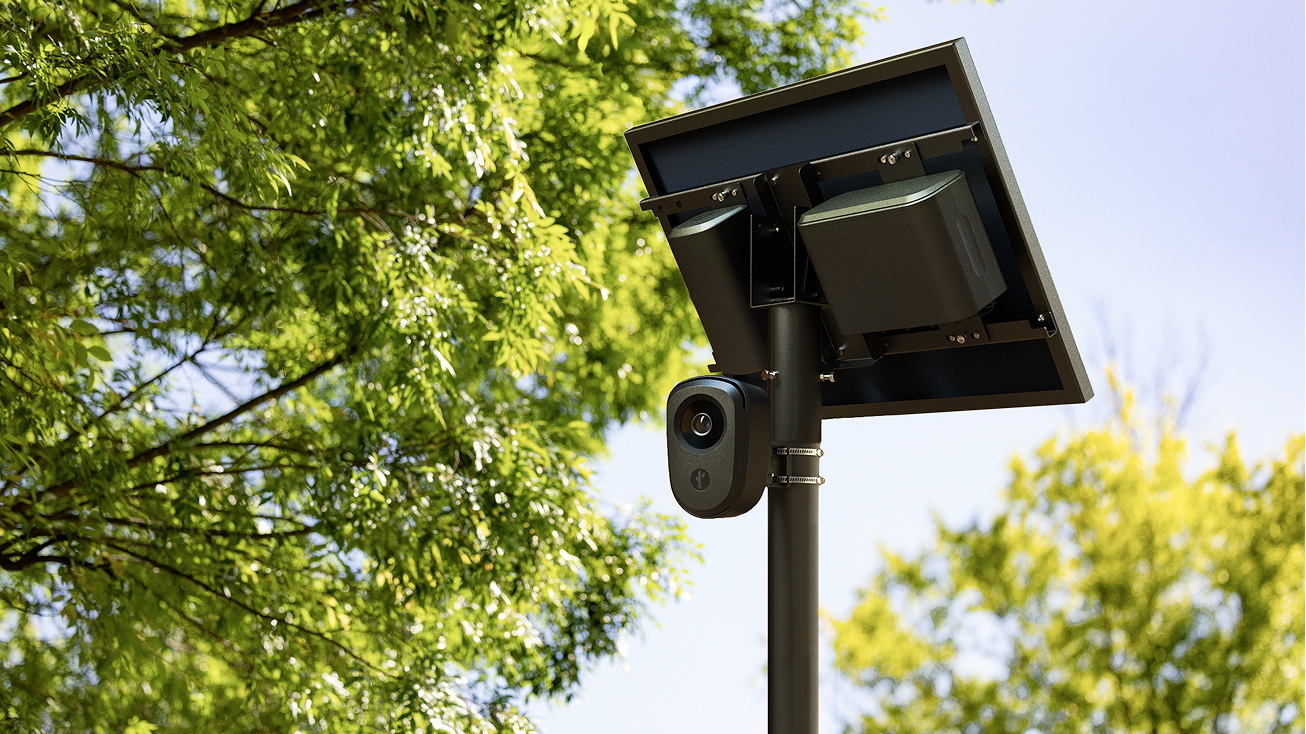
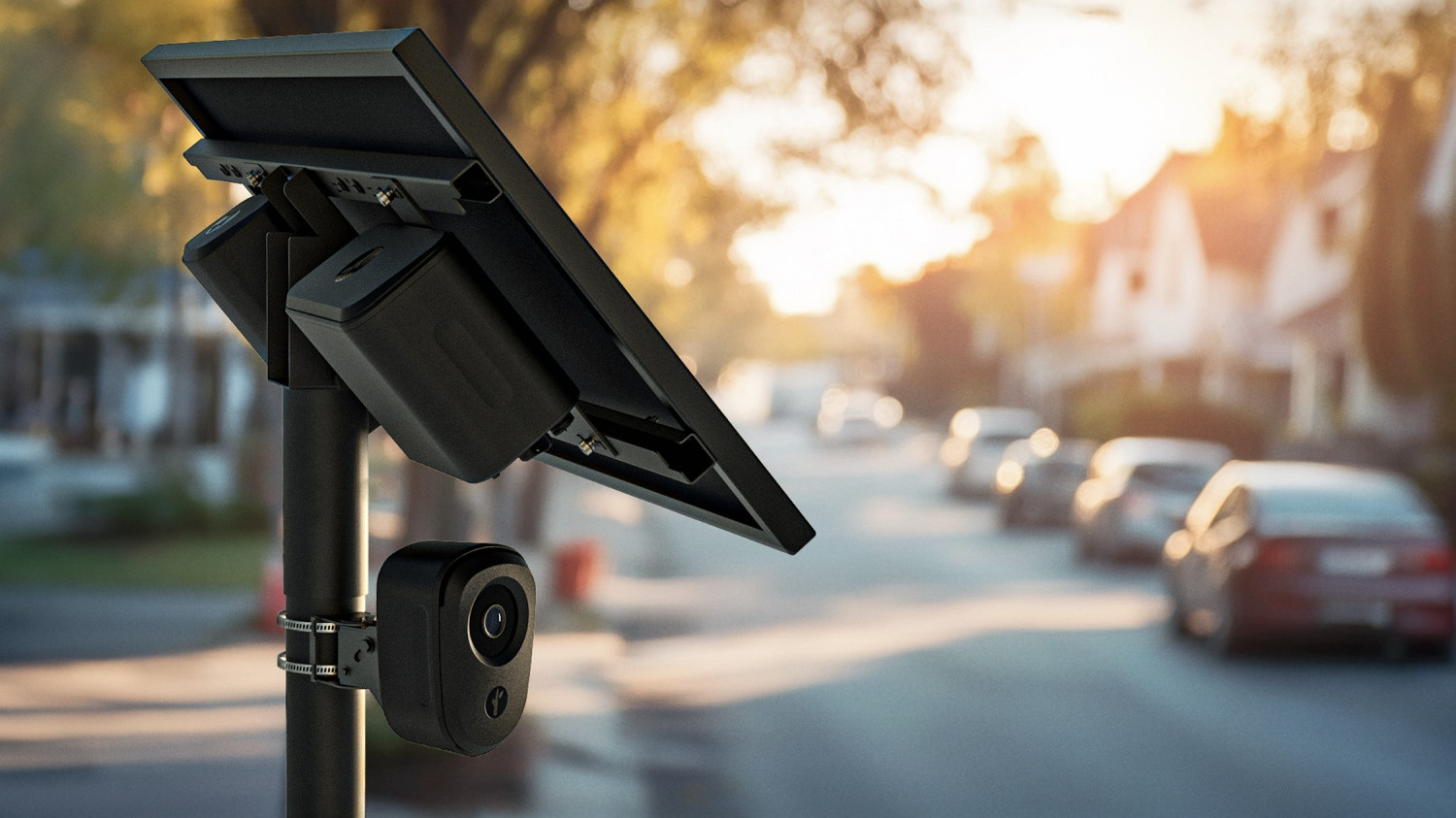



















Florida ordered license plate readers removed from state highway rights-of-way. Longboat Key police plan to relocate cameras onto town or private property. Officials say nothing prevents those cameras from watching the exact same highway. Florida made headlines last month when it ordered automated license plate readers off state highways amid growing concerns over privacy and misuse. As we pointed out at the time, the state didn’t actually ban the cameras or stop police from monitoring those roads. Now at least one department appears to have found a simple workaround. Keep the cameras but move them a few feet onto land that isn’t owned by the state. Then, point them right back at the same road. The situation is playing out in Longboat Key, where the Florida Department of Transportation’s order threatens cameras positioned along Gulf of Mexico Drive, otherwise known as State Road 789. According to Your Observer, town officials have concluded that the cameras can simply be relocated outside FDOT’s right-of-way. Better yet, they can apparently continue watching the same road. Read: Researcher Maps 300,000 Flock Devices, Then Flock Tries To Take It Down Town Attorney Maggie Mooney said there is nothing in the state’s order preventing a camera located outside the state highway right-of-way from pointing toward the highway. Police Chief Russ Mager said the department is now working with Flock to relocate the affected cameras onto town property or, with permission, private property. Once there, they’ll remain pointed at Gulf of Mexico Drive. As we reported in September, FDOT revoked permits for automated license plate recognition systems installed within state highway rights-of-way. The department cited the rapid expansion of the technology alongside reports of misuse, privacy concerns, and what it described as “surveillance schemes.” Flock Safety ALPR networks have faced growing scrutiny over how much information they collect, how broadly that information can be shared, and what happens when someone with legitimate access decides to use it for illegitimate purposes. Some Florida departments responded to FDOT’s order by going considerably further. Volusia County Sheriff Mike Chitwood said his department would shut down its readers entirely, while Jacksonville and Bradford County also moved away from the technology. Agencies were given 30 days to remove affected equipment, after which FDOT could remove it itself. Again, the FDOT ruling didn’t make the cameras illegal in other places. Longboat Key appears ready to take full advantage of that distinction. And it doesn’t seem to be alone in the use of this loophole. A newly posted video from Florida Cracker News Network appears to show a Polk County Sheriff’s Office Flock camera positioned just beyond the right-of-way along State Road 60. The camera sits behind a fence bordering the highway but remains pointed directly toward passing traffic. Video TikTok: https://www.tiktok.com/@realmattthewelder/vid... The video’s creator claims the reader was previously located within the state right-of-way and was simply moved behind the property line following FDOT’s order. Importantly, we haven’t independently confirmed that the camera was relocated from its previous position. That said, its current placement is clearly visible in the footage. That would certainly fit with what Polk County has already said publicly. Sheriff Grady Judd previously confirmed that his office would comply with FDOT’s order while continuing to use license plate readers that aren’t located within state road rights-of-way. In other words, Longboat Key isn’t necessarily exploiting some obscure interpretation nobody else noticed. Moving the cameras rather than abandoning them may prove to be the simplest way for departments to comply with Florida’s order while changing remarkably little about what those cameras actually see. Flock Safety Lead Image: Google Maps