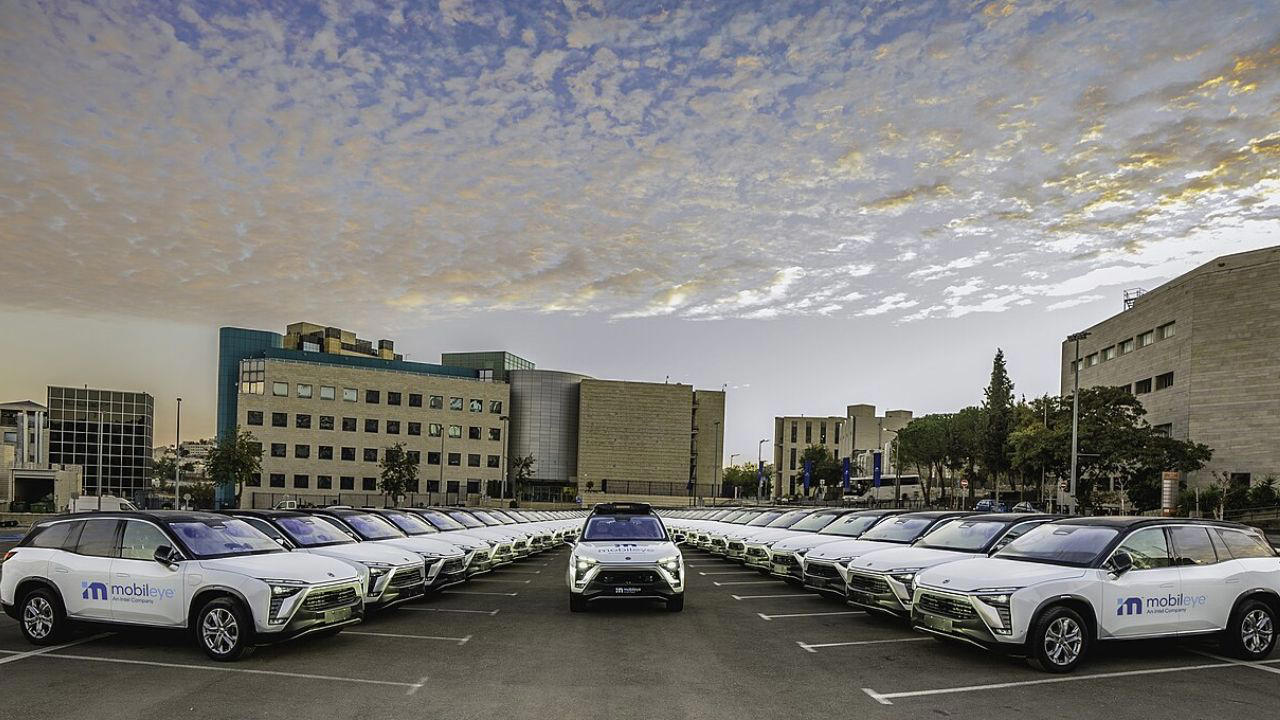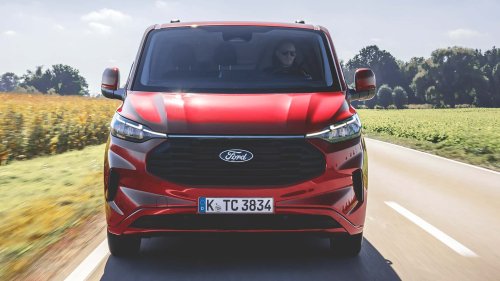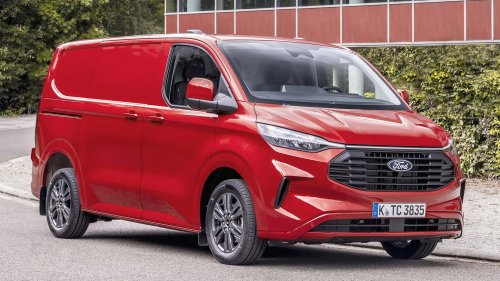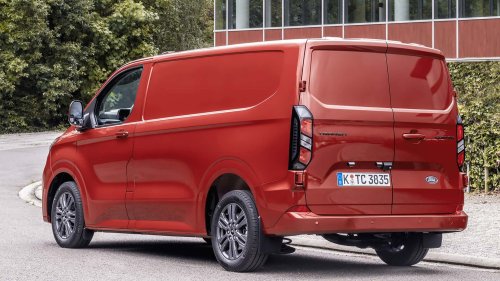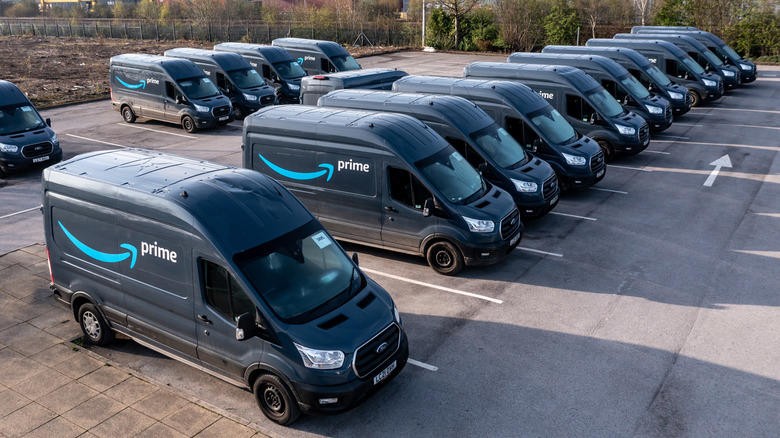

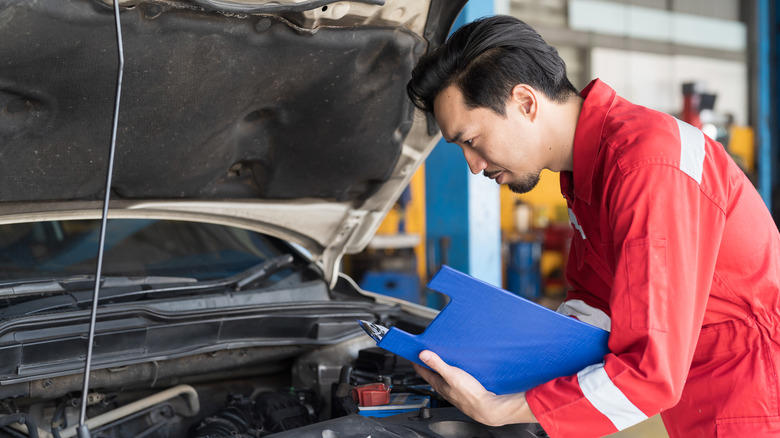



















A row of Amazon Prime E-Transit vans in a parking lotFleet vehicles are cars, vans, SUVs, or trucks purchased by businesses or government agencies in bulk. That could mean a handful of city commuters, groups of hard-working pickup trucks, or hundreds of highway-cruising sedans. This sort of buying behavior is no anomaly either, as reports estimate that, in recent years, fleet buyers have made up more than 16% of the new-car buying market.When these cars complete their fleet service, though – whether it's after a few short years for rental cars, or longer in the case of government vehicles – they end up on the used market. That's millions of fleet vehicles finding their way onto the secondhand market, but knowing if you should buy one is a tricky business. As with anything, there are pros and cons. Generally speaking, fleet vehicles are subjected to a strict service and repair regimen. Plus, they suffer quite badly from depreciation, making them cheaper for you to buy, so the upsides are certainly there. However, poor specifications, careless owners, and shoestring servicing budgets all make up the darker side of fleet vehicle history and ownership.Truth be told, yes, fleet vehicle ownership can be a wise move, saving you money and ensuring you have a car with a solid maintenance history. However, buying one without carrying out the correct due diligence is likely to leave you with buyer's remorse. So, be sure to do your homework before diving in. Cons of buying a fleet vehicleA side shot of a black Ford Crown Victoria being driven on the highwayIt is true that fleet vehicles are usually serviced correctly according to the manufacturer's recommendations, and that's surely one of the biggest benefits of buying such a car. However, not everything in this regard is sunshine and rainbows.The businesses that operate these fleet cars could be managing hundreds if not thousands of them, so if they can save $20 on a tire, $5 on a filter, or a handful of cents on a cheaper oil, then you'd better believe that they will. Those savings could add up to 10s of thousands of dollars a year, so we understand the thought process. However, would you want to buy a 3 or 4-year-old vehicle that's potentially been serviced and repaired with cheap aftermarket parts? The argument between buying aftermarket and OEM is complex, but, generally speaking, OEM parts are a known entity and better for long-term reliability.Next, the folks who use fleet vehicles don't have a long-term relationship with the cars. They generally don't care if the vehicle breaks down next Tuesday, or if the brake pads wear out every 12 months. So, it's possible that these cars are driven with less care and attention than a privately owned vehicle, once again putting the desirability of fleet vehicles under a harsh spotlight.Finally, the bosses that order these cars are usually interested in saving money. So, don't expect expensive paint colors and fancy optional extras, as, more often than not, fleet vehicles are base trim levels to save cash. Before you make your mind up, though, consider the positives of such a purchase. The positives of buying a fleet vehicleA car being inspected by a technician wearing a red jumpsuit and carrying a blue clipboardWe've already covered it, but the fact that fleet owners service and repair their vehicles religiously is a huge plus. Businesses cannot afford for vehicles to sit around waiting for lengthy repairs, so keeping them in great shape is a real priority. Sure, they may use cheaper parts, but if you're the type to enjoy savings by doing the same, then why not enjoy even more savings and buy a fleet-owned vehicle, too?That leads us to the second point, as these cars are definitely cheaper. Many fleet vehicles will only be a year or 2 old when they go on sale, so they should still feel modern, and you can take comfort in knowing that someone else has suffered the main bulk of depreciation on your behalf.Some may consider ex-rental cars a red flag, but really, how many people are thrashing rentals? Sky-high charges for bumped alloys and scraped bumpers mean many will drive these cars with more care and attention than usual, especially if they aren't up to speed with rental car liability rules. We're not saying they will have been babied, but it also doesn't mean that they've been thrashed. And as for non-rental fleet cars, there's still good chance that they have just been cruising on the highway for a couple years, which is low-stress.So, if you can get along with the downsides, and if you don't mind a fairly basic trim level, then buying a depreciated fleet vehicle can be a very wise purchase indeed. Want more like this? Join the Jalopnik newsletter to get the latest auto news sent straight to your inbox, and add us as a preferred search source on Google.