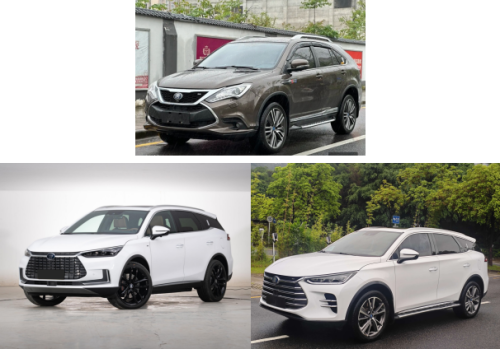
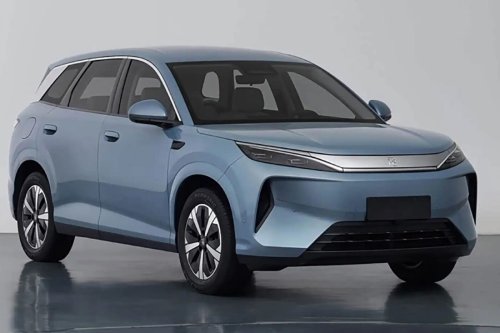
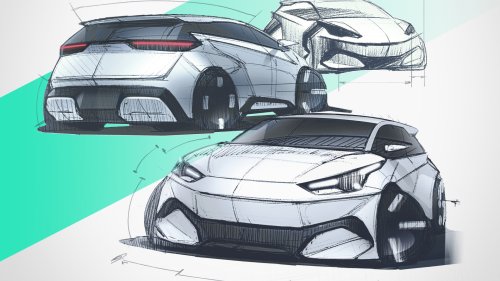
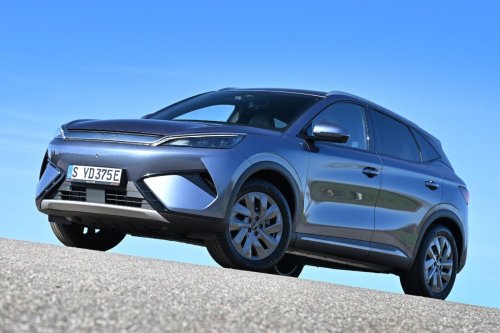
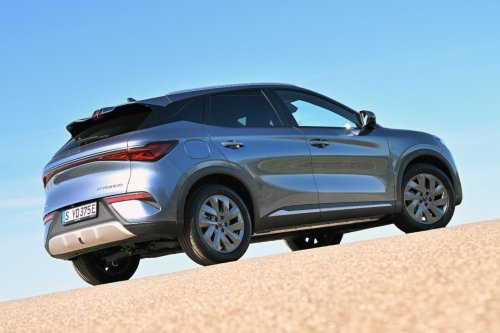
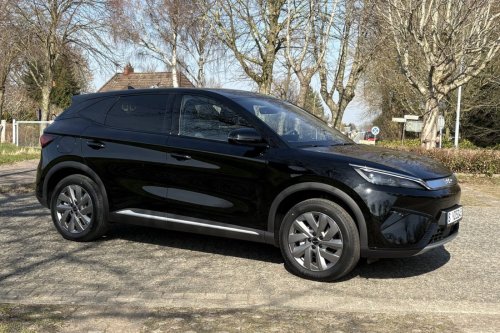
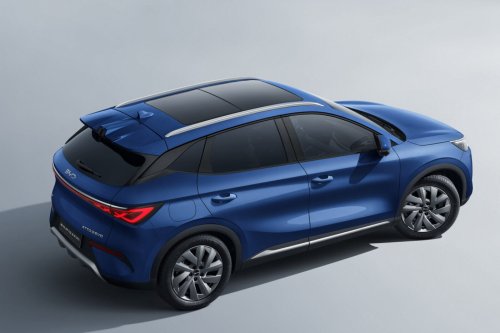
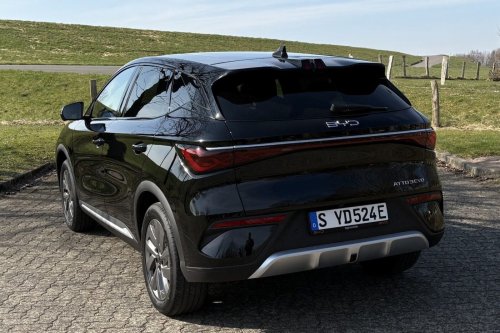
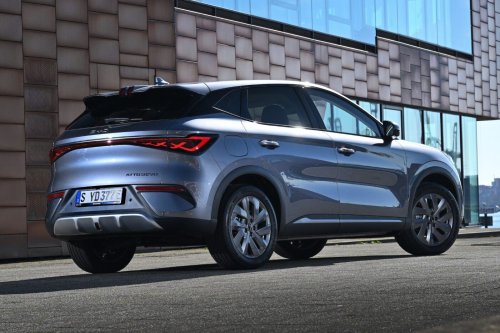
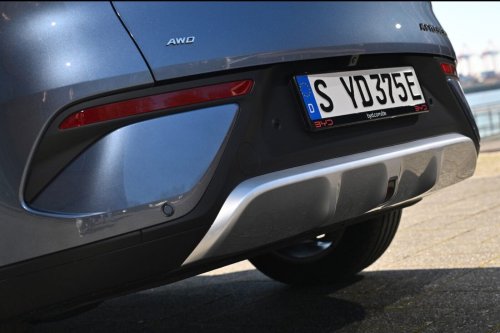
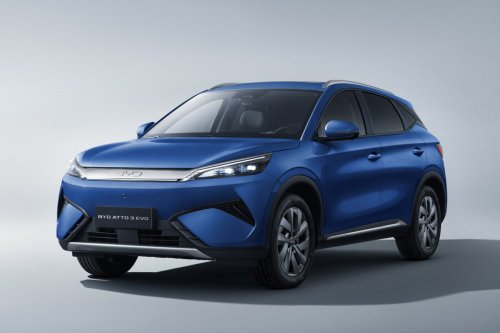
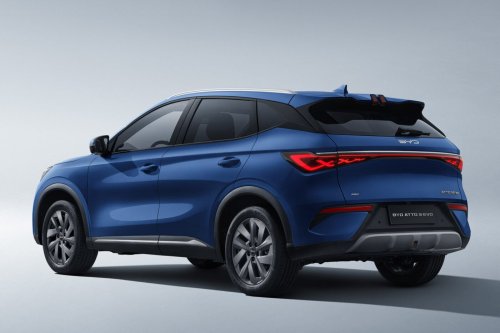
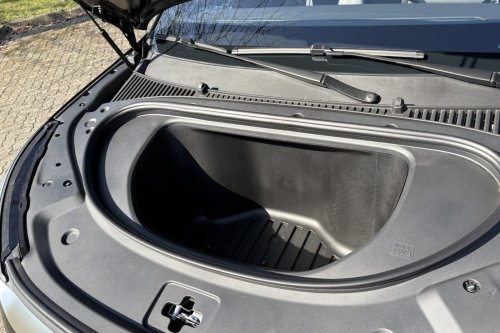
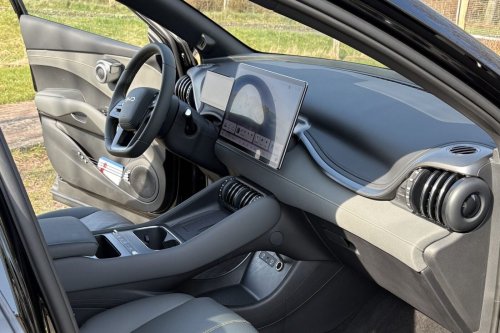
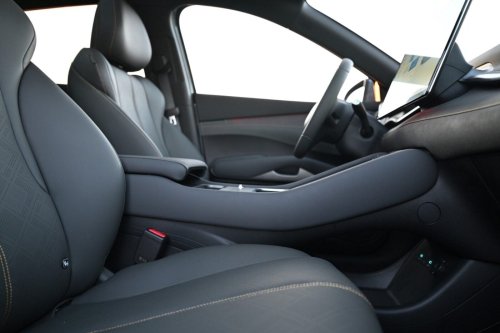
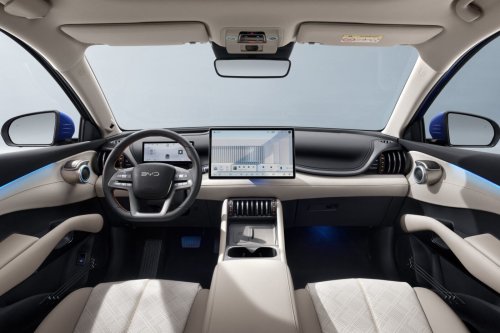
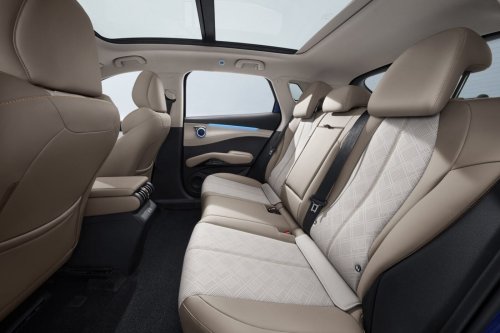
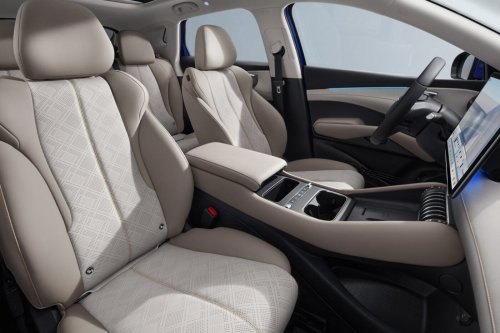
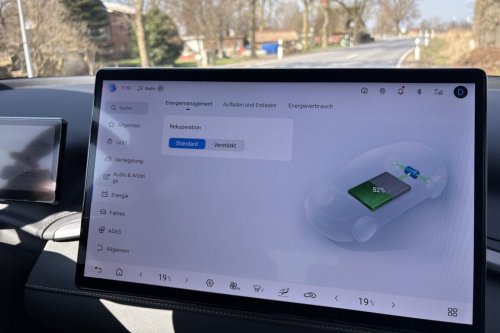
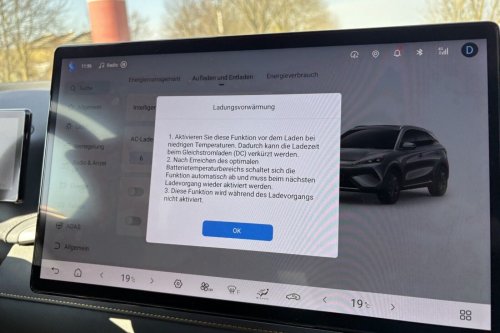
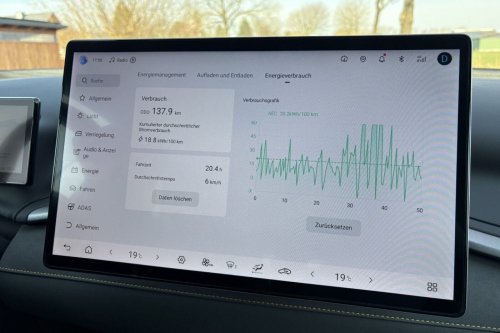
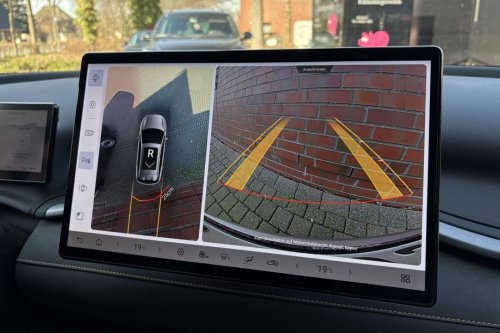
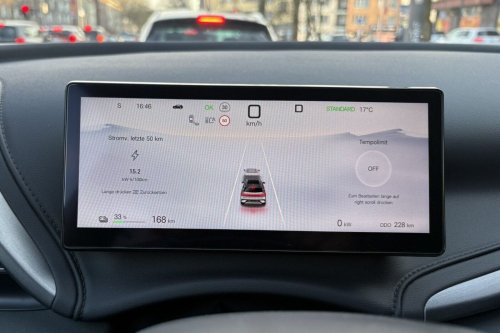
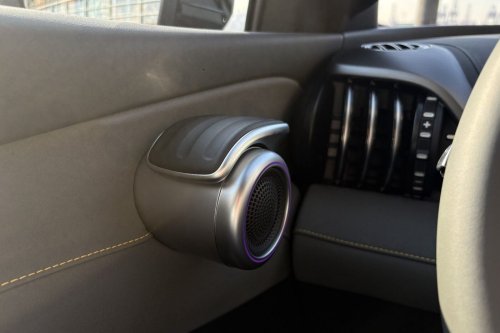
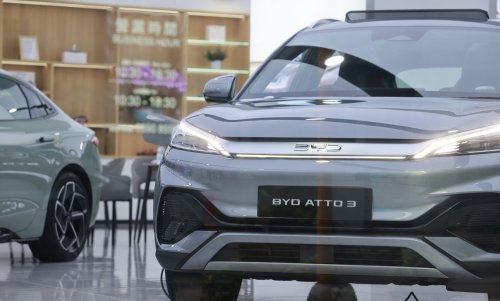
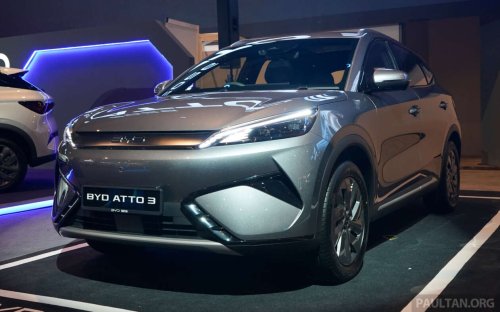
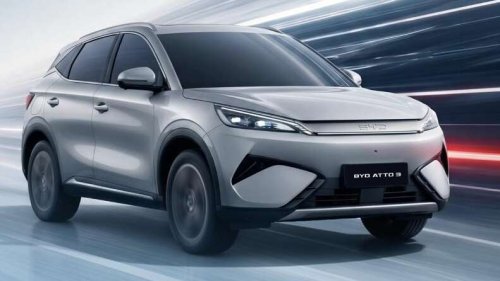
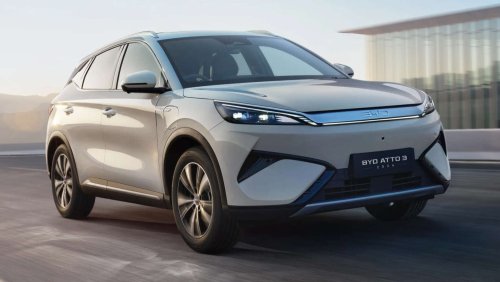
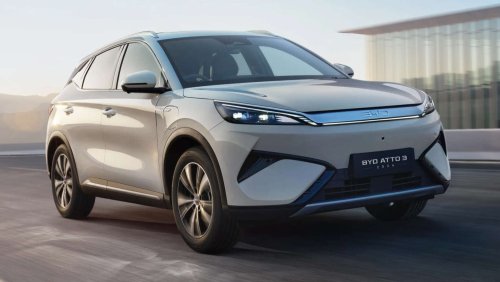
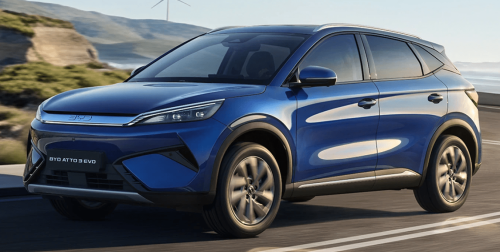
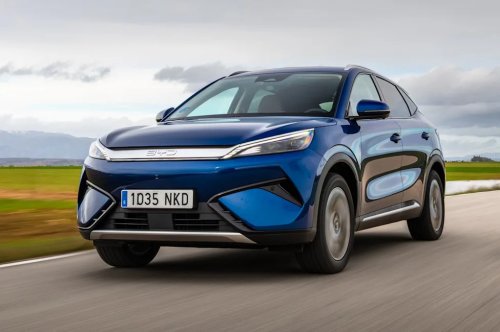
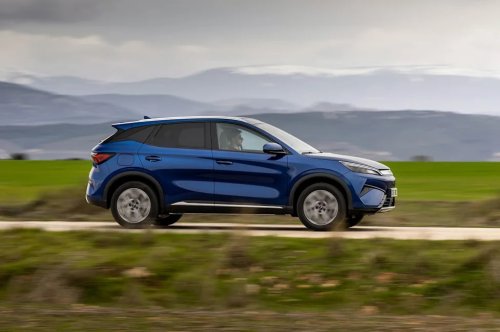
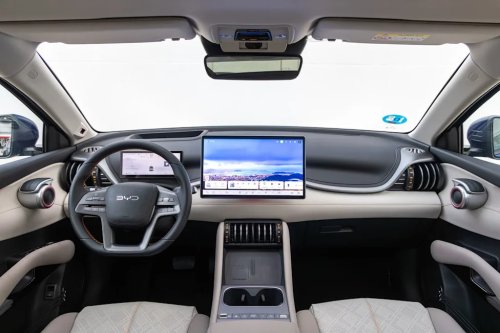
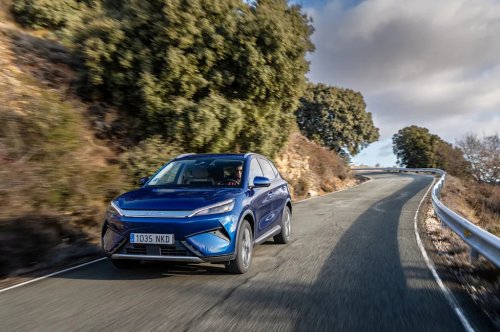
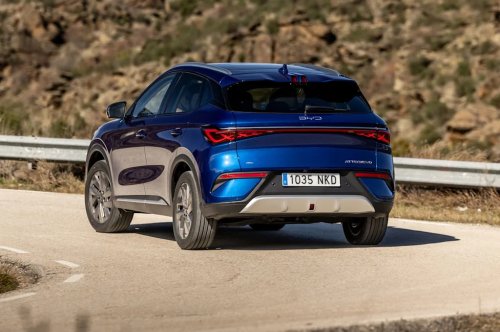
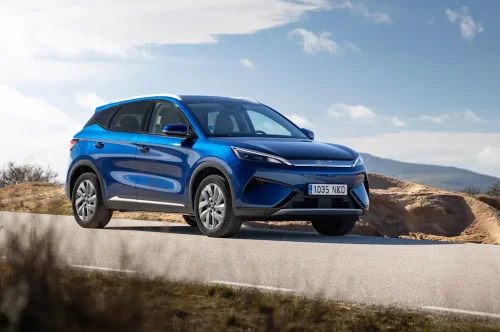
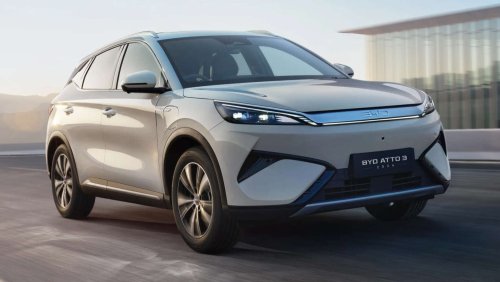
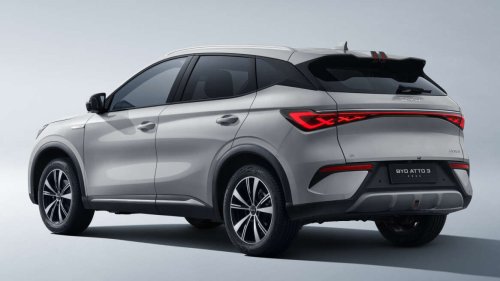
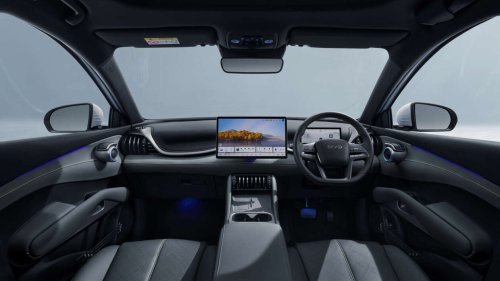
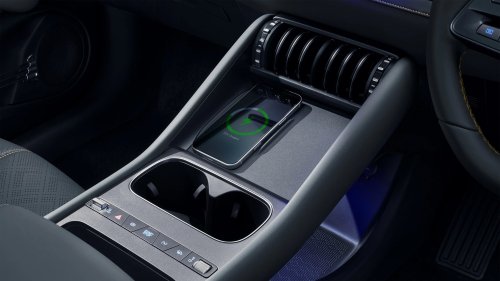
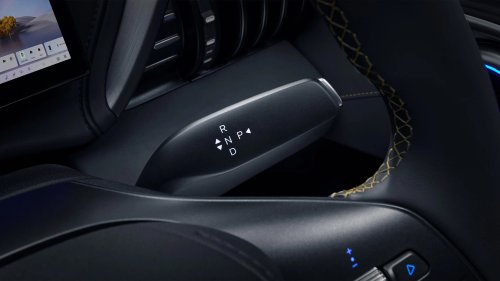
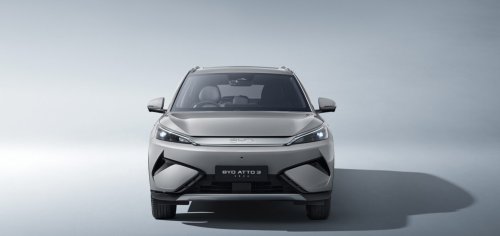
Last year, BYD delivered 23,306 vehicles in Germany, including 11,167 battery-electric cars, falling well short of its self-imposed target of 50,000 units. This year, however, the company aims to reach that milestone. Although ambitious, this no longer seems an unrealistic goal. In the first quarter of 2026, new registrations surged by 644 per cent compared to the same period the previous year, according to Germany’s Federal Motor Transport Authority. In total, 9,120 new BYD models hit the road, including 4,300 battery-electric vehicles.To sustain this growth and achieve its target, BYD not only introduced the affordable Dolphin Surf compact electric car last year but also updated aspects of its model range. Alongside the revised Seal, this includes the compact SUV Atto 3, which is now marketed with the suffix Evo.This comprehensive overhaul is no coincidence. Last year, the Atto 3 accounted for only a small share of new registrations compared to other BYD models such as the Seal or Seal U. That underperformance is notable given the importance of the compact SUV segment, where higher volumes would typically be expected. Technically, the model had fallen behind the competition – something even BYD itself acknowledges. With the Atto 3 Evo, the Chinese manufacturer aims to close the gap and address many of the previous car’s shortcomings. To support the market launch, BYD is once again offering a manufacturer discount of at least €10,000, reducing the entry price of the rear-wheel-drive base model to €34,990. We recently had the opportunity to test this exact variant.Subtle exterior updates – and a significantly refined interiorExternally, little about the Atto 3 Evo has changed compared to its predecessor. With a length of around 4.46 metres, a width of 1.88 metres, and a height of 1.62 metres, its dimensions remain the same. Subtle updates include revised front and rear bumpers, new 18-inch alloy wheels, a cleaner side profile thanks to slimmer side skirts, and a sportily designed roof spoiler. Those unfamiliar with the pre-facelift model would hardly notice the differences. BYD continues to favour a timeless and comparatively conservative design over demonstrative extravagance – likely in order to appeal to the broadest possible customer base. Image: BYD Image: BYD Image: Daniel Bönnighausen Image: BYD Image: Daniel Bönnighausen Image: BYD Image: BYD Image: BYD Image: BYD Image: Daniel BönnighausenThe changes inside the cabin are far more extensive. The cockpit now feels more organised and noticeably more spacious. Previously, the interior resembled an aircraft cockpit, partly due to the gear selector lever positioned centrally in the centre console, which was reminiscent of a thrust lever. In the Atto 3 Evo, this is now discreetly located as a steering-column stalk, making the centre console appear tidier and providing more storage space.Material quality has also improved significantly compared to the predecessor. Soft-touch surfaces, artificial leather, contrast stitching, and microfibre elements give the interior a premium feel unusual for this price segment. However, there are still some compromises: hard plastics remain out of sight in the lower cabin area. BYD also retains some of the more distinctive design features, including the rubber bands in the door storage compartments, which not only resemble guitar strings but can actually be plucked to produce sounds. The large round air vents and equally round speakers in the doors are retained, adding a distinctive touch but slightly detracting from the otherwise more mature overall impression.Digitally modernised, but not yet fully refinedIn addition to the design, the cockpit technology has also been updated. BYD now fits an 8.8-inch digital instrument cluster behind the steering wheel and a 15.6-inch touchscreen in the centre console, which can no longer be rotated into portrait mode. The infotainment system now integrates Google features such as Google Maps, the Google Play Store, and Google Assistant for voice control.The menu navigation of the newly structured infotainment system appears more clearly organised. During our first drive, the system responded predominantly quickly, and the Google integration is a definite improvement. However, the test vehicle was not entirely free of issues. For instance, the traffic sign recognition functioned only partially, and the range prediction in Google Maps did not seem optimally calibrated for the larger battery. On a short stretch, the system predicted an unusually low remaining charge. This suggests a software issue that could likely be resolved with an update, rather than a fundamental design flaw. At launch, however, the system still gave an impression of being unfinished. Image: Daniel Bönnighausen Image: BYD Image: BYD Image: BYD Image: BYD Image: Daniel Bönnighausen Image: Daniel Bönnighausen Image: Daniel Bönnighausen Image: Daniel Bönnighausen Image: Daniel Bönnighausen Image: Daniel BönnighausenNew platform, new powertrainThe real progress lies beneath the surface. BYD has based the Atto 3 Evo on the latest e-Platform 3.0, addressing weaknesses that the predecessor exhibited. Instead of a 60.5 kWh battery, BYD now uses a 74.8 kWh Blade Battery with LFP cell chemistry. As in the Sealion 7, the battery in the Atto 3 Evo is designed as Cell-to-Body, rather than just Cell-to-Pack. The cells are directly integrated into the body structure as load-bearing components, which has enabled the higher energy content.At the same time, BYD has abandoned the previous front-wheel-drive system with 150 kW in the new model. Instead, the Atto 3 Evo is now available with rear-wheel drive or all-wheel drive, depending on the version. In the base ‘Design’ variant, the rear-wheel-drive system delivers 230 kW and 380 Newton metres of torque, accelerates from 0 to 100 km/h in 5.5 seconds, and offers a WLTP range of 510 kilometres. The ‘Excellence’ version meanwhile features a 330 kW all-wheel-drive system with 560 Newton metres of torque, accelerates from 0 to 100 km/h in 3.9 seconds, and provides a WLTP range of 470 kilometres. The Atto 3 Evo also sees an increase in top speed: instead of the previous maximum of 160 km/h, it now reaches 180 km/h with rear-wheel drive and 200 km/h with all-wheel drive. These are strong figures for this class. Interestingly, the rear-wheel-drive variant we tested also reached a top speed of 200 km/h according to the speedometer.Firm suspension tuning, notable quirks on the motorwaySpeaking of first driving impressions: as part of the new drivetrain configuration and increased power, the rear suspension has been replaced with a five-link system to enhance driving dynamics. The Atto 3 Evo’s chassis is generally tuned for firmness. On good urban and rural roads, this setup works well, and the compact SUV handles corners cleanly. Even at higher speeds, the car feels planted on the road. The Atto 3 Evo steers precisely, remains controlled, and overall conveys a composed impression.However, on the motorway, our test vehicle exhibited a characteristic that should not be overlooked: from around 105 km/h, noticeable vibrations appeared at the steering wheel, sometimes extending into the seat. Below this range, the car drove unobtrusively, but above it, the issue was clearly present. Colleagues testing the all-wheel-drive variants did not experience these vibrations. Whether this is an isolated issue with our vehicle or a broader concern cannot be determined after this initial drive. Additionally, wind noise increases significantly more at higher speeds than initially expected. Up to around 120 km/h, the interior remains pleasantly quiet, but beyond 130 km/h, the impression deteriorates rapidly. Those who primarily drive in urban or rural areas will not notice this, but for frequent motorway drivers, this point should be on the checklist for a test drive.Everyday energy consumptionThe Atto 3 Evo’s energy consumption figures are reasonable for mixed driving conditions. Depending on the driving profile, values of around 17 to 18.5 kWh per 100 kilometres seem realistic. Despite the significantly increased power, the compact SUV remains efficient. On pure urban and rural road stretches, consumption was noticeably lower. During the first drive, it became clear that the rear-wheel-drive version can be quite efficient, especially at moderate speeds.A major leap in chargingThe Atto 3 Evo achieves genuine progress in charging. BYD states a maximum DC charging power of 220 kW – double the previous 110 kW. This is despite the voltage level only increasing from just under 400 volts to just under 500 volts, even with the new 800-volt architecture. The larger battery can now be charged significantly faster than before. Previously, charging from 10 to 80 per cent took 44 minutes; now, it should take just 25 minutes. To achieve charging times close to this even at lower temperatures, the battery can be preconditioned manually or automatically. How well this works will need to be confirmed in a more detailed test.For AC charging, the vehicle retains the same 11 kW onboard charger as its predecessor. A full charging cycle takes around eight hours. The BYD Atto 3 Evo can also supply power. The standard V2L (Vehicle-to-Load) function allows for an output of three kilowatts.Spacious overall, but less generous in practiceBeyond drivetrain, range, and charging performance, practicality is also key in everyday use. Here, the Atto 3 Evo scores with its generously usable space. Front and rear passengers generally sit comfortably. However, the packaging is not entirely perfect, especially for taller individuals. Up front, the driver’s seat feels somewhat tighter in the leg area than expected. In the rear, space is not as generous as the airy impression initially suggests, particularly around the knees for taller passengers.On the other hand, the electric SUV excels in storage space. BYD states a boot volume of 490 litres, which is 50 litres more than before. With the rear seats folded down, the loading volume increases to 1,360 litres. As there is no electric motor under the front bonnet, a 101-litre frunk has been incorporated—a feature not always available in this segment. Additionally, the vehicle can tow up to 1,500 kilograms (braked).DesignExcellenceDrivetrainRWDAWDPower230 kW330 kWTorque380 Nm560 NmAcceleration5.5 s3.9 sTop speed180 km/h200 km/hWLTP range510 km470 kmBattery capacity74.8 kWh74.8 kWhDC charging power220 kW220 kWDC charging time 10-80%25 min25 minAC charging power11 kW11 kWAC charging time 10-100%8 h8 hTowing capacity (braked)1,500 kg1,500 kgFull equipment as standard – with minimal configuration requiredThe everyday appeal of the Atto 3 Evo is not just about its practical space. BYD also pursues an approach that could help the model gain an edge over competitors: full equipment as standard, with minimal configuration effort. Customers only have to choose between the rear-wheel-drive Atto 3 Evo Design and the all-wheel-drive Atto 3 Evo Excellence.In the rear-wheel-drive variant – and this applies to the all-wheel-drive model as well – features such as Google integration in the infotainment system, a 360-degree camera, a heat pump, electrically adjustable front seats, front seat heating and ventilation, an inductive and air-cooled charging pad, Apple CarPlay and Android Auto, and all assistance systems are included as standard. In the Excellence version with all-wheel drive, BYD additionally offers a head-up display, heated rear seats, and a panoramic sunroof. However, these three features are not available as optional extras.ConclusionThe BYD Atto 3 Evo is far more than a cosmetic facelift. While much of the exterior remains unchanged, the compact SUV has made a significant technological leap forward. The new platform, the switch to rear- and all-wheel drive, the larger battery, and, above all, the massively improved DC charging speed elevate the Evo into a different league compared to its predecessor. The space on offer is also solid for this segment.However, in everyday driving, the Chinese SUV does not leave a flawless impression. The interior has clearly improved, the controls feel more modern, and even the rear-wheel-drive version is more than adequately powered. At the same time, the vibrations at higher speeds, increasing wind noise, and occasional software quirks raise questions that should not be ignored before purchase and should be tested again.The Design version starts at €44,990, while the Excellence version begins at €50,990. However, at the launch of the new model, BYD is offering a manufacturer discount of €10,000 or €11,000, reducing the entry price to €34,990 or €39,990, respectively.All in all, the Atto 3 Evo is a technically significantly upgraded compact SUV with an attractive overall package, though it still needs to iron out a few remaining weaknesses in everyday driving.

























![BYD, BYD's $10,000 EV has a big sibling on the way: First look [Images]](https://cdn.topcarnews.net/thumb/id/aHR0cHM6Ly9pMC53cC5jb20vZWxlY3Ry-ZWsuY28vd3AtY29udGVudC91cGxvYWRz-L3NpdGVzLzMvMjAyNi8wOS9CWUQtR3Jl-YXQtU2VhZ3VsbC1FVi1maXJzdC1sb29r-LmpwZWc_dz0xNTAwJmFtcDtxdWFsaXR5-PTgyJmFtcDtzdHJpcD1hbGwmYW1wO3Nz-bD0x/4dd4fa96cdf12559891b44c0ae18cc65.jpeg?t=20260923&post_id=64341)
![BYD, BYD's $10,000 EV has a big sibling on the way: First look [Images]](https://cdn.topcarnews.net/thumb/id/aHR0cHM6Ly9lbGVjdHJlay5jby93cC1j-b250ZW50L3VwbG9hZHMvc2l0ZXMvMy8y-MDI2LzA3L0JZRC1TZWFndWxsLUVWLWxv-bmdlci5qcGVnP3N0cmlwPWluZm8mYW1w-O3c9MTQwMA/a412dc5ddf85cc7d169d4bcc3fdd7798.jpeg?t=20260923&post_id=64341)
![BYD, BYD's $10,000 EV has a big sibling on the way: First look [Images]](https://cdn.topcarnews.net/thumb/id/aHR0cHM6Ly9lbGVjdHJlay5jby93cC1j-b250ZW50L3VwbG9hZHMvc2l0ZXMvMy8y-MDI2LzA3L0JZRC1TZWFndWxsLUVWLXVw-ZGF0ZS5qcGVnP3N0cmlwPWluZm8mYW1w-O3c9MTQwMA/fecda1af96dbaf70d574ec2f9e5deb7a.jpeg?t=20260923&post_id=64341)
![BYD, BYD's $10,000 EV has a big sibling on the way: First look [Images]](https://cdn.topcarnews.net/thumb/id/aHR0cHM6Ly9lbGVjdHJlay5jby93cC1j-b250ZW50L3VwbG9hZHMvc2l0ZXMvMy8y-MDI2LzA3L0JZRC1TZWFndWxsLUVWLXVw-ZGF0ZS0xLmpwZWc_c3RyaXA9aW5mbyZh-bXA7dz0xNDAw/8dbbcf9dde61eec3ff01de1121cdaaf5.jpeg?t=20260923&post_id=64341)
![BYD, BYD's $10,000 EV has a big sibling on the way: First look [Images]](https://cdn.topcarnews.net/thumb/id/aHR0cHM6Ly9lbGVjdHJlay5jby93cC1j-b250ZW50L3VwbG9hZHMvc2l0ZXMvMy8y-MDI2LzA3L0JZRC1TZWFndWxsLUVWLXVw-ZGF0ZS0yLmpwZWc_c3RyaXA9aW5mbyZh-bXA7dz0xNDAw/5aa4369f36f3e45cef0b6dd83ae6128a.jpeg?t=20260923&post_id=64341)
![BYD, BYD's $10,000 EV has a big sibling on the way: First look [Images]](https://cdn.topcarnews.net/thumb/id/aHR0cHM6Ly9lbGVjdHJlay5jby93cC1j-b250ZW50L3VwbG9hZHMvc2l0ZXMvMy8y-MDI2LzA3L0JZRC1TZWFndWxsLUVWLXVw-ZGF0ZS0zLmpwZWc_c3RyaXA9aW5mbyZh-bXA7dz0xNDAw/02a0f7b5011767092a1ea11a79495fc7.jpeg?t=20260923&post_id=64341)



















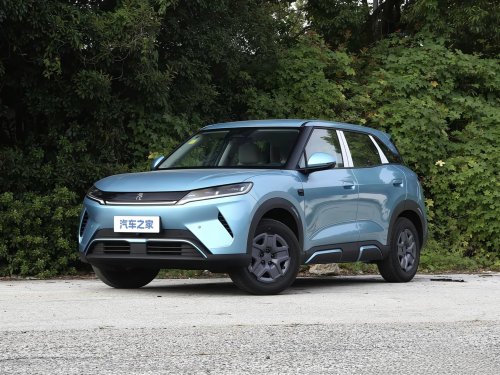
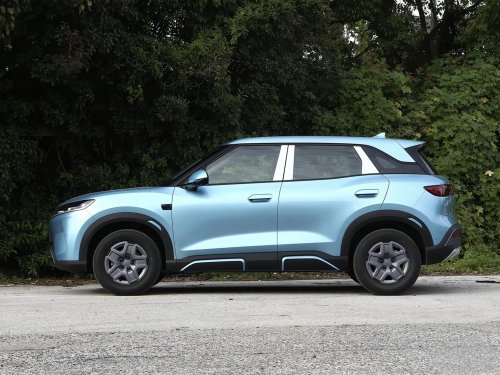
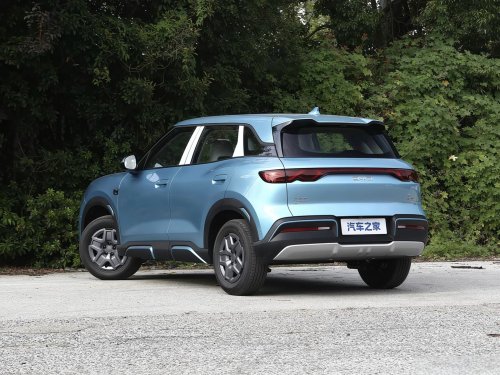
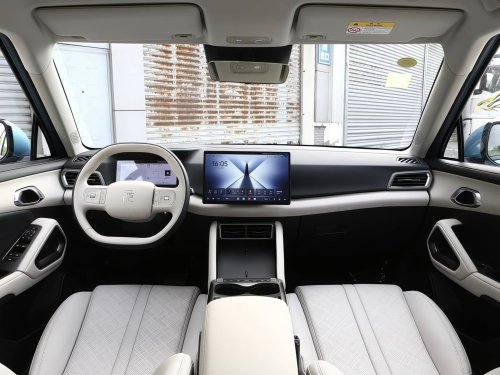



![BYD offers a closer look at the new Seagull EV [Images]](https://cdn.topcarnews.net/thumb/id/aHR0cHM6Ly9pMC53cC5jb20vZWxlY3Ry-ZWsuY28vd3AtY29udGVudC91cGxvYWRz-L3NpdGVzLzMvMjAyNi8wOS9CWUQtbmV3-LVNlYWd1bGwtRVYtdXBkYXRlLmpwZWc_-dz0xNTAwJmFtcDtxdWFsaXR5PTgyJmFt-cDtzdHJpcD1hbGwmYW1wO3NzbD0x/9c0b758dc4a218f611566b2a03c52e8a.jpeg?t=20260923&post_id=64651)