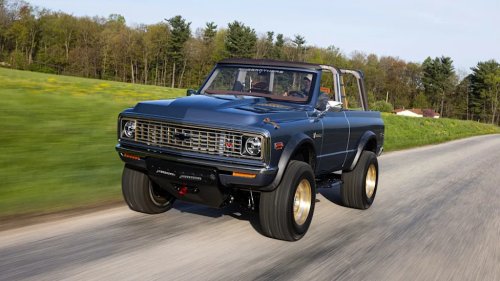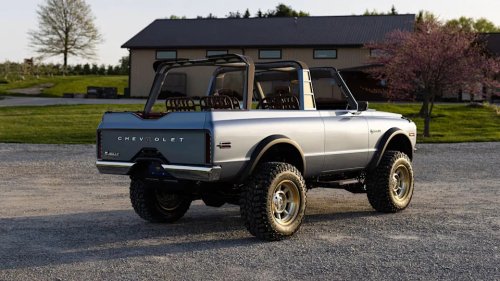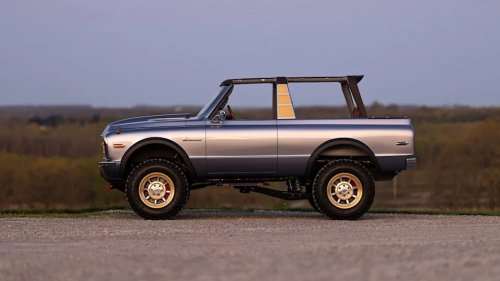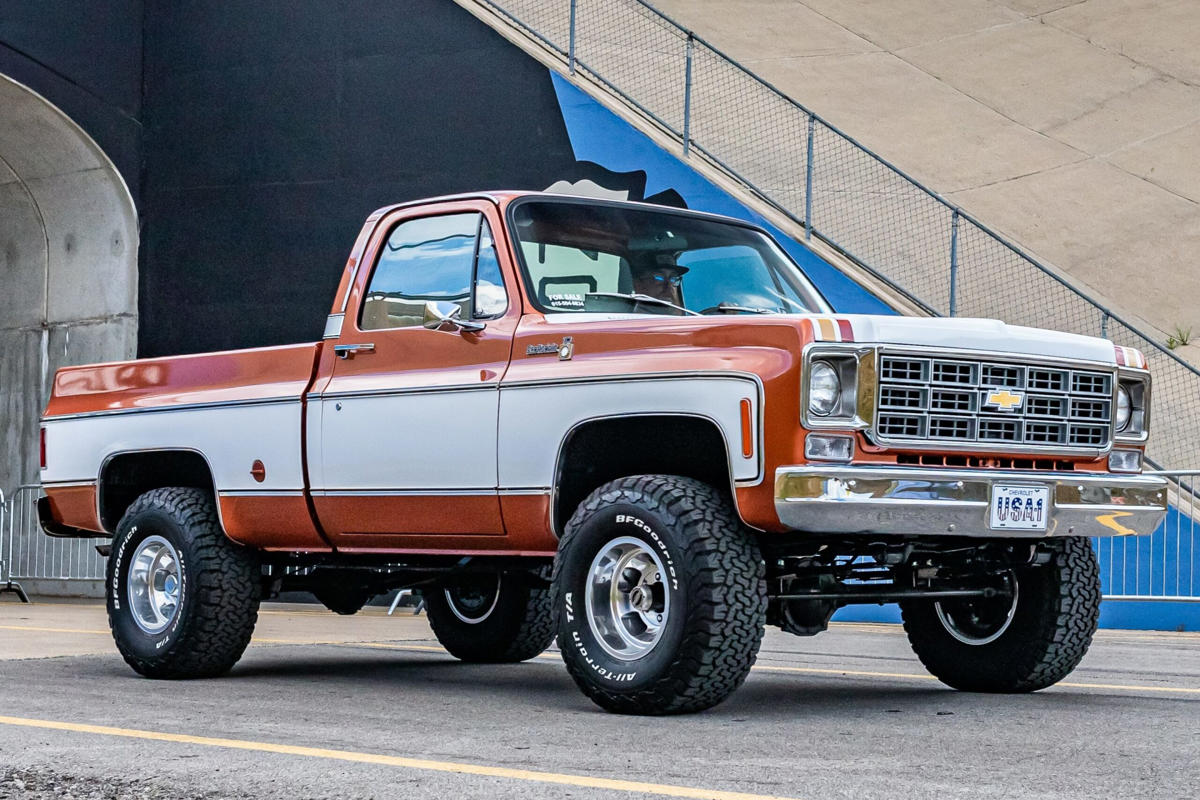



















Built to work the 1979 Chevrolet K10 handled jobs most trucks avoidedThe 1979 Chevrolet K10 was more than just a truck; it was a workhorse designed to tackle the toughest tasks that other vehicles shied away from. With its rugged design and powerful performance, the K10 became a reliable partner for both labor-intensive jobs and adventurous off-road journeys. Delving into the features that made the 1979 Chevrolet K10 a standout in its time reveals a story of capability and a lasting legacy. A Workhorse Design Durability and Build Quality The durability of the 1979 Chevrolet K10 was one of its most defining features. Built with a focus on strength and reliability, this truck was constructed using high-quality materials that were intended to withstand the rigors of everyday use. The K10’s body was made from rugged steel, providing a sturdy frame that resisted corrosion and wear over time. This robust construction meant that the truck could endure harsh conditions, from rough terrains to inclement weather, without compromising its performance. Owners of the K10 often praised its ability to handle the wear and tear of daily tasks, a testament to its build quality. The truck’s design incorporated reinforced components, such as a heavy-duty chassis and durable suspension system, which further enhanced its resilience. These features ensured that the K10 could remain operational for decades, a characteristic that contributed significantly to its reputation as a reliable workhorse. Off-road Capabilities The 1979 Chevrolet K10 was equipped with a four-wheel-drive system that made it particularly adept at navigating challenging terrains. This 4×4 capability was complemented by a well-engineered suspension system that allowed for greater flexibility and stability on uneven ground. Whether traversing muddy fields, rocky trails, or snow-covered roads, the K10’s off-road prowess was unmatched in its class. Chevrolet’s design considerations were evident in features such as higher ground clearance and robust axles, which enabled the K10 to maintain traction and maneuverability. These attributes not only made the truck suitable for off-road adventures but also for agricultural and industrial applications, where navigating difficult landscapes was a daily necessity. The K10’s off-road capabilities were a significant factor in its widespread adoption among farmers, construction workers, and off-road enthusiasts alike. Customization and Versatility The Chevrolet K10 was available in various configurations, allowing buyers to tailor the truck to their specific needs. This versatility was a major selling point, as it enabled customers to choose from different bed lengths, cab styles, and trim levels. Whether it was a standard cab for a no-frills work truck or a more luxurious interior for personal use, the K10 could be customized to meet a wide range of preferences. In addition to factory options, the K10 was also a favorite among customizers who sought to enhance its performance or aesthetics. From aftermarket lift kits to specialized towing packages, the K10 could be modified to suit virtually any requirement. This adaptability not only broadened its appeal but also solidified its status as a versatile and dependable vehicle. Engine Power and Performance Engine Options Under the hood, the 1979 Chevrolet K10 offered a variety of engine options that catered to different power requirements. The base engine was a robust 250 cubic inch inline-six, providing adequate power for general use. For those seeking greater performance, Chevrolet offered a range of V8 engines, including the 305 and 350 cubic inch models, which delivered enhanced horsepower and torque. These engine choices allowed the K10 to address a broad spectrum of needs, from everyday commuting to demanding work tasks. The availability of multiple powertrains meant that buyers could select an engine that best suited their driving habits and work demands, making the K10 a flexible option in the truck market. Towing and Hauling Capacity The K10’s towing and hauling capabilities were among its most impressive features. Designed to handle heavy loads with ease, the truck boasted a maximum towing capacity of up to 8,000 pounds, depending on the engine and configuration. This made it an ideal choice for those who needed to transport equipment, trailers, or other heavy items regularly. Additionally, the K10’s payload capacity allowed it to carry substantial weight in its bed, making it a valuable asset for industries such as construction and agriculture. The truck’s robust drivetrain and suspension system ensured that it could manage these heavy loads without compromising stability or control, further enhancing its reputation as a dependable work vehicle. Fuel Efficiency and Innovations While the focus of the K10 was primarily on power and capability, Chevrolet also made efforts to balance these attributes with reasonable fuel efficiency. The introduction of features such as a more efficient carburetor and electronic ignition helped improve fuel consumption, a consideration that was becoming increasingly important in the late 1970s. The K10 represented an era where advancements in automotive technology were beginning to take shape. Although fuel efficiency wasn’t its strongest suit, the truck’s design included innovations that set the groundwork for more efficient vehicles in the future. These changes reflected a growing awareness of the need for balance between performance and economy in truck design. Impact on the Truck Market Market Position in 1979 In 1979, the Chevrolet K10 occupied a competitive position within the truck market. The late 1970s saw a surge in demand for reliable, versatile trucks, and the K10 was well-placed to meet this need. Competing against models like the Ford F-150 and the Dodge D-Series, the K10 distinguished itself with its robust build and off-road capabilities. Chevrolet’s reputation for producing durable and reliable vehicles helped the K10 secure a strong market presence. The truck’s ability to cater to both personal and professional needs made it appealing to a broad audience, from small business owners to outdoor enthusiasts. This versatility was key to its success and contributed to Chevrolet’s overall market share during this period. Consumer Reception and Popularity The K10 was well-received by consumers, particularly those in the working class and truck enthusiasts who valued its ruggedness and practicality. Reviews from the time often highlighted the truck’s durability and off-road prowess as standout features, earning it a loyal following among those who needed a dependable vehicle for both work and play. Its popularity was further bolstered by its presence in rural and agricultural communities, where its capabilities were put to the test daily. The K10’s ability to perform reliably under demanding conditions made it a favorite choice for those who required a trustworthy partner in their work endeavors. This positive reception helped cement its legacy as one of Chevrolet’s iconic trucks. Influence on Future Models The 1979 K10 set a precedent for future Chevrolet trucks, influencing design and engineering choices well into the following decades. Its blend of durability, performance, and versatility became a template for subsequent models, ensuring that these attributes remained central to Chevrolet’s truck lineup. In particular, the emphasis on off-road capabilities and customization options continued to resonate with consumers, leading to advancements in these areas in later models. The legacy of the K10 is evident in modern Chevrolet trucks, which continue to prioritize the same values that made the K10 a standout in its time. Legacy and Cultural Significance Collector’s Item Today, the 1979 Chevrolet K10 is considered a sought-after classic, valued for its historical significance and enduring appeal. Collectors and enthusiasts prize the truck for its robust construction and iconic design, often seeking out well-preserved examples to add to their collections. The K10’s status as a collector’s item is bolstered by its rarity, as many original models have either been retired or heavily modified over the years. Restorations are common, with owners investing time and resources to return these trucks to their former glory. This dedication underscores the lasting impact of the K10 and its continued relevance in the automotive world. Cultural Depictions The Chevrolet K10 has also found a place in popular culture, often depicted as a symbol of rugged American work ethic. Its presence in movies, television shows, and advertisements has cemented its image as a no-nonsense vehicle capable of handling whatever life throws its way. These cultural depictions have contributed to the K10’s mythos, associating it with themes of adventure, resilience, and dependability. Such representations have helped maintain interest in the truck, even among those who may not have firsthand experience with it. Community and Enthusiast Groups A vibrant community of K10 enthusiasts continues to celebrate the truck’s legacy through clubs, events, and online forums. These groups provide a platform for owners to share their experiences, exchange restoration tips, and organize gatherings where members can showcase their vehicles. The passion and camaraderie within these communities highlight the enduring impact of the K10. Enthusiasts’ efforts to preserve and promote this classic truck ensure that its legacy will continue to inspire future generations of truck lovers. Modern Comparisons and Innovations Comparing to Today’s Trucks When compared to modern trucks, the 1979 Chevrolet K10 may appear lacking in certain technological advancements, but it still holds its own in terms of fundamental capabilities. Today’s trucks boast features such as advanced infotainment systems, sophisticated safety technologies, and improved fuel efficiency—areas where the K10 naturally falls short due to its era. However, the K10’s simplicity and ruggedness remain appealing traits, especially for those who prioritize mechanical reliability and ease of maintenance over cutting-edge technology. Its straightforward design allows for easier repairs and modifications, a factor that modern trucks, with their complex systems, often cannot match. Retro Appeal and Modern Revivals The retro appeal of the 1979 K10 has influenced a trend among manufacturers to revive classic designs with modern technology. Brands like Ford and Jeep have introduced models that pay homage to their heritage, blending nostalgic aesthetics with contemporary features. For Chevrolet, the lessons learned from the K10 continue to inform their approach to truck design. The appreciation for rugged, dependable vehicles remains strong, and the K10’s legacy serves as a reminder of the importance of these qualities in the truck market. Technological Advancements Since 1979 Since the era of the K10, technological advancements in truck design have been significant. Innovations such as electronic fuel injection, advanced suspension systems, and increased use of lightweight materials have transformed the performance and efficiency of modern trucks. Despite these advancements, the core principles that defined the K10—durability, versatility, and capability—still resonate. Modern trucks continue to build on these foundations, integrating new technologies while maintaining the essential characteristics that have long defined the truck segment. More from Fast Lane Only Unboxing the WWII Jeep in a Crate 15 rare Chevys collectors are quietly buying 10 underrated V8s still worth hunting down Police notice this before you even roll window down