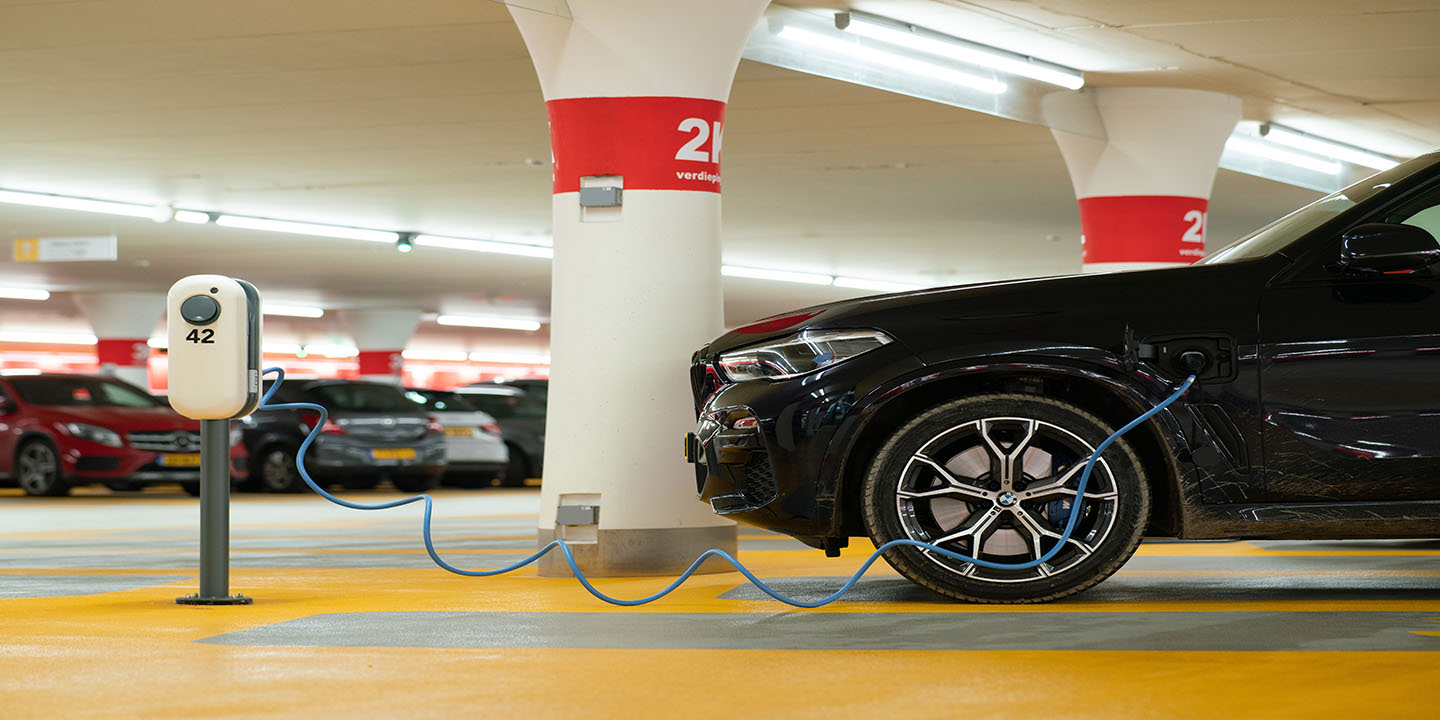
The Tariff Issue President Trump’s administration has shaken up the automotive industry in its current term; his latest mandate was to overturn the Biden administration’s carbon emissions and fuel economy targets in favor of making it easier and cheaper to build new cars in the U.S. However, his first controversial move was to increase import tariffs on cars not made in the U.S. in a bid to reignite sales for American car manufacturers and revive the car manufacturing sector. Automakers had no choice but to go along, but the reality is now starting to sink in as the cost of the tariffs is growing exponentially. Multiple car brands have already announced different plans to invest more in U.S. manufacturing to secure better tariff agreements with the Government; another one is joining the list. Reinvesting in America Automotive News reports that BMW is currently in talks with the U.S. Government about securing tariff relief. Robert Engelhorn, CEO of BMW Manufacturing, told the publication that the German brand is in discussions about import duties, which last year cost BMW over $1 billion. Engelhorn added that the company’s business model is to export, which is what prompted its new talks with the Government; he also said they are looking to lower tariffs and secure a free trade agreement. All of this comes after BMW just invested another $1.7 billion in its American manufacturing plant located in Spartanburg, South Carolina. This is one of BMW’s biggest manufacturing plants and helps the carmaker reach its annual production average of 400,000. Last year, BMW imported 215,000 cars into the U.S., which were hit by the new tariffs; most of these cars were the 3 and 4 series sedans. The fresh investment aims to help the South Carolina plant expand its EV production capabilities. Another reason the U.S. Government could look favorably on BMW’s request is that last year, the brand was the biggest exporter of U.S.-made cars across the industry. Everybody’s Plan BMW joins a growing list of carmakers that want to lower tariffs by striking deals with the U.S. Recently, one of BMW’s main rivals, Audi, just secured a massive deal with the government after it announced a new $4 billion assembly plant in Georgia. Meanwhile, Toyota, which paid a whopping $8 billion in tariffs during the recent fiscal year, is looking for the same treatment after it just announced a new $3.6 billion plant in Texas.

 Liked by Lauren Martin, Chloé Rogers







 Liked by Lauren Martin, Chloé Rogers