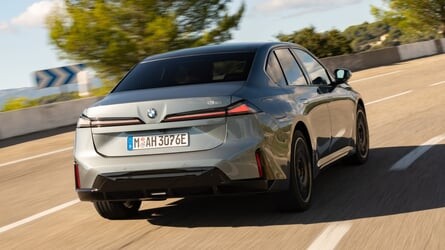
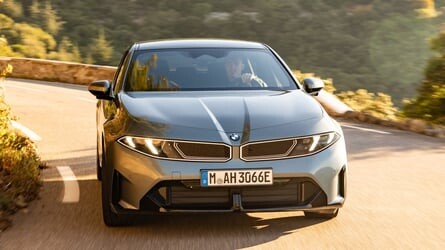
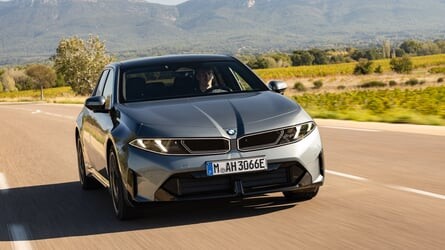
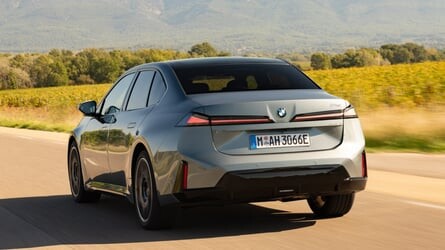
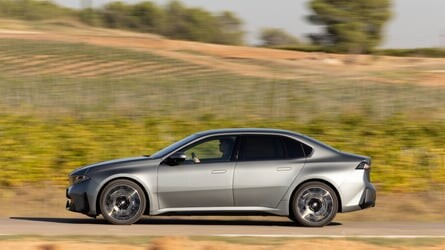
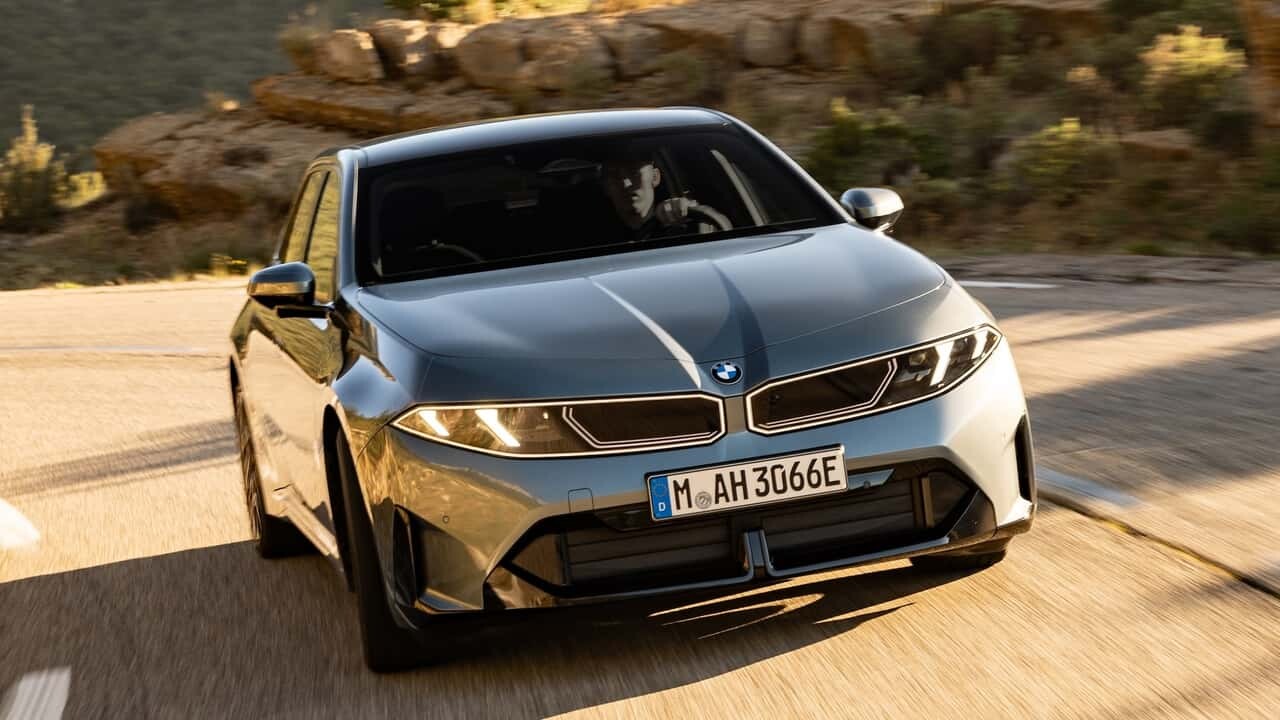
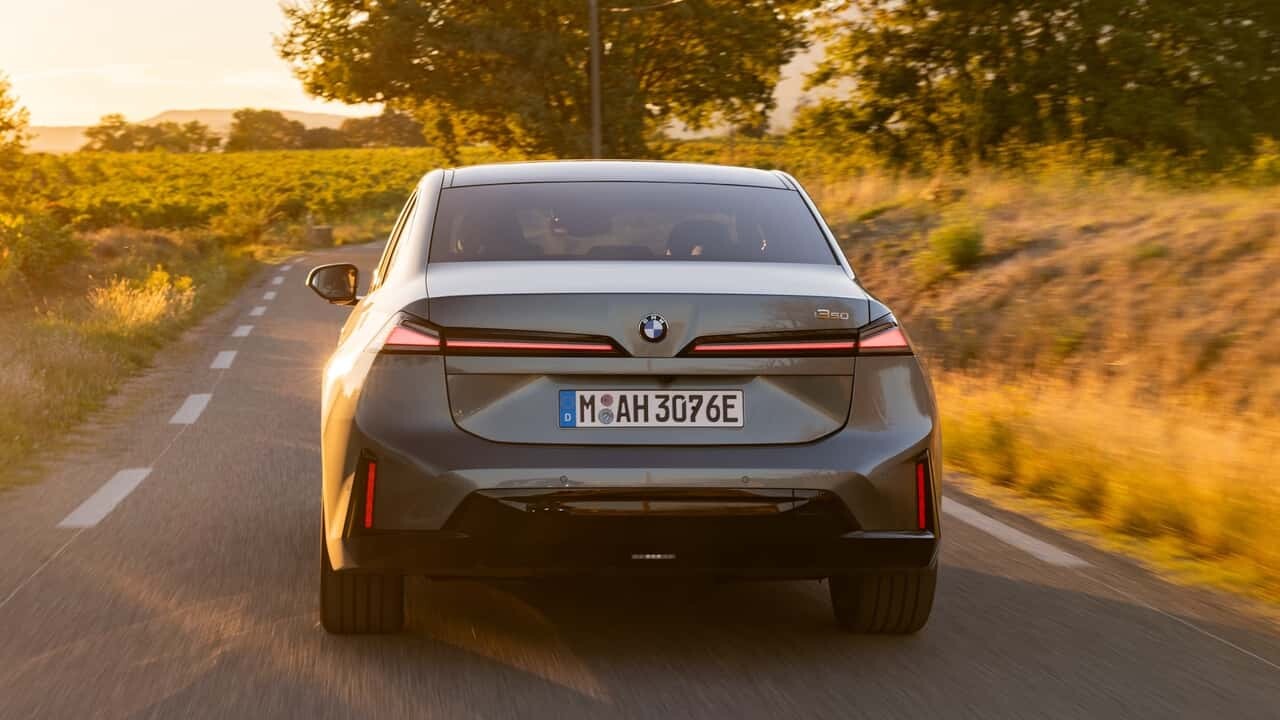
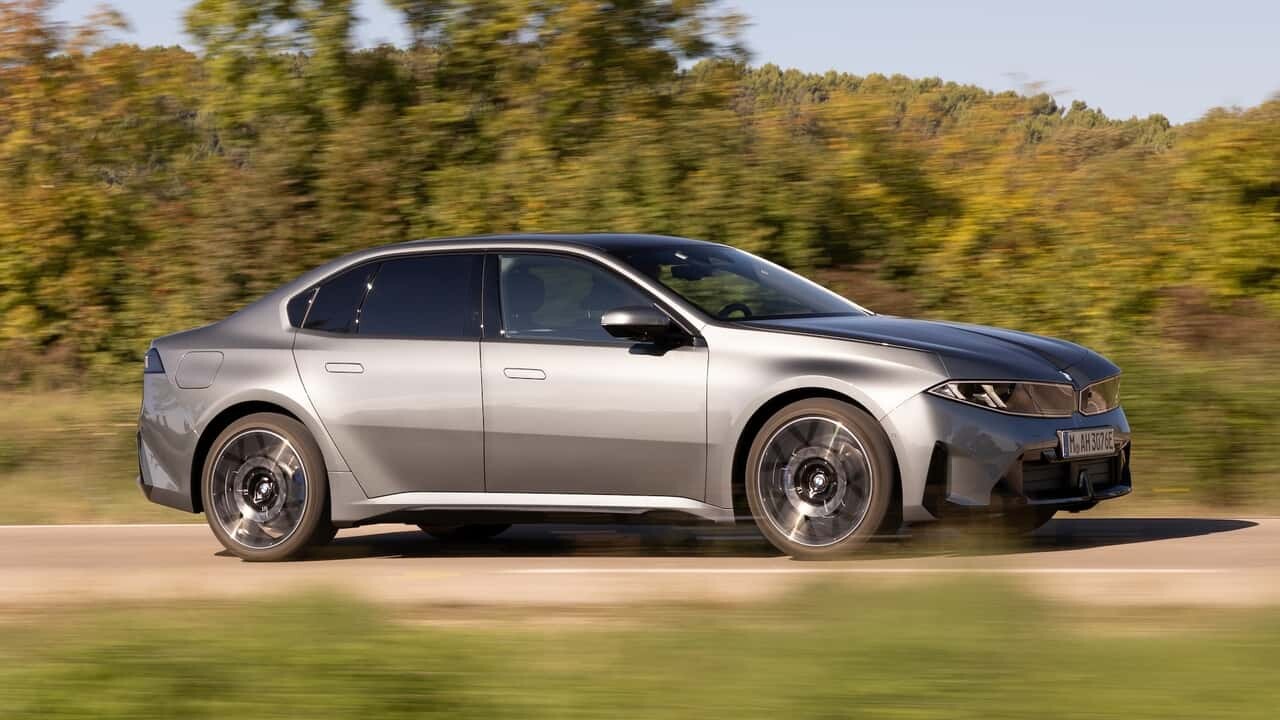
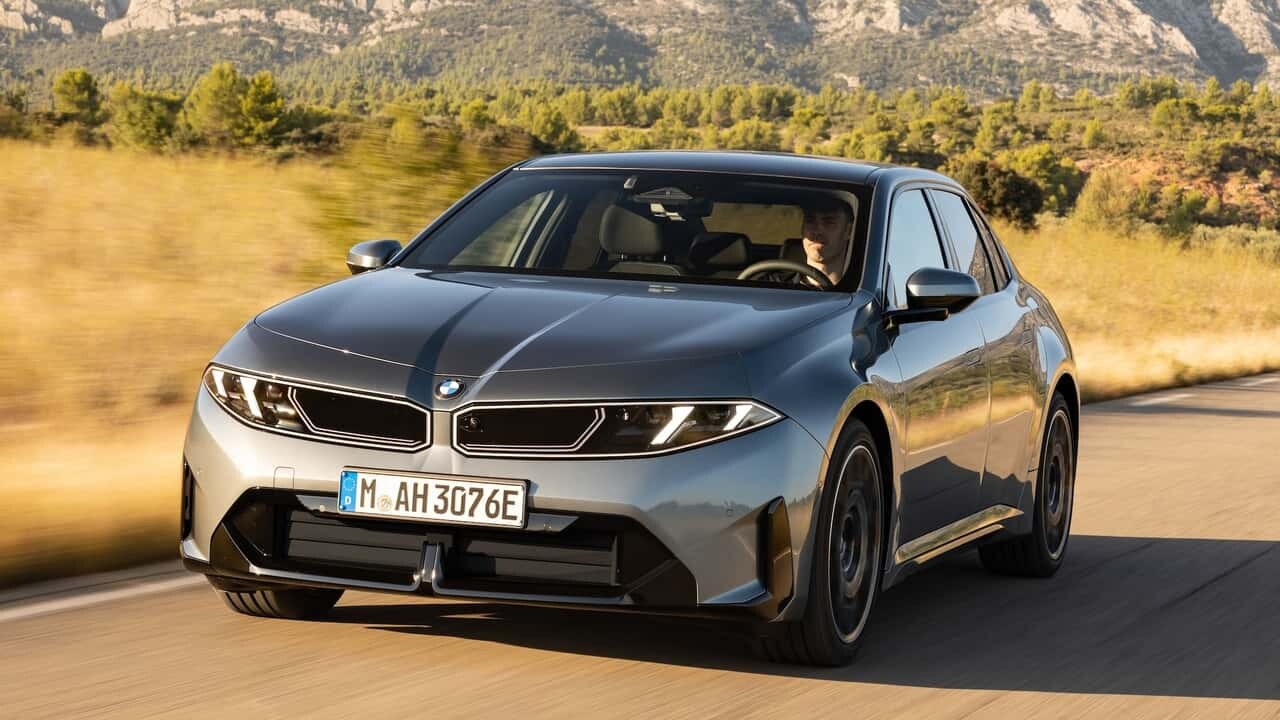
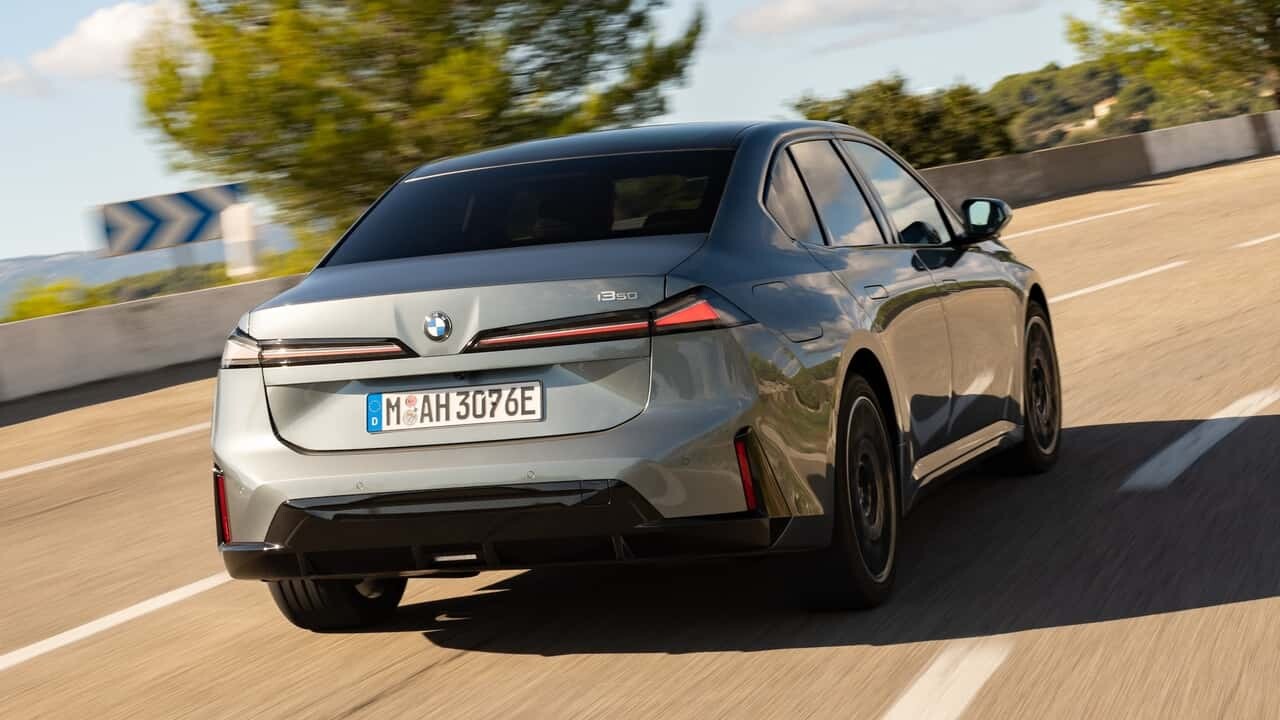
A classic BMW 2002 is a simple, mechanical machine. However, a modern BMW sedan is a rolling computer, one that relies heavily on software. And when that software is buggy, issues can arise—which is why the software is tested extensively before going to production. But what happens when that test software mistakenly makes it into production cars? According to a National Highway Traffic Safety Administration (NHTSA) recall report, BMW is recalling 286 i5 and i7 electric sedans in the United States because some vehicles may have been equipped with testing software, instead of the production software intended to manage high-voltage battery charging. In rare cases, this could expose people to a higher risk of an electric shock. The recall includes 236 examples of the 2026–2027 BMW i5, including the eDrive40, xDrive40, and M60 variants. Another 50 vehicles are 2027 BMW i7 50 xDrive and 60 xDrive models. All the affected vehicles were manufactured between May and July 2026. BMW first became aware of the issue on October 8, 2026, when high-voltage battery charging port supplier TE Connectivity Solutions GmbH alerted the automaker. An investigation ensued, and it was discovered that some charging units were mistakenly shipped with test software instead of production software. BMW is not aware of any injuries or accidents related to this problem. No hardware changes are required to rectify the issue, and the affected vehicles will require a software update. The recall report does not specify that this can be fixed via an over-the-air update, so a trip to the dealer will likely be required. BMW plans to mail owner notification letters beginning December 25, 2026, although we doubt the U.S.P.S. will be doing much picking up or delivery that day. Starting that same date, owners can also check their vehicle's recall status through the NHTSA recall website by using their VIN, but we suggest waiting until after the kids are done opening presents.