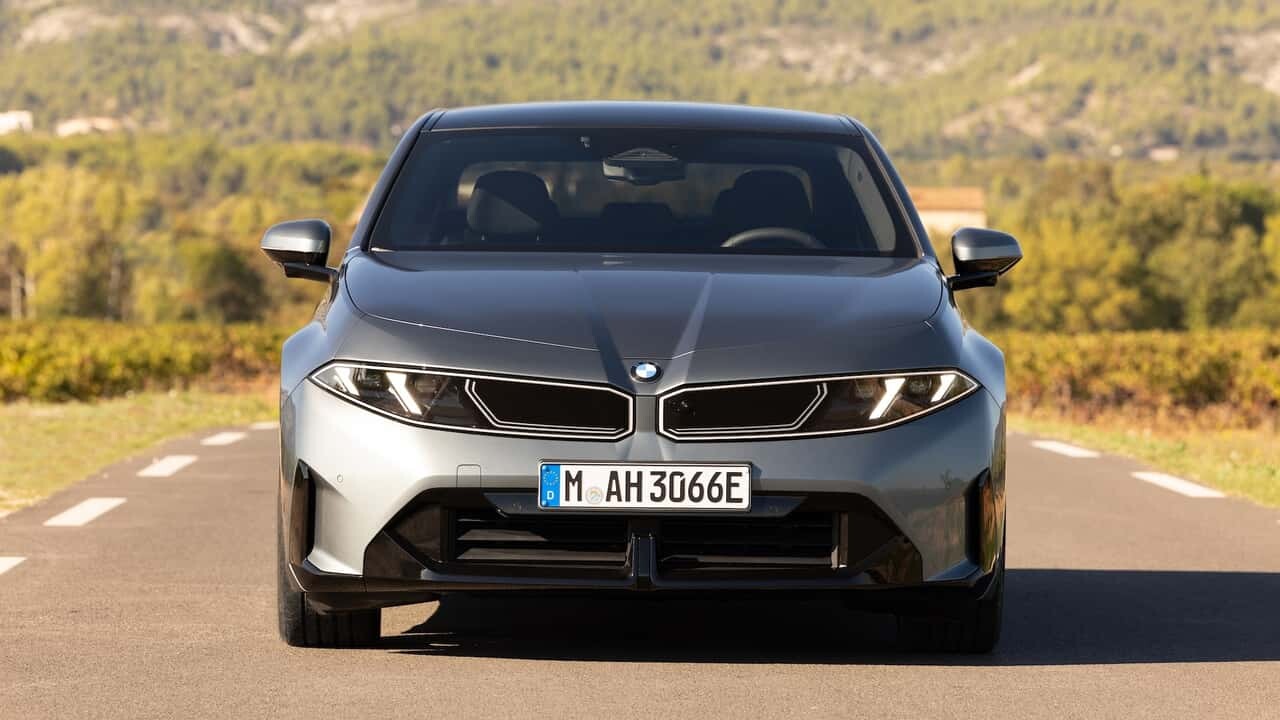
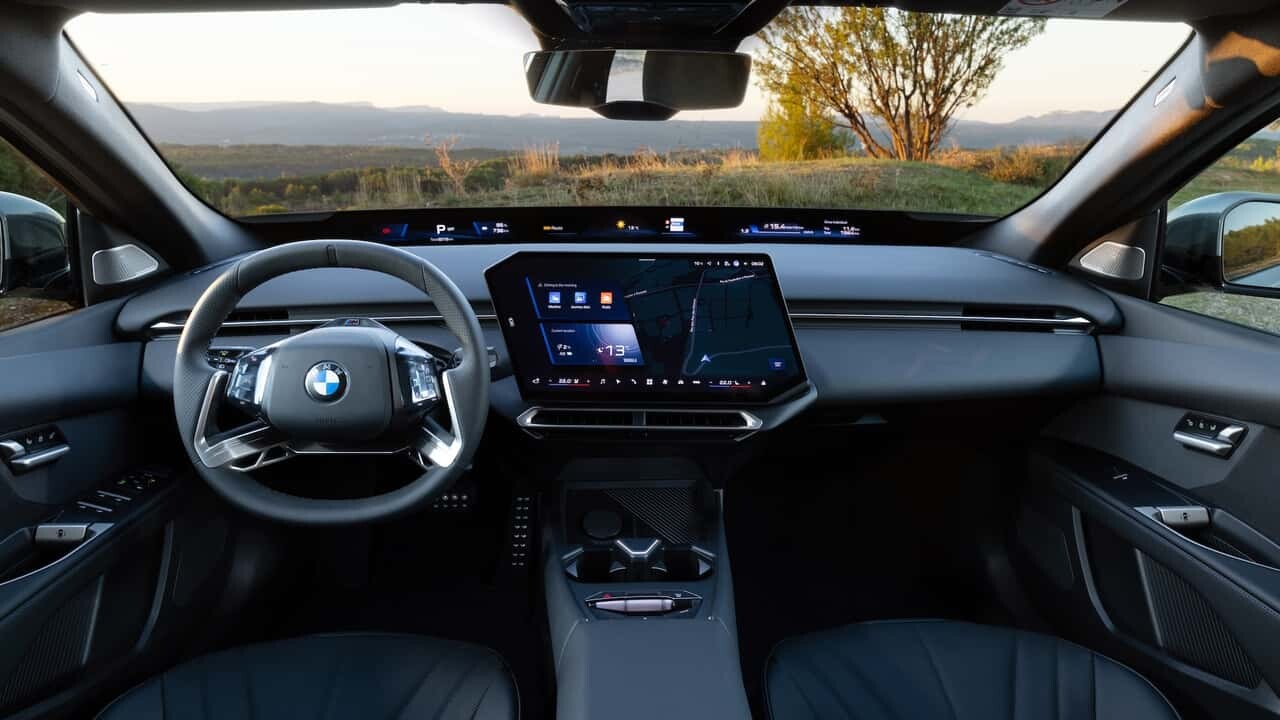
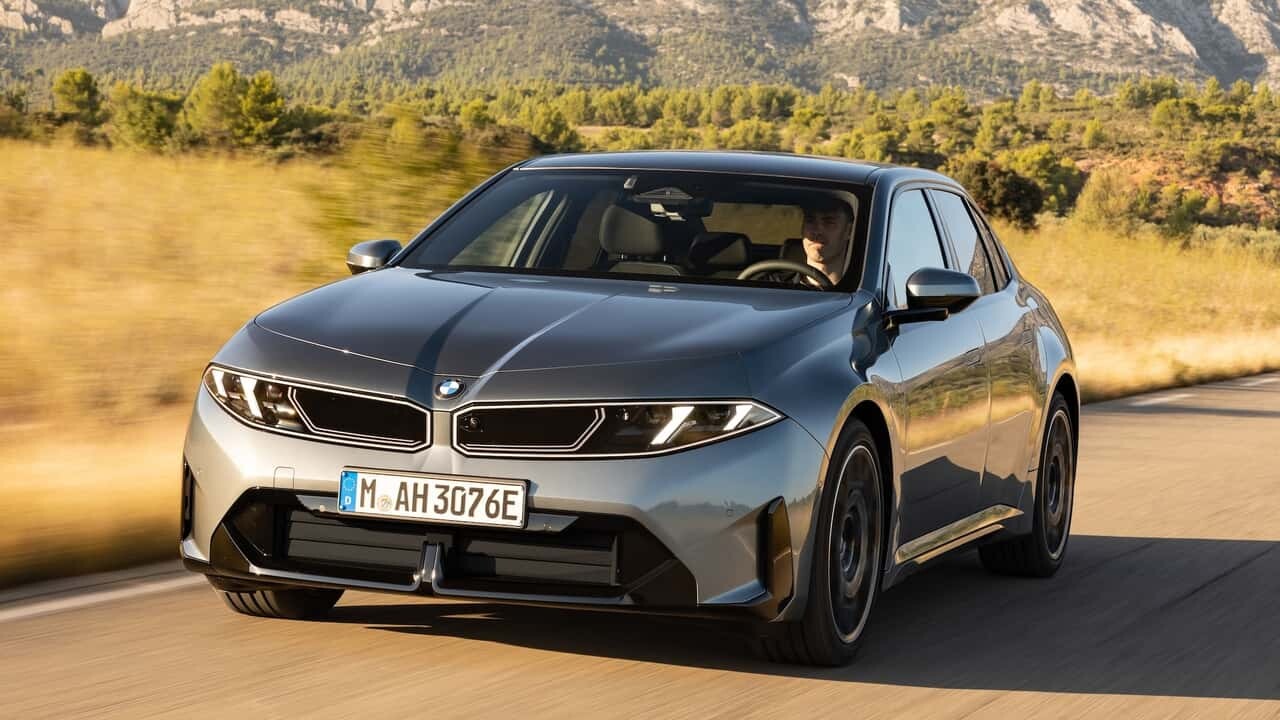
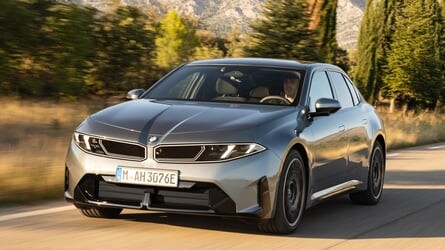
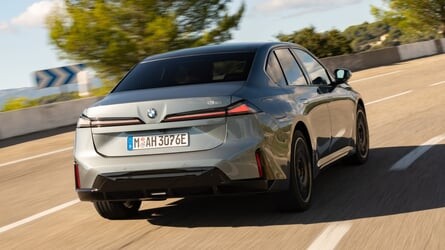
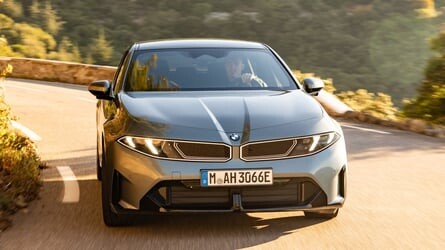
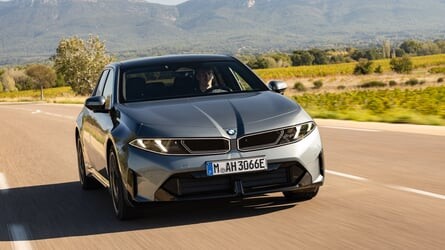
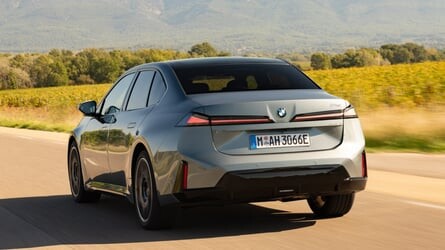
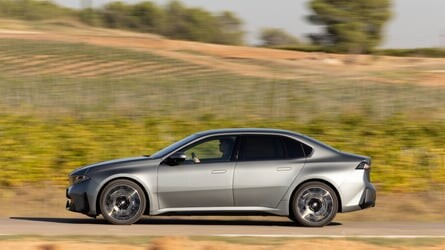
Through six generations of M3, the next model has always built on the reputation of the previous car. It was the natural order of things. However, nothing quite prepares for the generational talent the seventh-generation M3 and first all-electric M car represents. It is destined to change the performance-sedan landscape in much the same way as the original M3 did 40 years ago. The man in charge of overseeing the 2028 M3 is Philipp Brunn, Head of Project for BMW M3. “I’ve worked on the M3 project from the very start. From the overall concept to the targets like top speed, power, acceleration, lap times, and the balance between efficiency, range, and performance. We started with a clean sheet of paper and arrived at the electric M3.” Arriving at the right mix of ingredients took some careful consideration, something Herr Brunn says can be likened crafting a fine meal. “If you have enough salt in the recipe, it makes little sense to add more — it becomes too salty. To counter the saltiness mandates adding other spices to return the balance.” In the case of horsepower, adding more comes at a cost, as it mandates things like larger brakes, a revised suspension, more battery cooling, and on it goes. The question becomes is the extra oomph worth the incremental increase? The answer is the M3 is bang-on for power. Besides, overpowering the chassis just makes the car undrivable. In the M3’s case, it is a street-legal rocket and a legitimate track demon at the same time — “everyday drivability and race track performance were given equal development priority,” explains Brunn. Making the M3 a four-motor electric monster The revamp of the M3 also takes pure electric down a very different road. To begin with, it has four electric motors. Beyond the power they produce, the quad-motor design brings a full-on all-wheel-drive system, and the ultimate in torque vectoring. The two front motors generate 643 horsepower and 398 pound-feet of torque; the two rear motors pump out 751 hp and 737 lb-ft of torque. “We made the front motors a bit smaller,” says Brunn. “The two are used for regeneration and acceleration, but being smaller and lighter really helped the weight balance front to rear.” It also preserves BMW’s preferred rear-drive bias. In the end, the driver has access to net system output of 838 hp and 885 lb-ft of torque, which makes it the most powerful M3 ever. While there is no official number, expect the electrified M3 to hit 100 km/h in three seconds flat—or less! During normal driving, the M3 switches between all-wheel drive (AWD) and rear-wheel drive—AWD maximizes traction, performance, and regenerative braking; decoupling the front motors increases efficiency and driving range. It also does interesting things to the driving dynamics, too. Think “drift mode”! The beauty of controlling each motor independently is it brings peak precision and makes motor control the first level of stability control. Varying the output of each motor allows the system to counter oversteer and understeer by simply modulating the speed of each wheel. For example, throttling back on the two inside wheels while over-speeding the outside wheels points the car into a corner with incredible precision and less steering input. This puts the M3 on a higher plane altogether. Mastering ultimate driving dynamics in the EV era Herr Brunn’s team then turned to another of the key elements: driving dynamics. “We wanted to create the benchmark, giving it an emotional ride and the handling demanded of an M3.” Taking a leaf out of Colin Chapman’s book – he who founded Lotus and gained F1 fame – BMW added more reinforcing plates, cross-car braces, and strengthening struts to the M3 than you’ll find in a fleet of AMGs! Each is needed to make the Neue Klasse platform as stiff and as rigid as possible—when managing the forces at play in the M3, any weakness would surface in a hurry! Not here. The stiff chassis and Adaptive M suspension keep the M3 flat and unflustered even as the cornering forces make the P275/35ZR20s howl and riders shriek! The result is a precise turn-in, insanely high cornering speeds, and outstanding overall stability. In other words, everything expected of an M3. The same goes for the carbon-ceramic brakes — large rotors and front calipers handle the rigours of a hot lap without fading into oblivion. I do know riding in a very early test mule made my insides churn, palms sweat, and eyes widen at every corner. It was quite unlike anything ever experience before. Reaching new levels of M3 personalization Can you personalize the new M3? Well, yes, and to the point where many eyes will glaze over, such is the choice and scope. The driving mode preferences can be stored in the M1 or M2 shortcut buttons on the steering wheel. In terms of settings, the driver can choose between Comfort, Sport, and Sport Plus (for track days, please!) for the drivetrain, chassis, steering, and brakes. After setting those, the driver can then pick the level of stability control intervention and the noise the M3 makes when worked. Thankfully, the latter can be turned off. The M eDrive then allows the driver to pick how all of the M3’s goodness is delivered through six “Stages.” These and the simulated shifting through the steering-wheel-mounted paddle shifters is said to give the driver better feedback by changing the powertrain response and driveability across the speed range. Anyway, selecting Auto S sees the system looks after the shifting; Manual S allows the driver to do the shifting. Selecting D ditches the Stages, leaving the M3 with the normal driving characteristics of a BEV. BMW says the Stages and shifting blend high-performance gas-powered technology with modern electric-vehicle technology. Taking battery tech to the next grade in the 2028 BMW M3 The M3 uses a 100-kWh Gen6 battery with M-specific cells. According to BMW, the battery will deliver a range of up to 480 km, based on EPA testing. It also operates on an 800-volt architecture so the charge times are as fast as the rest of the car. When hooked up to a 400-kW DC fast-charger, the battery accepts 350 km of driving range in just 10 minutes. Regenerative braking also plays an pivotal role. The driver can select between Min, Mid, and Max regen settings. There’s also the ability to turn the “creep” from a standstill on or off. To put the importance of regenerative braking into perspective, consider this: when all four motors are harvesting energy during hot laps at the track, one of every three laps driven is effectively “gifted” to the driver thanks to regen braking! To preserve the track experience, as long as the battery has an 80% state of charge, the driver can select the M Pre-set Track functions that precondition everything for a specific track session. The settings can, again, be stored in the M1 and M2 buttons. The Hot Lap mode concentrates everything for a manic two-minute full-on flying lap. The Short Run setting optimizes everything for an eight-minute thrash; the Long Run sets things up for a 15-minute track session. The pre-sets are designed to maintain the peak performance expected of an M3 when running hot laps. Building up the BMW M3 interior As for the cabin, it is all very much i3 in terms of format and layout, with one notable exception: the front bucket seats. These things take adjustment to a new level. Along with the usual adjustments, there are separate adjustments for the upper and lower base, and the back-rest bolsters. Where it gets fancy is the fact there are yet more adjustments for the seat base. Three sections in the base allow the driver to sink lower into the deep-dish seat to get the support needed when pulling maximum G through a corner! With all the hype surrounding the launch of the next-gen M3, it is safe to say Herr Brunn is correct, the new electric M3 does not need a single grain of salt more—it represents a delightful home-run of a recipe. The new M3 electric promises to deliver a sporty everyday thrill, with the track performance putting your inner racer into rapture! Full specifications and pricing will be announced closer to the 2028 BMW M3’s launch.