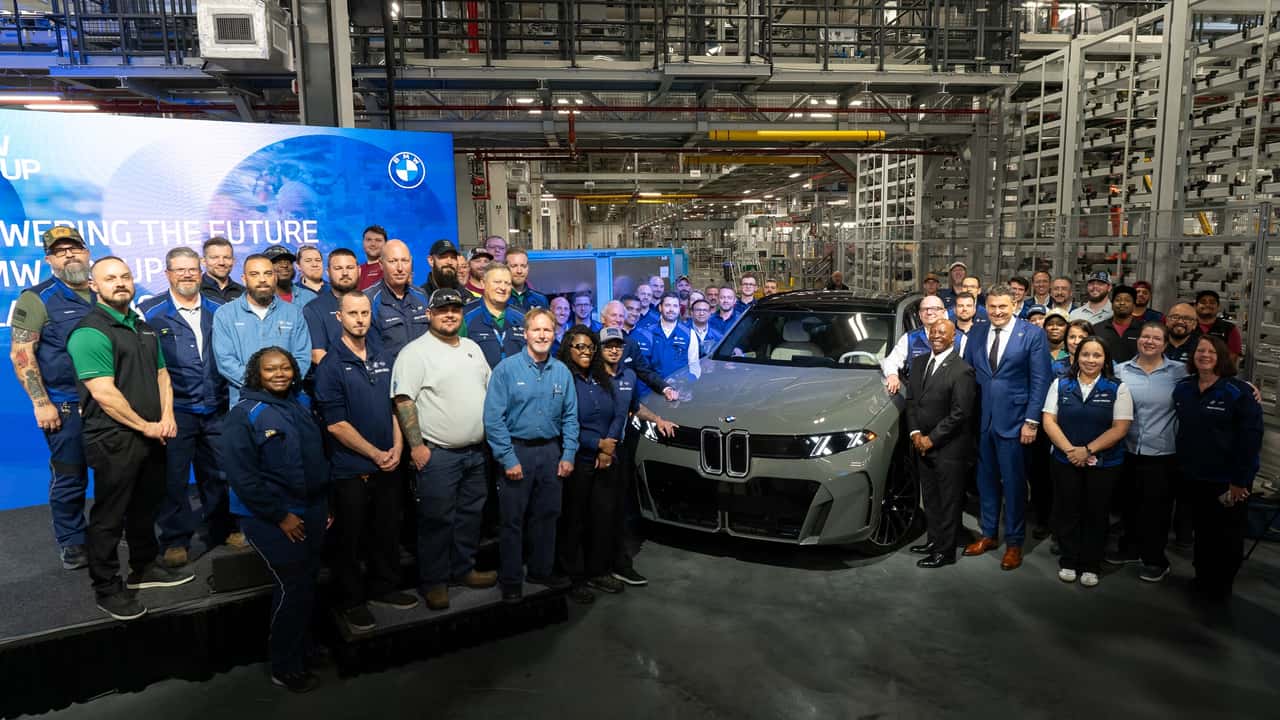
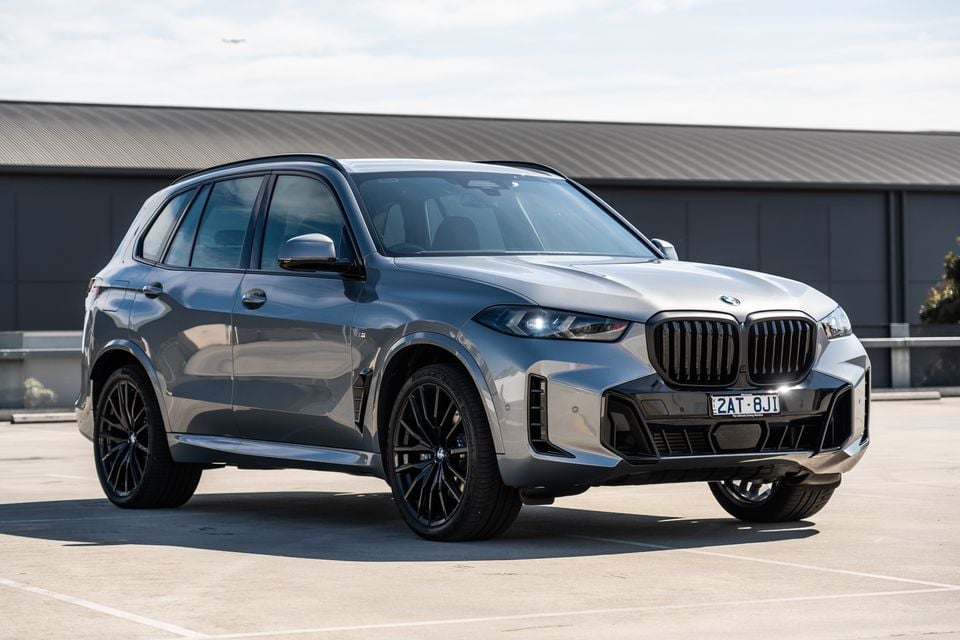
BMW has started building its first American-made electric vehicle, and the company wants Washington to notice the timing. The iX5 is now rolling off the line at Plant Spartanburg in South Carolina, backed by a $1.7 billion manufacturing investment. That spending is the centerpiece of BMW's pitch to the Trump administration for lower import tariffs. The German automaker paid more than $1 billion in US duties last year alone, even as it builds hundreds of thousands of vehicles domestically and ships many of them overseas. BMW Tariff Relief Talks Remain Unresolved 2027 BMW iX5 production in Spartanburg, South Carolina Robert Engelhorn, president and CEO of BMW Manufacturing, confirmed the automaker is in active discussions with federal officials. "Our business model is to export, so for sure we are in close contact with the federal government," he told Automotive News, adding that BMW is "looking towards free trade" and lower tariffs. South Carolina Governor Henry McMaster backed BMW's position, saying he has raised the issue directly with officials in Washington. "Over time, I've had conversations with the people in Washington about that very thing," McMaster said, sounding confident a resolution would eventually come together. Nothing has been finalized. There is no public indication of how much relief the administration might offer, or whether any deal is close, and BMW continues paying full duties on every vehicle it imports in the meantime. The stakes are real for BMW's bottom line. It imported roughly 215,000 vehicles last year, mostly 3 Series and 4 Series models the Spartanburg plant does not build, and each one crosses the border carrying that tariff cost. BMW's $1.7 Billion US EV Investment BMW Plant Woodruff Assembly Of High-Voltage Batteries Spartanburg is BMW's largest factory anywhere in the world, and the numbers back that up. The plant produced exactly 412,799 vehicles in 2025, a 4.2 percent jump over the prior year, with roughly half of that output exported to about 120 markets worldwide. Of the $1.7 billion investment, $700 million went toward a new battery assembly facility in nearby Woodruff. BMW is using $1 billion of the total to prepare the Spartanburg factory for electric vehicle production alongside its gas and plug-in hybrid models. What do you think? The iX5 is the first payoff from that spending, and it is already moving down the same flexible line as combustion and hybrid versions of the X5. Current output sits at approximately 70 vehicles per day, and the model is scheduled as a 2027 entry for the US market. BMW plans to build at least six fully electric models at Spartanburg by 2030, a buildout that goes well beyond the iX5. The iX7 is expected in 2027, with an iX6 likely following in 2028, and electric versions of the X5 M, X6 M, and an Alpina-badged iX7 reportedly in the pipeline as well. Gallery: BMW iX5 production in Spartanburg, South Carolina

 Liked by William Moreau, Isabelle Morgan


















 Liked by William Moreau, Isabelle Morgan


