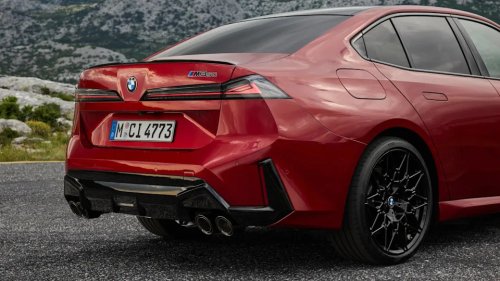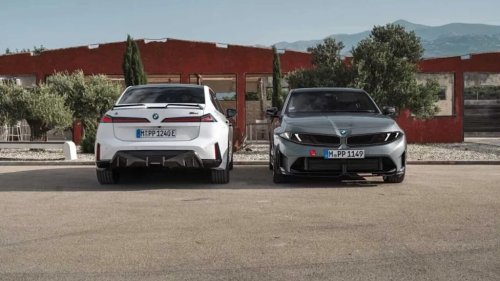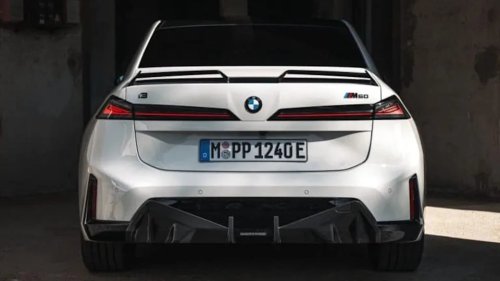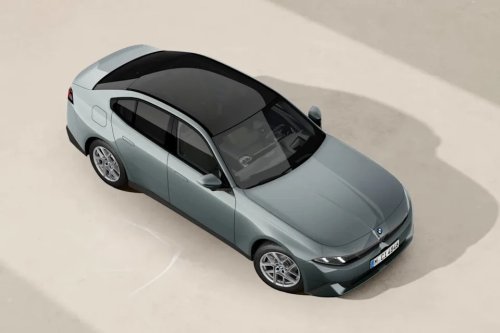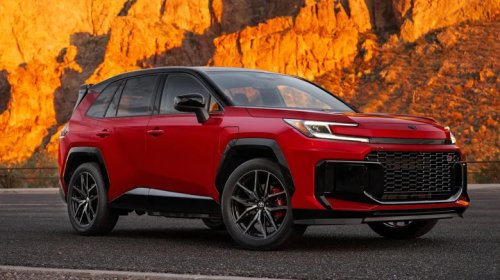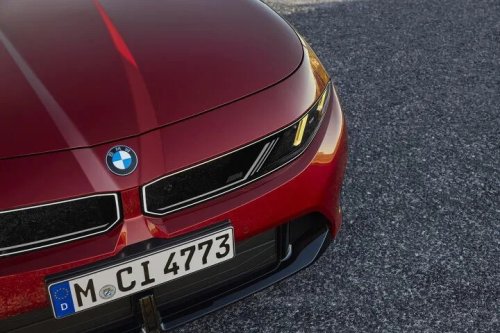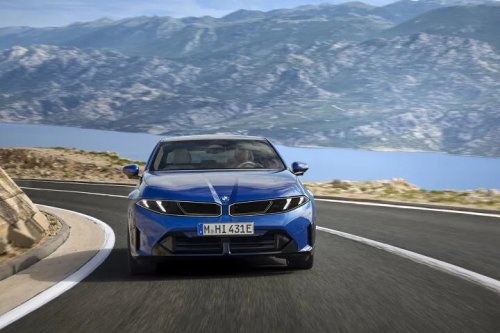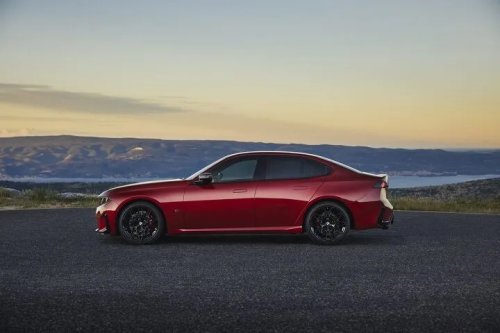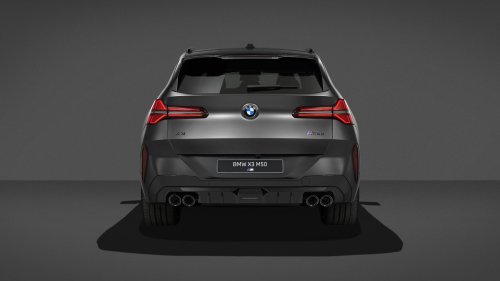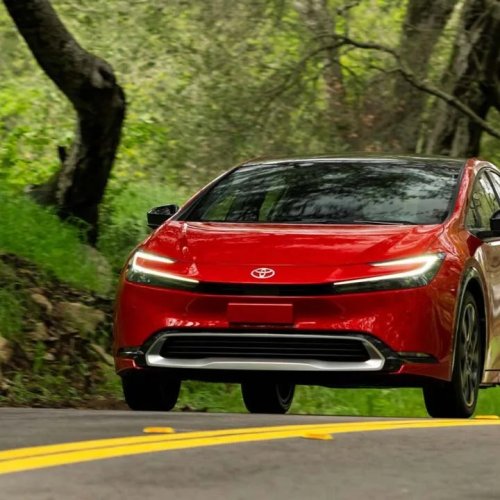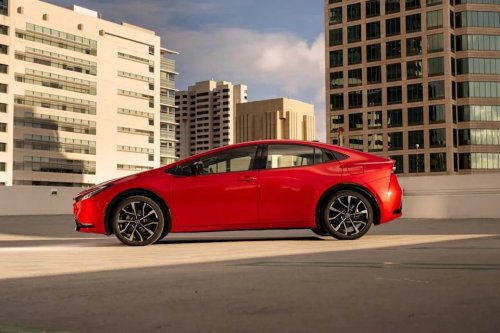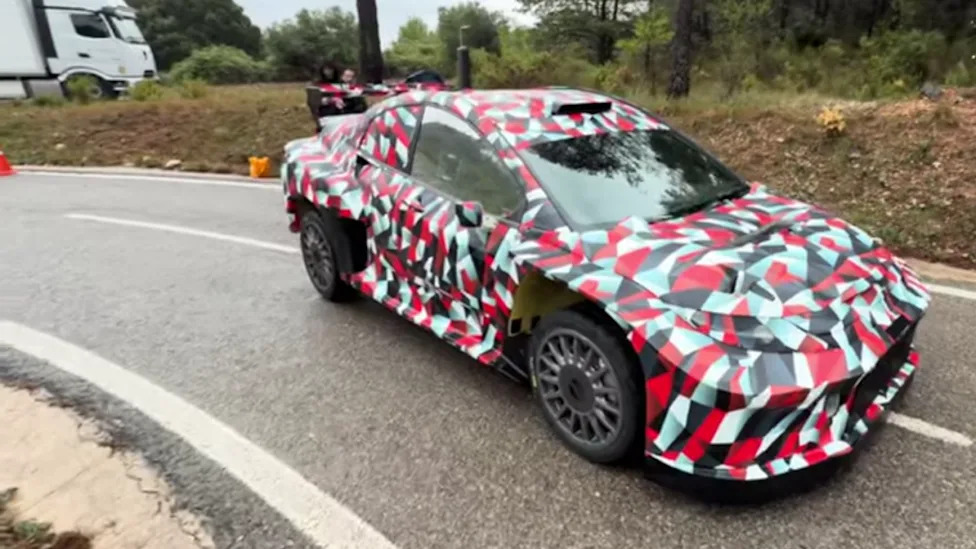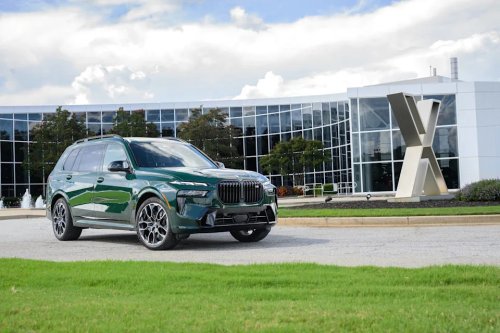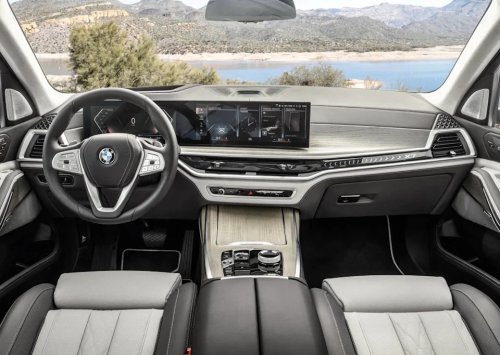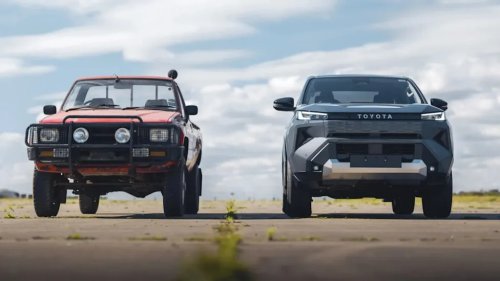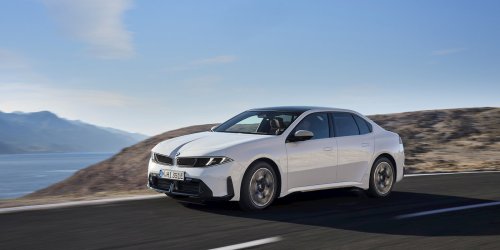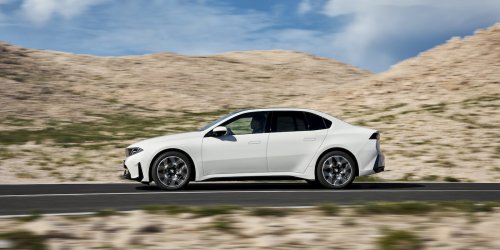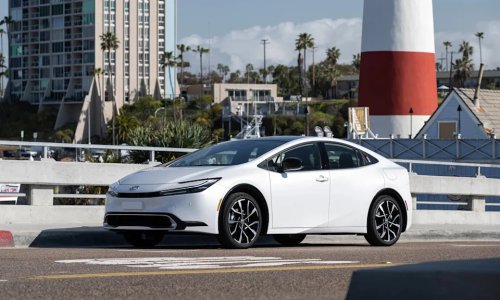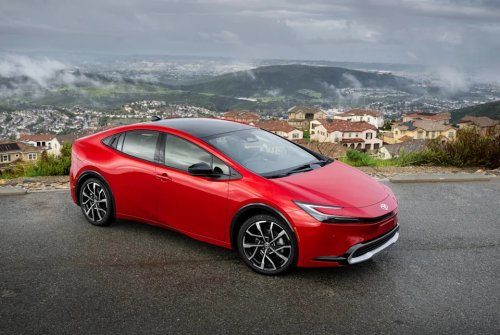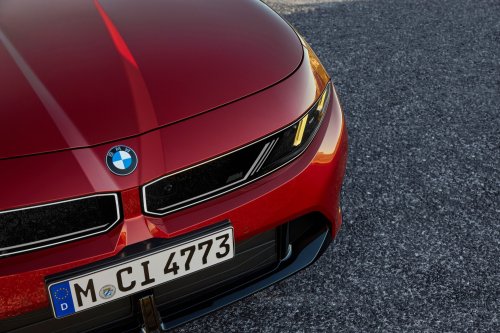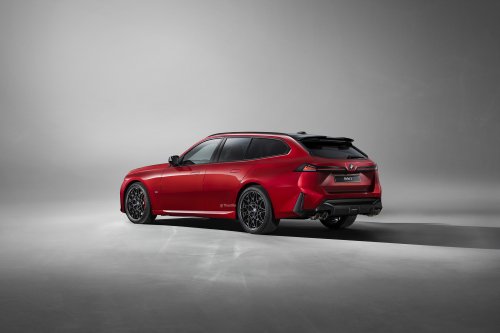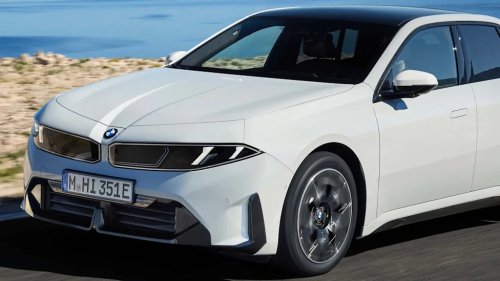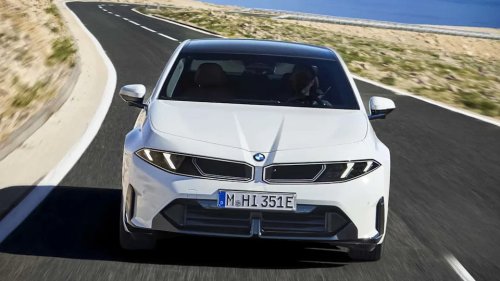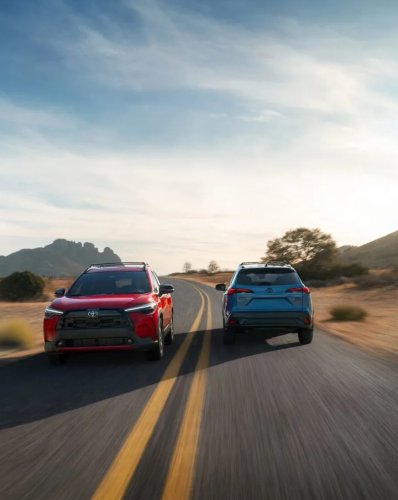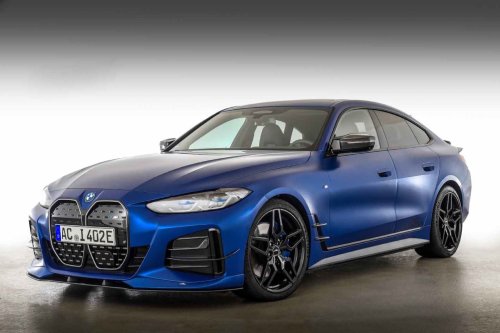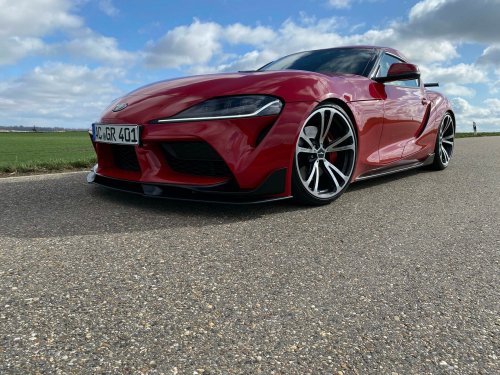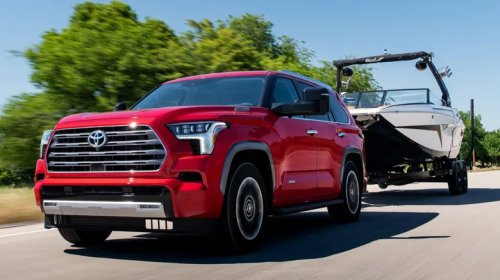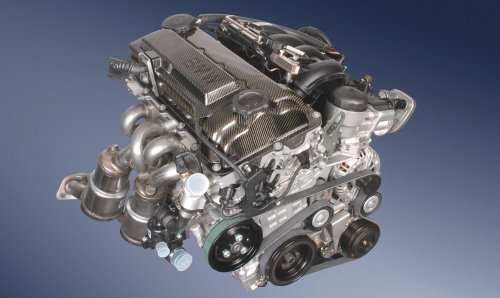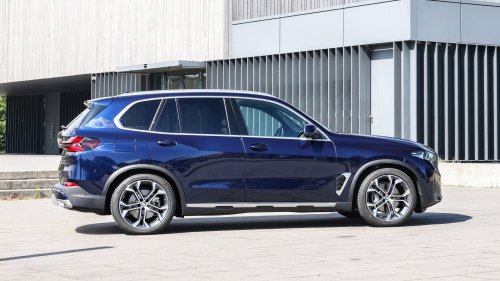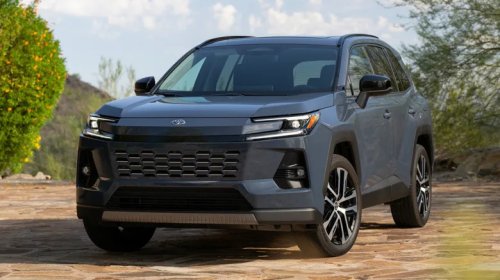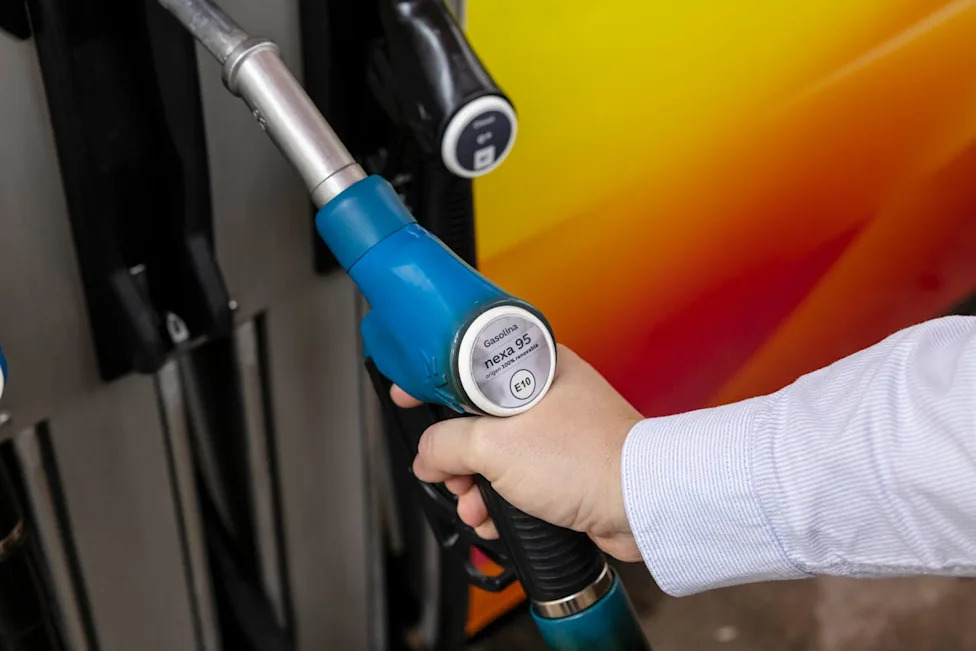
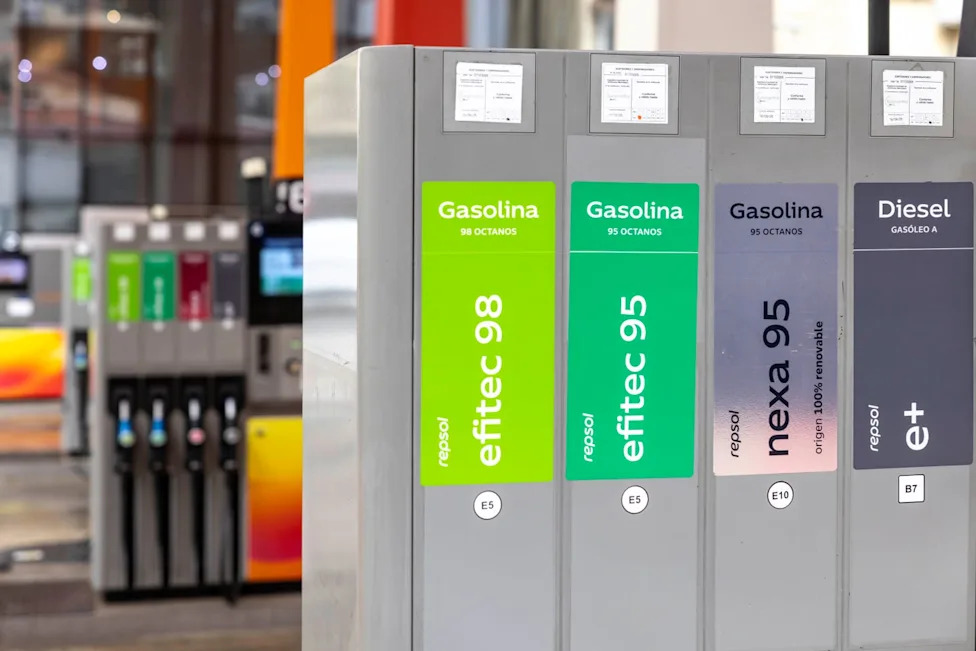



















What If You Didn't Have to Replace Your Gas Car?BMWBMW, Toyota, Bosch, and Repsol are testing a notion that should interest every car enthusiast: Is there a way to decarbonize transportation without replacing the millions of internal-combustion vehicles already on the road?They're betting the answer is yes, and the stuff their looking at? It's called renewable gasoline. As Europe continues to debate whether battery-electric vehicles should be the only route to carbon neutrality, BMW and Toyota are betting the internal-combustion engine still has more life to live.The companies announced a six-month pilot program in Spain that will deploy about 20 BMW and Toyota vehicles running exclusively on Repsol's 100 percent renewable gasoline. Bosch will monitor every gallon through a digital tracking system designed to verify the fuel's origin and usage.AdvertisementAdvertisementThe group claims the project isn't about proving that gas engines can outperform battery-electric vehicles. Instead, the test is aimed at European policymakers who have largely focused on electrification as the path toward the European Union's 2035 emissions targets.BMW and Toyota are making the case that the future shouldn't rest on a single technology.BMW"Technology openness is a key pillar of the BMW Group strategy," said Dr. Stefan Heller, who heads BMW's Vehicles Exclusively running on Eligible Fuels (VEEF) program. Toyota echoed that sentiment, arguing renewable fuels can complement electrification rather than compete with it.The pilot uses Repsol's Nexa 95 renewable gasoline, which is currently available at public filling stations in Spain. The fuel is designed as a "drop-in" replacement for conventional gasoline, requiring no modifications to existing engines or fueling infrastructure, and is produced from renewable feedstocks that comply with the EU's Renewable Energy Directive. That's the distinction the companies stress as both hydrogen and electricity for EV both require significant new infrastructure investments.AdvertisementAdvertisementBosch's role in the project is also important.Its "Digital Fuel Twin" technology allows it to track renewable gasoline from production through refueling and ultimately into individual vehicles, creating a digital chain of custody, if you will. The system combines vehicle telemetry, fuel-station information, and fuel-card transactions to verify that drivers are actually using renewable fuel. That capability will likely become key should regulators begin awarding emissions credits based on fuel usage rather than vehicle type.And for enthusiasts, the appeal is obvious.Renewable gasoline could allow existing performance cars—and even future internal-combustion models—to dramatically reduce lifecycle carbon emissions without sacrificing the character, sound, or driving experience of our favorite gasoline-powered cars.AdvertisementAdvertisementThe idea isn't new, either. Porsche has invested heavily in synthetic e-fuels, while motorsports series from Formula 1 to endurance racing have embraced increasingly sustainable fuels. But BMW and Toyota are now attempting to show the concept works not just on racetracks, but in everyday traffic using ordinary production vehicles.It remains to be seen whether lawmakers buy into that argument.The EU has largely committed to an electric future, though political pressure has grown in recent years to recognize renewable fuels as another pathway toward carbon neutrality. Toyota, in particular, has long argued that forcing every market toward EVs ignores so many variables, from regional differences in infrastructure, economics, and consumer demand.The companies say data gathered during the Spanish pilot will be shared with regulators and industry groups as debate over Europe's post-2035 automotive policies continues.