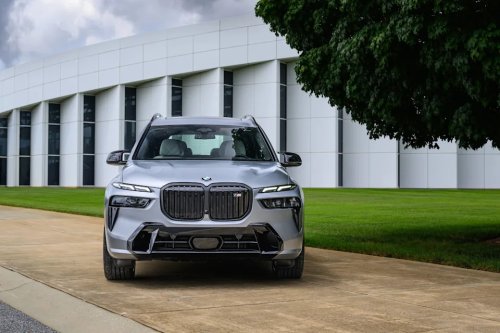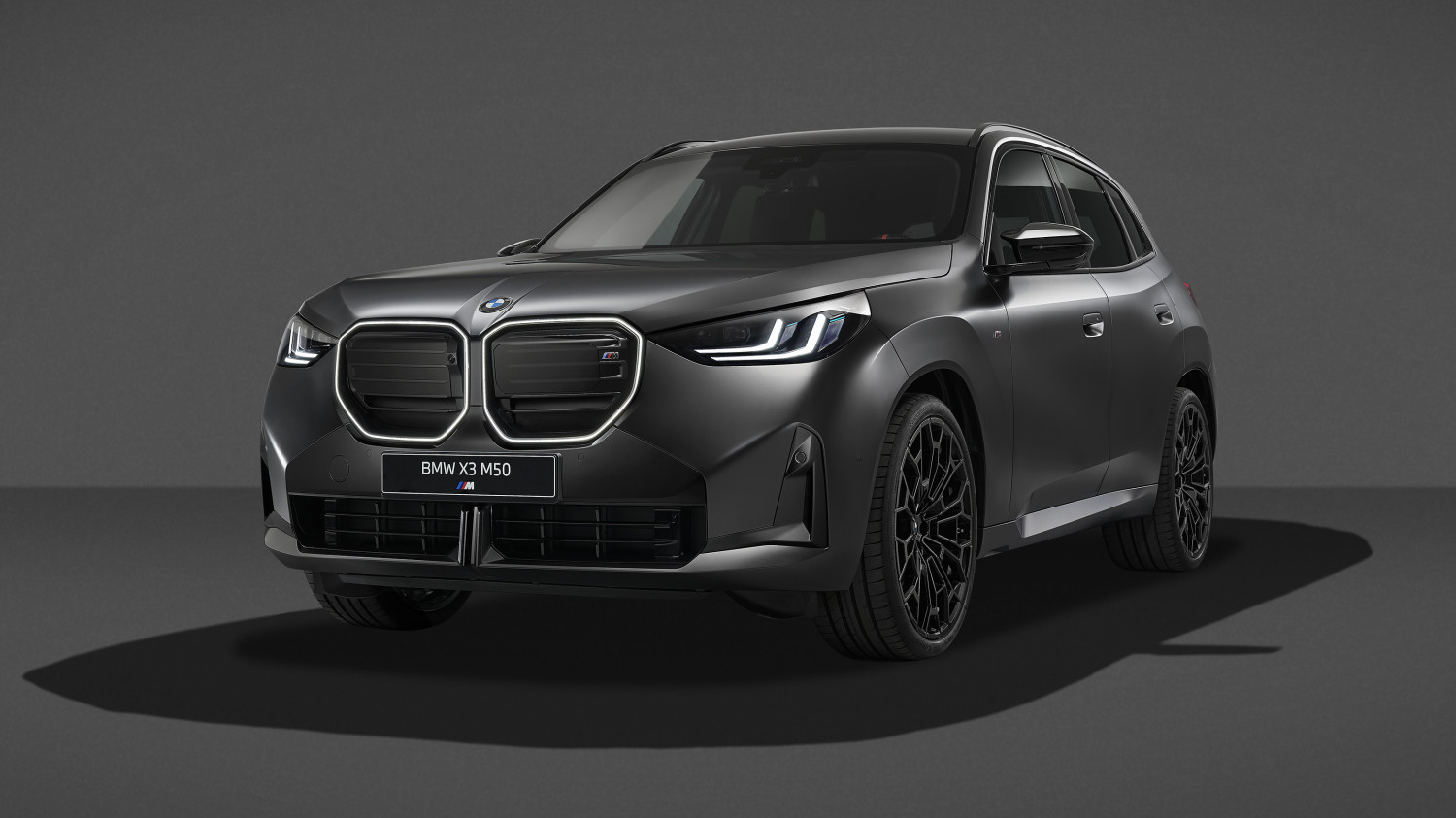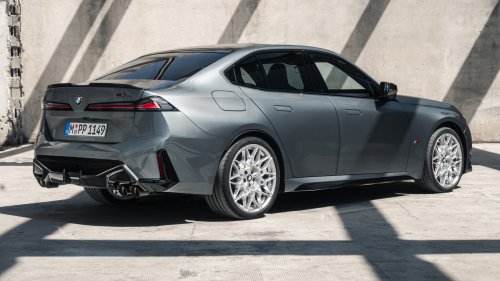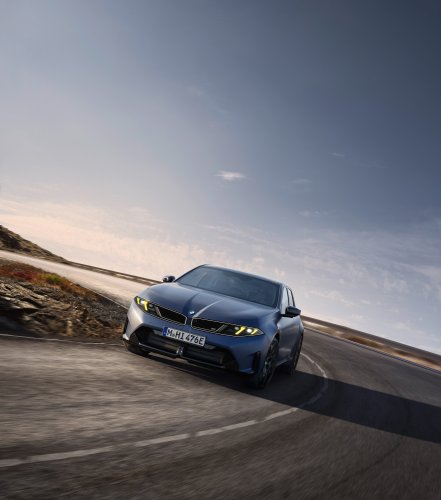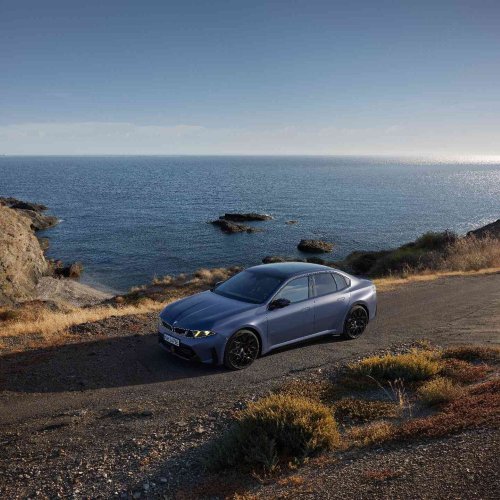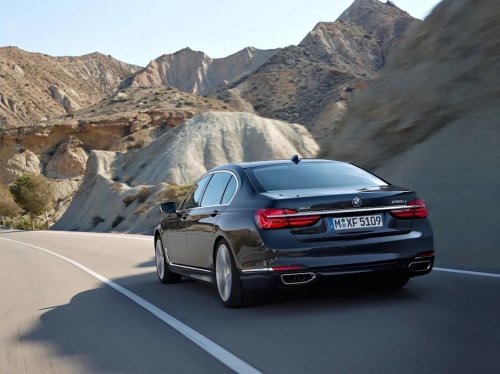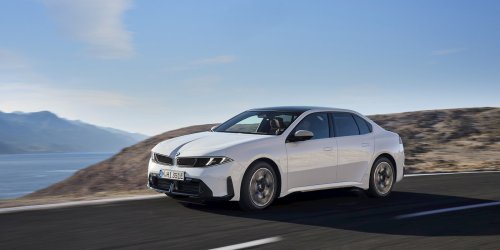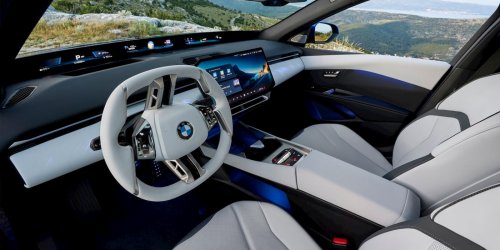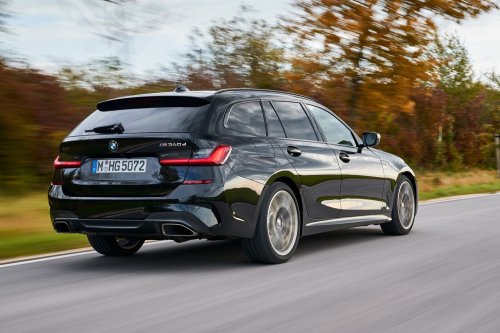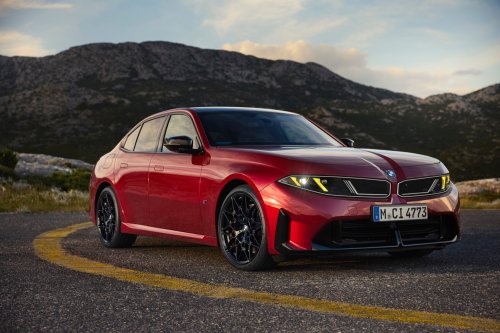



















BMW Says 29,000 Hybrids Might Catch Fire — Good Luck Finding Out if Yours Is One Before Next MonthIf you own a BMW 330e, 530e, or 740Le built sometime in the last decade, here is some safety advice straight from the company that built it: do not park it in your garage. Do not park it near your house. Leave it outside, out in the open, away from anything that could burn if it decided to catch fire on its own.That is the interim instruction behind BMW of North America's recall of 29,119 plug-in hybrid sedans, filed with the National Highway Traffic Safety Administration on July 8, 2026. The defect itself is refreshingly unglamorous: corrosion inside the engine starter relay. Over years of exposure to moisture, the relay's contacts can corrode, resistance builds, heat follows, and in a small number of cars that heat has been enough to short the circuit. NHTSA's summary is blunt: "A short circuit in the starter relay may increase the risk of a fire."That is the announcement. Here is the story underneath it.AdvertisementAdvertisementBMW is not telling owners to park outside because the repair is exotic. Dealers will simply swap in a new starter, free of charge, a job that takes a wrench and an afternoon. BMW is telling owners to park outside because the fix is not ready yet. Owner notification letters are not expected to be mailed until August 28, 2026, seven weeks after BMW told federal regulators its cars might catch fire on their own. Search NHTSA's VIN lookup tool for an affected 530e today and it comes back clean, because the actual list of affected vehicles will not be loaded into that system until the same date the letters go out. For more than a month, the only way an owner can know whether their car is one of the 29,119 is to already know its build date and trim, or to have read a news story like this one.That gap is not BMW being sloppy. It is how the recall system is built. Automakers are legally required to disclose a known safety defect within days of determining one exists, whether or not they have a fix engineered, letters printed, or enough spare starters on hand to cover 29,000 cars. The paperwork moves faster than the repair chain does, almost every time. What is unusual here is not the delay itself. It is the interim remedy of "park somewhere else," a rare admission that BMW is not fully confident that leaving the car in a normal driveway is safe enough advice on its own.This is not the first time this generation of BMW plug-in hybrid has been recalled over a fire risk, either. Back in September 2018, BMW recalled the same family of cars, including 330e, 530e, 530e xDrive, and 740Le xDrive models, because capacitors inside the TurboCord portable charging cable could fail and start a fire. Two fire-related recalls, eight years apart, on the same handful of nameplates, hitting two completely unrelated pieces of hardware: the cable that charges the battery, and the relay that starts the gas engine. That is not a pattern that points to one bad supplier or one bad part. It points to a first-generation platform that reached the market with more failure points than BMW's engineers fully appreciated at the time. These were some of BMW's earliest plug-in hybrids, built to hit Corporate Average Fuel Economy targets and European emissions rules years before the company's PHEV architecture had matured. Reliability issues have not been limited to the electrical side of BMW's lineup lately, either. The company's brake supplier problem has now required three separate fixes spanning BMW, Mini, and even Rolls-Royce.There is a genuinely overlooked engineering wrinkle buried inside that phrase "starter relay," too. In a conventional gasoline car, the starter does one job, once per trip: crank the engine at the beginning of the drive and shut off. In a plug-in hybrid like the 530e, the gasoline engine is not always running even while the car is moving. It switches on to help the electric motor or recharge the battery, then switches back off once it is not needed, sometimes several times inside a single commute. Every one of those restarts routes current back through that same relay. A part engineered around the duty cycle of an ordinary car, one or two starts a day, is instead absorbing the duty cycle of a hybrid, which can run many times higher over the same drive. Corrosion is the proximate cause NHTSA cites. But a relay working that much harder, that much more often, for the better part of a decade, is also a relay that earned its failure a little faster than anyone at BMW likely budgeted for.AdvertisementAdvertisementNone of this makes these particular cars unusually dangerous today. Twenty-nine thousand vehicles is a rounding error against BMW's plug-in hybrid sales since 2016, and no widespread fire pattern has been reported publicly. But it is a useful reminder for anyone shopping the used-luxury-hybrid market, where a 2017 330e or a 2019 530e now sells for a fraction of its original sticker price. These cars are aging into the exact window where corrosion-driven electrical defects tend to surface: old enough for years of road salt and moisture to have done their slow work, old enough to have aged out of BMW's original four-year warranty, and cheap enough to attract second and third owners who may have no idea a recall notice is even coming. BMW is hardly alone in dealing with a hybrid that needs a second look after the fact. Ford's own recall of 66,000 Lincoln and Explorer hybrids needed a follow-up fix this year after its first repair did not hold, and Kia's attempted fix for the Telluride's fire-prone seats failed badly enough that Kia ended up recalling its own recall.If you are one of those owners, do not wait for the letter. Call a BMW dealer, give them your VIN, and ask them to check it manually rather than relying on NHTSA's public tool, since that database will not reflect this recall for weeks. It is also worth reading up on what to actually do when your car gets recalled, since the process rarely moves as quickly or as clearly as owners expect.The starter relay itself will get fixed. It always does. The bigger issue is the six weeks of ambiguity sitting in between, a stretch where the most honest advice a car company can offer 29,000 owners is: trust us, and park outside.Join our Newsletter, follow our Instagram page, and connect with us on Facebook.