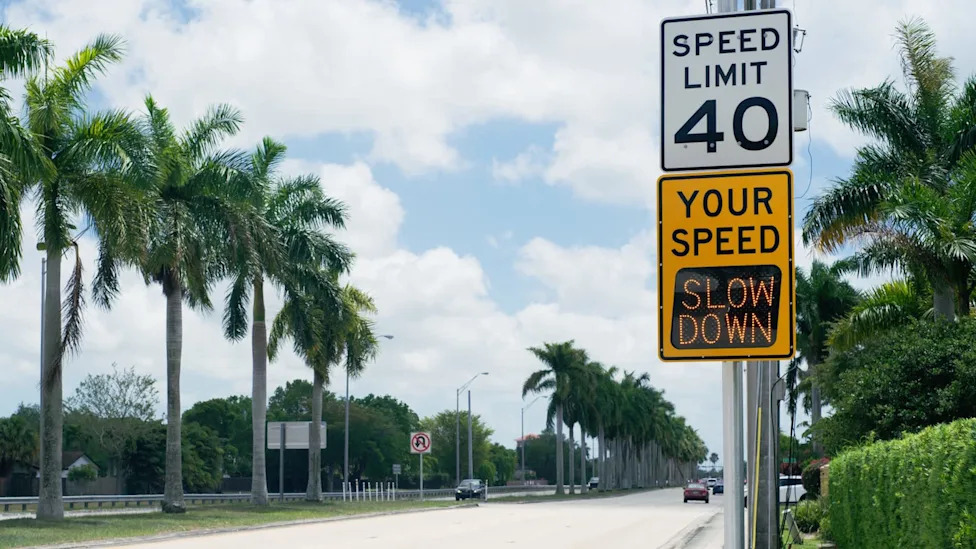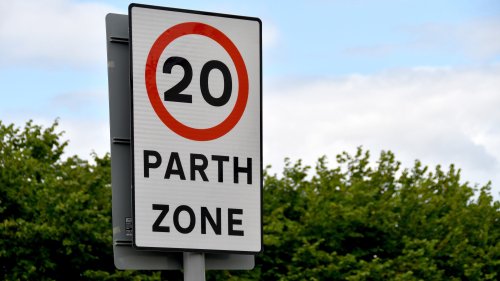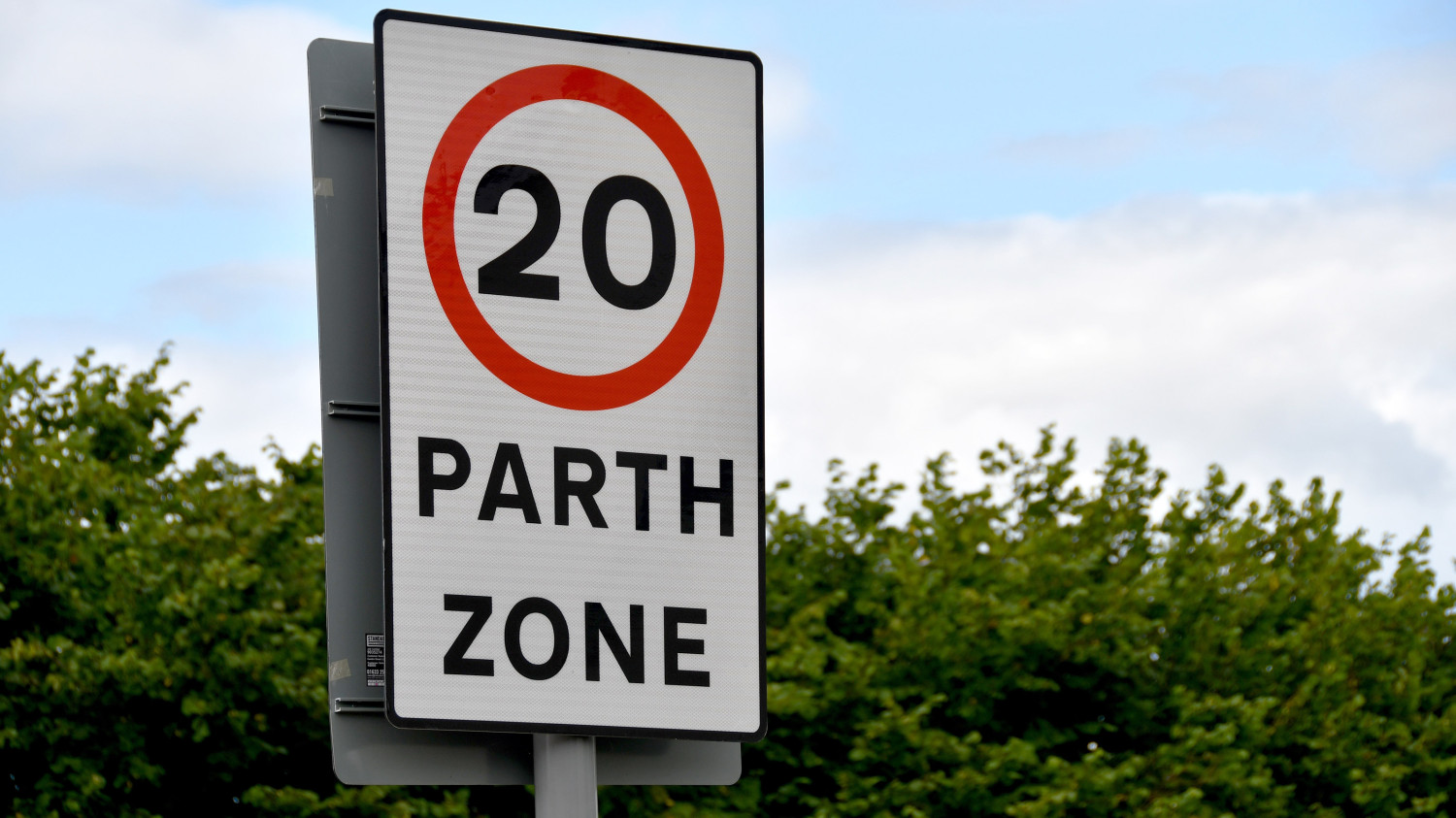


















Blanket 20mph speed limits across the UK have been put forward as a means to save money on signs and paperwork. This proposal was put forward to the House of Commons’ Transport Select Committee by the independent Parliamentary Advisory Council for Transport Safety (PACTS) as a potential addition to the Government’s new Road Safety Strategy. PACTS’ executive director, Jamie Hassall, told the Committee that “At the moment, [20mph speed limits] are done piecemeal. You have to sign it, [whilst] in a rural setting you end up putting them in hedges which then get grown over and you can’t see them.” Hassall points out that 80 per cent of British roads are classed as ‘C’ or ‘U’ – classified unnumbered or unclassified – and that current limits are unsuitable. With this in mind, he claims that “It’s a much cheaper way to just mandate [local limits] as 20[mph]” and then give local authorities the power to increase limits in certain areas if they deem it necessary. The advisory body says it also supports reducing the national speed limits on single carriageways from 60mph to 50mph. It also supports reducing dual carriageway speeds from 70mph to 60mph “where the infrastructure would not support the survivability of people travelling at those speeds if they were involved in a collision.” Rollouts of 20mph speed limits have been gaining traction in certain areas across the UK, despite varied public opinions. Wales has already implemented blanket 20mph limits in built-up areas, while Transport Scotland has begun introducing lower limits for “appropriate” roads in cities, towns and villages. Yet while Northern Ireland has also just finished consulting on implementing blanket 20mph limits across the country, moves in this direction have not yet happened in England. London Mayor Sadiq Khan has made it his mission to reduce limits in the capital, with roughly half of London’s roads now at 20mph. But Hassall says the way to get the public onside for this controversial issue is to reframe it: “It’s about getting everyone in the country to understand what the benefits are,” he told the Committee. “If you talk about 20s, [people] get upset. If you talk about kids getting to school safely, [they’re] very supportive.”