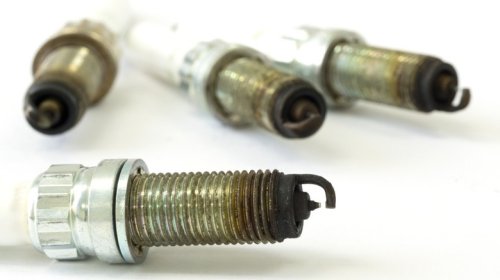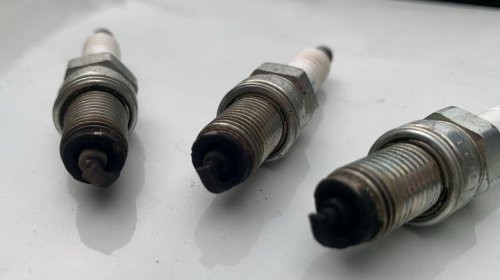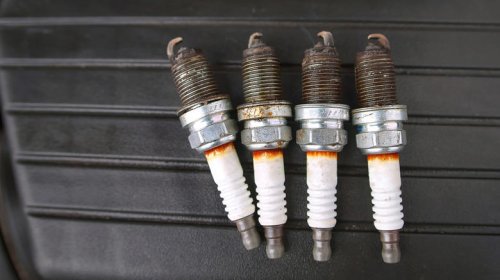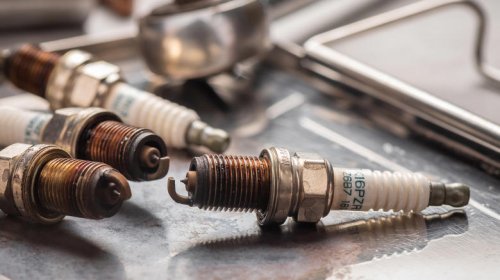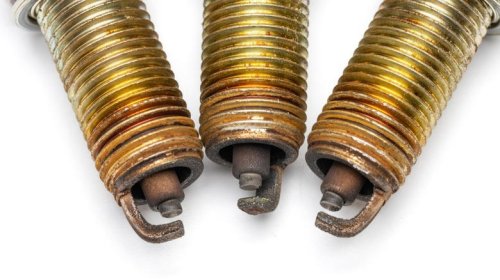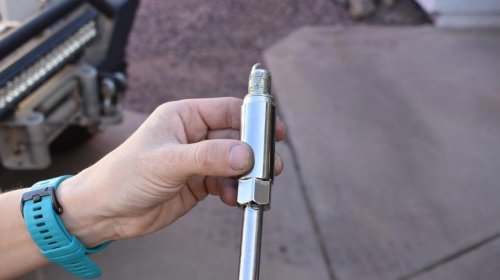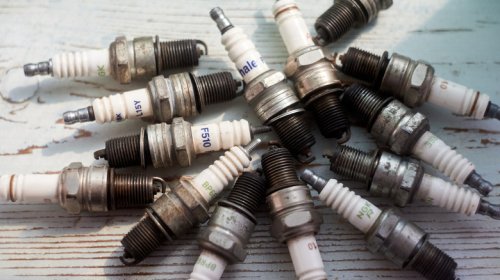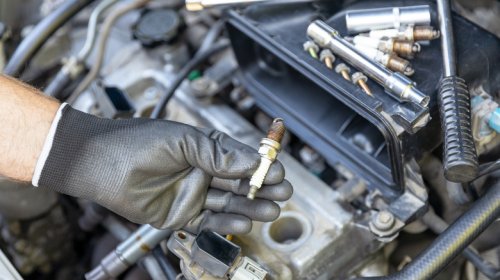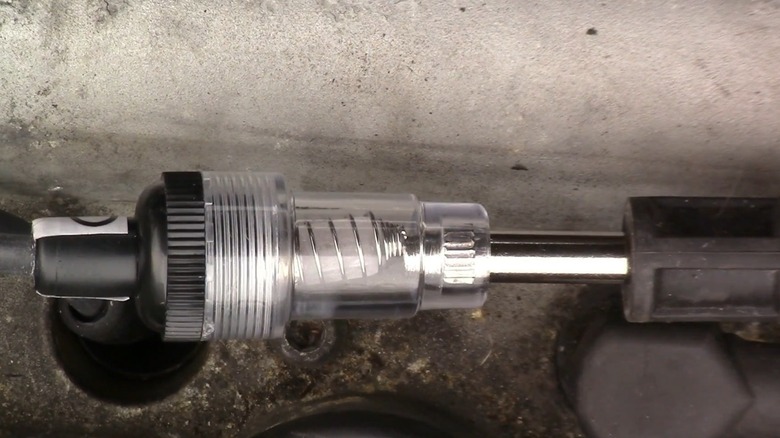
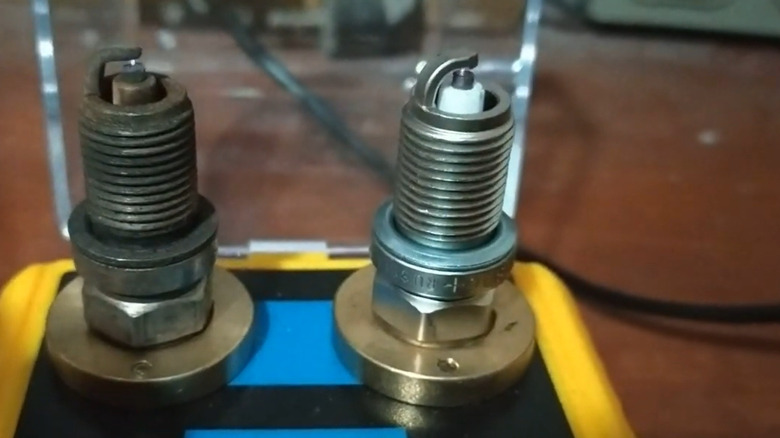
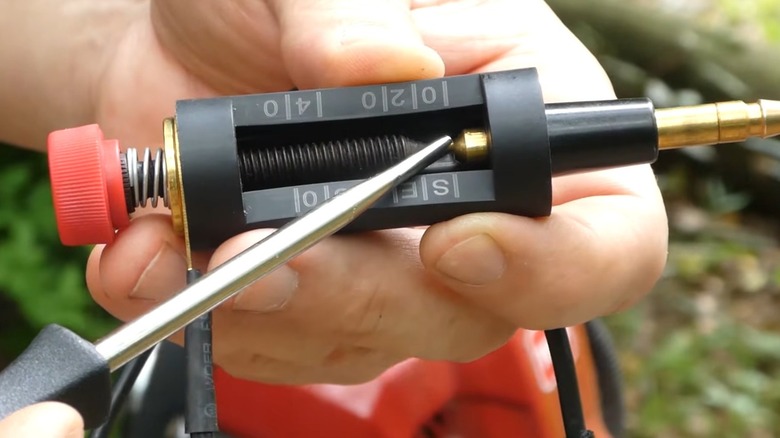























ScrewNutsAndBolts/YouTube Fixing vehicles by throwing parts at them until they run right isn't a very good feeling. It's better to have an idea of what the problem is, if possible, before running to the parts store. Diagnostic tools can save time and money in that regard. What about spark plug testers, though? Are they worth it, or are they just a waste of money? It depends on a number of factors. Suppose your engine is misfiring and you suspect it's one of your spark plugs, but you're still tens of thousands of miles away from what is supposed to be the end of their life. If you use premium laser iridium plugs or top-of-the-line racing plugs, replacing the whole set can get pretty costly. Just regular iridium plugs in general can be far more expensive than copper plugs. A spark plug tester can help you narrow down which plug is the problem, or if the problem is a plug at all. It might also make sense to use a spark plug tester if you deal with a lot of small engines, like on yard equipment. On those, your plug is usually right out there in the open. An inline tester is good for this situation, as you can just unplug the spark plug cable from the plug, hook your tester up, and run the test. The different kinds of spark plug testers Hayk Gabrielyan/YouTube There are multiple kinds of spark plug testers. The simplest device is an inline tester. Just attach one end to the plug and the other end to coil pack or cable, then crank the engine. If the bulb flashes, you have spark. It should be easier to diagnose what issue your car is facing from there, and hopefully it ends up being a simple one like spark plug blow out. Adjustable-gap spark testers are also simple to use, but they can seem kind of scary. It will show you how long the spark can be produced, which can give you some idea of how strong the ignition coil is. But, thanks to the unpredictability of sparks, there's a chance of being shocked by this tool. Unless you absolutely need to know how strong of a spark the ignition coil can send, we'd recommend sticking with the inline spark plug tester. Another device is a socket-style spark plug tester. It's a box that you can stick a couple of plugs into with the gap end sticking up so you can see the spark. It's cool to watch, but we still think an inline spark tester is more useful, since it's a lot harder for a spark to be created in the compressed environment of a cylinder. Regardless, each type of tester can provide varying levels of convenience and specific information — but they aren't the only things you can use. Why you might not need to buy a spark plug tester Hipa Store/YouTube Most drivers aren't using top-of-the-line racing spark plugs, so replacing a set of plugs isn't always that expensive of an option, especially if your car just has a four-cylinder under the hood. And if it's close to the time for a spark plug change anyway, it just makes sense to go ahead and replace the plugs. This is especially the case if you're paying someone else to do all of this. It's not cost-effective to pay a mechanic for the time to test all of the plugs, and then change the one that's bad, compared to just having them change the plugs in the first place. What's more, a good OBD-II scanner will tell you which cylinder is misfiring. Follow that up with a visual inspection of the plug to see if it is corroded or fouled. Then, check the coil pack or cable, depending on how old your car is. (You can check this guide on how to tell if an ignition coil is failing.) Remember, spark plug testers do have their limitations. They are designed specifically to test the performance of spark plugs, which means they tell you nothing about any other part of your car — including the ignition coils. Although such testers do still have their uses, there are other tools out there that are probably more worthwhile.