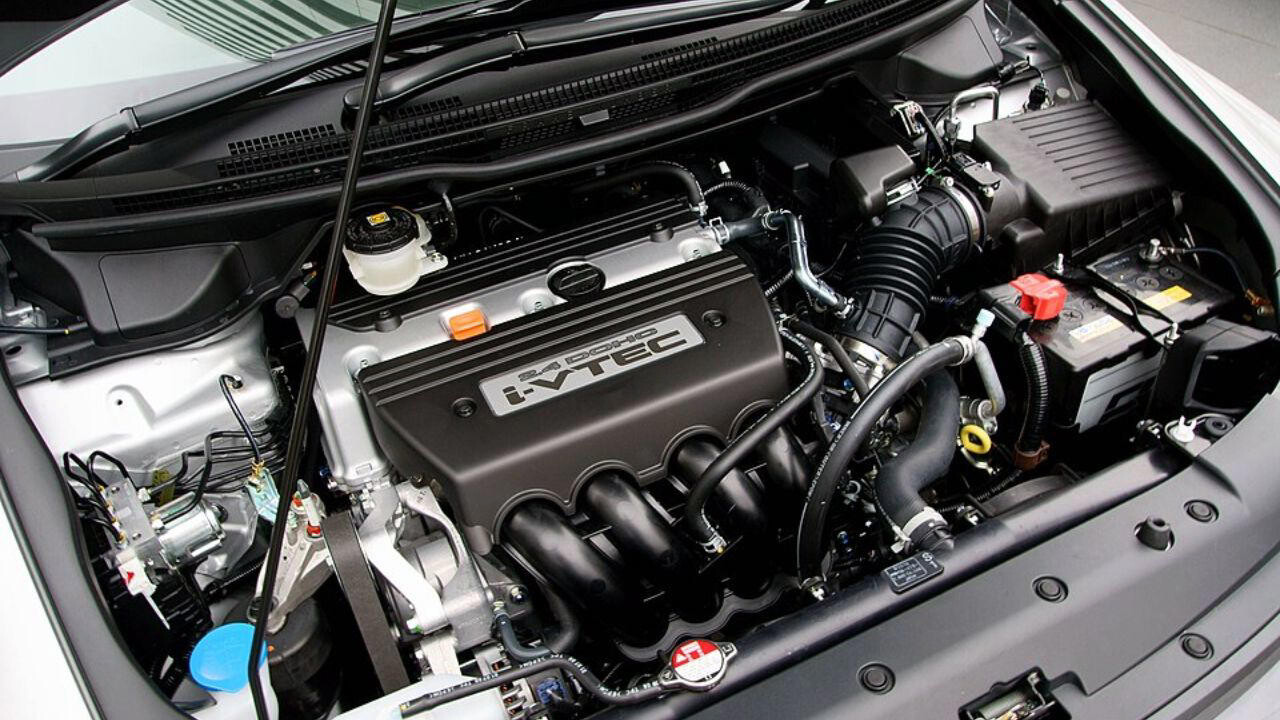
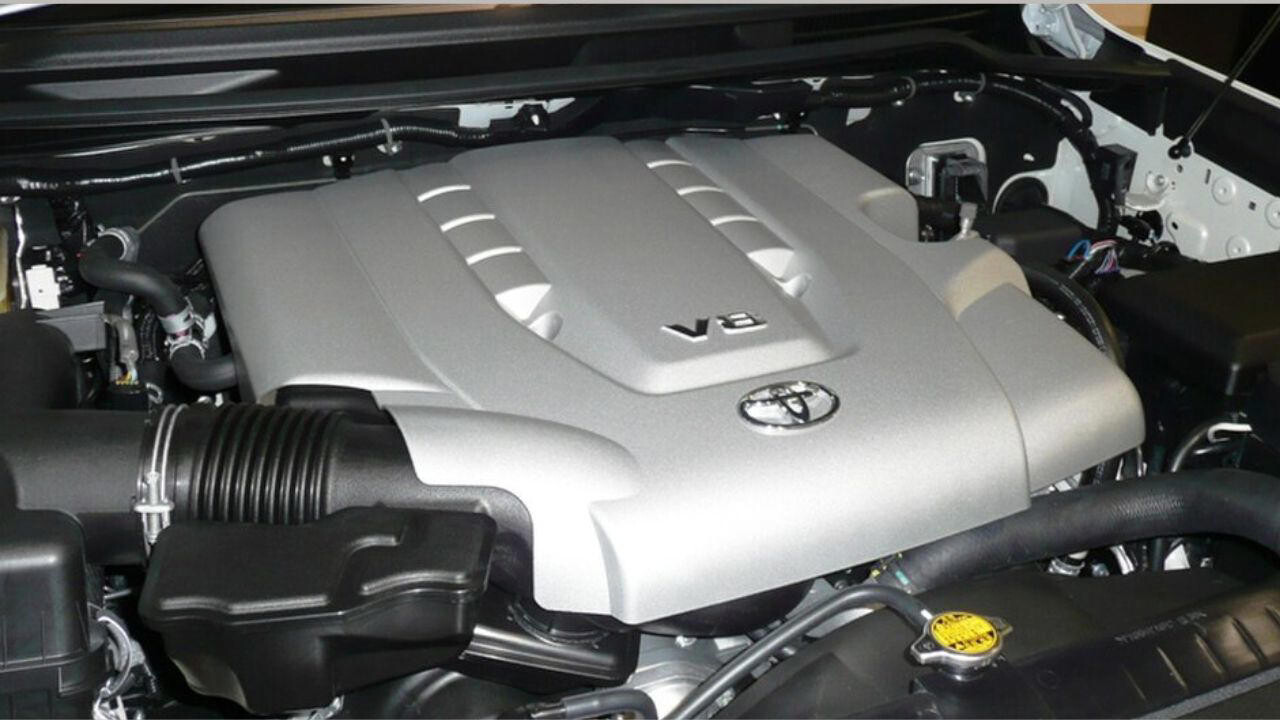
A V6 is supposed to be the sensible middle child, smoother than a four and cheaper to run than a V8. Some of them went further and simply refused to quit. The Buick 3800 V6 even made Ward’s list of the 10 best engines of the 20th century. These are our picks for the V6 engines we’d trust to go the distance. The ranking is our opinion. However, the years, outputs and engineering details come from the references listed at the end. 1. Holden-built Buick 3800 V6 Buick’s V6 started in 1962 as a cut-down version of its aluminum 215 V8, with a cast-iron block. It shook badly at first, so Buick added an even-firing crankshaft in the late 1970s. Then the 3800 name arrived in 1988 with a balance shaft. In Australia, Holden assembled the same 3.8-liter engine for the VN Commodore. GM finally retired the Buick 3800 V6 in 2008, years past its own estimate. For more, see why mechanics still respect GM’s 3800 V6. 2. Toyota 1MZ-FE V6 The 3.0-liter 1MZ-FE powered the Toyota Camry, the Avalon and the first Lexus RX in the late 1990s and early 2000s. In the RX 300, it made 220 horsepower and 222 lb-ft of torque. Owners do report the odd oil leak. Still, the general verdict is simple: keep up with maintenance and it keeps going. That is why we’d put it on this list without a second thought. 3. Toyota 1GR-FE V6 Toyota introduced this 3,956cc V6 in 2002, first in the Land Cruiser Prado. Early engines made about 250 horsepower. Later, a dual VVT-i version around 2009 pushed that to roughly 285. The 1GR-FE went on to power the FJ Cruiser, Tacoma, Tundra, Hilux and 4Runner. Meanwhile, its timing chain has a good reputation for long life. We rank it here because it lives in trucks that people work hard, and it shrugs that off. 4. 2008 Toyota Aurion Sportivo ZR6 (2GR-FE V6) Under the hood of this Australian Aurion sits the 2GR-FE, a 3,456cc V6 that Toyota launched in 2004. It uses an aluminum open-deck block with thin cast-iron liners. In standard tune it makes around 280 PS. The same engine also turned up in the Camry, Highlander, Lexus RX 350 and even Lotus sports cars. It also won Ward’s 10 Best Engines award four years running. For us, that wide spread across family cars and sports cars says a lot about its toughness. 5. Nissan VQ35DE V6 Nissan’s first all-aluminum VQ V6 arrived in 1994. Then the 3.5-liter VQ35 followed in 2001 with 255 horsepower, 246 lb-ft and continuous valve timing. It powered the 2001 Pathfinder, then the 2002 Altima, the Maxima and the Infiniti I35. In fact, the VQ family made Ward’s 10 Best Engines list in each of the award’s first 14 years. That was the only engine to do it. We’d call that a durability record of its own. 6. Honda J35 V6 Honda’s J-series V6 entered production in 1996 with a 60-degree aluminum block and heads. The J35 first appeared in the second-generation Odyssey, and later it went into the Pilot, Ridgeline and Acura MDX. In the Ridgeline, it makes 280 horsepower and 262 lb-ft. Some versions with cylinder deactivation have burned oil, though. Even so, Torque News reports a 2003 Accord with the smaller J30 engine that reached one million miles. We’ll take those odds. 7. Ford Cologne 2.8 V6 (Sierra XR4i) Ford of Germany launched the Cologne V6 in 1964, and it stayed in production until 2011. That is a long run for a pushrod engine. The 2.8-liter injected version powered the Capri 2.8 Injection from 1981 and then the Sierra XR4i. Motor Sport’s 1983 road test rated the XR4i’s V6 at 150bhp, with Bosch K-Jetronic injection. It also found 130 mph in fifth gear. In our view, nearly five decades in production is the clearest sign of a tough engine. Sources: WardsAuto, 10 Best Engines of the 20th Century; SlashGear on the Buick 3800; Unique Cars and Parts; SlashGear on Toyota engines; SlashGear on long-lasting Toyota engines; Toyota-Club GR engine guide; WardsAuto on the Nissan VQ; Torque News on the Honda J-series; Classics World on the Cologne V6; Motor Sport’s 1983 XR4i road test. Also on Fast Lane Only: the hidden engineering of the Buick GNX turbocharged V6.