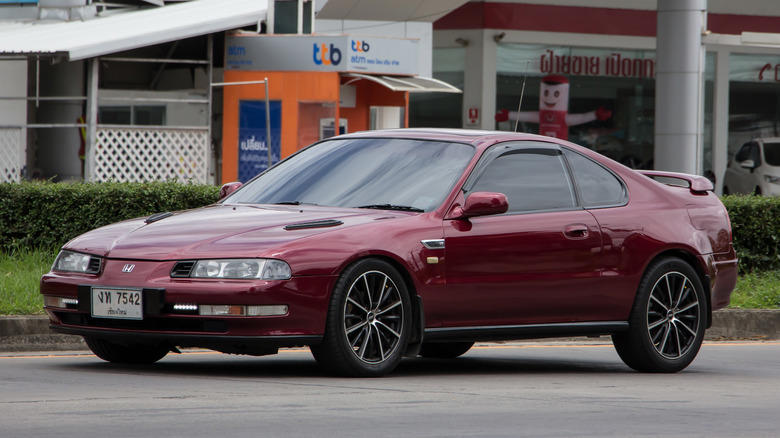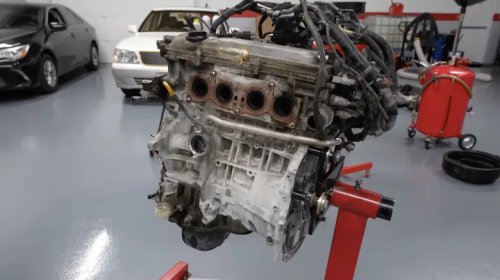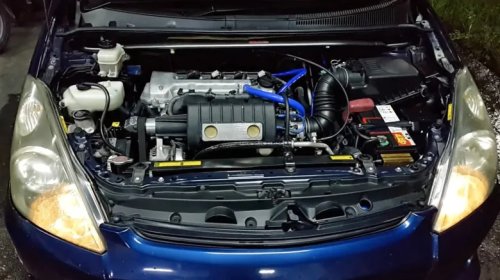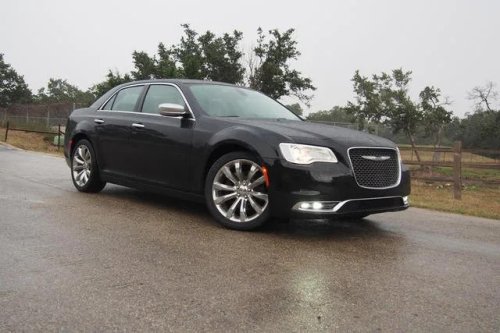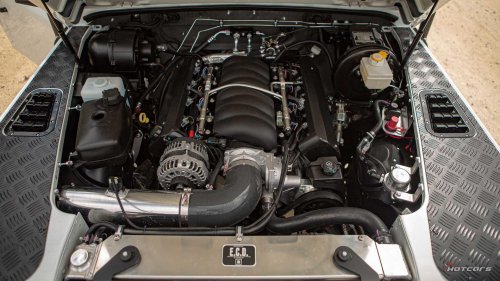
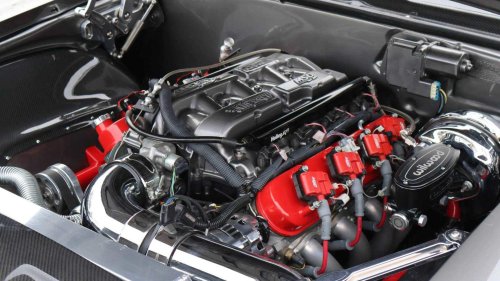
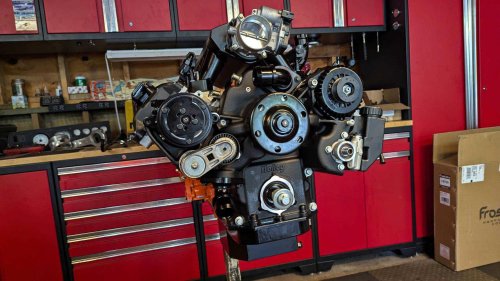
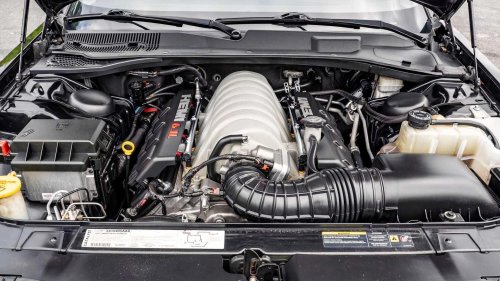
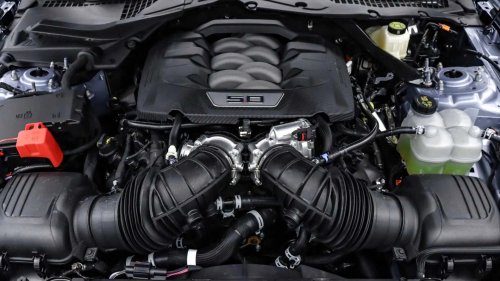
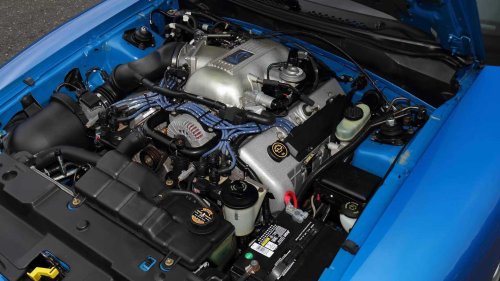
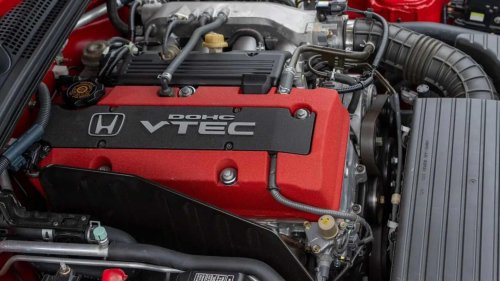
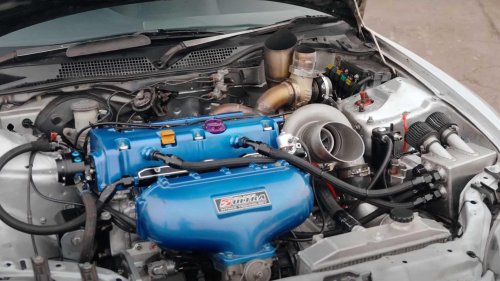
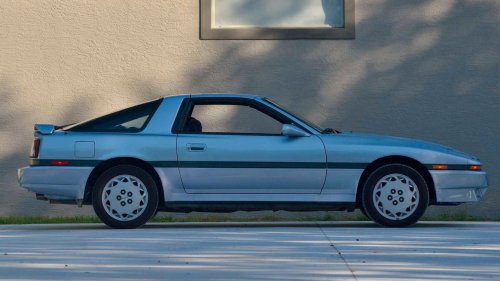
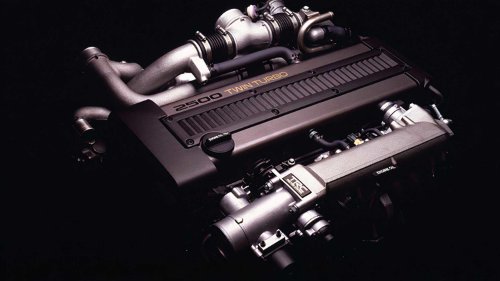



















There’s a time and place for high-dollar builds. For the vast majority of us, that’s not our garages for the foreseeable future. Don’t let that stop you from having fun, though. There are still a ton of really good engines that you can buy for cheap and make a ton of power with. Now there’s a particular American V8 that’s quick to appear in everyone’s mind when the subject of affordable horsepower comes up, but it’s not alone.We’ve rounded up five of the best, mod-friendly engines you can pick up for peanuts all over the country. All of which make respectable power to start with, and have the aftermarket support to crank things up to eleven without spending a fortune. Some are more obvious than others, but all have a place in the budget hotrodding world. GM LS V8s David Alpert / HotCars / Valnet Yes. We heard you. The LS engine is the undisputed heavyweight champion of making a ton of horsepower for as cheaply as possible. Not only that, but they’ll also bring any classic car to the modern age with the move to fuel injection and a litany of factory overdrive transmission options to work with. There’s a reason so many builds lean on them to get the job done. Engine Specifications And Applications Bring a TrailerThe first LS V8 engines appeared in 1997, and millions of them were built until the line officially ended in 2014. There are a ton of different versions of the LS, and some are better than others, but all will fit right at home in a budget-oriented performance build. You can find them all over the classifieds for crazy low prices, making them an obvious choice for many.Production Years: 1997-2014 Displacement: 4.8 Liters to 7.0 Liters Noteworthy Applications: Chevrolet Corvette, Chevrolet Camaro, Pontiac Firebird On top of making respectable power in stock trim, the aftermarket support for these things is the best in the business. You can throw cheap turbos at them to make insane power or lightly work them over to make a fast, fun, reliable daily driver. There are people who’ve made 1,000 horsepower or better on stock internals, but these things can easily hit 500-600 with simple upgrades and no reliability concerns. Gen III Hemi V8s Hank O'Hop The Gen III Hemi might not have the same footing as the LS, but it’s not far behind it. These motors have been in production since 2003, and millions of them have been built for just about every Mopar truck and muscle car over that span. Speaking from experience, you can snag these motors for dirt-cheap in decent running condition. Engine Specifications And Applications Bring a TrailerTheGen III Hemi is limited in variety. Most budget builds are going to lean on the 5.7 Hemi, because it's the most abundant. 6.1 and 6.4 Hemis can also be picked up for fairly low prices, but are nowhere near as cheap as the smallest of the batch.Production Years: 2003-Current Displacement: 5.7 Liters to 6.4 Liters Noteworthy Applications: Dodge Charger/Challenger, Chrysler 300C Gen III Hemi engines can make serious power with stock internals. Similar to the LS, 500 to 600 horsepower at the crank is within reason for a reliable build. The trick is, however, to delete the MDS and VVT systems that are prone to failure. Ford Modular V8s Via: Bring a TrailerThe Ford Modular is an unsung hero in the world of budget mod-friendly engines. Ford’s been building modular engines since 1991 and has been cramming them into everything from muscle cars to police interceptors to catch them. While many prefer a traditional V8, these do make good power with their overhead-cam setup. Engine Specifications And Applications MecumThe Coyote 5.0 is a member of this family and is definitely the most respected, but they are all pretty hardy in stock form and can easily be worked over with ample aftermarket support. Prices can vary greatly for used Modulars, with Coyotes bringing in a premium, but even they can be found for relatively cheap in the classifieds if you're patient.Production Years: 1991-Current Displacement: 4.6 Liters to 5.2 Liters Noteworthy Applications:Ford Mustang/Crown Vic Modular engines, particularly the Coyote, can make crazy-horsepower numbers, but what you can expect depends on the engine you're working with. Earlier motors, like the 4.6-liter, are generally good for producing 500-600 hp with stock internals. Coyotes can handle way more, but, again, are hard to find for relatively affordable prices. Honda K-Series Inline-4s Via: Bring a TrailerK-swaps are extremely popular around the world. So much so that they’re poised to dethrone the LS with the sheer number of engine swaps they star in, finding their way into Hellcats and Ferraris in recent times. They’re killer engines you can pick up for cheap and make stupid-good power with, making them a go-to for so many builds. Engine Specifications And Applications Officially Gassed via YouTubeHonda began production of theK-series engines in 2001 and has built millions since. They’ve been famously used in all sorts of performance applications, including the Civic Type-R. The K24A is generally the crowd favorite, but you can’t go wrong with any in the lineage.Production Years: 2001-Current Displacement: 2.0 Liters to 2.4 Liters Noteworthy Applications:Honda S2000/Civic, Acura RSX These rev-happy engines have extremely good aftermarket support, can make 500 horsepower reliably, and will easily fit under the hood of virtually anything on wheels. And if you need to beef up the guts, you can snag rotating assemblies while keeping budget lower than what some of the aforementioned V8s command. Toyota 1JZ-GTE Inline-6 Via Mecum This entry comes with a bit of a caveat.Toyota 2JZ engines have long been the poster child of JDM performance. They’re super desirable and pretty expensive if you can find them. Despite living in their shadow, 1JZ engines are equally as respectable and can make a ton of power. In fact, some prefer them for drifting because of their high-revving nature. They used to be a dirt-cheap alternative, but since more and more people have caught on, their values are climbing. Engine Specifications And Applications Toyota Toyota made the 2.5-liter 1JZ engines from 1990 to 2007 and produced a ton of them within that time period. 1JZ engines are coveted for being revving high with a linear power delivery gearheads crave. While prices are climbing, they are still a relatively budget-friendly option with excellent aftermarket support.Production Years: 1991-2007 Displacement: 2.5 Liters Noteworthy Applications: Toyota MKIII Supra/Chaser/Verossa In terms of what you can do without making extensive modifications, these engines fall in line with about everything on this list. 400-500 horsepower is typically the limit for reliability. That said, many do push these motors beyond that point with a safe tune. If you want to go even cheaper, opting for the non-turbo versions (GE) of either 1JZ or Every Car Powered By The Legendary 2JZ Engine, Ranked By Price with plenty of modding potential.