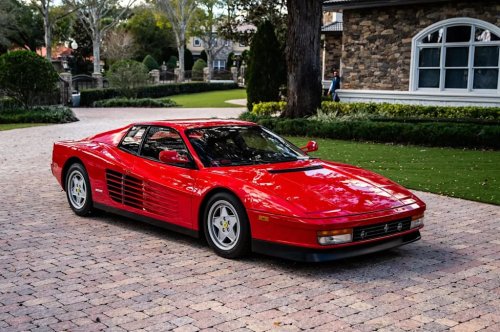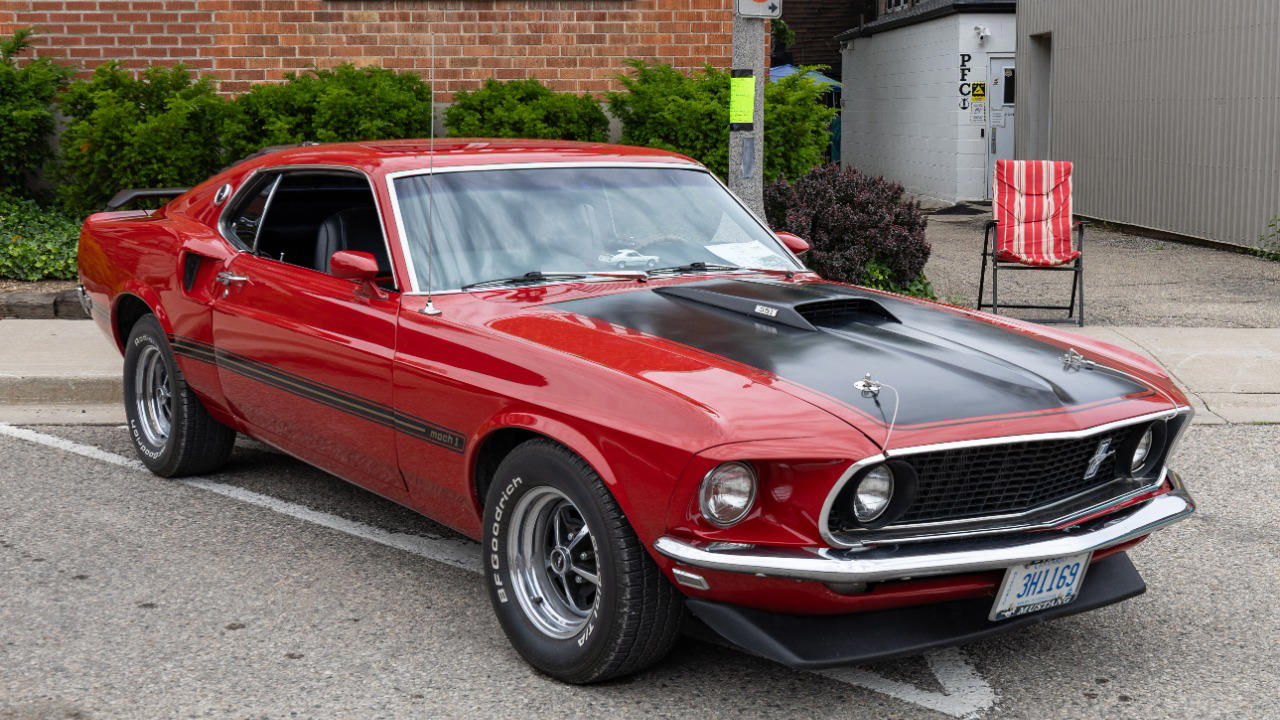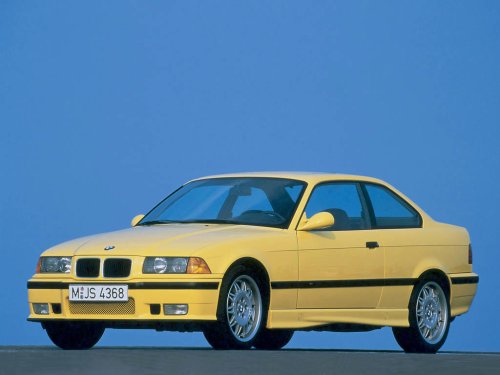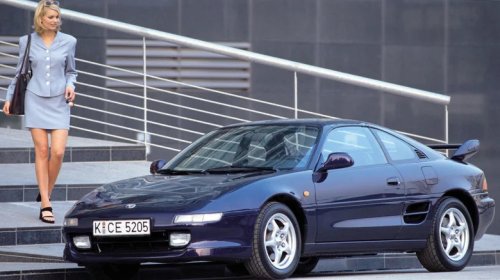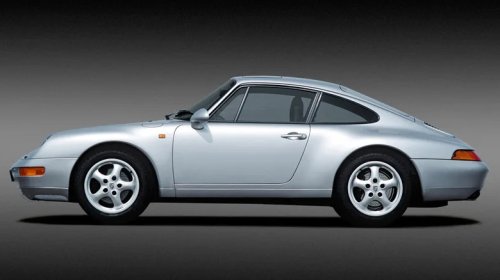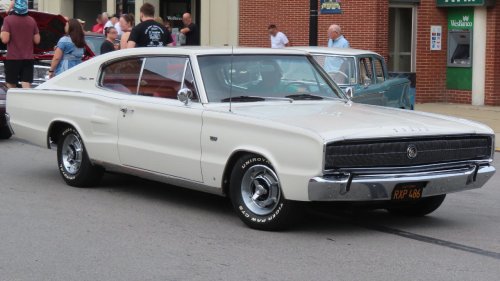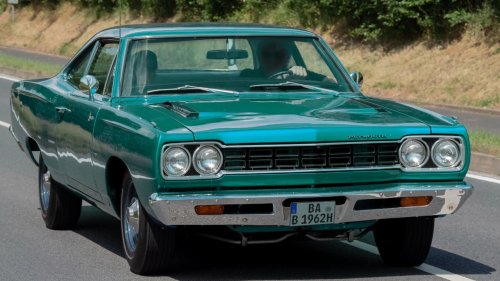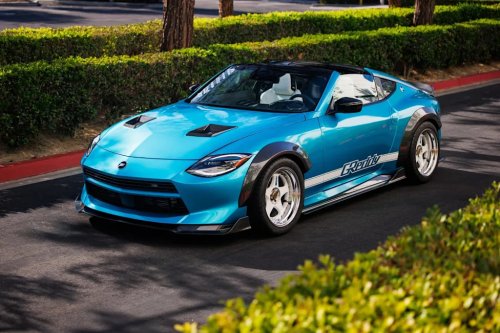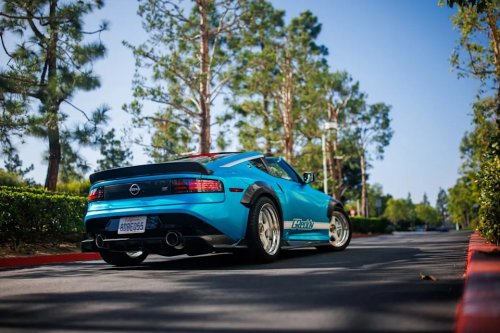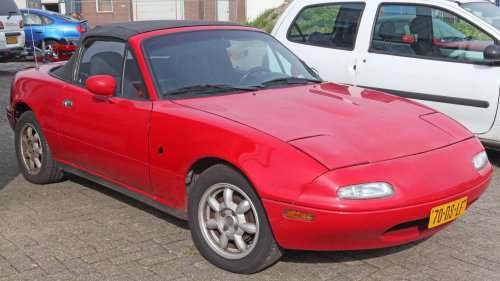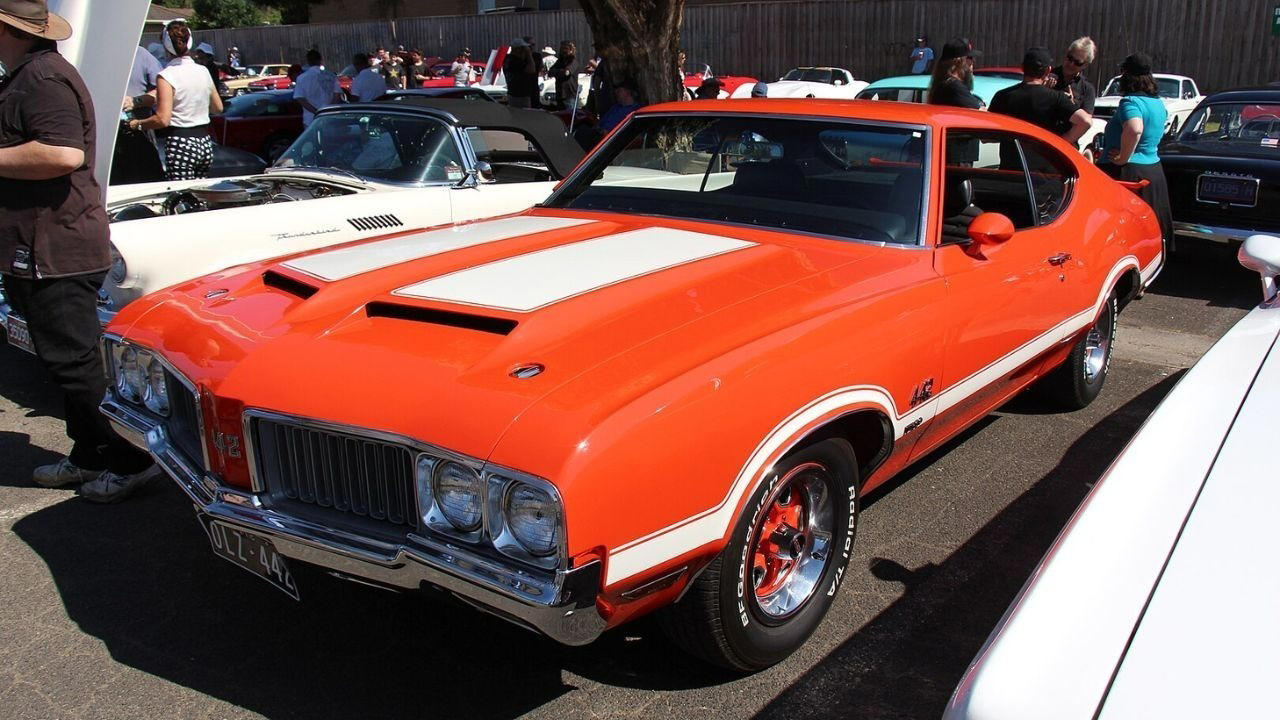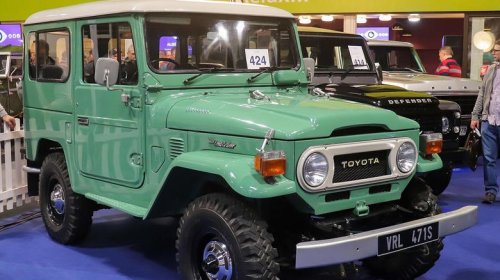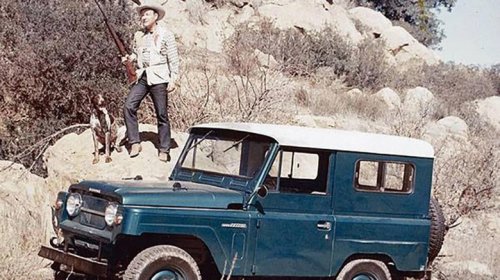

















































From the 1980 Audi Quattro to the 1979 Porsche 930 Turbo, these are the most iconic cars from 1960 to 1990. Keep scrolling, and make sure to check out number 15.1. 1989: Mazda MX-5 MiataThis car provided a reasonably priced, lightweight, and essentially pleasurable driving experience and revolutionized the idea of a roadster. It was inspired by British sports cars from the 1960s, but it did away with the dependability problems that those models frequently had.2. 1988: BMW M3The 1988 BMW M3, which was first released as a road car with a focus on racing, gained its reputation as a cool automobile by combining performance with usefulness. Its tight handling, unique bodywork, and high-revving four-cylinder engine enhanced aerodynamics without sacrificing the 3 Series's iconic profile. This model was made to perform well in both everyday driving and competitive racing.3. 1987: Ferrari F40The 1987 Ferrari F40, which commemorated the company's 40th anniversary, is regarded as the pinnacle of Ferrari's engineering achievement. Its lightweight design and potent twin-turbocharged V8 engine made it one of the first production cars to surpass the 200 mph mark.4. 1986: Ford RS200Designed especially for Group B rally racing, the 1986 Ford RS200 holds a special place in automotive history. Its four-wheel drive system and mid-engine layout demonstrated cutting-edge technology at the time and were designed for peak performance on rally stages. The RS200 is a valuable collectible due to its unique, purpose-built design and small production run.5. 1985: Toyota MR2By bringing the mid-engine layout to the market for reasonably priced sports cars, the 1985 Toyota MR2 set itself apart as a cool vehicle. Its responsive driving experience and agile handling were facilitated by its lightweight design and small size. In addition, the MR2 received recognition for its unique and streamlined design, which set it apart from its peers.6. 1984: Porsche 911 Carrera 3.2This vehicle is renowned for improving upon the original 911 design. Compared to its predecessors, it provided better performance, dependability, and driveability because of its 3.2-liter engine. Significant technological improvements, such as a more effective fuel injection system, were also introduced with this model.7. 1983: Ferrari 288 GTOThe 1983 Ferrari 288 GTO is highly regarded for both its performance and engineering prowess. Its lightweight body and potent twin-turbo V8 engine, which were designed with racing in mind, provided remarkable speed and control. This model, which combined race-ready specs with road legality, represented a return to the spirit of the original GTO (Gran Turismo Omologato) series.8. 1982: Lamborghini JalpaThe 1982 Jalpa combined the allure of an exotic car with some degree of functionality. Its V8 engine produced a significant amount of power, and its aggressive yet elegant appearance was characteristic of Lamborghini's philosophy. The Jalpa's desirability and exclusivity are increased by the fact that it is produced in smaller quantities than its peers.9. 1981: DeLorean DMC-12This vehicle is known for its stainless steel exterior and unusual gull-wing doors. It stood out from other cars of the time thanks to its distinctive design, which had a futuristic appearance for its day. Being used as a time machine in the Back to the Future movie series made the DMC-12 especially well-known.10. 1980: Audi QuattroAll-wheel drive, which greatly enhanced handling and traction, was first introduced to production cars in the 1980 Audi Quattro, revolutionizing the automotive industry. It demonstrated its talents on a worldwide scale by dominating rally racing thanks to this technological advancement.11. 1979: Porsche 930 TurboTurbocharging was first popularized in the mainstream sports car market by the 1979 Porsche 930 Turbo. Its turbocharged engine set new benchmarks for acceleration and top speed, thanks to its remarkable power and performance. This model's unique "whale tail" rear spoiler, which enhanced cooling and aerodynamics, became a defining feature.12. 1978: Aston Martin V8 VantageThis car was notable for its exceptional fusion of performance and luxury. With speeds that could compete with the quickest automobiles in the world at the time, it was hailed as Britain's first supercar. The V8 Vantage's greater performance was a result of improved aerodynamics and engine enhancements. Aston Martin's reputation for exclusivity and elegance was upheld by its handcrafted quality and its sophisticated yet aggressive style.13. 1977: Pontiac Firebird Trans AmBecause of its prominent appearance in popular media, particularly Smokey and the Bandit, the 1977 Pontiac Firebird Trans Am became an iconic vehicle. It was immediately recognized due to its strong design, which was highlighted by the enormous ‘screaming chicken' sticker on the hood and the unique T-top roof. A potent V8 engine under the hood provided strong performance, satisfying the era's desire for American muscle vehicles with plenty of power.14. 1976: Lotus EspritThanks to designer Giorgetto Giugiaro, the 1976 Lotus Esprit stood out thanks to its unique wedge shape and crisp, clean lines. In addition to being aesthetically pleasing, this mid-engine sports car was a perfect example of Lotus's philosophy of achieving high performance through lightweight construction. Its inclusion in popular culture, particularly in the James Bond movie The Spy Who Loved Me, further solidified Esprit's cool position.15. 1975: Ferrari 308 GTBWith its 1975 launch, the Ferrari 308 GTB signaled the company's entry into the mid-engined V8 market and established a new course for the brand. It immediately became popular among sports car fans due to its tremendous performance and stylish, Pininfarina-designed exterior. And because of its powerful V8 engine and lightweight fiberglass construction (in early editions), the 308 GTB had remarkable speed and agility.16. 1974: Lamborghini Countach LP400This car deviated much from previous traditions with its unconventional design. Moreover, it set a new benchmark for supercar aesthetics with its unique wedge-shaped, sharply slanted body. Beyond appearances, the Countach was one of the fastest vehicles of its day because of its powerful mid-mounted V12 engine.17. 1973: Porsche 911 Carrera RSBecause of its performance in racing and pure driving, this vehicle is highly regarded. And due to its improvements to the engine and the use of lightweight materials, it was both lighter and more powerful than the standard 911. The car's aerodynamic efficiency was enhanced by its unique appearance, which included a rear spoiler, which was unusual at the time.18. 1972: BMW 3.0 CSLThe 1972 BMW 3.0 CSL was a limited-edition racing coupe that was known as the ‘Batmobile' because of its unique aerodynamic characteristics. Perspex windows and aluminum panels were used so it was lighter than the conventional model. The 3.0 CSL's performance capabilities, which were emphasized by a potent inline-six engine, were demonstrated by its success in European touring car racing.19. 1971: De Tomaso PanteraThis vehicle was a distinctive sports automobile that combined American muscle with Italian design flare. Its Ford V8 engines and mid-engine arrangement provided a blend of powerful performance and exotic looks.In addition to being more affordable than other European exotics, the Pantera's low profile and streamlined lines perfectly encapsulated the sports car trends of the time.20. 1970: Plymouth BarracudaThe third-generation 1970 Plymouth Barracuda stood out thanks to its improved performance options and new body. It produced remarkable power and speed and was notable for being available with a range of powerful V8 engines, such as the renowned 426 Hemi and the 440 Six Pack. It attracted notice with its unique style, which included sleek lines and a more aggressive attitude.21. 1969: Nissan Fairlady ZAn important turning point in the history of sports cars was the 1969 Nissan Fairlady Z, also referred to as the Datsun 240Z abroad. It was uncommon at the time and it brought together performance, affordability, and dependability. Its 2.4-liter inline-six engine and streamlined styling provided a driving experience comparable to more costly European sports cars.22. 1968: Dodge ChargerThe 1968 Dodge Charger is notable for both its strong performance and unique design. It had a menacing image thanks to its aggressive front grille and hidden headlights, and its muscular aspect was enhanced by its sleek body lines. A variety of powerful V8 engines, including the well-known Hemi, were offered for the Charger.23. 1967: Chevrolet CamaroThe 1967 Chevrolet Camaro made its debut in the ‘pony car' class and was introduced as Chevrolet's response to the Ford Mustang. With a variety of engines that appealed to both regular drivers and racing fans, its arrival introduced an additional level of competition. The Camaro's wide stance and well-balanced proportions gave it a unique appearance without sacrificing functionality.24. 1965: Ford MustangBy improving on its original mix of affordability, performance, and style, the 1965 Ford Mustang expanded on its first popularity. In order to appeal to a wider audience, it kept providing a variety of customization choices, including engines and trims. The Mustang's reputation in auto culture was cemented by its essentially unaltered design, which is famous for its proportions and balance.25. 1966: Lamborghini MiuraThis car was notable for its innovative engineering and design. Considered the first supercar with a two-seat, rear mid-engine configuration, it raised the bar for vehicle performance and design. In addition to being aesthetically beautiful, the Miura's low profile and streamlined lines were aerodynamic. It was among the fastest cars of its era thanks to its remarkable speed and V12 engine.26. 1964: Ford MustangWith its combination of performance, flair, and affordability, the 1964 Ford Mustang made a significant contribution to American automotive culture. With its variety of engines and trim levels, it popularized the idea of personalization. With its long hood and small back deck, the design became iconic and had an impact on subsequent automobile designs.27. 1963: Porsche 911The launch of the Porsche 911 in 1963 signaled the start of a vehicle line that would come to represent dependability and performance. The 911's air-cooled, rear-mounted engine offered a distinctive driving experience and marked a substantial shift from the traditional sports cars of the day. The car's continuing appeal is highlighted by its distinctive appearance, which has stayed mostly constant throughout time and is defined by smooth lines and a sloping rear.28. 1962: Shelby CobraDue to its distinctive fusion of American muscle and British sports car styling, the 1962 Shelby Cobra stood out. A lightweight AC Ace body and a potent Ford V8 engine were married, thanks to Carroll Shelby's vision, producing remarkable speed and performance. Its simple design highlighted the car's racing ability while prioritizing utility above form.29. 1961: Jaguar E-TypeMany people value the 1961 Jaguar E-Type because it had a big influence on automobile performance and design at the time. With its introduction, a sleek, aerodynamic design that was both aesthetically pleasing and practical, reducing drag and increasing speed, was introduced. With a strong engine and cutting-edge technology like independent rear suspension and disc brakes, the E-Type's performance matched its appearance.30. 1960: Chevrolet CorvetteExperts say that this vehicle helped to define the American sports car scene. It appealed to people seeking an uncomplicated, potent ride because of its design, which emphasized clean lines and a straightforward yet attractive convertible top. A variety of engine options that provided good handling and acceleration contributed to its strong performance.