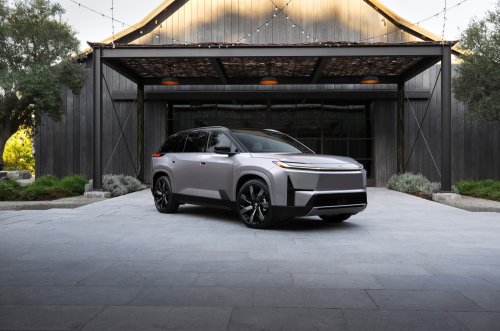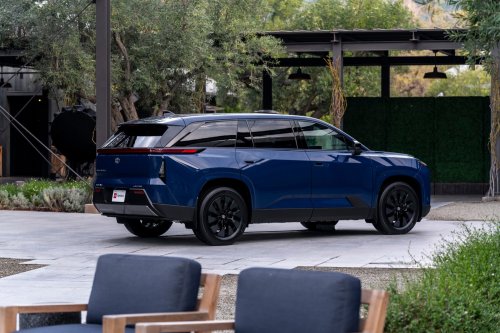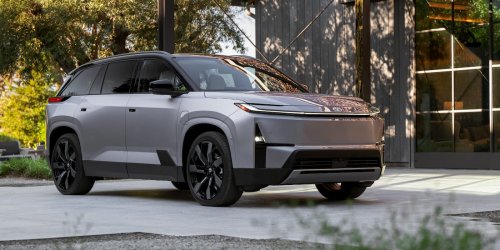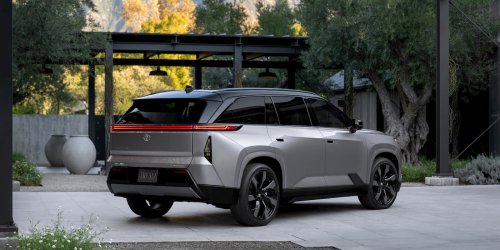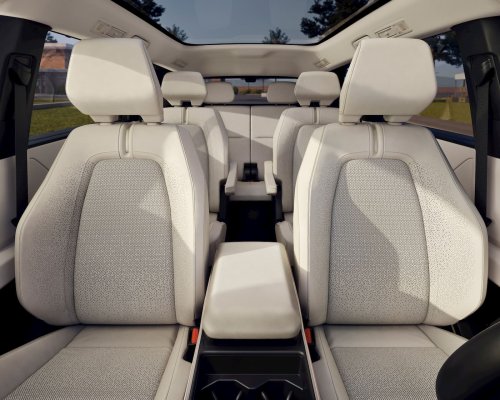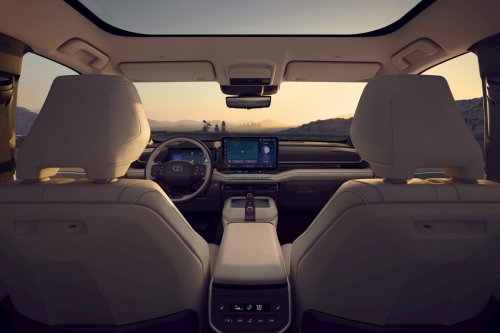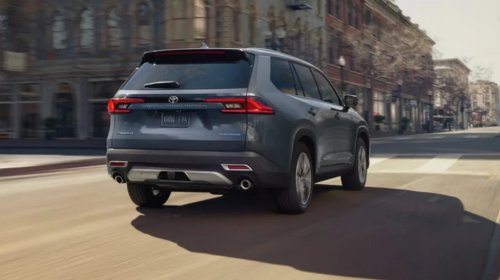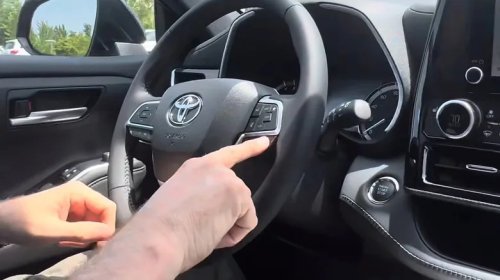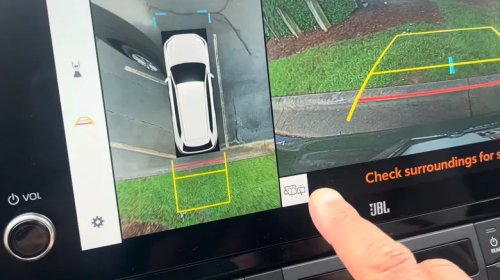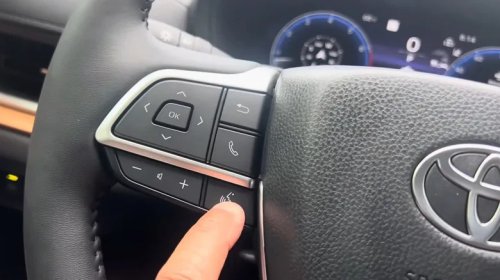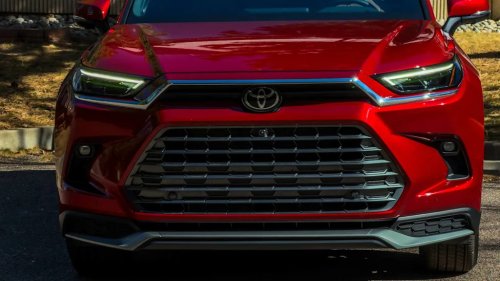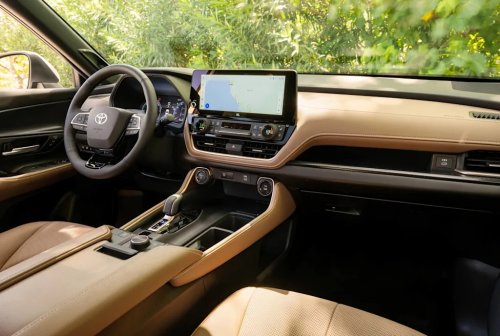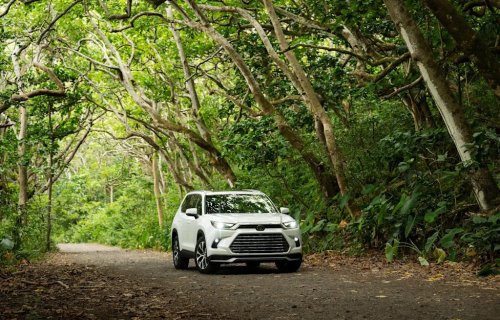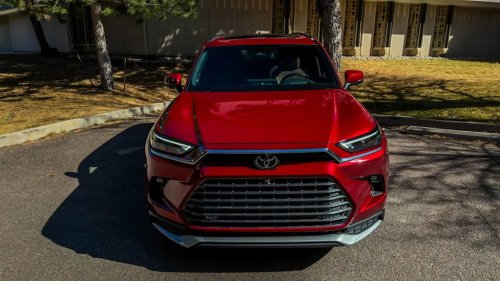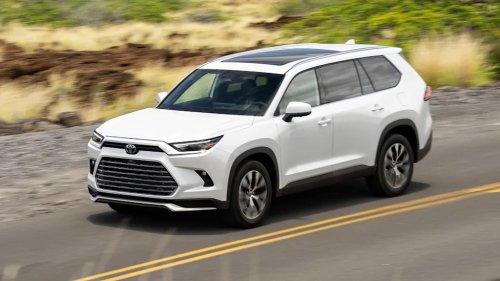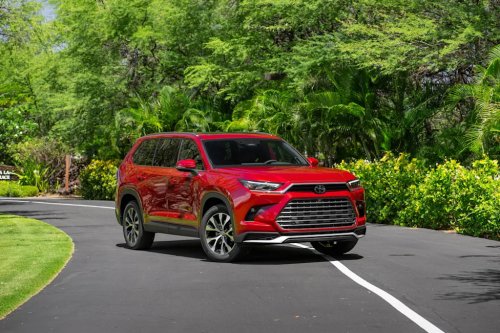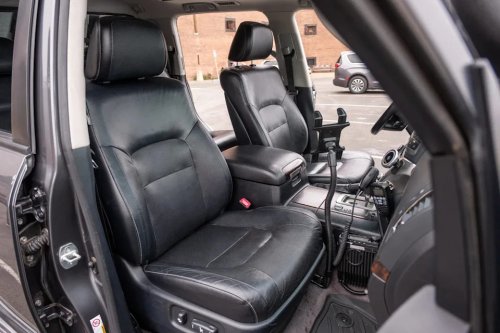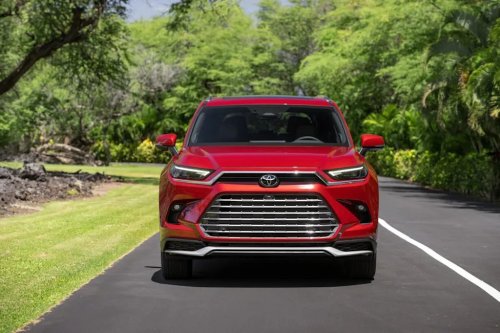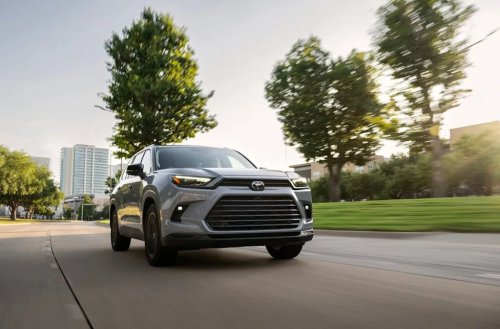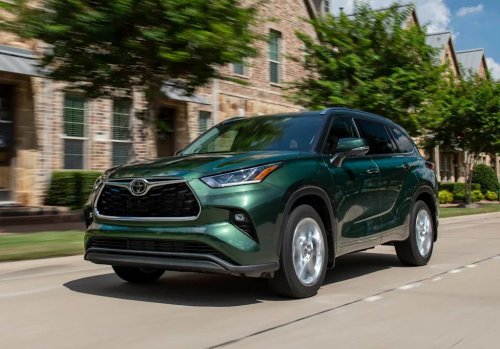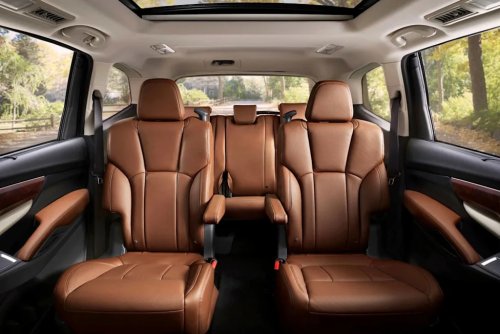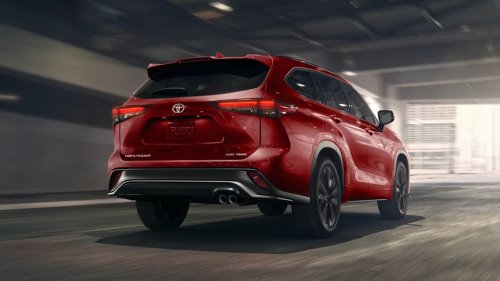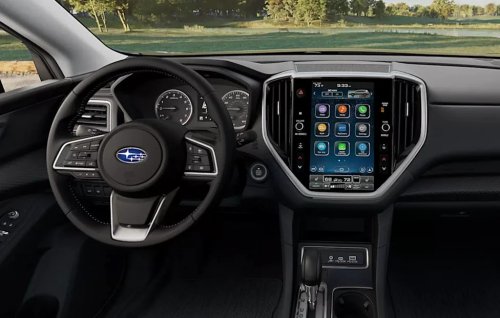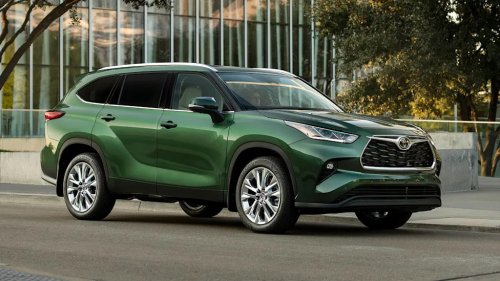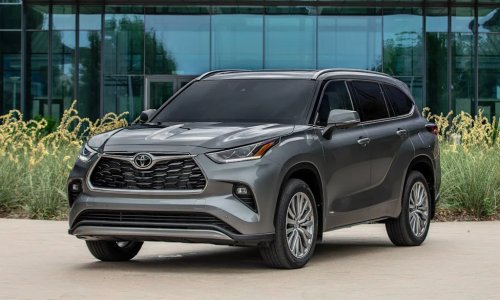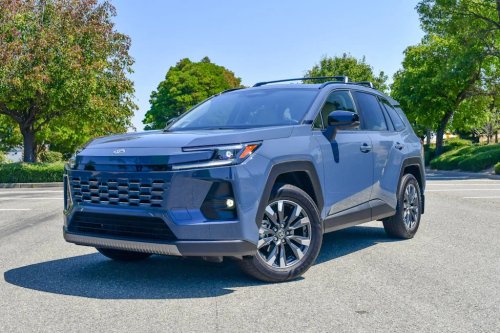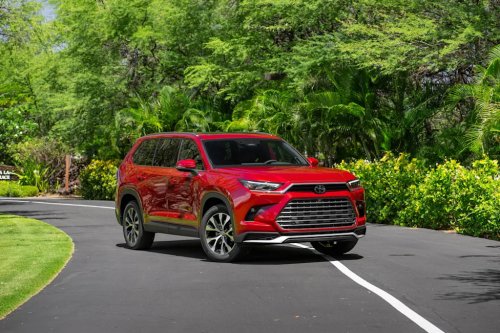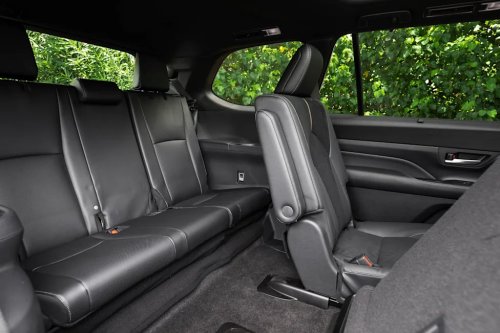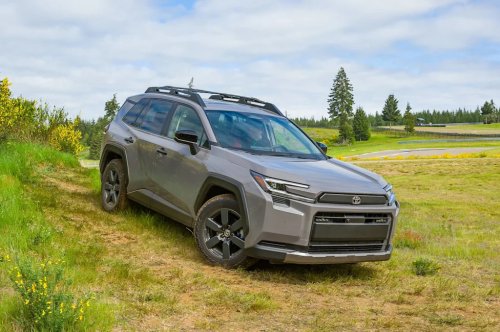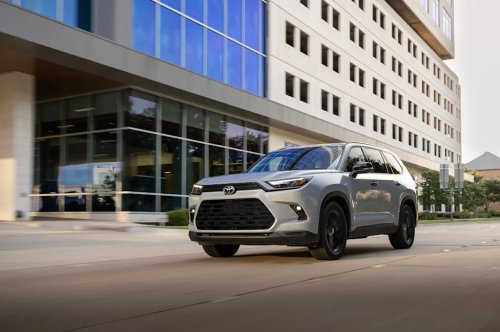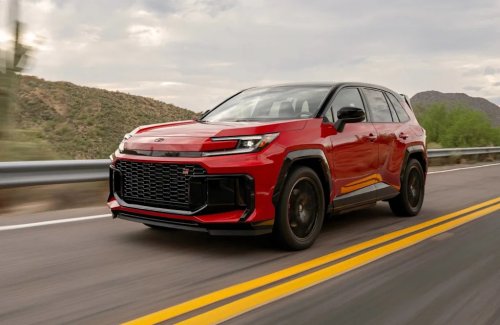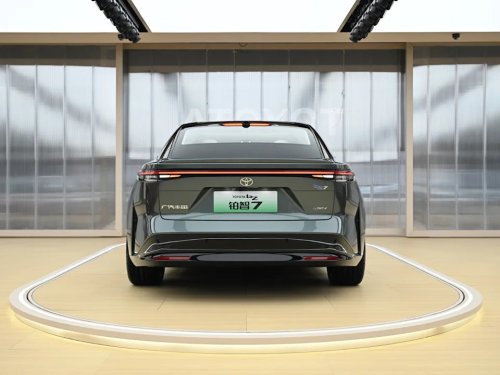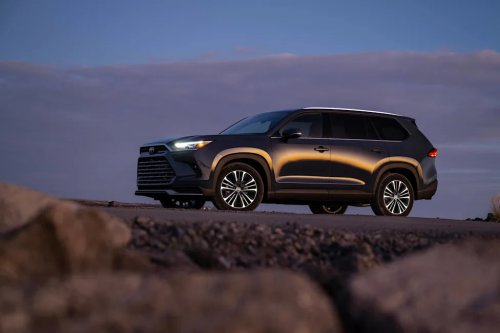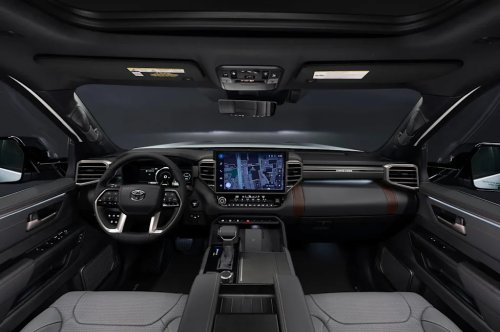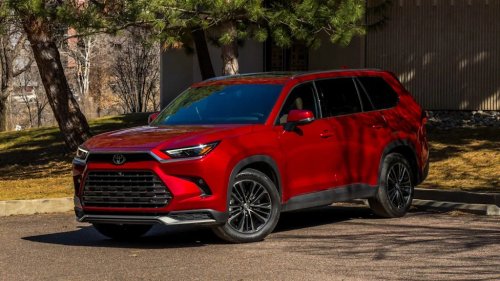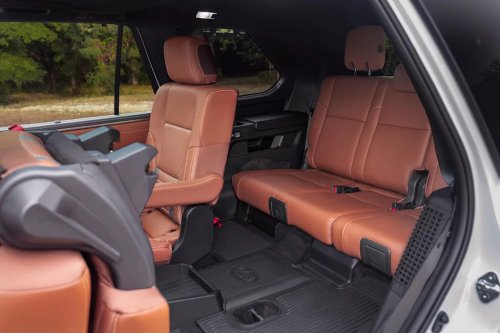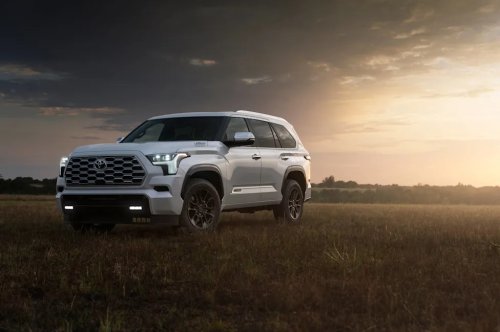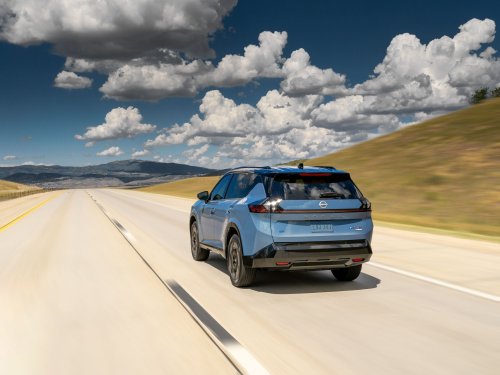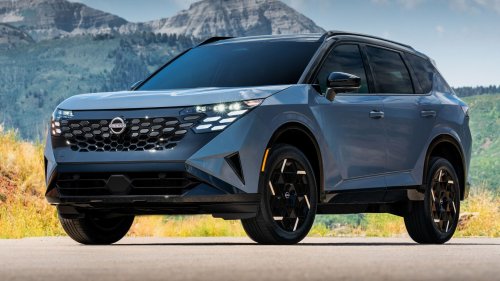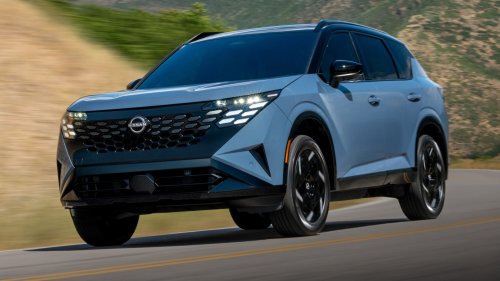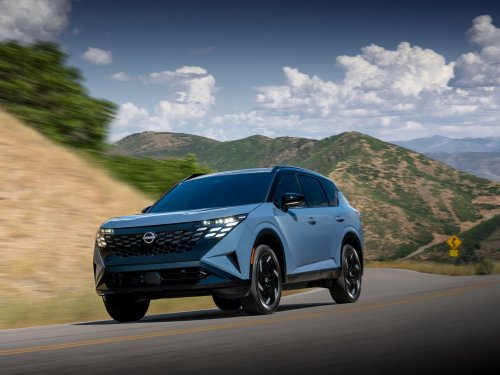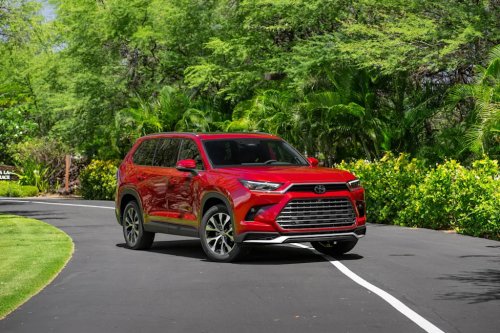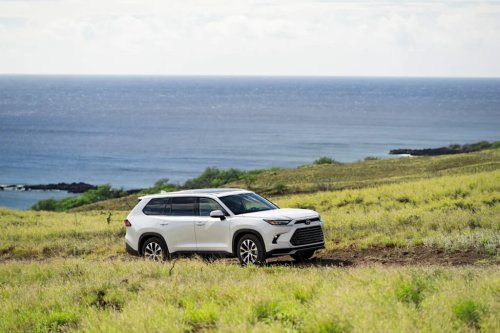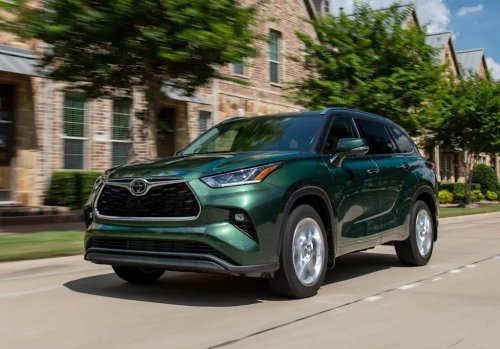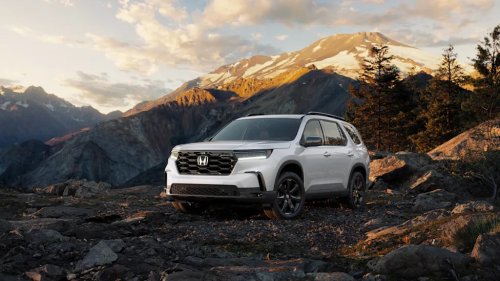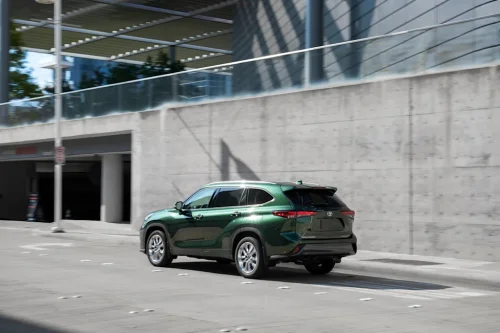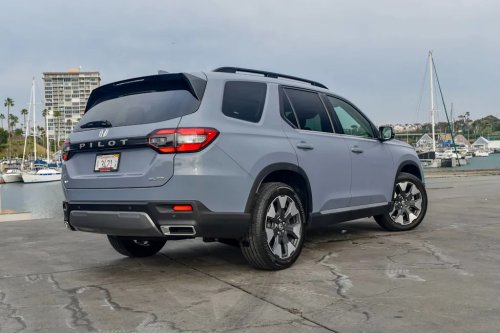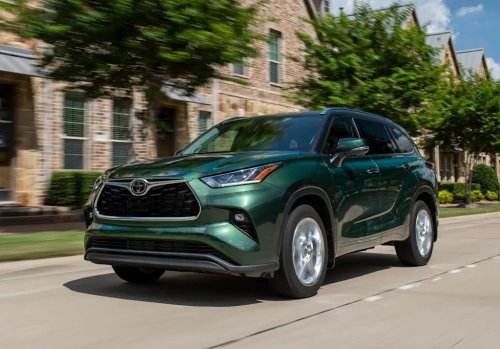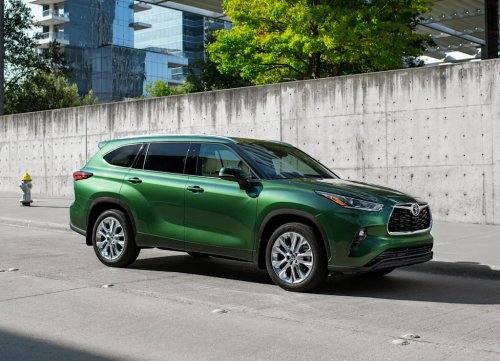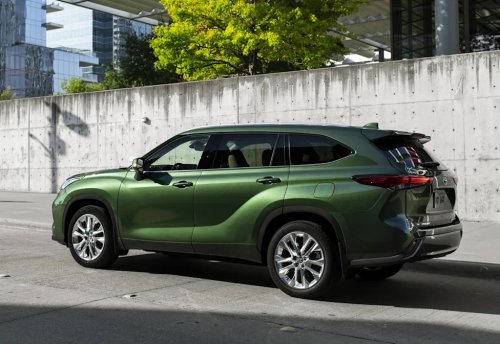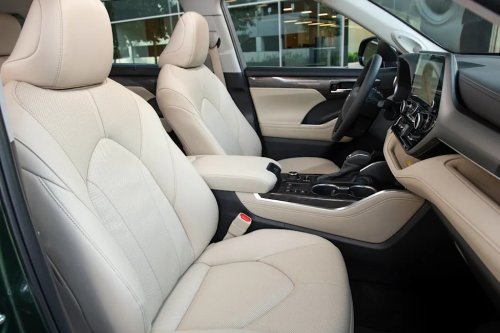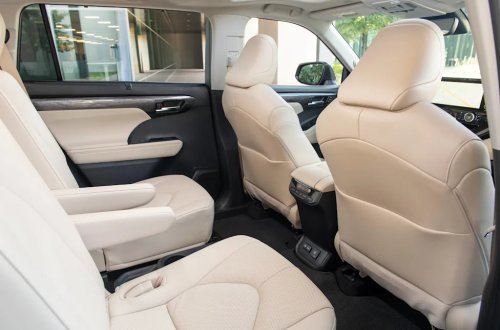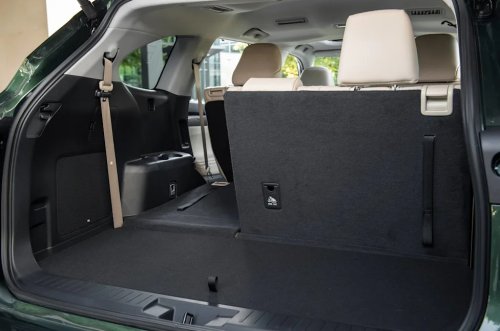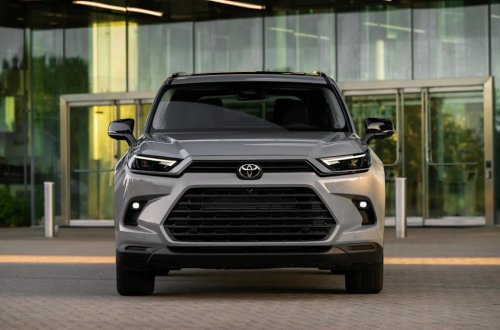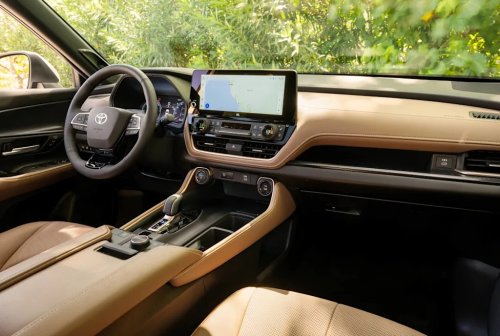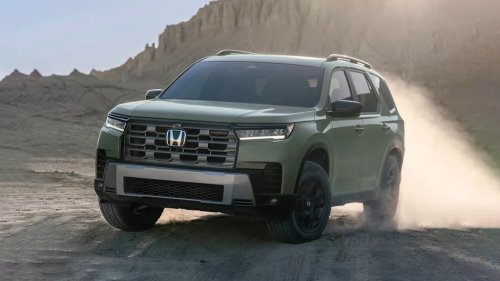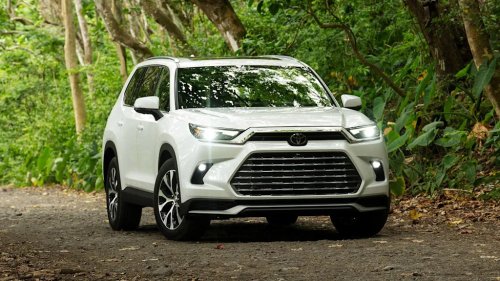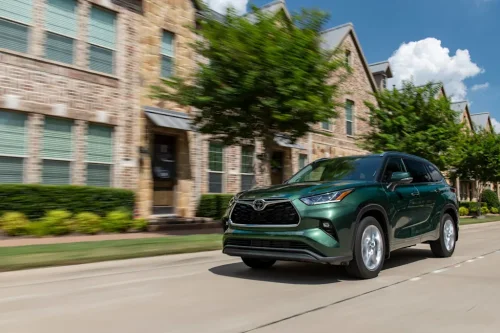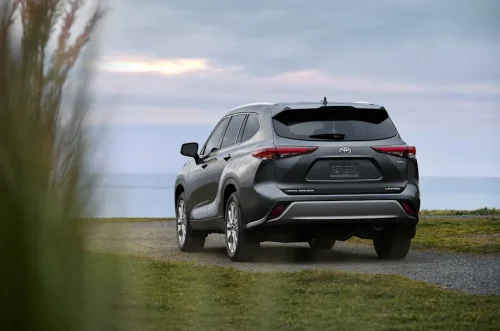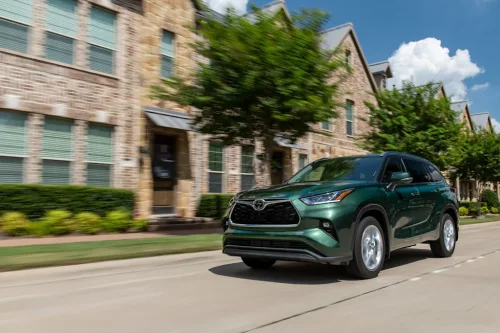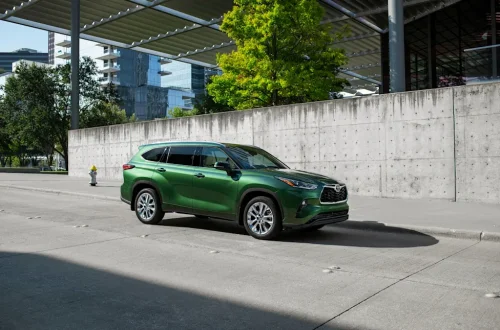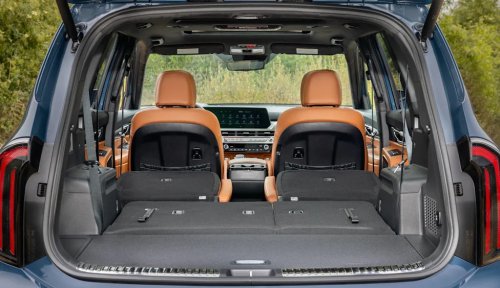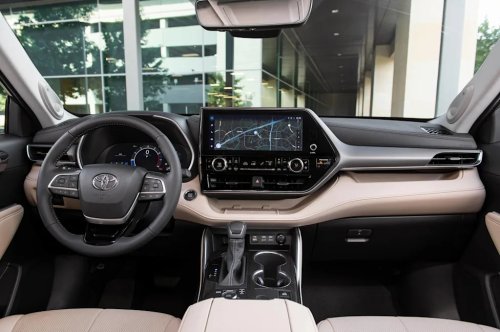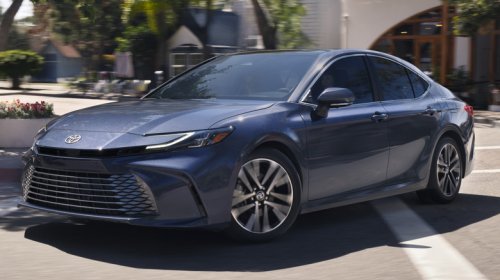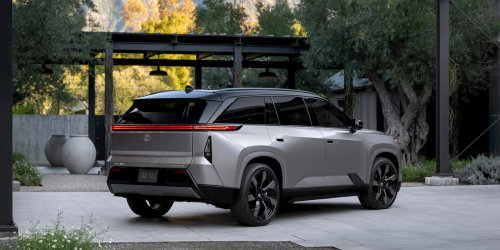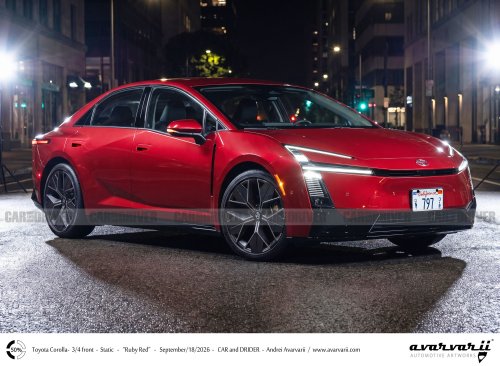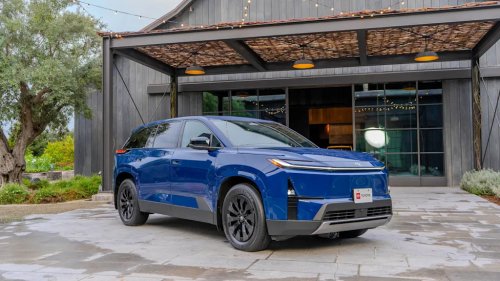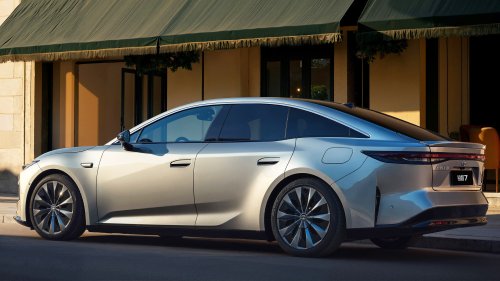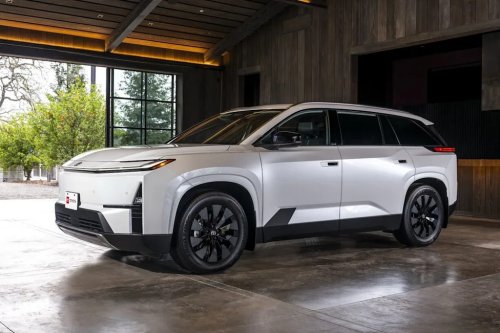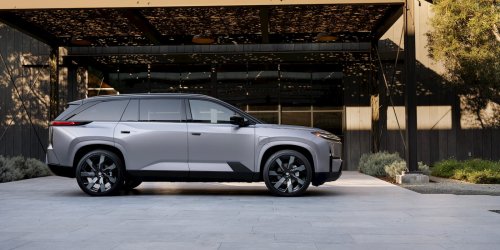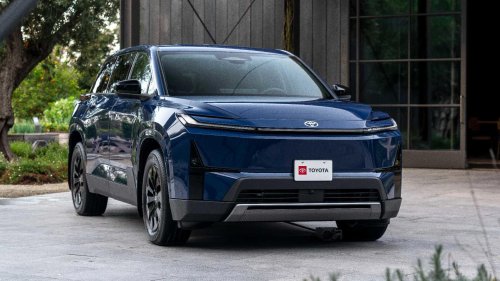
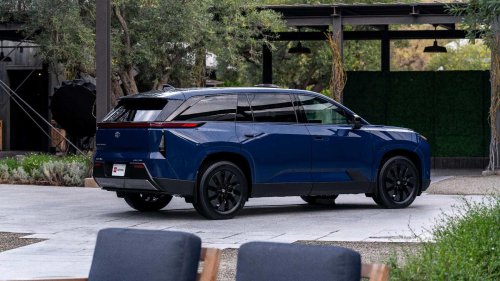
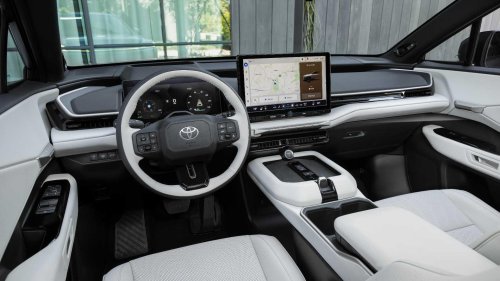
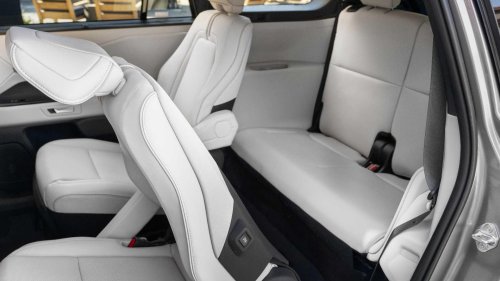
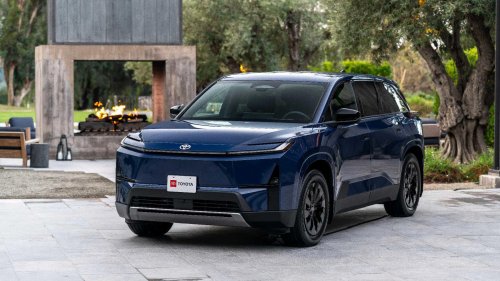
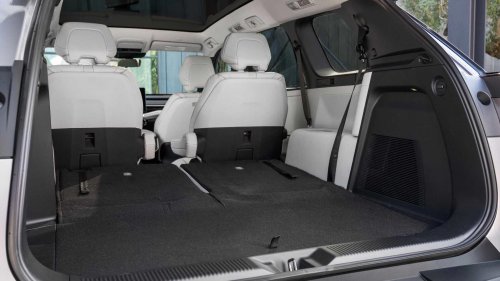



















The 2027 Highlander doesn’t ease into its next chapter. It jumps straight into it. For the first time, Toyota’s long-running family SUV goes fully electric, bringing all-wheel drive, real range, and real power with it. This is a production three-row EV built in the U.S., using one of Toyota’s most recognizable nameplates.By the numbers alone, this Highlander already looks different from anything that came before it. And once you step back and look at how Toyota positioned it, it all makes sense. Watch out, Honda, the Highlander is coming. The 2027 Toyota Highlander Puts Performance And Powertrain First ToyotaToyota didn’t bury the lede here. The 2027 Toyota Highlander is fully electric across the lineup, offered with front- or all-wheel drive depending on configuration. All-wheel-drive models produce 338 combined system horsepower and 323 lb-ft of torque, a meaningful jump that immediately reframes Highlander as something more than a conservative commuter SUV.Battery choice determines both output and range. XLE models start with a 77.0-kWh battery, while higher-spec AWD versions and the Limited trim use a 95.8-kWh pack. With that larger battery, Toyota estimates up to 320 miles of total driving range, putting Highlander squarely into road-trip territory rather than short-haul EV duty. It's a brilliant move, especially with the Grand Highlander still in the mix. Toyota 2027 Toyota Highlander Key Performance Specs On paper, that 338-horsepower figure matters more than it might seem. The Honda Pilot, long considered the benchmark in this space, makes 285 horsepower from its V6. That used to feel strong for a family SUV. Now the Highlander clears it comfortably, and it delivers that power with instant electric torque. In a class that rarely puts acceleration first, that changes the conversation.Charging is clearly designed around convenience. Every model uses a North American Charging Systemgiving drivers access to thousands of DC fast chargers nationwide. Under ideal conditions, Toyota estimates a 10% to 80% charge in about 30 minutes, supported by battery preconditioning and Plug & Charge capability.AWD models also keep features like Multi-Terrain Select and Crawl Control, reinforcing the point Toyota seems eager to make. This is not an efficiency-only EV. It’s still engineered to handle everyday life, in every season.The Interior Is Built Around Actual Use, Not TrendsToyotaToyota’s decision to highlight the interior early makes more sense once you see how it’s packaged. The new Highlander offers three rows of seating for up to seven, with more than 45 cubic feet of cargo space when the third row is folded flat. A 14-inch center touchscreen and 12.3-inch digital gauge cluster bring the cabin up to date, while physical controls remain for key functions. Charging ports are spread across all three rows, and Toyota offers its largest panoramic glass roof ever, which helps the cabin feel open without sacrificing practicality.ToyotaMaterials scale with trim, but even base models emphasize durability and comfort over minimalism. Heated front seats are standard, with ventilated fronts and heated second-row seats available on higher trims. The focus stays on livability, which is what the Highlander has always been about. Why This Isn’t Just An Electric Grand Highlander ToyotaIt’s tempting to lump this model in with the Grand Highlander, but the two serve different purposes. The Grand Highlander expanded the formula, offering more space and familiar hybrid options. This new Highlander changes the formula itself.By committing fully to an electric platform and pairing it with AWD, strong output, and features like vehicle-to-load capability, Toyota is repositioning Highlander as a multi-role tool rather than just a people mover. It’s meant to commute, go on road trips, power external equipment, and handle real-world conditions without asking owners to rethink how they use it.ToyotaThat’s what makes this Highlander significant. Toyota didn’t protect the nameplate by playing it safe; they used it to move the brand forward. And that choice says more about Toyota’s EV direction than any standalone model ever could.