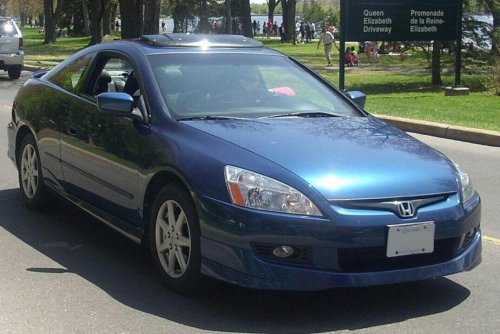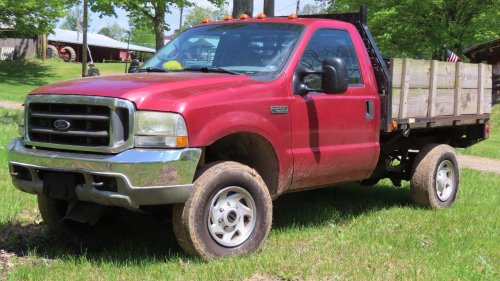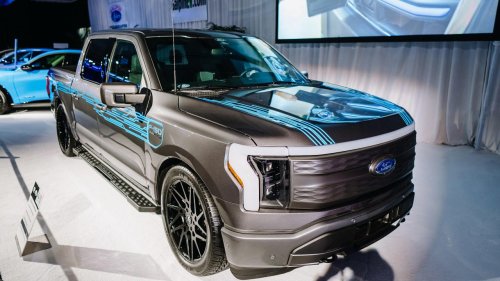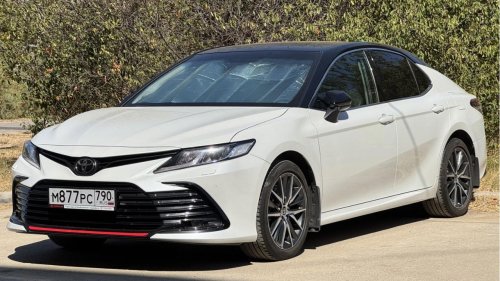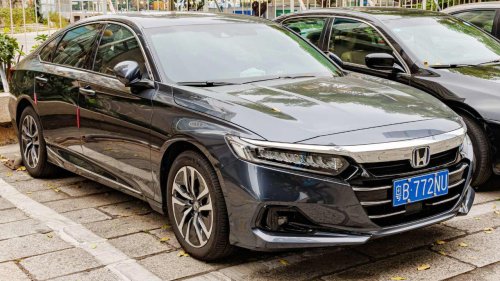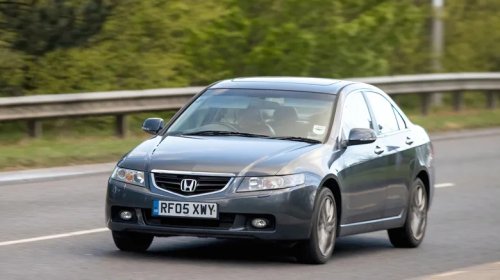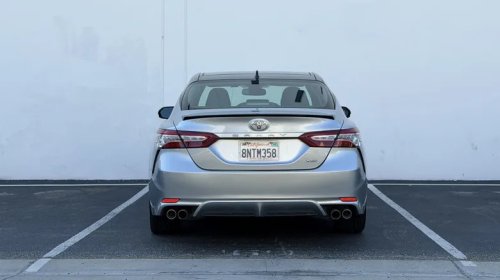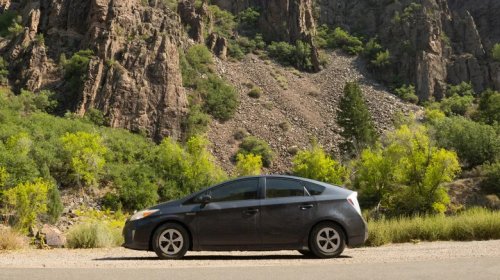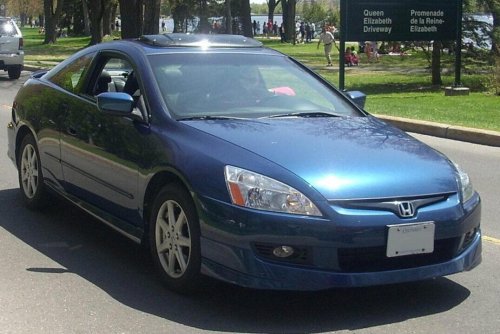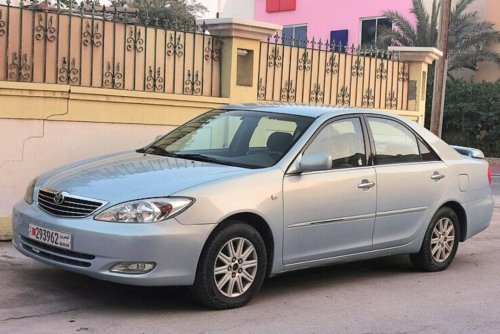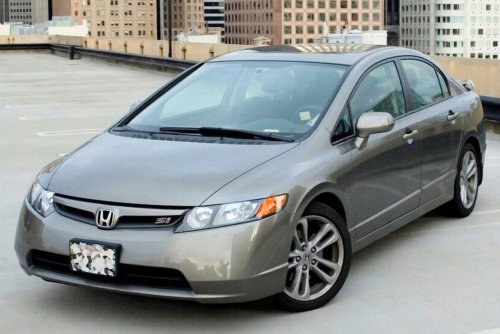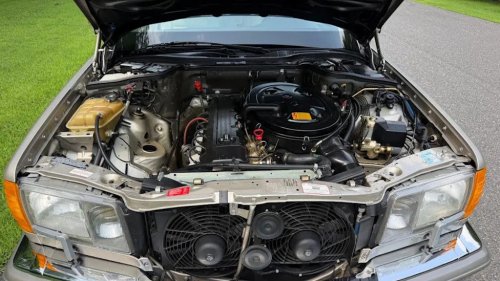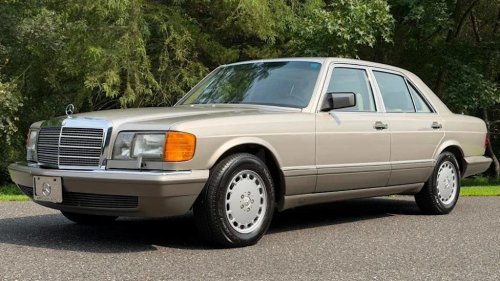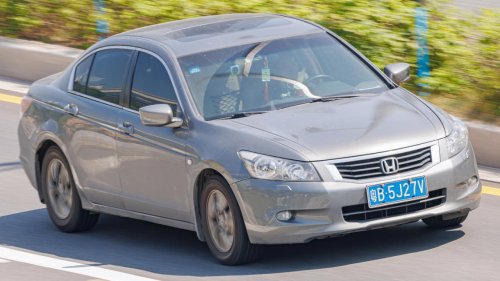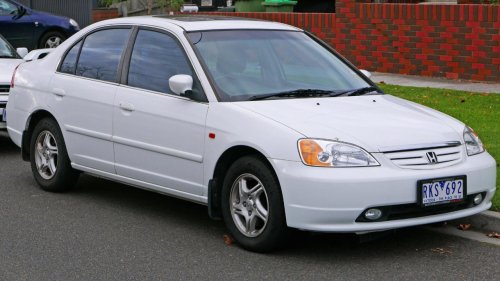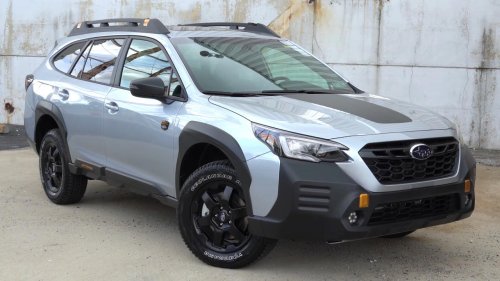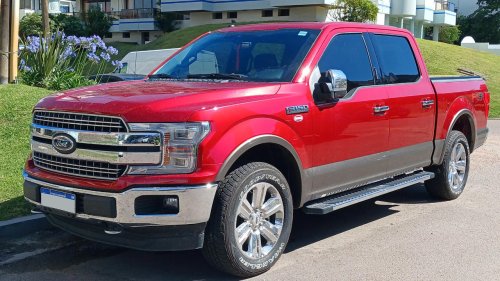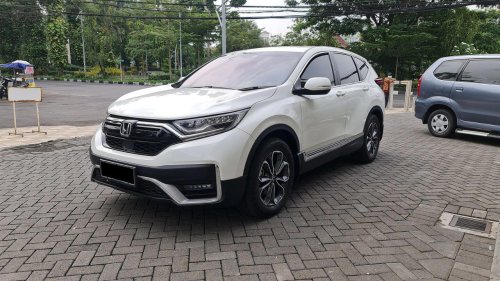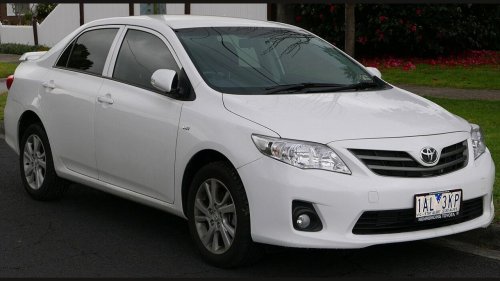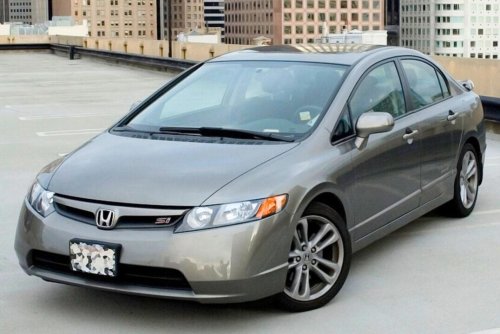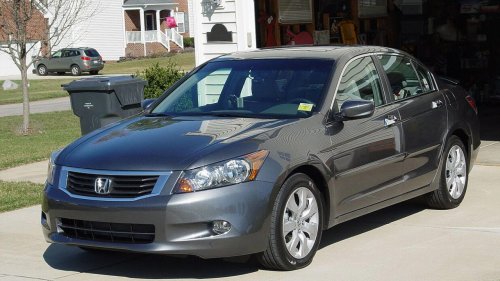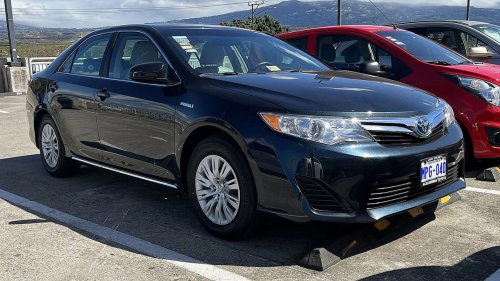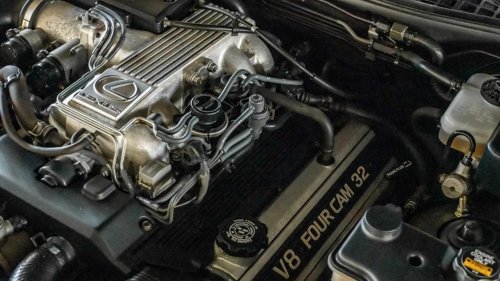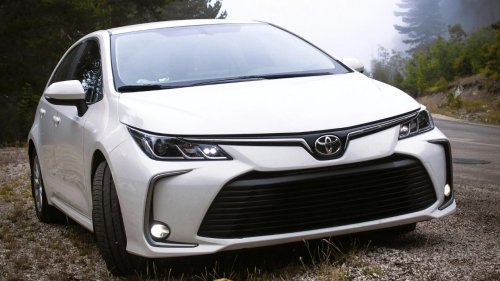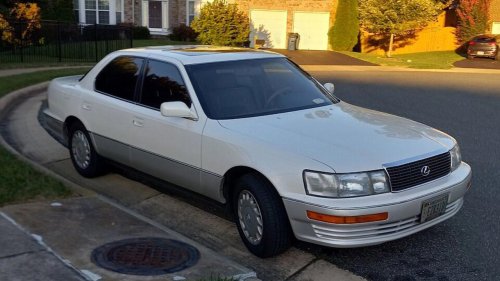
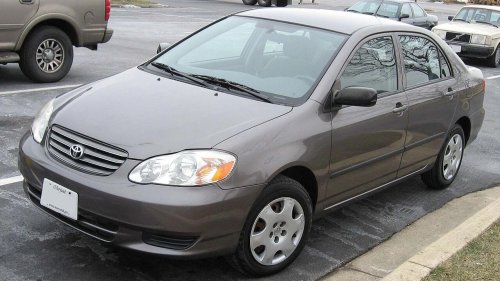
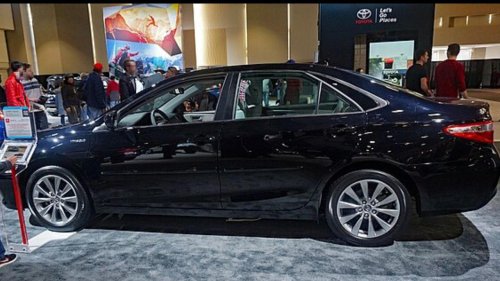
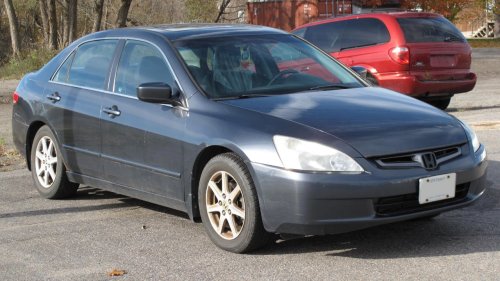
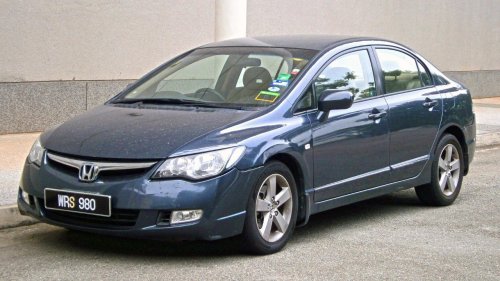
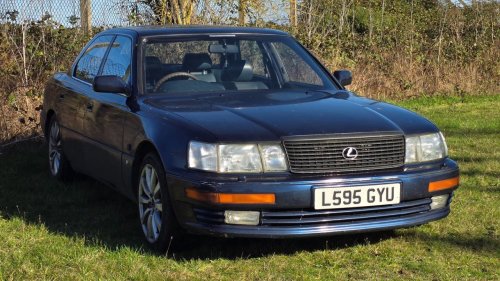
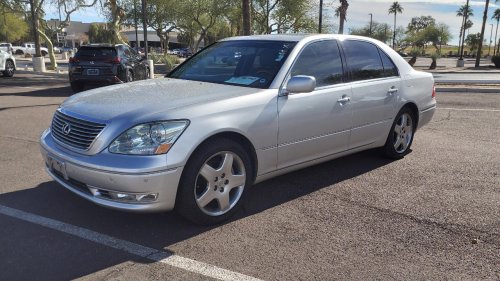
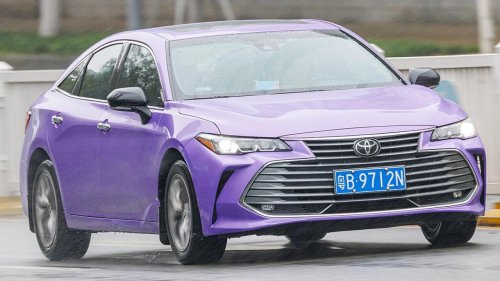
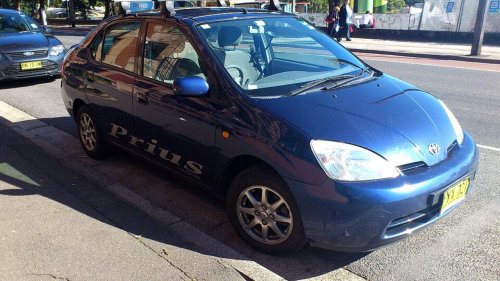
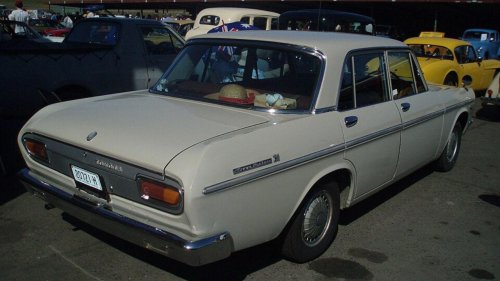
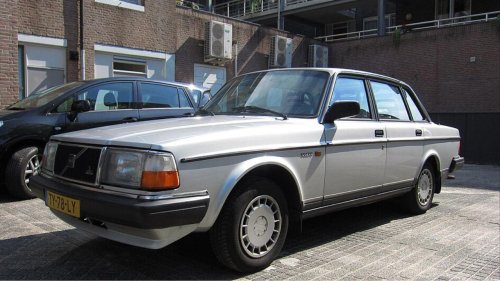
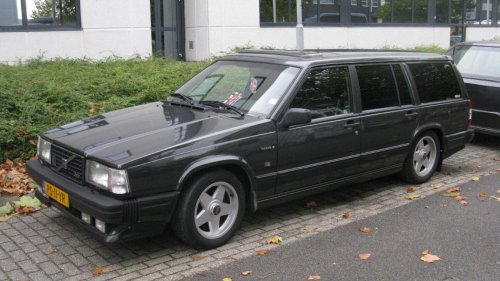
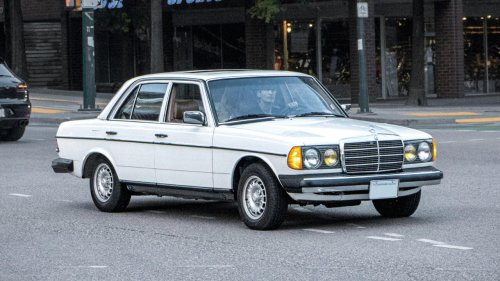
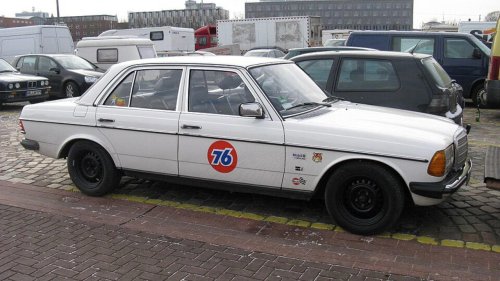
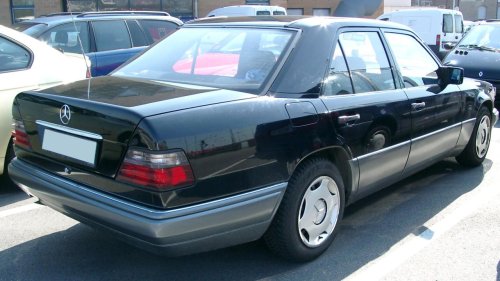
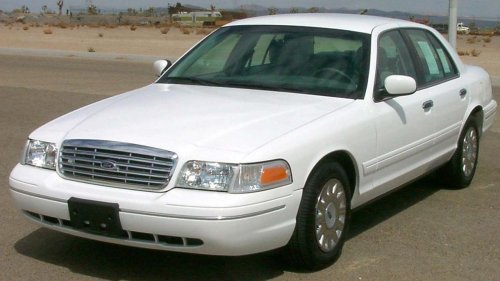
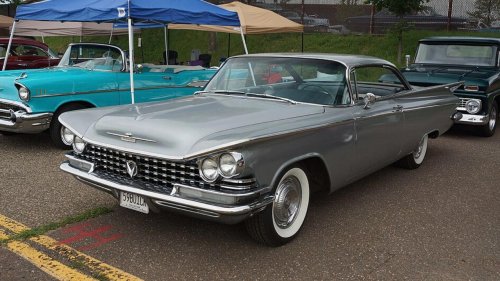
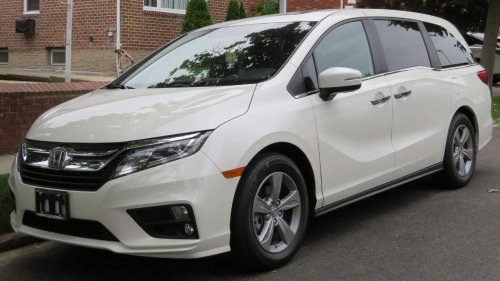
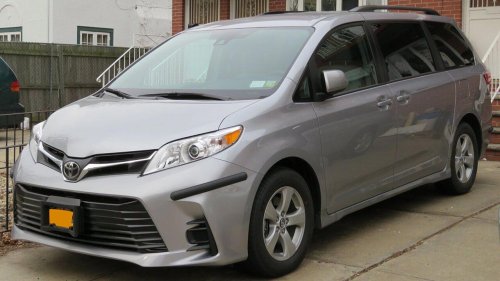
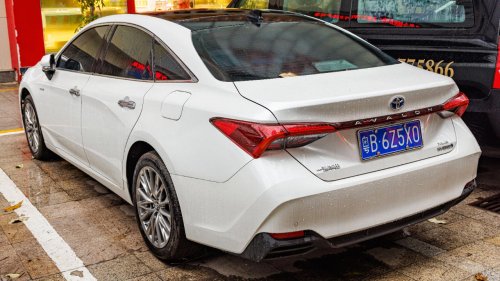




















Reaching 300,000 miles is unusual for any car, but a handful of models have earned reputations for going far beyond what most owners expect. Their secret is rarely one spectacular feature. Instead, they tend to combine conservative engineering, durable drivetrains, strong body construction, and mechanical designs that can survive years of regular use. These are the cars that can keep showing up on the road long after their odometers have entered six-figure territory.Toyota CorollaThe Toyota Corolla has built its reputation on being simple, dependable, and easy to keep running. Generations of Corollas have used straightforward drivetrains that can tolerate years of commuting when properly maintained. The cars are not especially complicated, and replacement parts are generally easy to find. That combination has helped plenty of older examples remain useful long after newer vehicles have disappeared. The Corolla is also one of the easiest high-mileage cars to maintain, which matters when an owner intends to keep pushing the odometer toward 300,000 miles.Toyota CamryThe Camry became famous for quietly accumulating mileage without demanding much attention beyond routine maintenance. Its comfortable ride and conservative engineering made it a popular family car, taxi, and commuter vehicle. Many generations used well-proven drivetrains that were capable of handling years of regular use. Recent longevity research continues to place the Camry among the models with unusually strong long-term survival potential. A well-maintained Camry can therefore become the kind of car an owner keeps simply because there is little reason to replace it.Honda AccordThe Honda Accord has spent decades proving that a family sedan does not have to be disposable. Its combination of efficient engines, durable transmissions, and relatively straightforward mechanical systems has allowed many examples to accumulate extraordinary mileage. High-mileage Accords are common enough that seeing one with a very high odometer reading is hardly surprising. Recent analysis of vehicles capable of reaching 300,000 miles specifically includes the Accord. Proper maintenance remains essential, but the Accord has the underlying durability to make very high mileage realistic.Honda CivicThe Civic’s light weight and relatively simple mechanical layout have always worked in its favor. Older generations in particular became known for surviving years of commuting, college ownership, and daily abuse. Their engines generally did not need to work especially hard to move the lightweight body, while parts availability made long-term repairs easier to justify. High-mileage examples reaching well beyond 200,000 miles are common, and the Civic is among the models identified in recent research on vehicles with a realistic path toward 300,000 miles.Lexus LS 400The Lexus LS 400 was engineered with an almost excessive attention to detail. Toyota wanted its first luxury flagship to compete with established European brands, so the company invested heavily in refinement, manufacturing quality, and durability. The result was a sedan whose reputation for longevity became almost as famous as its quiet ride. High-mileage LS 400s are particularly impressive because they can continue operating with the smoothness expected of a luxury car. Recent high-mileage research continues to identify the LS 400 among cars capable of reaching the 300,000-mile range.Lexus LS 430The LS 430 carried forward many of the qualities that made the earlier LS 400 famous while adding more technology and comfort. Its V8 powertrain was designed for smooth, relaxed operation rather than extreme performance, which helped create a relatively unstressed driving experience. Owners who keep up with maintenance can find these cars remarkably durable even after years of use. The LS line remains one of the strongest examples of a luxury car being engineered for longevity rather than simply being designed to feel impressive when new.Toyota AvalonThe Avalon was built for buyers who wanted more space and comfort than a Camry without moving into a luxury brand. That meant Toyota could use a proven drivetrain while giving the car a larger, more relaxed body. The result was a sedan that often accumulated huge mileage with relatively little drama. The Avalon also appears near the top of modern longevity research, with its long-term survival potential substantially above the average vehicle. Its combination of simplicity, comfort, and durability made it particularly appealing to owners who planned to keep their cars for many years.Toyota PriusThe Prius might seem like an unlikely choice for a 300,000-mile list, but its hybrid system has developed an impressive high-mileage reputation. Taxi and rideshare use has provided plenty of real-world examples of Priuses accumulating enormous mileage. The electric motor reduces some of the workload placed on the gasoline engine, while Toyota’s hybrid system has proven capable of handling extensive daily use. Recent research also places the Prius among the vehicles with strong long-term mileage potential. Its durability is a reminder that overbuilt does not always mean old-fashioned.Toyota CrownThe Toyota Crown has a long history of serving as a durable Japanese sedan, particularly in markets where it has been used for demanding commercial and taxi work. Earlier generations emphasized straightforward mechanical engineering and strong construction. The car was designed to provide comfortable transportation without requiring exotic technology. That combination helped make older Crowns remarkably long-lived. While they are less common in some markets than the Corolla or Camry, the Crown has a particularly strong reputation among enthusiasts who appreciate older Toyota engineering and the cars that were built to rack up years of service.Volvo 240The Volvo 240 became famous for its boxy styling, but its real legacy is durability. The car used relatively straightforward mechanical systems and was built around a sturdy structure that could withstand decades of ordinary use. Many examples became family cars that were passed between generations rather than traded in after a few years. The 240 is frequently mentioned in discussions of extreme high-mileage cars, and some surviving examples have accumulated extraordinary odometer readings. Its simple design is a major reason so many enthusiasts still refuse to give up on them.Volvo 740The Volvo 740 followed the same basic philosophy as the 240 while providing a more modern package. Its square body, roomy interior, and straightforward mechanical layout made it a practical long-distance car. Many examples were used for years as family transportation, and the underlying platform proved capable of handling substantial mileage. Turbocharged versions added complexity, but the basic architecture remained strong. The 740 has become another Volvo associated with extreme longevity, particularly among owners willing to maintain an older car instead of replacing it when it reaches a high odometer reading.Mercedes-Benz 300DThe Mercedes-Benz 300D became legendary for its ability to keep working long after most cars from the same era had disappeared. Its diesel drivetrain was designed around durability and long service intervals, making it especially popular with owners who expected to keep their cars for decades. Taxi use in various parts of the world added even more real-world evidence of its endurance. The 300D’s reputation became so strong that high-mileage examples are still sought after today. It is one of the classic examples of a car engineered more like long-term equipment than a disposable consumer product.Mercedes-Benz W123The W123 generation became one of Mercedes-Benz’s most durable and respected cars. It was available with several engines and body styles, but the platform itself was built with a level of structural and mechanical robustness that helped it survive decades of use. Diesel versions became particularly famous for enormous mileage, while gasoline models could also last remarkably well when maintained. The W123 continues to appear in modern discussions of cars capable of reaching extreme mileage, although age-related repairs can become significant as these vehicles grow older.Mercedes-Benz W124The W124 took Mercedes-Benz’s traditional durability philosophy and combined it with more sophisticated engineering. The car was designed as a high-quality executive sedan but became popular with owners who wanted a vehicle they could keep for a very long time. Strong body construction, durable drivetrains, and a reputation for careful engineering helped many examples survive well beyond ordinary service life. W124s with very high mileage are still encountered, although maintaining an aging Mercedes can require more money and specialist knowledge than maintaining a simple Japanese sedan.Ford Crown VictoriaThe Crown Victoria was built around a rugged rear-wheel-drive architecture that became especially valuable to police departments, taxi companies, and fleet operators. Those users subjected the cars to much harder service than ordinary private owners, providing a real-world durability test that few passenger cars receive. The combination of body-on-frame construction and a durable V8 helped many examples accumulate extraordinary mileage. Its fleet history is a major reason the Crown Victoria remains associated with high-mileage reliability.Buick LeSabreThe Buick LeSabre was never marketed as an engineering marvel, but its conservative approach helped make it an unusually durable family sedan. Many versions used proven V6 powertrains and relatively straightforward mechanical systems. Owners who kept up with basic maintenance could often keep these cars on the road for a surprisingly long time. The LeSabre also benefited from being a large, relaxed cruiser rather than a highly stressed performance car. That understated formula is part of why surviving examples can still be found with impressive mileage.Honda OdysseyThe Honda Odyssey proves that extreme longevity is not limited to sedans. Families routinely put enormous mileage on minivans because they serve as daily transportation for years, and the Odyssey has developed a strong reputation for surviving that kind of use. Recent research into vehicles capable of reaching 300,000 miles includes the Odyssey among the models with documented high-mileage potential. Its combination of a proven Honda drivetrain, practical packaging, and heavy family use has helped make high-mileage examples surprisingly common.Toyota SiennaThe Toyota Sienna is another vehicle that can accumulate huge mileage simply because owners tend to use it heavily. Families depend on these vans for commuting, school runs, road trips, and everyday transportation, so a durable drivetrain becomes especially valuable. Toyota’s conservative engineering has helped the Sienna develop a strong reputation for longevity. Long-term vehicle research has repeatedly placed the Sienna among the models capable of reaching unusually high mileage. It is not glamorous, but that is part of the point: practical engineering can produce remarkable staying power.Toyota Avalon HybridThe Avalon Hybrid combined the spaciousness of the Avalon with Toyota’s established hybrid technology. The system was designed around efficiency and smooth operation rather than high performance, which can reduce some of the stresses associated with conventional powertrains. The model also appears in recent longevity research with a significantly higher-than-average likelihood of reaching 250,000 miles. While 300,000 miles is never guaranteed, the Avalon Hybrid demonstrates that a complex modern drivetrain can still be engineered for serious long-term use.