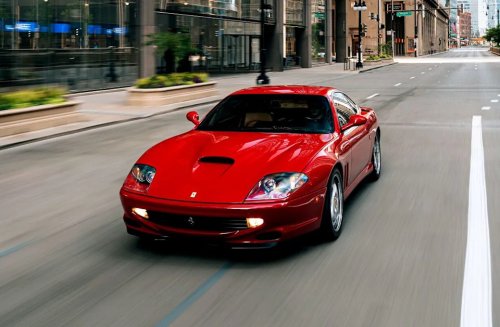
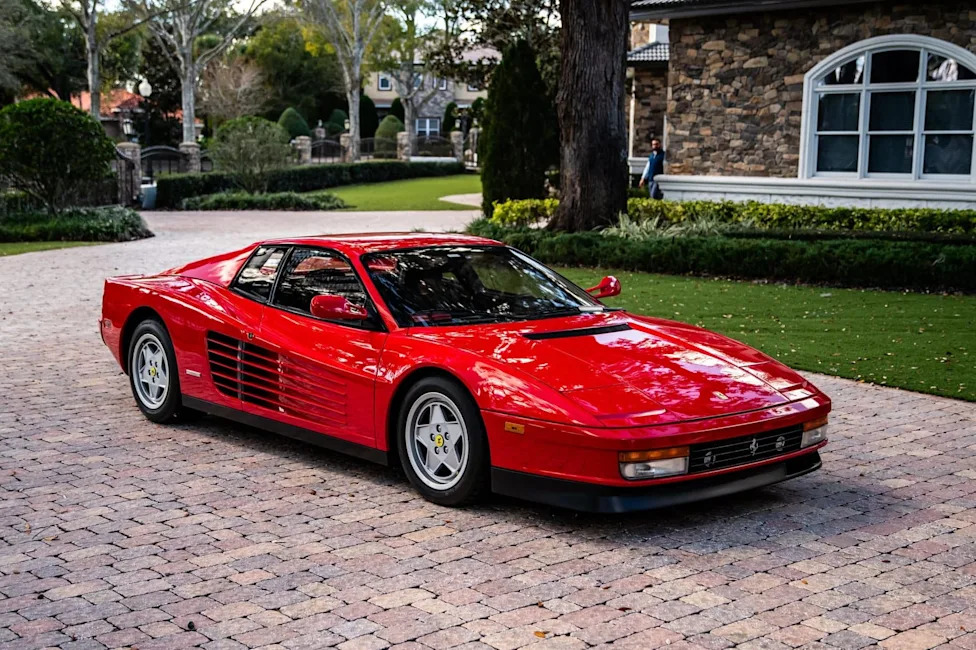
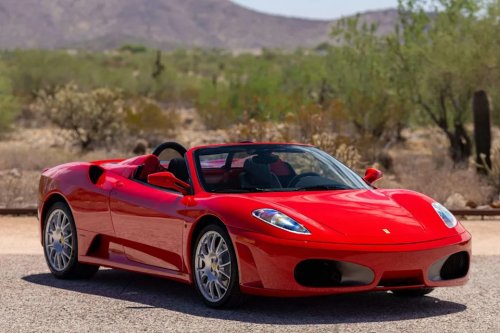
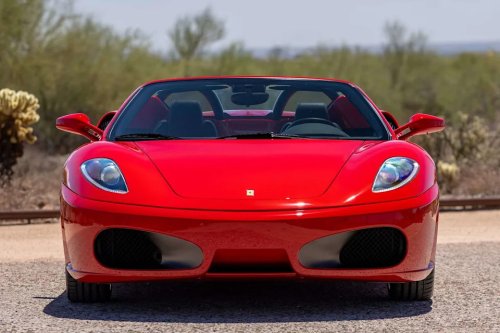
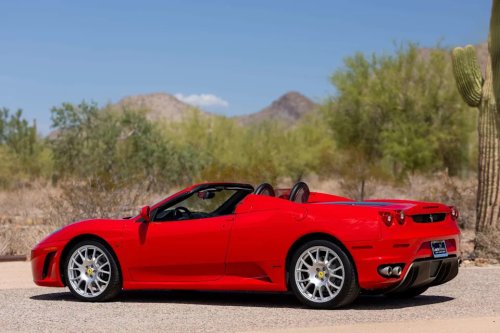
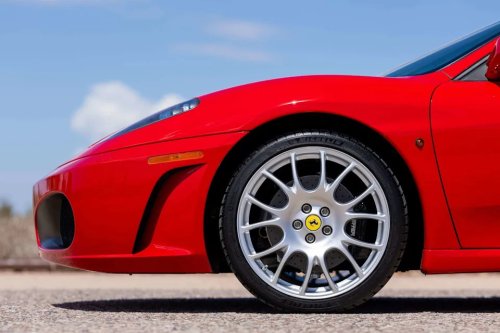
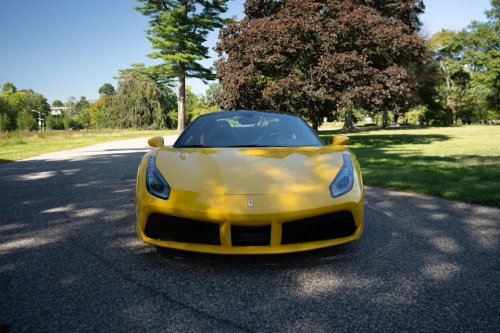
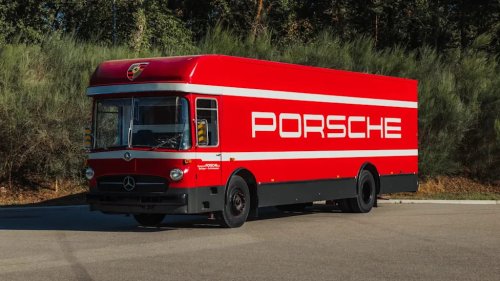
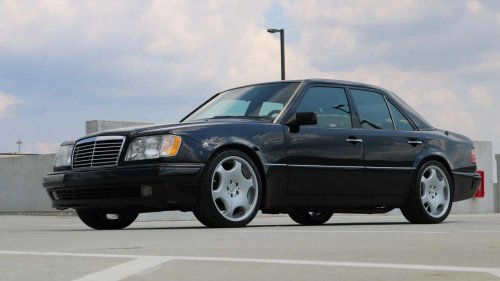
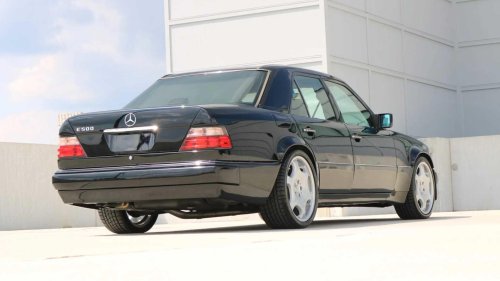
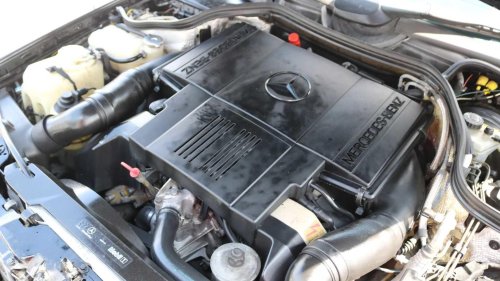
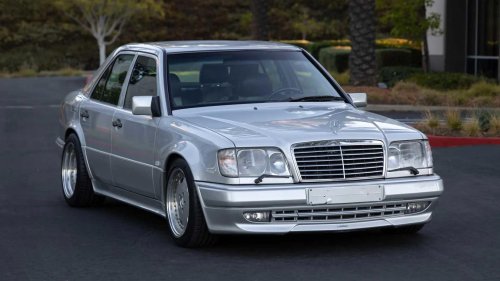
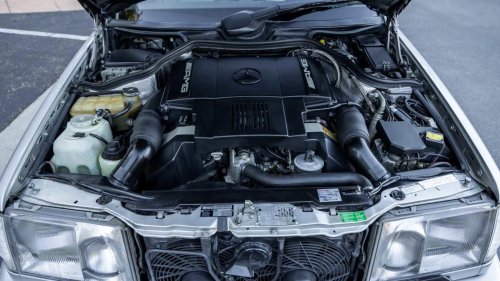
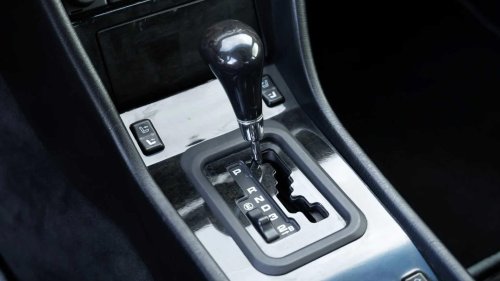
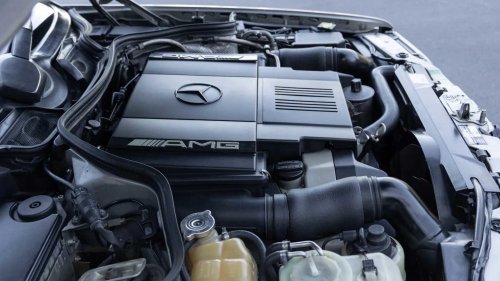
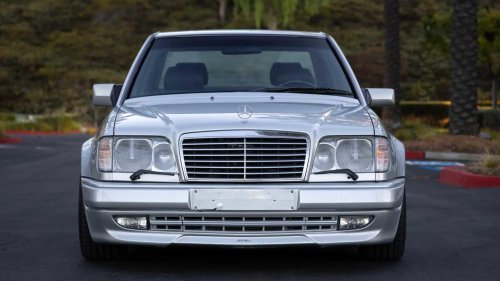
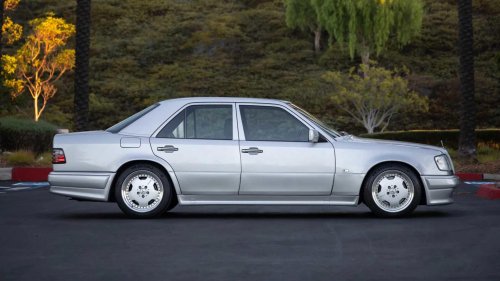
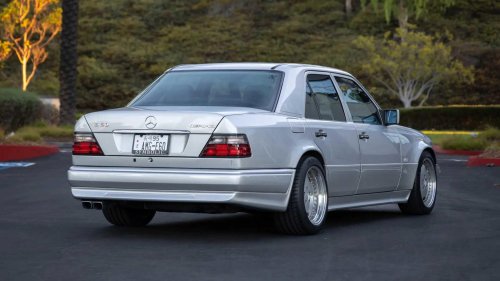
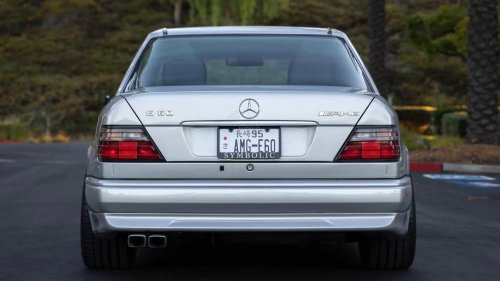
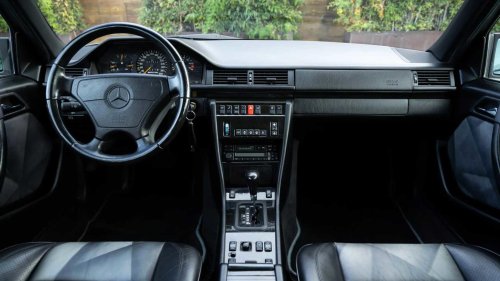
In the early 1990s, the automotive world followed a strict hierarchy. If you wanted visceral speed, you visited a Ferrari showroom. If you wanted bulletproof luxury, you bought a Mercedes-Benz. This was the era of peak Benz, a time when engineers held the checkbook and build quality was prioritized over profit margins.Mercedes-Benz lived by a simple philosophy: create the best car possible, regardless of the final cost. This obsession with excellence eventually led to a sedan so expensive it challenged the established supercar order. While a brand-newFerrari F355 started around $119,000 in 1994, a fully optioned flagship from Stuttgart could actually end up costing a buyer more. It was a subtle masterpiece that blurred the lines between an executive cruiser and a world-class exotic. Why Porsche Built A Mercedes Via: Bring a Trailer In the late eighties, Mercedes-Benz wanted to create a high-performance version of its sturdy W124 sedan. However, the company faced a surprising logistical hurdle. The engineering team had widened the wheel arches and modified the chassis to accommodate a massive V8, making the car too wide to fit through the standard assembly lines at the Sindelfingen plant. To solve this, Mercedes-Benz turned to Porsche. At the time, Porsche was struggling financially and had excess capacity at its Rossle-Bau facility in Zuffenhausen.Via: Bring a TrailerThe production process was a fascinating and expensive ballet between two German giants. Each car began as a bare shell at Mercedes before being transported across town to Porsche. There, Porsche technicians hand-assembled the wide-body components and strengthened the chassis. Once that work was finished, the cars were shipped back to Mercedes for painting, then returned to Porsche once more for the engine installation and final assembly. This back-and-forth journey took eighteen days per car, ensuring that every unit met an incredibly high standard of craftsmanship. This became one of the most famous collaborations in automotive history.Via: Bring a TrailerThe result was the 500 E, a vehicle often described as a wolf in sheep’s clothing. Under the hood sat a 5.0-liter M119 V8 engine that produced 322 hp. To the untrained eye, it looked like a standard executive car, save for its slightly flared fenders and a lower stance. It became the ultimate standard-bearer for executive performance, offering a level of poise and power that felt indestructible. It was a masterpiece of understated aggression, setting the stage for something even more extreme. The W124 E60 AMG: Boring Out The M119 To 6.0 Liters Via: Bring a Trailer While the 500 E was already a formidable machine, it was merely the starting point for the rarest evolution of the W124 platform: the E60 AMG. This was an ultra-rare, factory-sanctioned powerhouse that took the already expensive Porsche-built foundation and added a massive premium for sheer displacement. This forgotten sleeper redefined the performance car in the 90s.In 1994, the base price for this transformation was roughly 180,000 DM. At contemporary exchange rates, this pushed the car into the $120,000 range before adding bespoke interior options. This meant a buyer was effectively paying Ferrari F355 money for a sedan that, to the average observer, looked like a standard taxi in Germany.Via: Bring a Trailer Identifying a genuine E60 AMG requires looking for Option Code 957 on the build sheet, known as the AMG Technik-Paket. This code signaled that the car was to be pulled from the standard line and fitted with a hand-built, 6.0-liter M119 V8. The displacement increase provided a massive jump in performance, with a factory rating of 381 horsepower and 428 pound-feet of torque.Via: Bring a TrailerHowever, because these engines were hand-assembled to such high tolerances, real-world output was often rumored to exceed 400 horsepower. This mountain of power allowed the heavy sedan to accelerate with a level of violence that genuinely rivaled the Ferraris of the era, justifying its supercar price tag. Boxy Sedan Performance That Also Outruns A Ferrari Via: Bring a Trailer When the E60 AMG hit the road in the early nineties, the performance of this sedan was nothing short of a mechanical anomaly. It could sprint from a standstill to 100 kilometers per hour in just 5.1 seconds. While that may sound common by modern standards, it was a staggering achievement for a heavy four-door car at the time. To put it in perspective, this boxy German sedan was capable of keeping pace with contemporary mid-engine exotics like the Ferrari 348 or the Porsche 911 Carrera. It offered supercar-level acceleration while providing enough room for four adults and a trunk full of luggage, making it one of the most versatile speed machines ever built.Via: Bring a Trailer Achieving this level of performance required more than just a bigger engine. The drivetrain underwent significant refinement to handle the massive torque of the 6.0-liter V8. Engineers modified the four-speed automatic transmission with higher-pressure valve bodies to ensure shifts were crisp and reliable under heavy load. The car also featured a specialized AMG-tuned exhaust system that provided a deeper, more resonant growl without sacrificing the refined cabin experience. To keep the power under control, the suspension was stiffened and lowered further than the standard 500 E, giving the car a planted, unshakable feel at high speeds.Via: Bring a Trailer Visually, the differences remained subtle, staying true to the sleeper philosophy. The most notable upgrade was the addition of 17-inch forged AMG Monoblock wheels, famously known as the EVO II style. These wheels filled out the flared arches perfectly and provided better cooling for the oversized brakes. A deeper front apron helped with high-speed aerodynamics, reducing lift and giving the car a slightly more aggressive face. Despite these changes, it still looked like a dignified executive cruiser to the average passerby, hiding its true potential until the driver stepped on the gas. Option Code 957: Identifying A Genuine Factory E60 AMG Via: Bring a Trailer Tracking the exact production numbers of this model is a notorious challenge for automotive historians. During this period, record-keeping at AMG was not as centralized as it is today, leading to a fair amount of confusion in the collector market. There are two distinct types of these cars: factory-coded units and customer conversions. The factory-coded cars are the rarest of the rare. Most experts agree that only 45 units were officially designated as E60 AMGs from the start of their life on the assembly line. These were built between 1993 and 1994 and carry the specific internal codes that prove their heritage.Beyond those 45 factory cars, there were roughly 100 to 150 additional units known as customer conversions. These were original 500 E models that owners sent back to the AMG workshop in Affalterbach to be upgraded with the 6.0-liter engine and performance parts. While these conversions are mechanically identical and highly desirable, they lack the specific factory build code that collectors prize most. This distinction creates a significant divide in value, as a factory-documented car is considered the ultimate prize for any serious Mercedes-Benz enthusiast.To add even more prestige, many of these high-end builds were equipped with the Limited appearance package. This was a factory option that replaced the standard wood trim with a unique gray bird’s eye maple. The interiors featured high-quality two-tone leather, often in combinations like black and gray or black and green, which gave the cabin a much more modern and exclusive feel compared to the traditional tan or black leather found in a standard E-Class. These interior details, combined with the extreme mechanical rarity, ensure that a true E60 remains one of the most sought-after automobiles in the world. The Ultimate Executive Sleeper Via: Bring a Trailer Today, the legacy of this special sedan is reflected in its soaring market value. Seeing one of these cars cross an auction block for $300,000 is no longer a surprise, compared to anF355 that is worth $140,800 today. That might seem like an astronomical sum for a thirty-year-old Mercedes-Benz, but enthusiasts believe the price is justified. The E60 AMG is a piece of history from an era when Mercedes-Benz and Porsche collaborated to build the greatest sedan in the world, and AMG then made it even faster. It represents a level of over-engineering that simply does not exist in the modern automotive landscape.Via: Bring a Trailer Ultimately, the E60 AMG stands as the final and purest expression of the pre-merger AMG spirit. It was built during a time when the goal was to create a masterpiece rather than meeting a specific sales target or corporate metric. It did not just compete with the supercars of its day; it often outpriced and out-engineered them while wearing the humble silhouette of a family car. It remains a definitive statement of German engineering prowess—a quiet, comfortable, and incredibly fast machine that proved luxury and violence could live together in perfect harmony.Sources: Mercedes-Benz, Bring A Trailer, Classic



















 +35 others