Luxury electric vehicle (EV) brands from China are poised to enter the same elite tier as established European marques by leveraging their disruptive technologies, according to Chinese EV maker Zeekr.
“There is a gap between the demand for electric luxury cars and the supply, where Chinese carmakers have an edge,” said Zeekr vice-president Mars Chen. “I believe there will be one to two Chinese brands among the global top five [luxury vehicles].”
With German giants Mercedes-Benz, BMW and Audi lagging in electrification, he said Chinese manufacturers had been offered a chance to catch up.
The three German marques recorded global year-on-year sales declines of up to 6 per cent in the first quarter of this year.
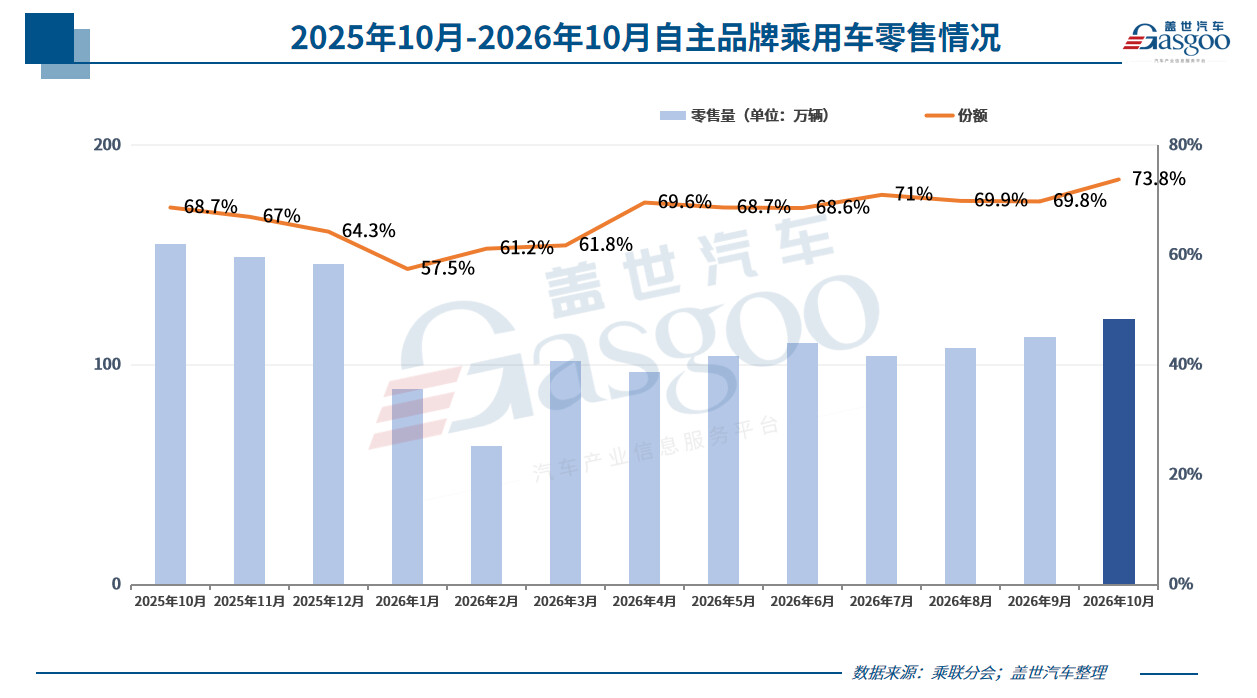
They once commanded as much as 90 per cent of the luxury car market in China, but are now losing ground. Cui Dongshu, secretary general of the China Passenger Car Association, said domestic brands accounted for over 50 per cent of the cars sold for 400,000 yuan (US$59,000) or more last month.
The five bestselling large SUVs in China last year were made by Chinese brands Li Auto, Seres and Xiaomi, according to the association.
But fierce competition in mainland China amid a pullback in EV subsidies has squeezed profit margins. According to the association, the profit margin of the mainland’s automotive industry – mainly car manufacturers – stood at 3.2 per cent in the first quarter of this year, compared with an average of 6 per cent for downstream industrial companies.
Chen said success in the premium market could showcase the advancement of all aspects of EV production in China – including technology and craftsmanship.
“[The overseas luxury market] is something we must conquer and must succeed in,” he said.
At the five-day International Automotive and Supply Chain Expo in Hong Kong, which ended on Monday, Chinese carmakers including Hongqi and Geely showcased premium multipurpose vehicle models, targeting wealthy clients in the city and Southeast Asia.
Chinese luxury EV brands are stepping up sales efforts overseas. Zeekr, for example, said it outsold European players in the past five months with its 7X and 009 models in markets including Hong Kong, Thailand, Malaysia, Australia and Mexico.
Zeekr launched two flagship luxury models – the 9X and 009 Grand – in Hong Kong on Thursday. A subsidiary of Zhejiang Geely Holding Group, one of China’s leading petrol and electric car manufacturers, it is targeting Australia, Hong Kong, Southeast Asia and the United Kingdom in the coming months.
However, legacy brands still enjoy the benefits of a century or more of heritage, especially in the luxury market, where the average age of a new car buyer is 54, according to a report released by S&P Global Mobility last year.
In an interview on the opening day of the expo, Chen said the awareness of some potential purchasers was rising, especially among those born in the internet era, who would ask for smart features in cars such as autonomous parking and electric doors.
He said that when the functional capabilities of a luxury vehicle became sufficiently powerful, emotional appeals and heritage took a back seat.
Besides technology, Chen said Chinese brands were improving design and the selection of premium materials, aiming to give car owners a similar experience to a luxury petrol-powered vehicle.
With Chinese luxury carmakers continuing to work on their products, Chen said they would be able to match European luxury marques in the future.