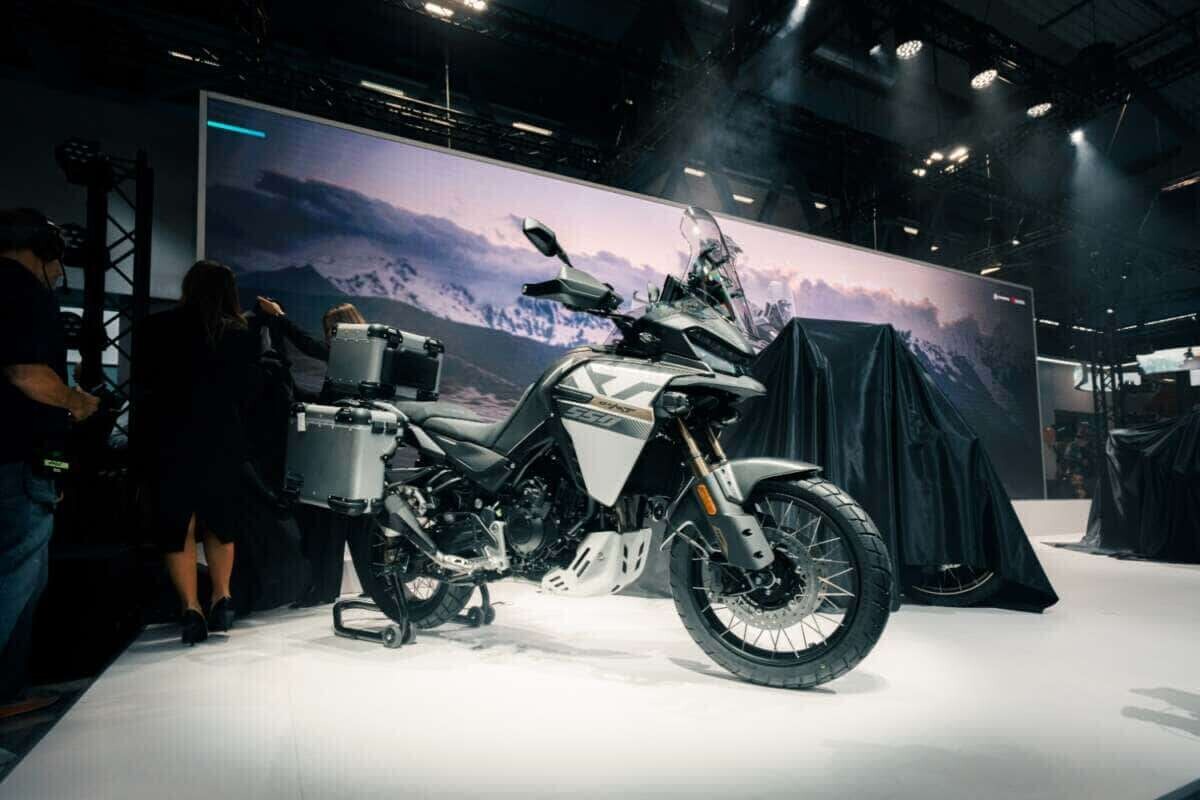
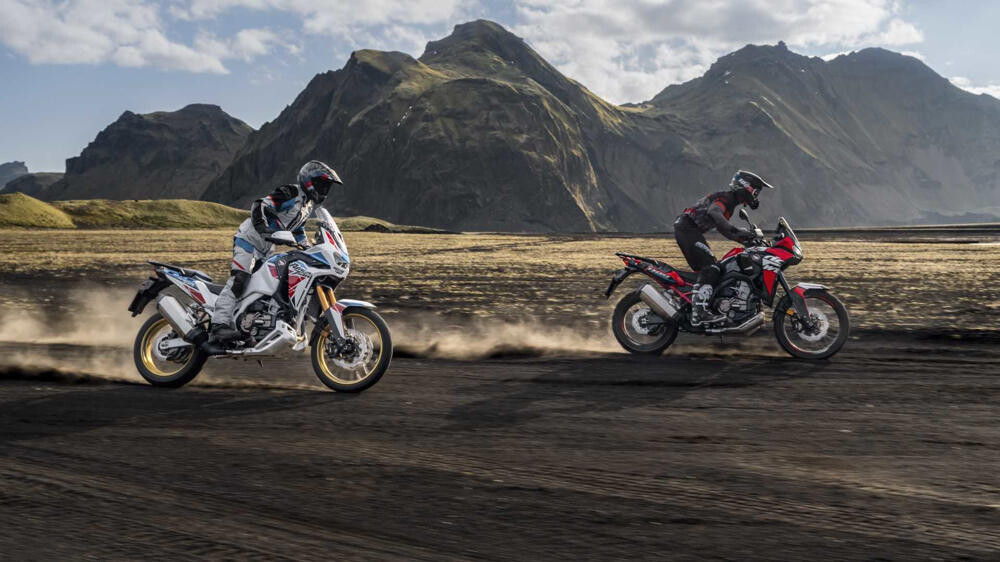
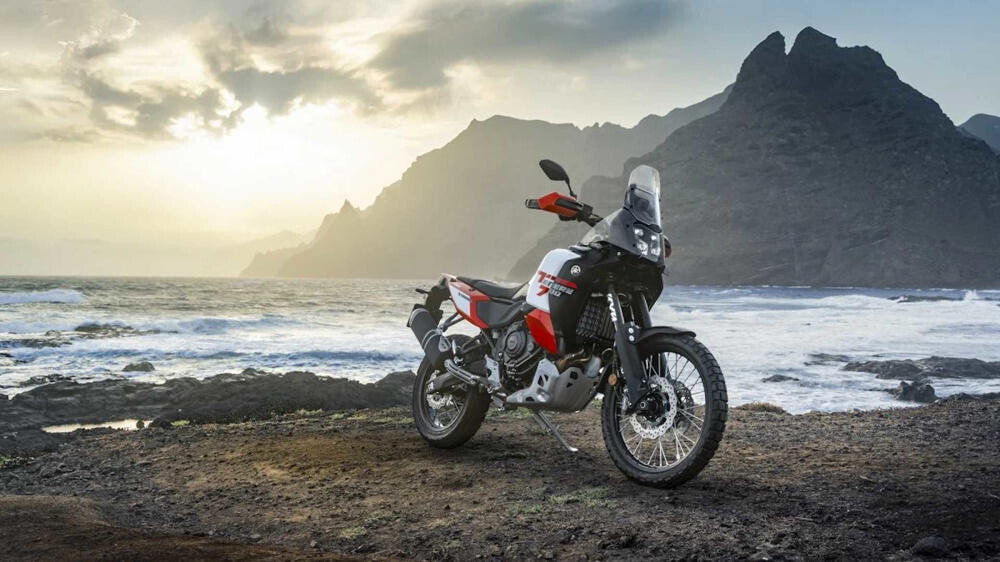
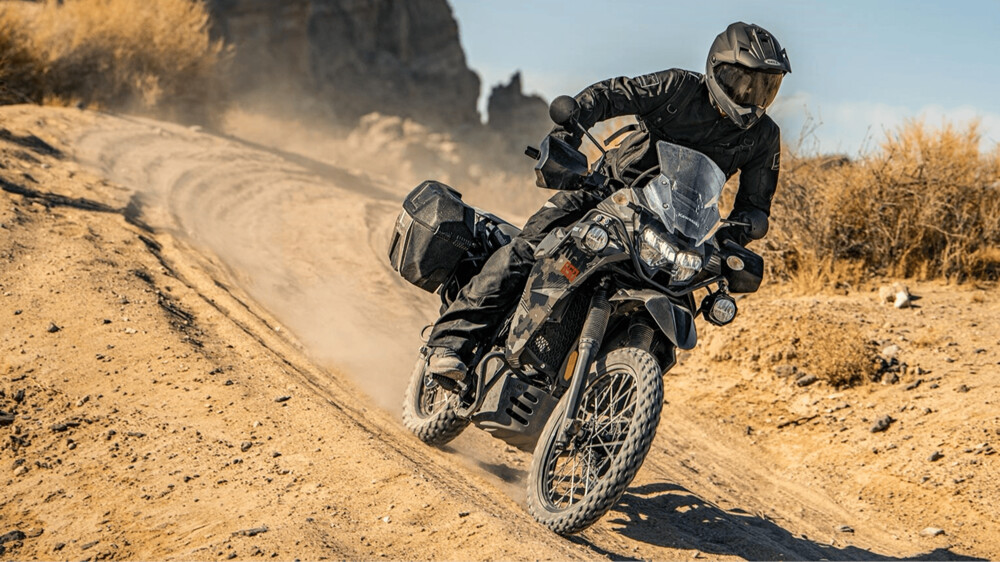
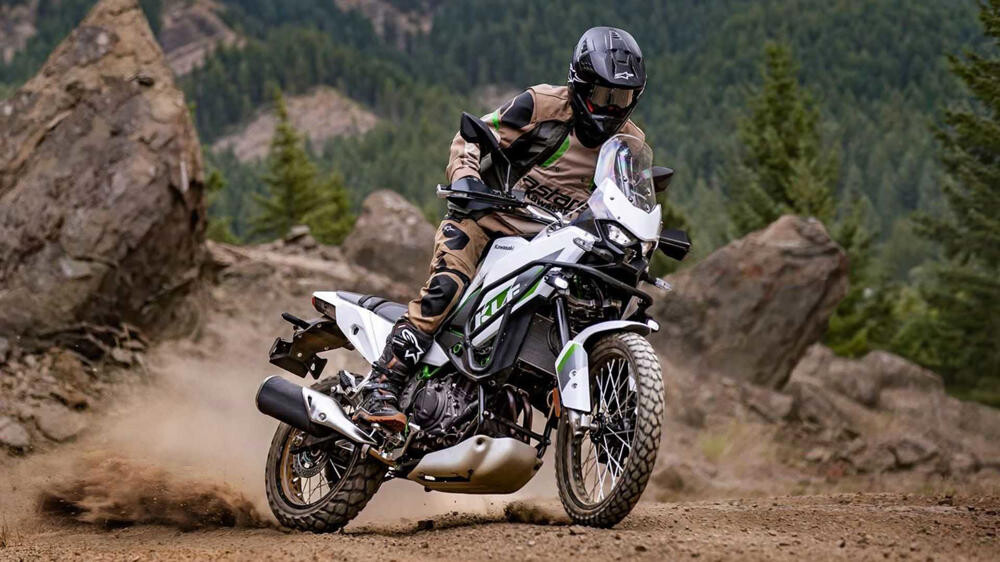
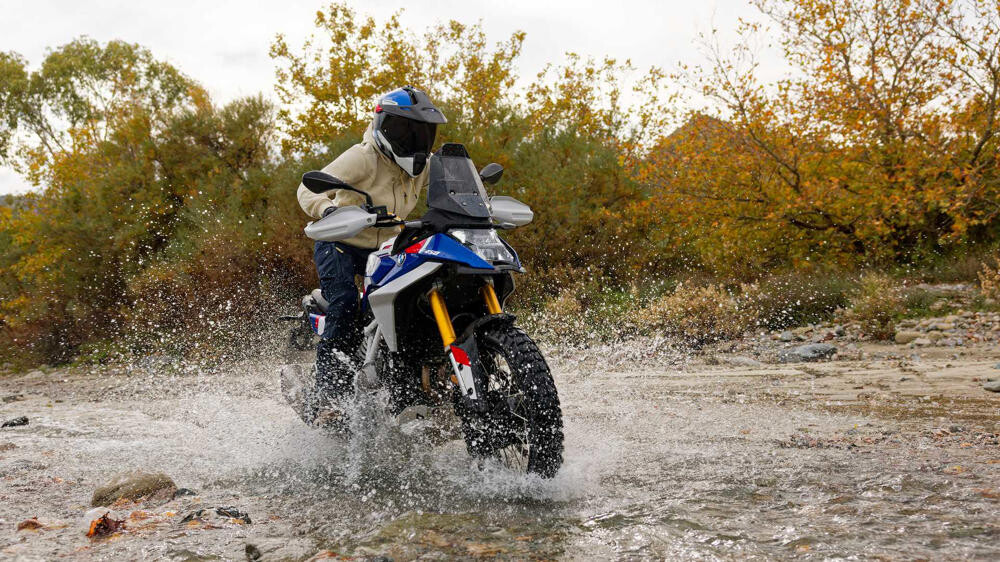
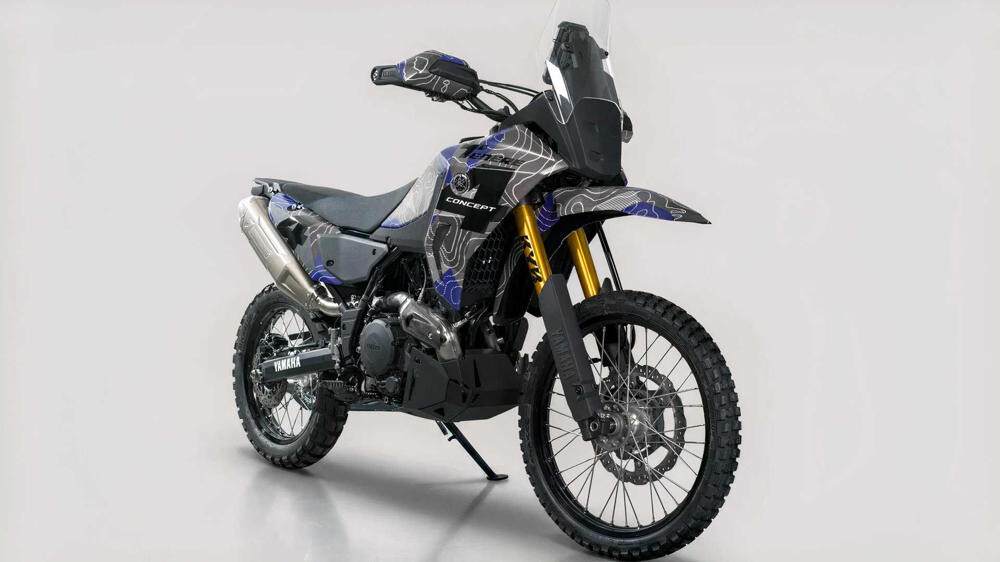
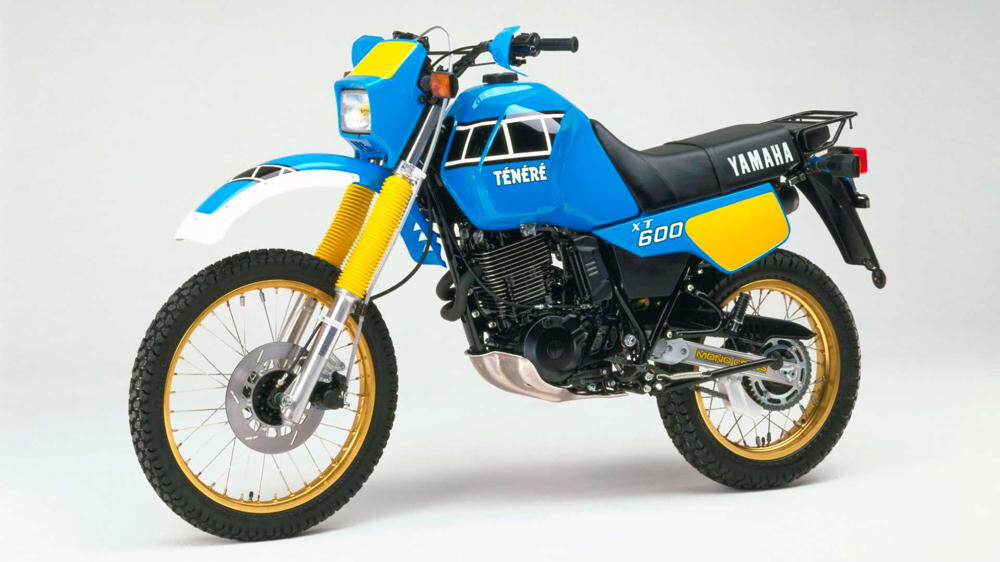
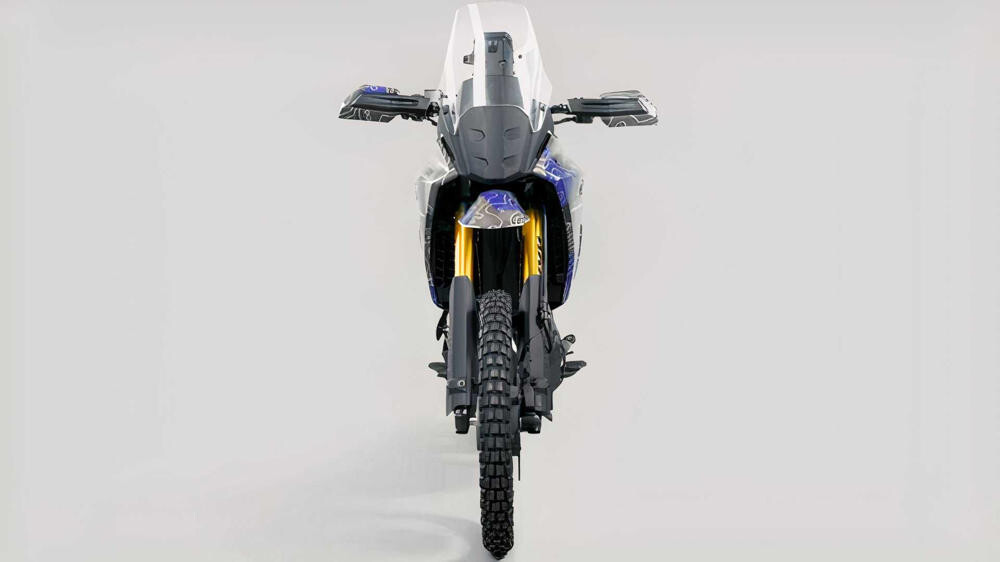
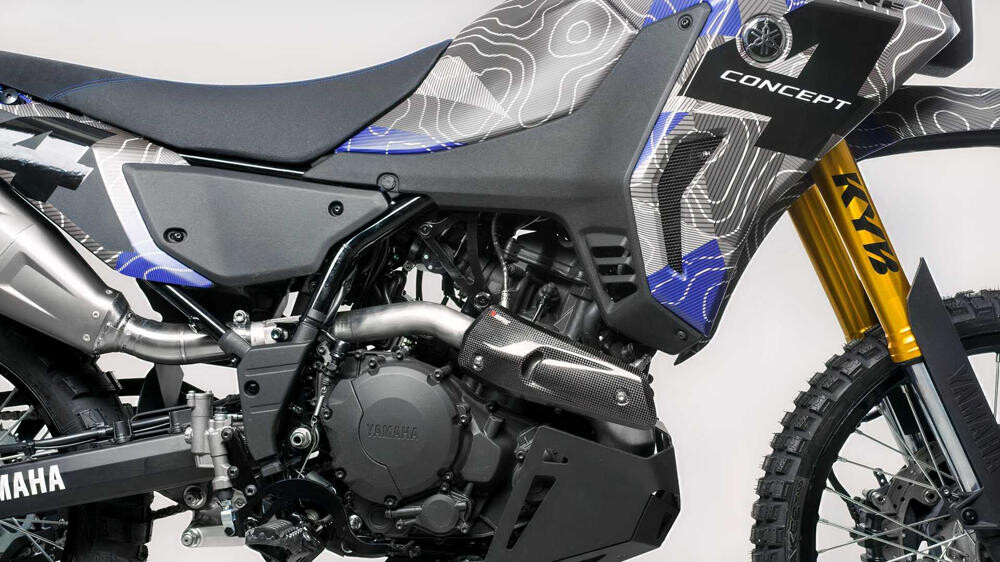
Adventure bikes have spent the better part of two decades getting bigger, more powerful, and more technologically sophisticated. Today's flagship machines can produce superbike-rivaling horsepower, carry enough electronics to fill a brochure, and cost as much as a decent used car. But all that capability comes with compromises, especially when the pavement ends. Weight, size, and complexity can turn a challenging trail into an exhausting workout, and manufacturers are beginning to recognize that more motorcycle isn't always the answer. The Adventure Motorcycle Segment Is Changing The appeal of smaller adventure motorcycles is straightforward. They're easier to manage on difficult terrain, less intimidating for inexperienced riders, and generally more affordable to own. A lighter motorcycle also demands less physical effort. These advantages matter to experienced off-road riders just as much as beginners, particularly when the objective is to explore unfamiliar trails. Manufacturers have responded with increasingly capable machines. The KTM 390 Adventure R, Royal Enfield Himalayan 450, and CFMoto Ibex 450 demonstrate how much capability can fit into a smaller package. These motorcycles approach adventure riding from different directions, but they share a common purpose: making genuine exploration accessible. Smaller Doesn't Have To Mean Less Capable Engine displacement tells only part of the story when evaluating an adventure motorcycle. Suspension performance, chassis geometry, ground clearance, and wheel dimensions have a greater influence on how confidently a motorcycle handles difficult terrain. A modestly powered machine with a well-developed chassis can outperform a much more powerful motorcycle when traction is limited and precise control matters more than acceleration. There's also a growing distinction between motorcycles designed to look adventurous and those engineered to handle demanding off-road conditions. The latter require more than upright handlebars and rugged bodywork. They need appropriate suspension, off-road-friendly ergonomics, and components capable of withstanding repeated punishment. It's precisely this philosophy that has helped establish Yamaha's reputation in the adventure segment, and its latest concept suggests the company wants to extend that approach to a different audience. Yamaha's Ténéré 4 Concept Points Toward A More Accessible Future Unveiled ahead of EICMA 2026 in Milan, the Yamaha Ténéré 4 Concept previews a smaller, lighter adventure motorcycle positioned below the established Ténéré 700. The prototype was presented during Yamaha's "Redefine the Standard" event on November 2, offering a first look at an ongoing development project aimed at making the Ténéré experience more accessible. Rather than simply adapting an existing street motorcycle, Yamaha has developed a new engine and chassis specifically for the concept. At its heart is an all-new single-cylinder engine designed to deliver strong low- and mid-range torque while maintaining usable performance at higher engine speeds. Yamaha hasn't disclosed its displacement, horsepower, or torque figures, although the motorcycle is being developed with European A2 license holders in mind. That category limits output to 47 horsepower, alongside other licensing requirements. The emphasis on accessible torque makes sense for off-road riding, where predictable power delivery is more useful than an impressive peak output. Purpose-Built Hardware With Genuine Off-Road Intentions The engine sits inside a newly developed frame intended to balance low weight with the strength needed for challenging terrain. KYB suspension handles both ends, while 21-inch front and 18-inch rear wire-spoked wheels wear Michelin Anakee Wild tires. A compact titanium Akrapovič exhaust completes the prototype's mechanical package. Yamaha hasn't released suspension travel, adjustability, brake specifications, or detailed chassis dimensions, but the equipment shown makes its off-road priorities clear. Visually, the concept borrows heavily from the Ténéré 700, with a rally-inspired front end, narrow bodywork, and a low-profile, relatively flat fuel tank. Its long, flat seat and rider-focused ergonomics are intended to provide freedom of movement when standing on the footpegs or shifting weight across difficult terrain. Yamaha has yet to confirm its seat height, fuel capacity, curb weight, transmission details, or electronic rider aids. Those figures will ultimately determine how accessible the production motorcycle becomes. Yamaha Has An Opportunity To Expand Its Adventure Lineup The Ténéré 700 has established itself as one of Yamaha's most recognizable adventure motorcycles by prioritizing off-road performance without chasing the extreme horsepower figures of larger competitors. Its 689cc parallel-twin engine delivers a balance of road-going versatility and manageable performance, while its rally-inspired design reinforces Yamaha's longstanding connection to desert racing. However, the Ténéré 700 still demands a degree of physical confidence, particularly from shorter or less experienced riders tackling difficult terrain. A smaller Ténéré could address that limitation while giving Yamaha a more direct competitor in the lightweight adventure category. It could also attract experienced riders who already own larger motorcycles but want something easier to handle on demanding trails. The potential audience extends beyond Europe, with opportunities in markets where smaller-displacement motorcycles dominate everyday transportation. For Yamaha, this represents a chance to expand the Ténéré family without compromising the qualities that made its larger sibling successful. A New Platform Could Open More Doors The development of an entirely new single-cylinder engine and frame also raises possibilities beyond one adventure motorcycle. Yamaha could eventually adapt the platform for other applications, including dual-sport or supermoto models, although the manufacturer hasn't announced any such plans. Sharing major components across several motorcycles would allow Yamaha to spread development costs while serving riders with different priorities. For now, that remains a potential opportunity rather than a confirmed product strategy. There's still plenty Yamaha needs to clarify. The Ténéré 4 remains a concept, with no confirmed production date, MSRP, or market availability. Its final specifications could also differ from those of the Milan prototype, particularly regarding premium components and road-legal equipment. Nevertheless, the direction is significant. Rather than pursuing ever-greater displacement and performance, Yamaha is exploring how to deliver the adventure experience in a smaller, more approachable package. That could prove just as important to the brand's future as its next flagship motorcycle. Source: Yamaha

 Liked by Connor Lavoie, Leo Harris
 Liked by Connor Lavoie, Leo Harris