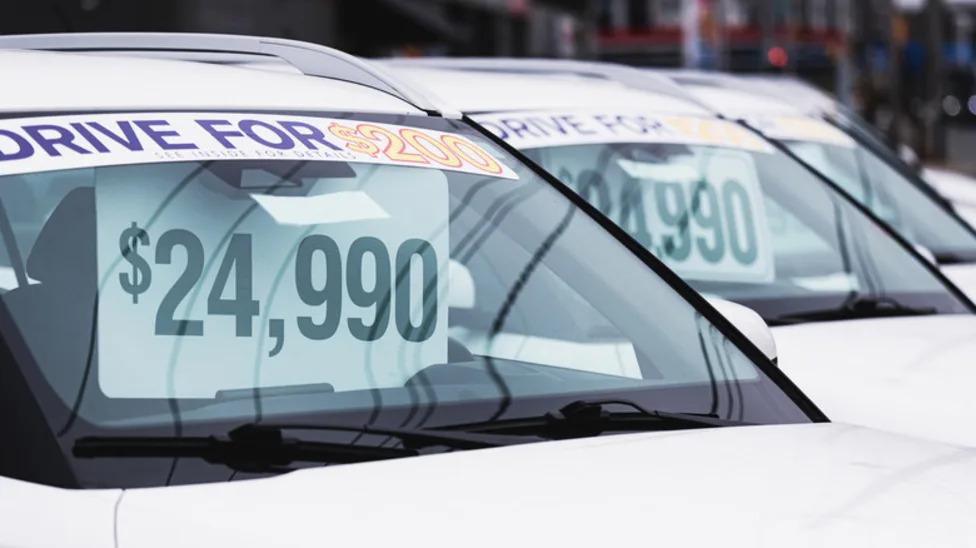
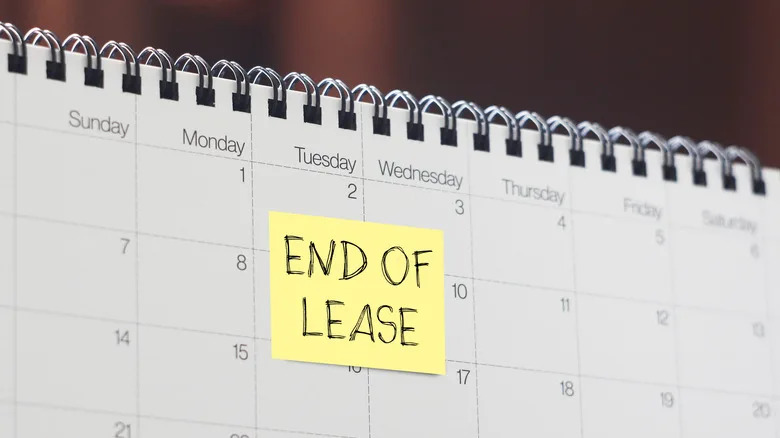
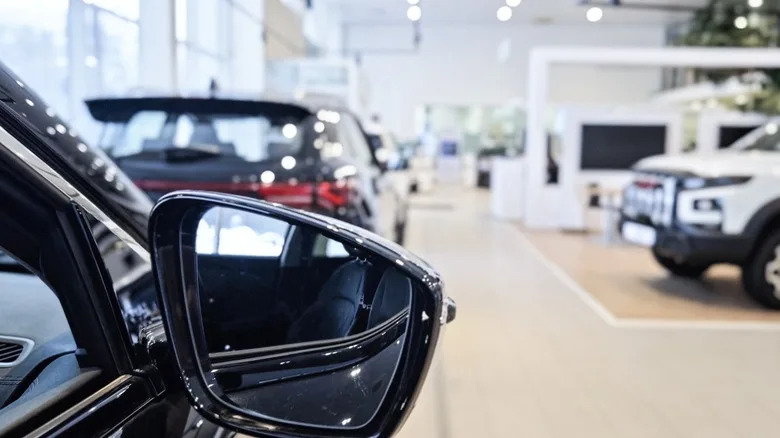



















Used cars for sale showing prices in windshields - Shaunl/Getty ImagesWe've seen signs of affordability returning to the automotive marketplace this year. For one thing, there's an expanding range of credible and cheap new cars on the market for under $25,000. It also looks like automakers plan to build more cheap car models in the near future.Yet you can't avoid the fact that new cars are unaffordable for many Americans. Indeed, despite headlines about a coming new era of cheaper vehicles, Kelley Blue Book (now owned by Cox Automotive) points out that "some of the most affordable segments saw sizeable increases" in their average transaction prices for May of 2026 — the most recent month for which data was available when this article was written. To really put the situation into perspective, the average transaction price (ATP) for subcompact and compact SUVs reached record highs in that period.Moreover, the 2026 outlook from Deloitte predicts that if the economy continues on its current course, without significant positive or negative disruptions, real consumer spending is expected to drop to 2.1% this year, a decrease of 0.6% versus 2025. Tariffs, high energy costs, and falling immigration levels are all expected to be major contributors to the drop off.AdvertisementAdvertisementAll that makes shopping for a previously-leased car a great way to get ahead of the game. Now, finding the best deals may not be easy, but it can be rewarding. Just remember our top tips on buying previously leased cars. Some, like doing your own research into fair market value and having the vehicle inspected, will be familiar to most used-car shoppers. Others, such as negotiating an early buyout, zero in on leasing specifically. All can help you save money.Read more: Here Are All 28 Cars Available In The U.S. Right Now For Less Than $30,000Tips for buying an off-lease car from a dealershipSticky note reminder of end of lease - Andrii Dodonov/Getty ImagesIn the typical scenario, shopping for an off-lease vehicle from a dealership is just like shopping for any used car. In both cases, regardless of how the vehicle ended up for sale, they're now simply two previously owned cars waiting for a new owner.So, an ideal starting point is to determine the fair market value of the vehicle you're shopping for. For most cars, this can be as simple as taking a quick spin around the Internet to find prices for similar models. Next, if you will need financing, get pre-approved. That can give you a leg up when it comes to the negotiation process since it means you're not stuck with a dealer's loan proposal. On the topic of avoiding rip-offs, keep an eye out for all the common dealership fees that may be harmful to your bank account. After all, those types of expenses can add up to an average of approximately $5,000 per vehicle they sell.AdvertisementAdvertisementGetting a vehicle history report is also helpful, yet — because they're not always complete — having the vehicle inspected by an independent expert is, too. Your mileage may vary, but finding an ASE-certified mechanic can give you some extra confidence in this process. Finding alternative ways to check a vehicle's service records if the seller doesn't have them will also help with peace of mind.Additionally, while some folks' financial realities may not allow it, you're more likely to save cash by negotiating toward a final, out-the-door price, not monthly payments. Otherwise, it can be easy to forget just how much interest expenses are going to add to your total outlay.Buying a car that you currently leaseImage of modern car dealership showroom. - KELENY/ShutterstockBuying a car you're already leasing puts you in the driver's seat in a few key ways. For instance, it essentially eliminates any uncertainty over how the car's been treated in the past. You'll obviously have detailed, first-hand knowledge of your own vehicle's history.You'll also have an established, locked-in price for the vehicle — the residual value from the lease contract. Knowing that and comparing it to the market value of a similar used vehicle will immediately tell you where you stand in terms of a vehicle's out-the-door price.AdvertisementAdvertisementThat said, there will no doubt be other dealer buyout fees and charges that have to be treated like any dealer fees. A certain small amount to cover paperwork and whatnot makes sense, but you have to vet any extra charges carefully to mitigate dealer greed. What makes it tricky is that these costs are baked right into the original lease contract. You should never pay for any fees that aren't in the contract.Sometimes you can go straight to the financial institution that holds the lease, too. From a practical standpoint, the process here usually involves an early lease buyout to avoid last-minute hassles on the day the lease actually expires. If your lease contract does go through a dealership, you may not have to go to a specific one — meaning you might benefit from multiple buyout quotes. A final option to avoid those pesky dealers is to consider a third-party company dedicated to helping folks maneuver through the buyout process.Want more like this? Join the Jalopnik newsletter to get the latest auto news sent straight to your inbox, and add us as a preferred search source on Google.Read the original article on Jalopnik.