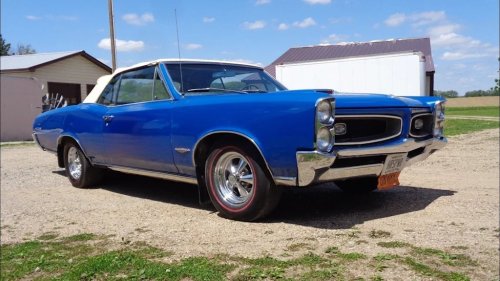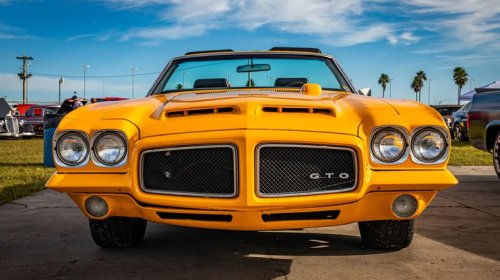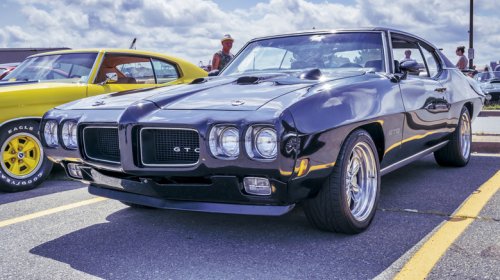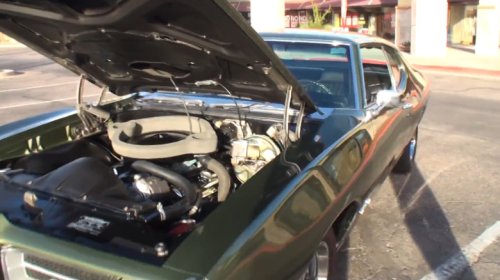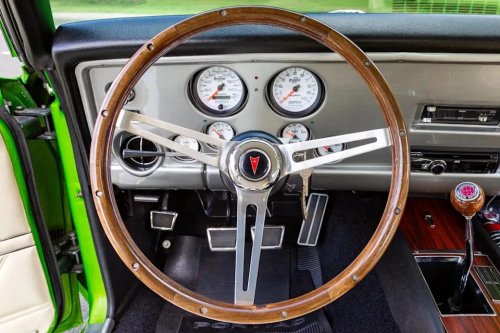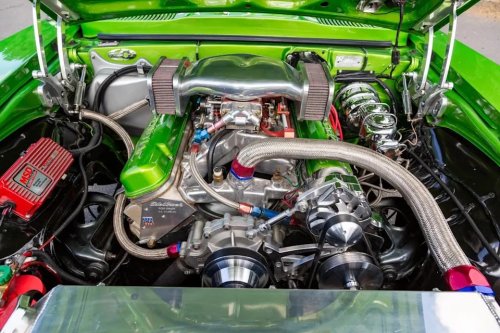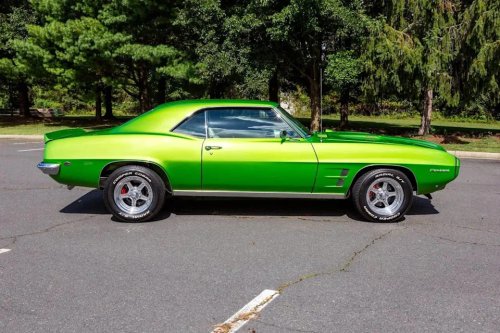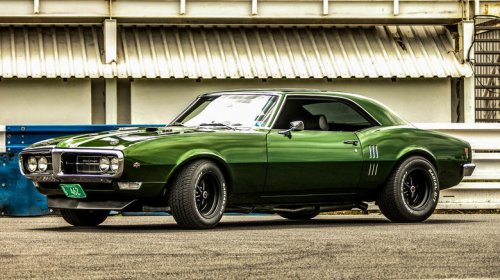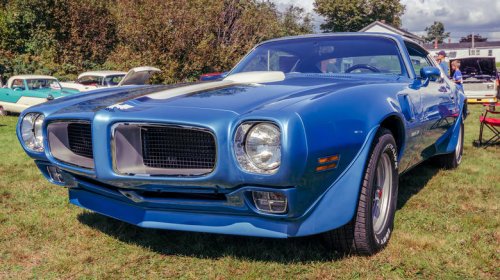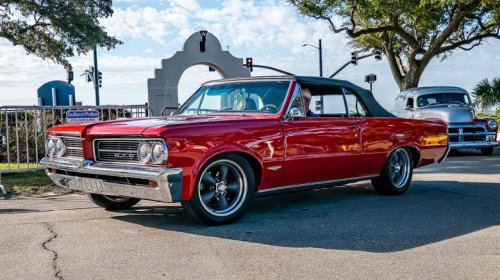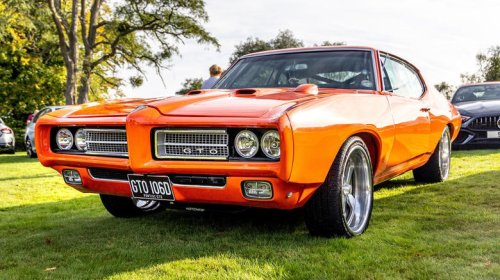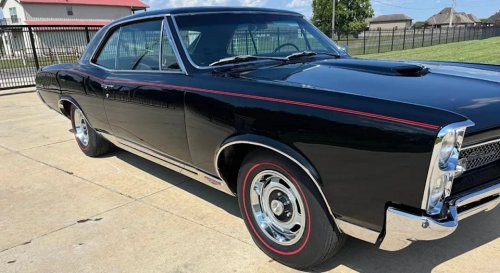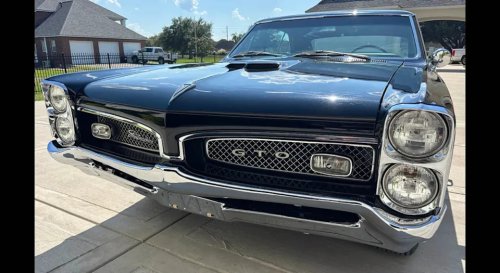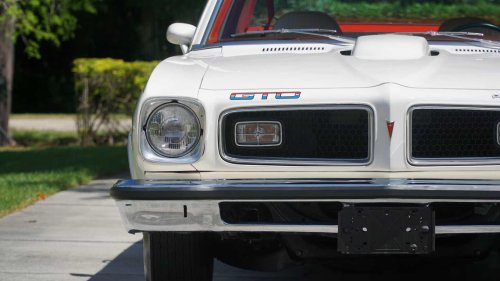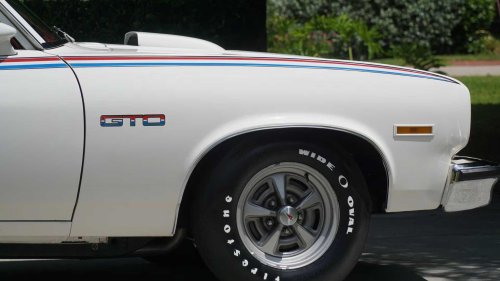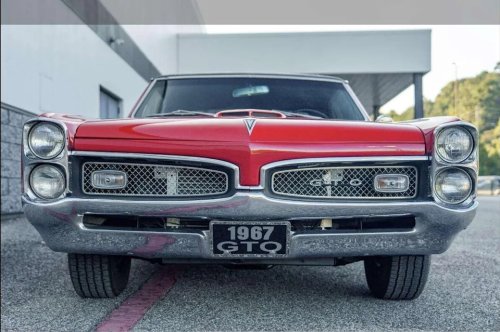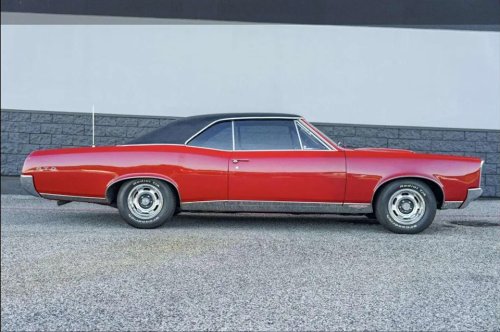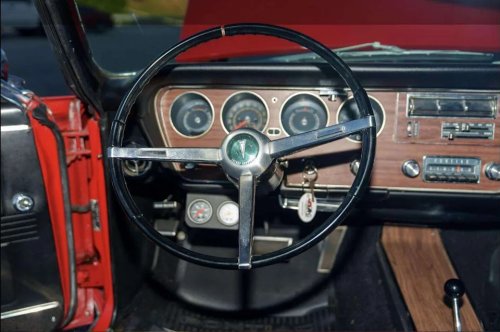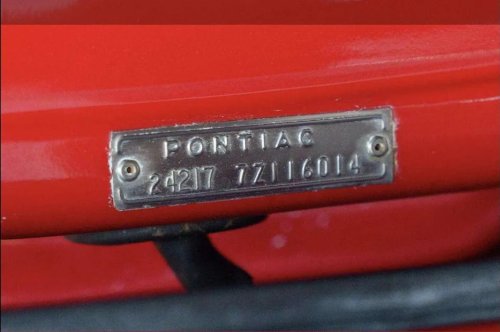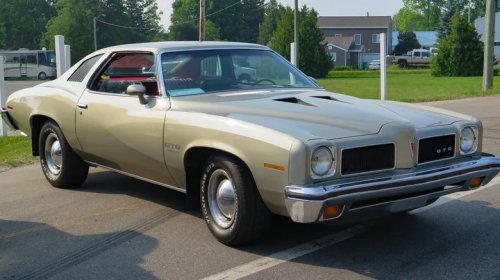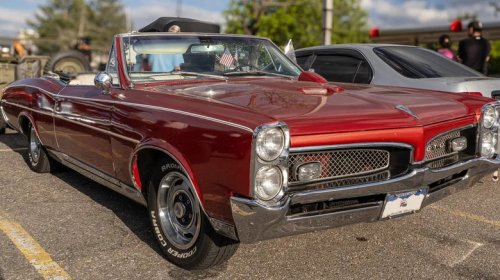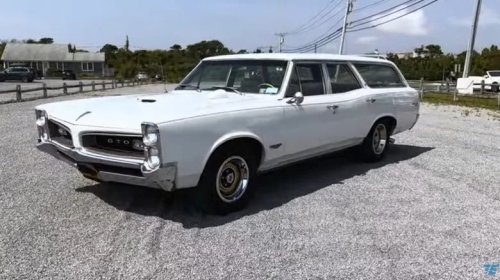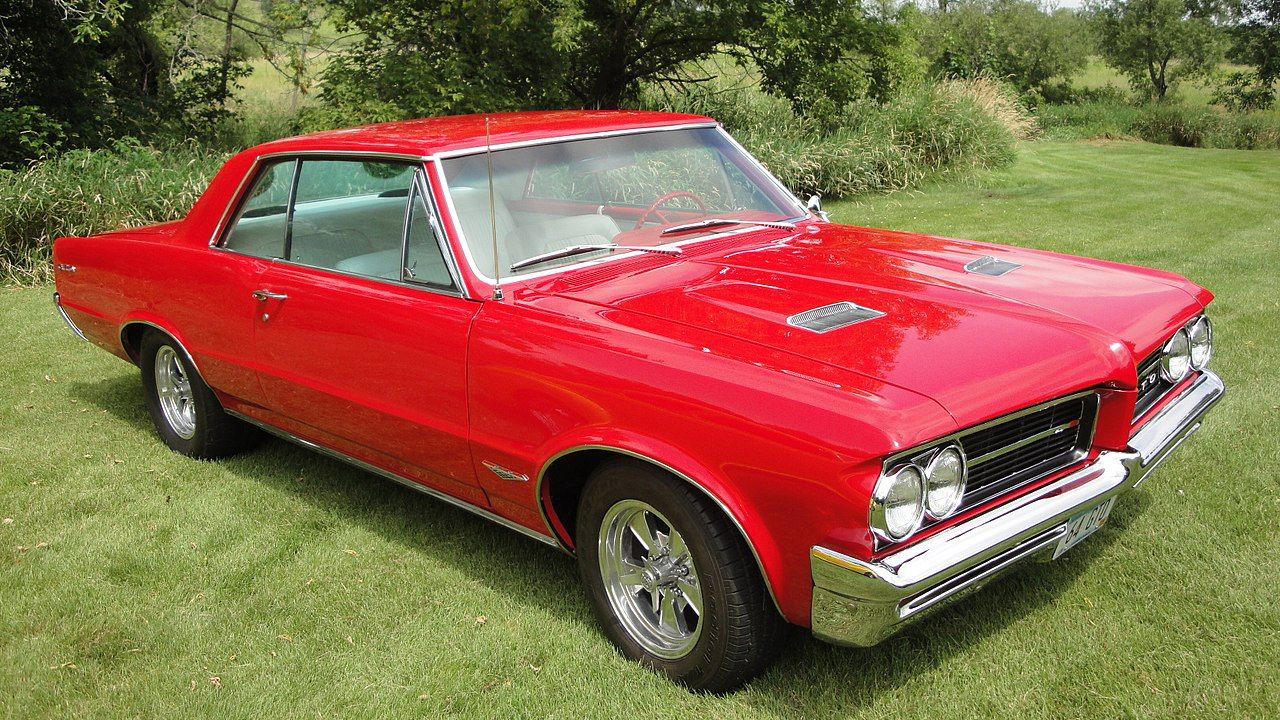



















Why the 1964 Pontiac GTO launched despite GM’s performance restrictionsThe 1964 Pontiac GTO is often called the car that started the muscle car era. It combined a midsize body with a powerful V8 engine, creating a formula that would inspire countless imitators. But what makes the GTO’s story even more remarkable is that it was launched despite corporate rules that were supposed to prevent exactly that kind of car from being built. The GTO wasn’t just a performance breakthrough. It was also a successful act of corporate rebellion. GM’s Anti-Racing Policy In the late 1950s and early 1960s, American automakers were under growing scrutiny for promoting speed and racing. Safety concerns and public criticism led many manufacturers to reconsider their involvement in motorsports. In 1963, General Motors maintained policies that discouraged overt performance development. One of the most significant restrictions limited engine sizes in midsize cars. Within GM, divisions were generally expected to reserve the largest and most powerful engines for full-size models. The rule meant that Pontiac’s midsize Tempest wasn’t supposed to receive the division’s biggest V8. For a group of ambitious engineers and marketers at Pontiac, however, that rule looked more like an obstacle than a dead end. The Vision of John DeLorean Among the people pushing for a more powerful Pontiac was John DeLorean, who would later become one of the automotive industry’s most famous executives. DeLorean and his team believed younger buyers wanted something different from the large, heavy performance cars of the day. Instead of focusing on luxury, they envisioned a lighter, more affordable car with serious horsepower. The challenge was finding a way to make it happen without violating GM’s restrictions outright. Exploiting a Loophole Rather than creating an entirely new model, Pontiac’s team found a clever workaround. The GTO was introduced as an optional performance package for the Pontiac Tempest LeMans rather than as a standalone model. By packaging the larger 389-cubic-inch V8 engine with performance upgrades, Pontiac effectively sidestepped the spirit of GM’s internal restrictions. The option included not only the bigger engine but also performance-oriented features designed to appeal to enthusiasts. Because it was technically an option package, the project was able to move forward. What might seem like a simple administrative detail today was actually a critical piece of automotive history. Without that loophole, the GTO might never have reached production. Management Expected Modest Sales Pontiac executives were optimistic, but even they underestimated demand. The division initially expected to sell around 5,000 GTO packages during the 1964 model year. That estimate proved wildly conservative. Young buyers flocked to dealerships. The combination of V8 power, relatively affordable pricing, and aggressive styling struck a nerve with the market. By the end of the model year, Pontiac had sold more than 30,000 GTO-equipped cars. The unexpected success caught the entire industry by surprise. Creating the Muscle Car Formula The GTO’s popularity demonstrated that there was a large audience for midsize cars with big engines. Competitors quickly took notice. Manufacturers across Detroit began developing similar vehicles that followed the same basic recipe: a relatively lightweight body paired with a powerful V8 engine. Cars such as the Chevrolet Chevelle SS, Plymouth Road Runner, and Dodge Charger would later help define the muscle car era, but the GTO showed the industry that the concept could be a commercial success. What began as a workaround quickly became a movement. A Rule-Breaking Success Story The Pontiac GTO succeeded because its creators recognized an opportunity that corporate policies failed to see. GM’s restrictions were intended to limit performance excesses and maintain clear distinctions between vehicle lines. Pontiac’s engineers and marketers found a way around those limitations without directly challenging them. The result was a car that exceeded sales expectations, reshaped Detroit’s product planning, and helped launch an entirely new automotive segment. The 1964 GTO wasn’t supposed to exist according to the spirit of GM’s rules. Its success proved those rules were already out of date. That combination of ingenuity, timing, and market demand is why the GTO remains one of the most important American performance cars ever built—and why its origin story is almost as legendary as the car itself. More from Fast Lane Only Unboxing the WWII Jeep in a Crate 15 rare Chevys collectors are quietly buying 10 underrated V8s still worth hunting down Police notice this before you even roll window down