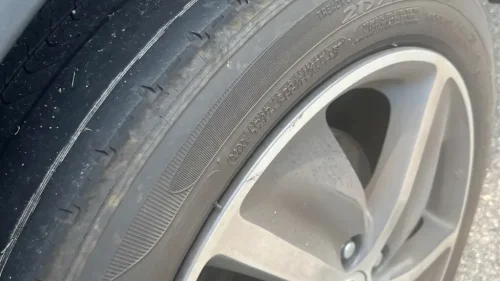
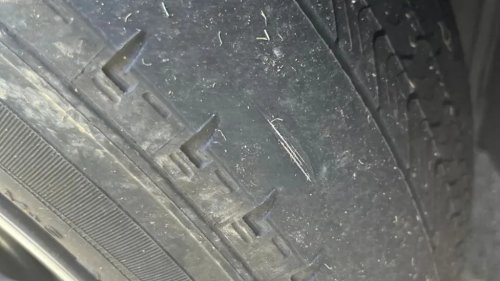
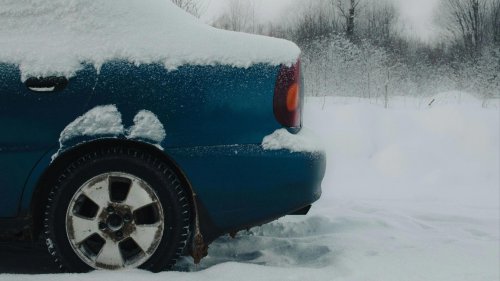
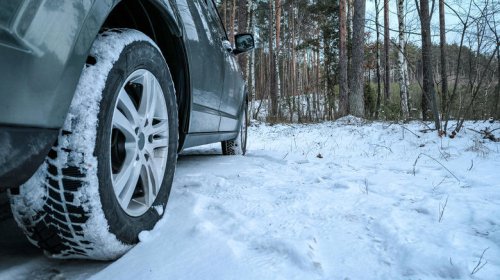
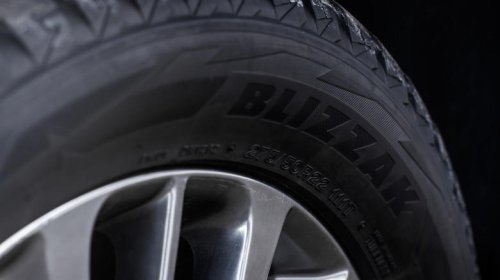
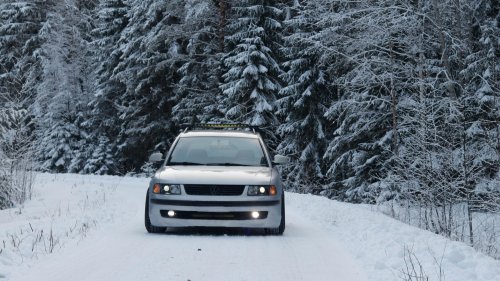
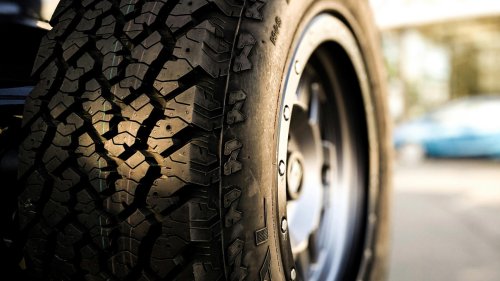
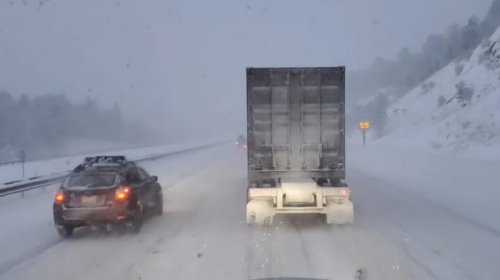
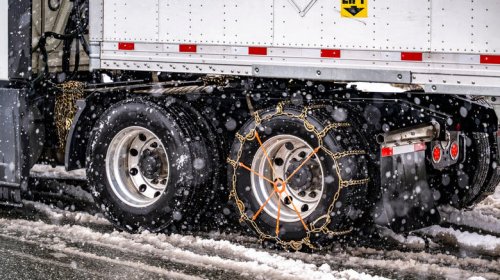
when should you put your winter tires on Chaos ensues at local tire shops when the snow belt states get their first flurries of the season. Like an animal instinct, the first sign of fluffy white flakes has people running to the garage, stuffing the family hauler with dusty winter rubber and racing off to the installation shop. Problem is, by then it's already too late. Winter tires should be installed well in advance of the first snowfall. Regardless of whether they are snow tires, ice tires or winter performance tires, all cold weather rubber is designed for more than just messy weather. These tires feature rubber compound and tread designs that are created to help maintain traction in colder weather even if the roads are clear and dry. See Also: The 8 Best Winter Tires and Why You Need Them when should you put your winter tires on When Should I Change To Winter Tires? 2026 Mercedes-Benz CLA Shooting Brake: All the Details when should you put your winter tires on Can My Tires Freeze? when should you put your winter tires on Pick A Date And Mark It On Your Calendar We understand that not everyone will be glued to a thermometer day in and day out, waiting for the day when temperatures dip low enough to require a tire change. Many people pick a calendar date to perform a tire swap when temperatures usually hit the changeover zone for their region. But, installing winter tires too early when temperatures are too high can cause the tire to overheat and be just as detrimental to both tire life and vehicle drivability as driving on an all-season tire in the winter. See Also: Tips For Driving In The Snow To Keep You From Crashing It is best to consult your local tire shop as to when they recommend swapping over your tires. But using the general guideline of 45 degrees for all-season tires and 50 degrees for summer tires should help keep you safe on the road and get the longest use out of your tires. 2026 Subaru Uncharted: All the Details























 +18 others