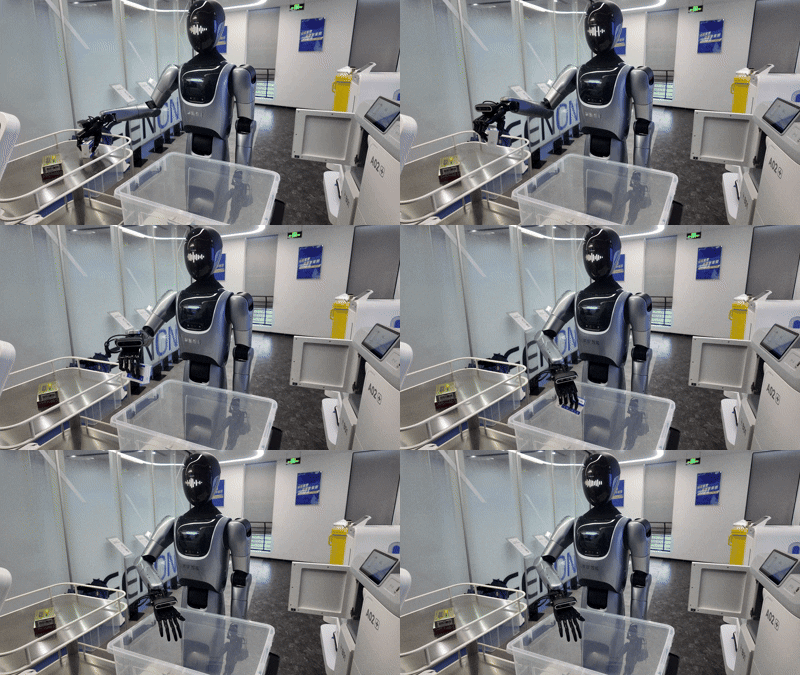
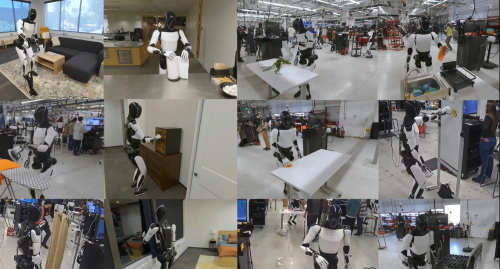
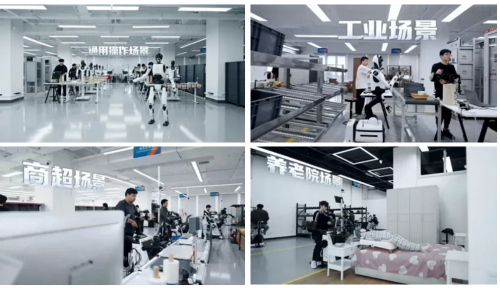
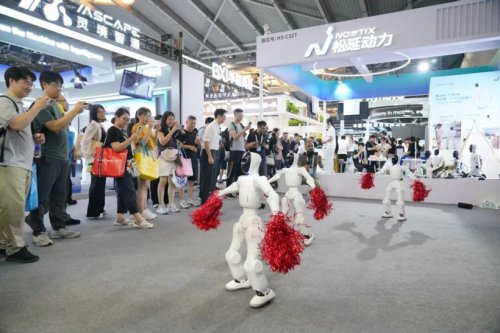
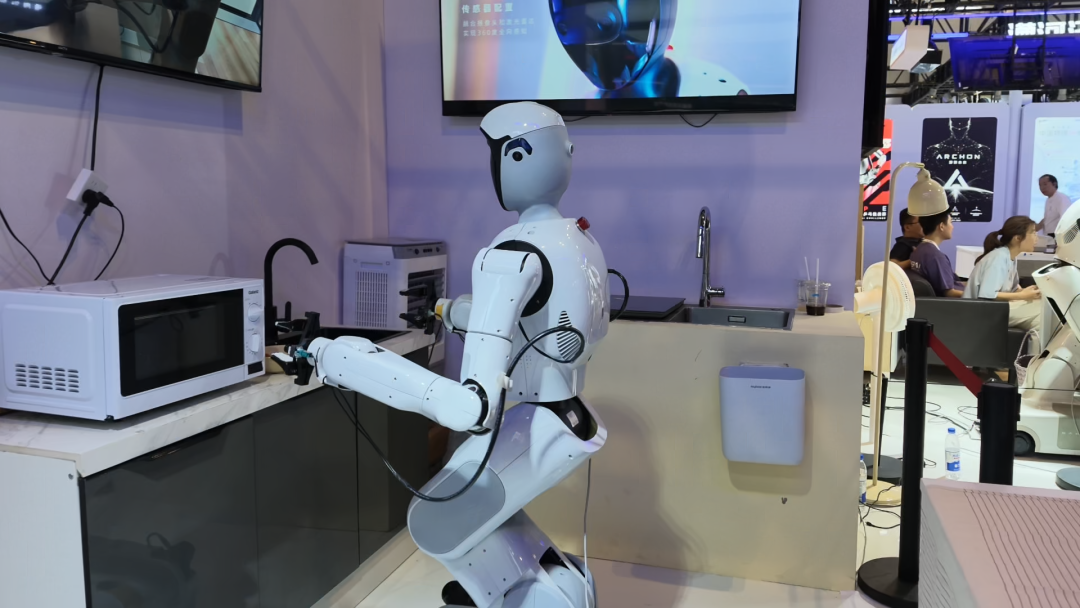
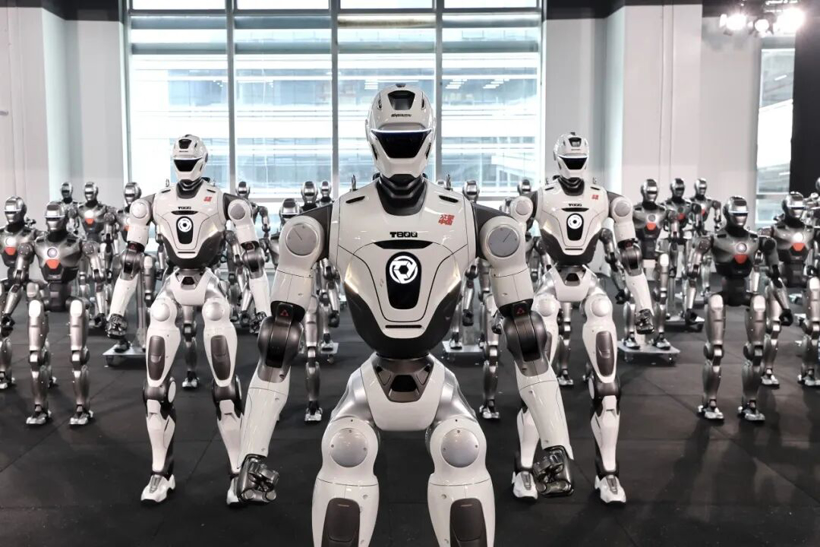
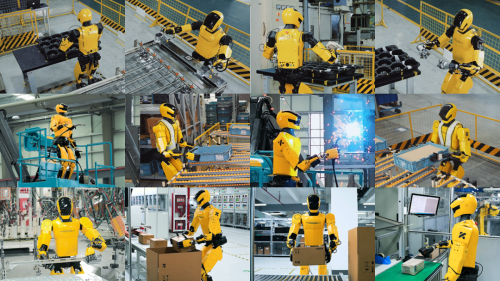
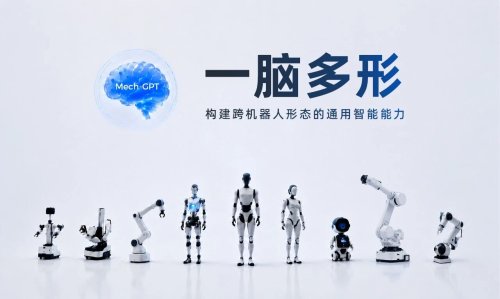
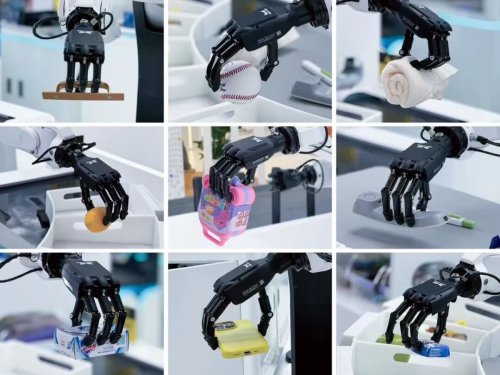
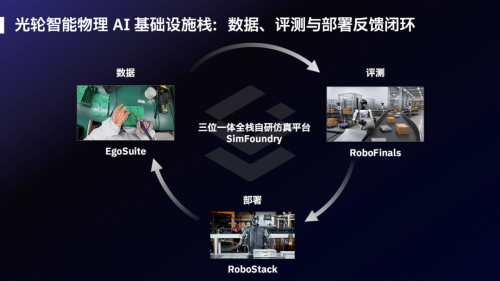
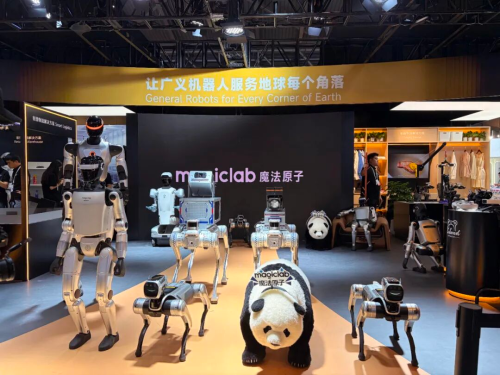
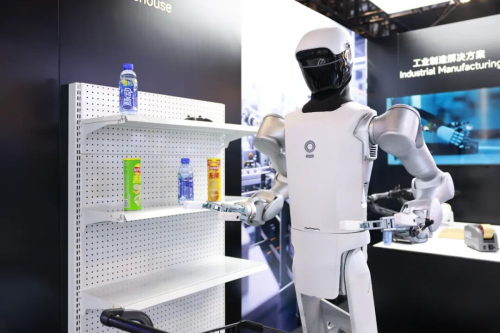
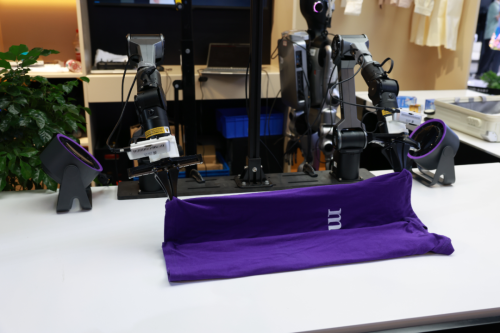
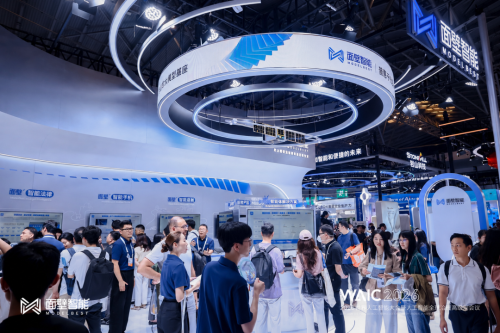
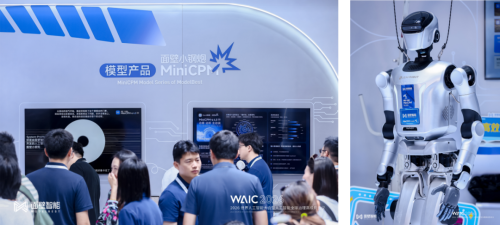
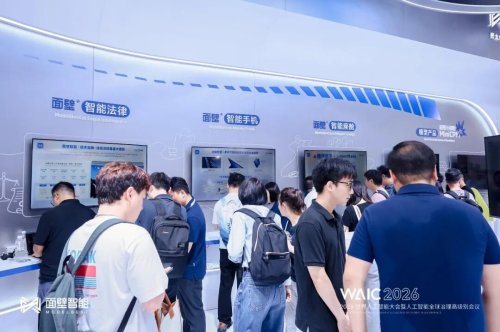
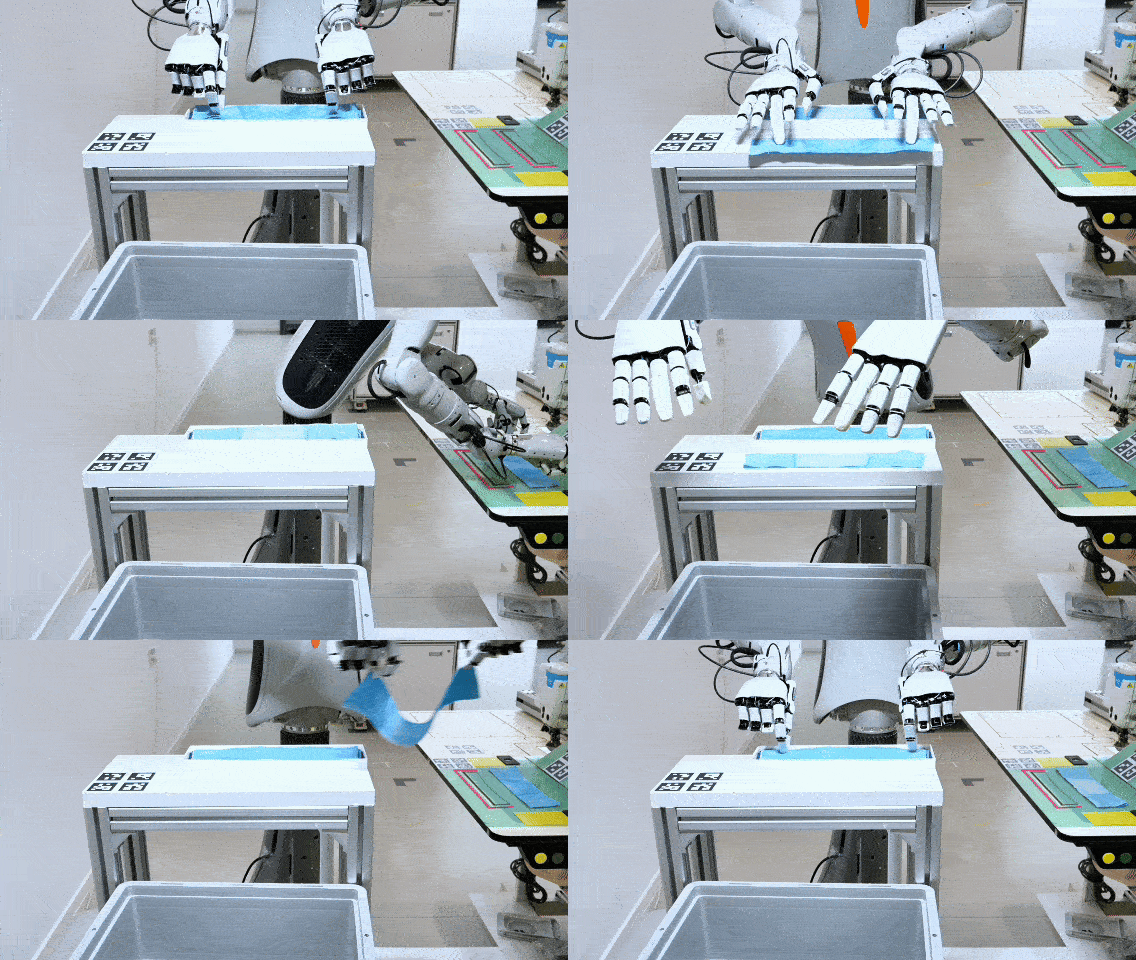
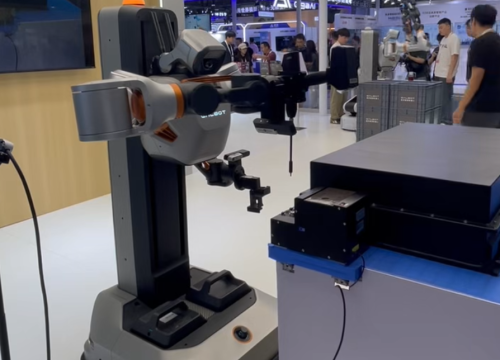
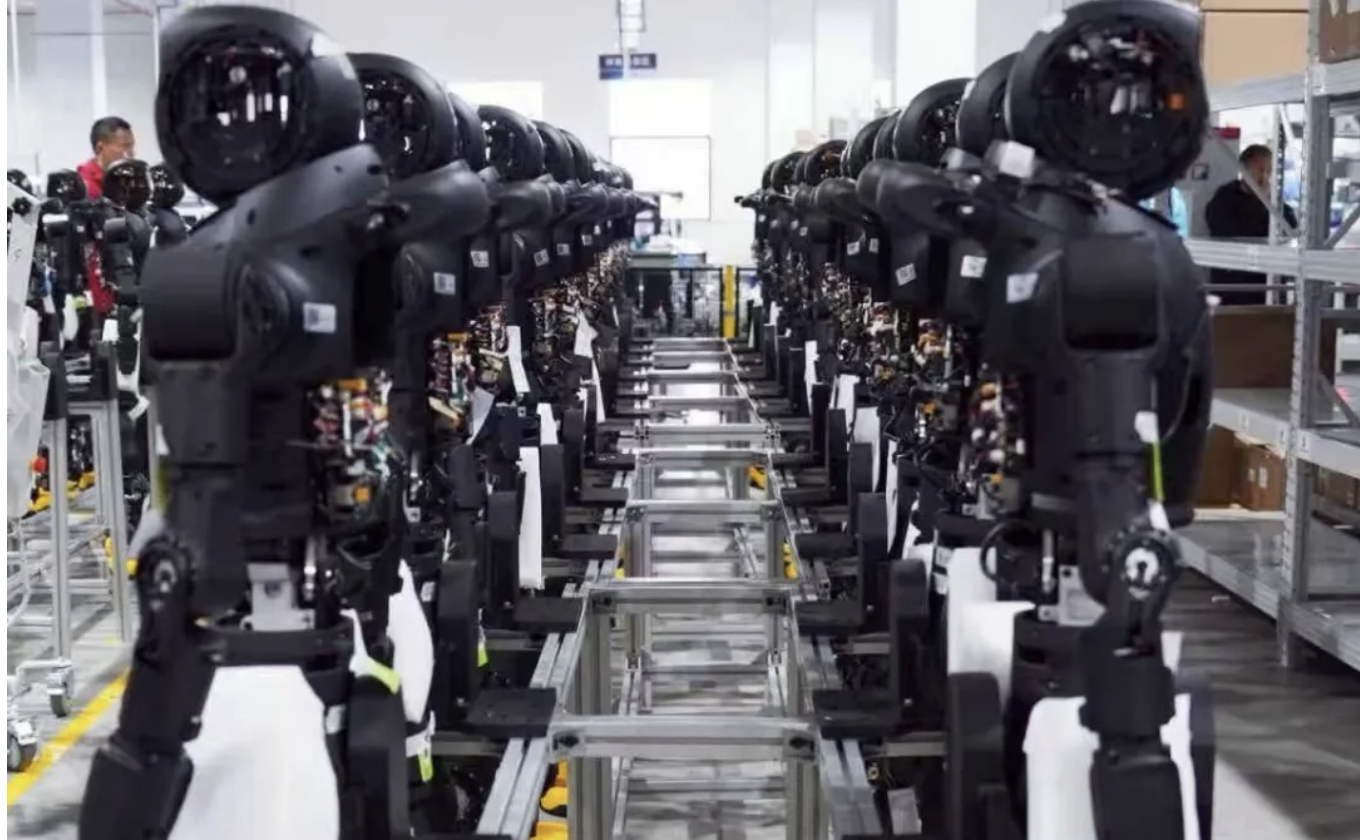
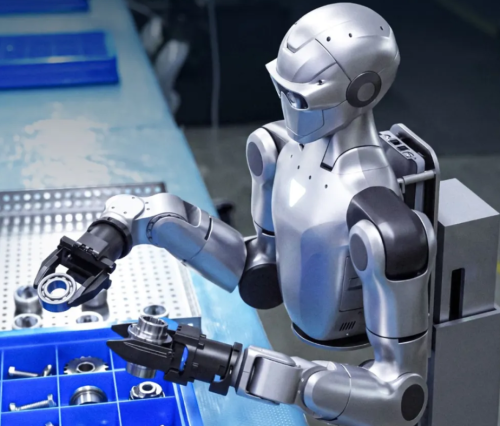
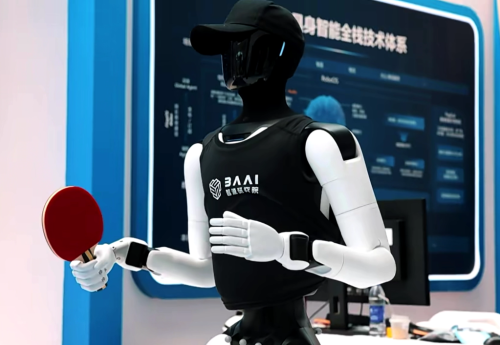
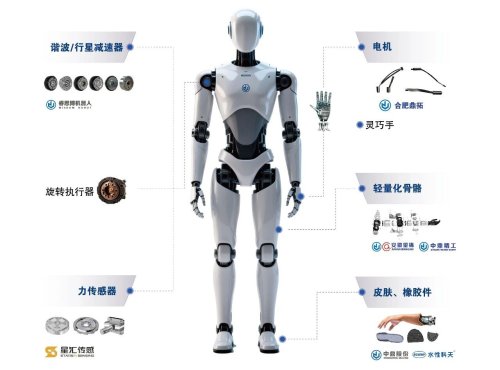
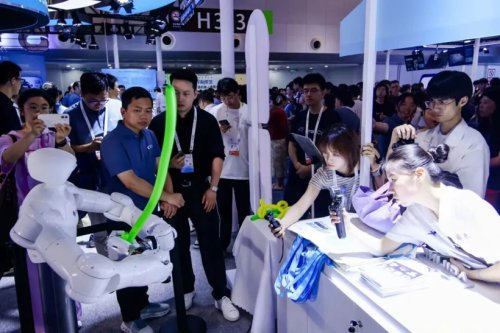
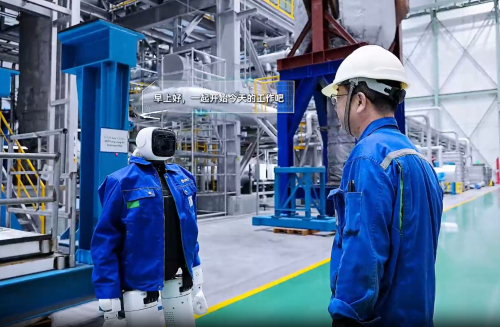
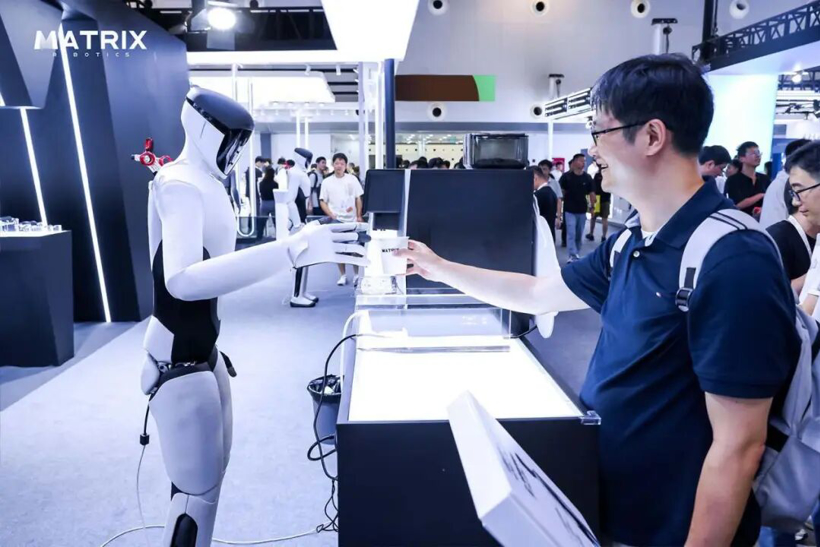
Gasgoo Munich- At the 2026 World Artificial Intelligence Conference (WAIC 2026), Matrix Robotics showcased several units of its third-generation MATRIX-3 general humanoid robot. Backed by its proprietary WAVE physical world foundation model and full-stack technology, the company ran three simultaneous live demonstrations — highlighting the capability of Chinese humanoid robots to achieve generalization and large-scale deployment.Standing 1.7 meters tall and weighing 65 kg, the MATRIX-3 features a 27-degree-of-freedom cable-driven dexterous hand and full-body distributed tactile sensing. With fingertip perception precision reaching 0.1 newtons, it can deftly operate various human tools and maintain stable continuous operation for four hours, meeting high-frequency commercial demands. Priced from 580,000 yuan, cumulative orders have already approached 1,000 units.During the event, multiple MATRIX-3 units — sharing identical hardware but unified by the WAVE physical AI base — seamlessly switched between vastly different tasks, including commercial service, interactive entertainment, and humanoid walking. The demonstrations visually highlighted the commercial advantages of general humanoid robots: low cost, high adaptability, and rapid task migration.Image source: Matrix RoboticsThe proprietary WAVE physical world foundation model is engineered to adapt embodied robots to real physical environments. It employs a "brain-plus-cerebellum" collaborative architecture: the WAVE base handles global scene understanding, task planning, and cross-scene generalization, while a general motion control model coordinates full-body movement. This approach addresses industry pain points associated with rigid scripting and limited scenarios in traditional robotics.Overall, Matrix Robotics has achieved full-stack self-development across nine layers of technology, spanning data tools, model training, core components, and whole-unit manufacturing. This creates a complete industrial closed loop.On the show floor, Matrix Robotics simultaneously launched its RAAS (Robotics as a Service) ecosystem plan. The initiative aims to expand humanoid robot application scenarios by opening industry interfaces and collaborating with partners.Concurrently, the company officially kicked off the MATRIX Global Partner Program, publicly recruiting regional partners across China and international markets to jointly expand the global commercial footprint of humanoid robots.The program prioritizes recruiting enterprises and institutions with regional customer networks, government and industry resources, scenario development capabilities, as well as local sales, delivery, and after-service capacity. Partners will assist in customer expansion, project implementation, and service system construction for MATRIX in local markets, accelerating applications in key sectors such as commercial services, cultural tourism exhibitions, public services, and industrial manufacturing.Currently, Matrix Robotics’s Zhangjiang MFH manufacturing base in Shanghai has achieved autonomous production. Planned capacity for 2026 is 5,000 units, with a target of 10,000 for 2027. Pilot deployments have already commenced in sectors including chain catering, hospitality, and research and tourism.



















 +60 others