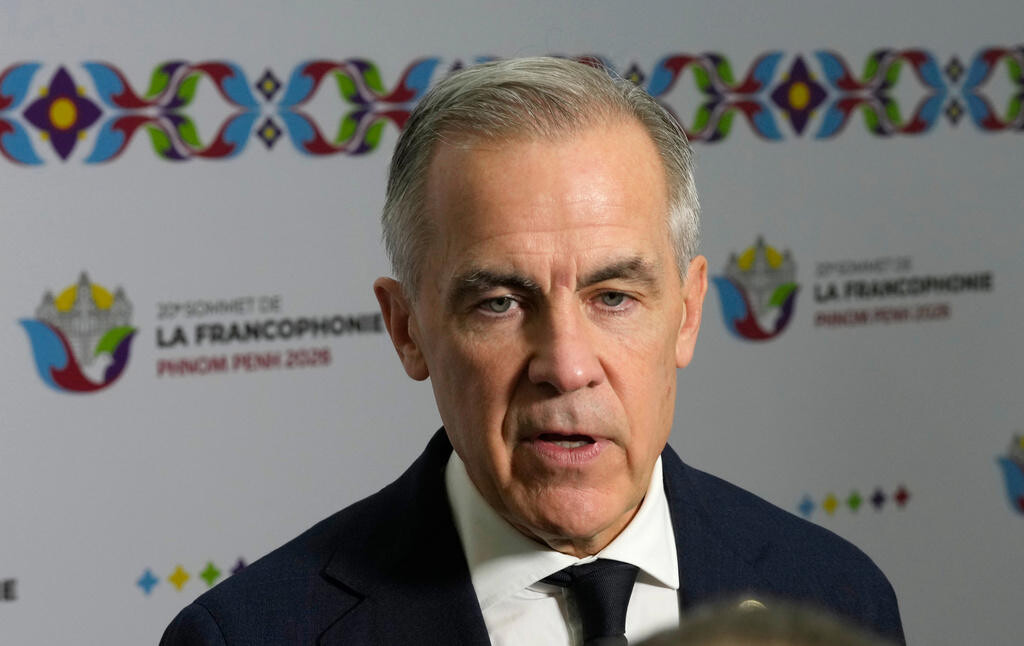
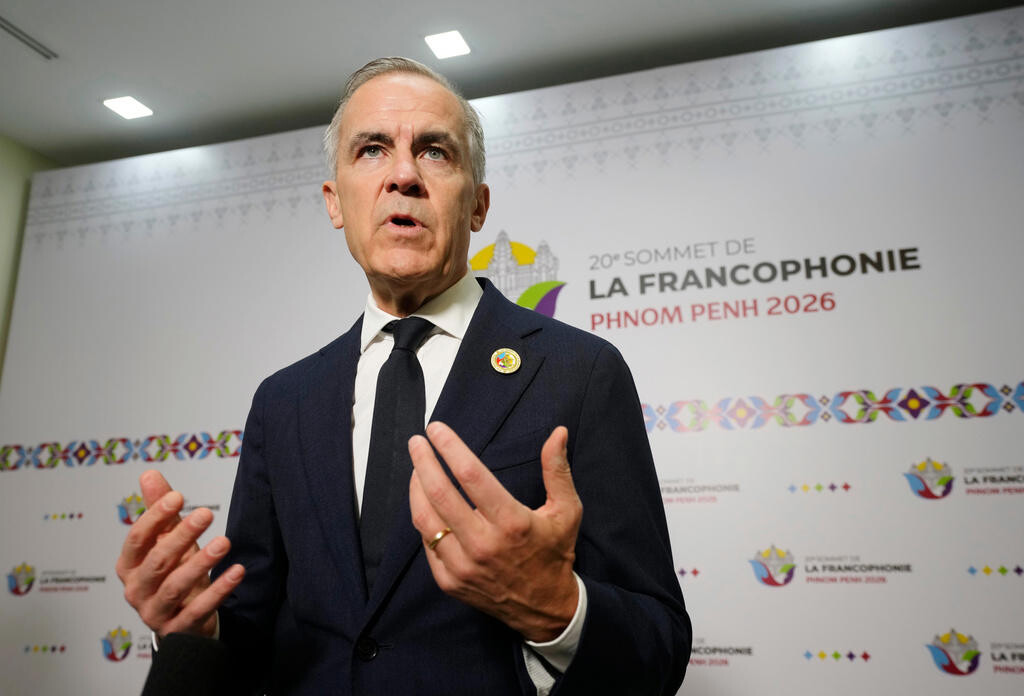
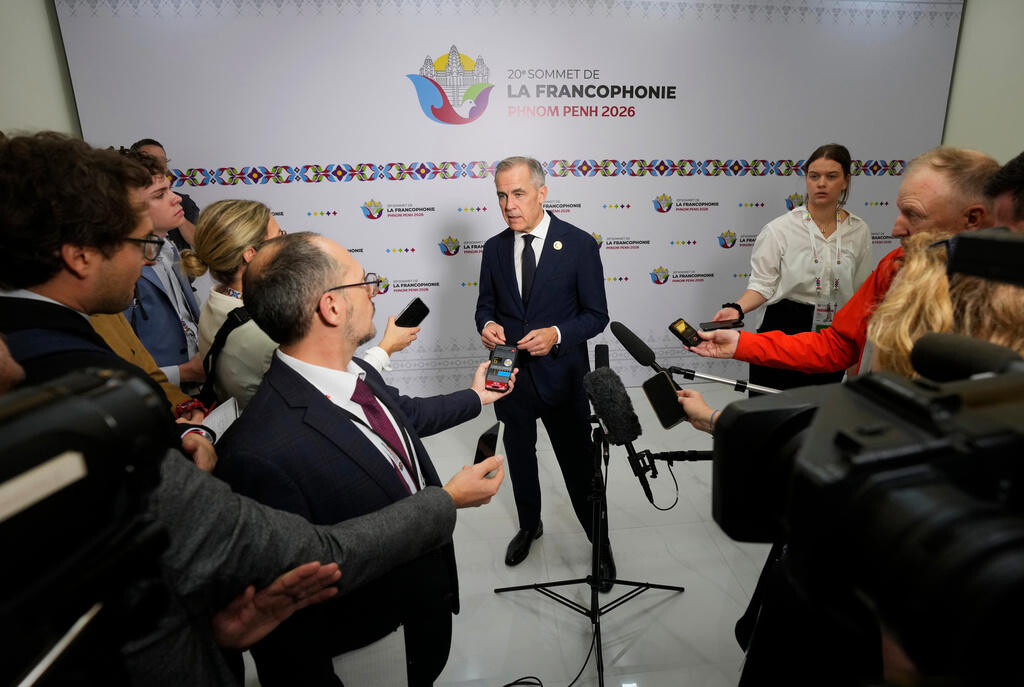
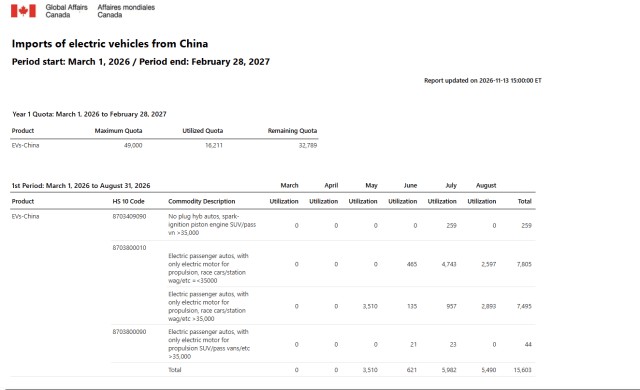
Carney draws line on autos in U.S. trade talks “Lots of people think that we should just go and take whatever deal,” Prime Minister Mark Carney told reporters in Manila on Nov. 14 on the prospects of a forthcoming resolution to the trade war between Canada and the U.S. “This government will not settle for a deal with the United States that is not consistent with a viable Canadian auto sector.” Talks with Washington recently resumed after collapsing in August, and Carney struck a rather optimistic note, saying the two sides are gaining ground on an agreement — but he won’t sign off on one at any price. Don't Miss A single line on your car insurance policy could be inflating your premium by up to 30% — here's what to change I’m 65, tired of working and have very little savings — is it possible to live off CPP alone? Yes, but you'll need to make these 3 big sacrifices Buying ETFs regularly? Get unlimited commission-free trades on select ETFs with GoSmart by RBC Direct Investing. See how to get started What did Carney and Trump discuss? Carney revealed he and Trump had “quite a long, substantive conversation,” during the news conference, noting that U.S. Trade Representative Jamieson Greer and the White House’s chief of staff, Stephen Miller, were also on the line. He didn’t share specifics, but did make clear that autos dominated the agenda. “This is one of the fundamental issues in our trade negotiation, and we are making progress toward that,” Carney said, while noting that it’s also “one of the most challenging issues” in the talks. Why is Carney drawing the line at autos? Carney argued the relationship runs both ways. He said the American auto market relies in part on Canadian manufacturing, while adding that the continental industry as a whole is under pressure from the speed of production and the shift to electric vehicles (EVs). More than 90% of Canadian-made vehicles and 60% of Canadian-made parts are exported to the U.S., according to the Prime Minister’s Office (PMO). U.S. tariffs threaten the 125,000 direct jobs the industry supports, the PMO said in February. How did the talks get here? The prime minister’s comments come three months after Canada pulled out of talks due to last-minute demands from Washington that included a hit to the auto sector. Days later, Trump said in a social media post that U.S. tariffs on Canadian cars, trucks and auto parts would rise to 50% on Jan. 1, 2027, which is roughly six weeks away. Canadian vehicles that don’t meet the Canada-United States-Mexico Agreement (CUSMA) currently face a 25% tariff. Is Canada looking beyond the U.S.? Carney was in Manila for the Association of Southeast Asian Nations (ASEAN) summit, where Canada and the Philippines concluded talks on a free-trade agreement that Ottawa aims to sign in 2027. He called it another step in Canada’s plan to diversify trade away from the U.S. The prime minister also addressed Canada’s dealings with China. In January, Ottawa agreed to let up to 49,000 Chinese-made EVs into Canada each year at a 6.1% tariff, down from 100%. He said that arrangement is limited in time and volume. It will be reviewed based on several factors, including how closely Canada’s auto industry stays tied to the U.S. Carney noted that he plans to raise Chinese investment in Canada’s auto sector with Chinese President Xi Jinping on Tuesday, Nov. 17. He described the nation as another option for the industry if the U.S. no longer wants an integrated market. Where does Stellantis fit in? The auto sector’s future is also being tested closer to home. Carney took aim at Stellantis, echoing Ottawa’s view that the automaker hasn’t met the obligations it took on when it accepted federal funds. This followed Stellantis’s Nov. 9 announcement that it would sell its idled Brampton, Ontario, assembly plant to Roshel, a local armoured vehicle maker. “We’re not satisfied in any way with the current situation and the partial approach that Stellantis has taken here,” Carney said. “The expectation is that Stellantis fully respects its engagements to the workers and to Canada.” More than 2,200 Brampton workers have been on layoff since production at the plant was halted in December 2023. What happens next? Carney argued a settled auto deal would benefit workers on both sides of the border. “The sooner that we can get to a stable trading relationship under the new trade policy of the United States for the auto sector,” he said. “It’s absolutely in the interest of course of Canadian workers, Canadian auto sector, but very much the U.S. as well.” What To Read Next Stop letting your cash rot — here are 4 places to grow your cash in 2026 (without touching the stock market) Warren Buffett used these 4 solid, repeatable money rules to turn $9,800 into a $150B fortune. Here’s how to apply them to your own life Here are the 5 biggest differences between rich and poor Canadians — which side do you fall on? Millionaires under 45 keep two-thirds of their wealth out of stocks. Here’s where their money is actually going Join 20,000+ readers and get Money.ca’s best stories and exclusive interviews first — clear insights curated and delivered weekly. Subscribe now. This article provides information only and should not be construed as advice. It is provided without warranty of any kind.


 Liked by Audrey Fortin, Lily Clark





 Liked by Audrey Fortin, Lily Clark