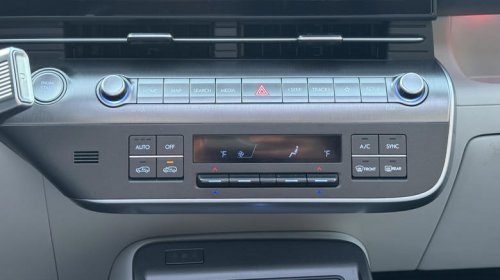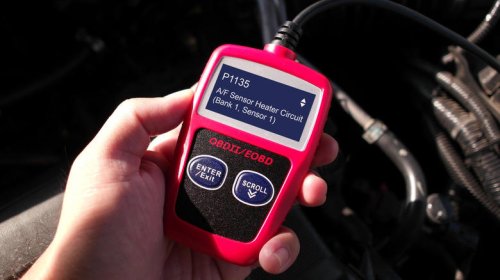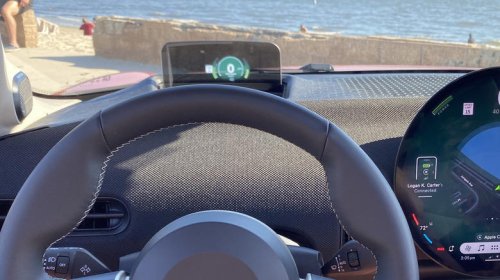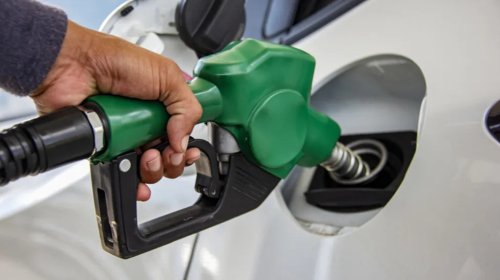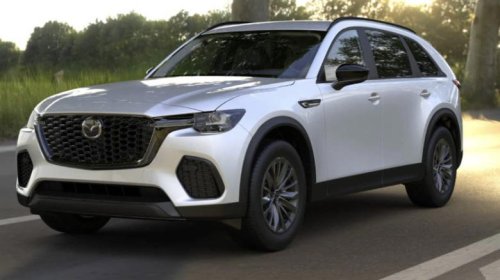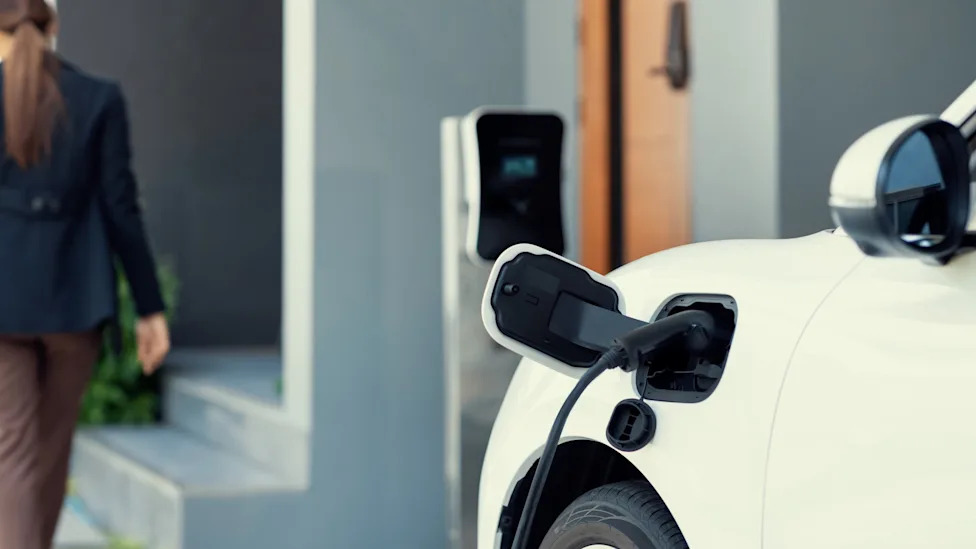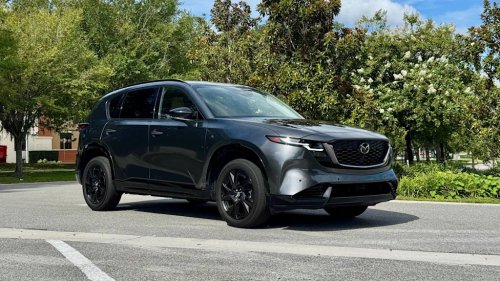
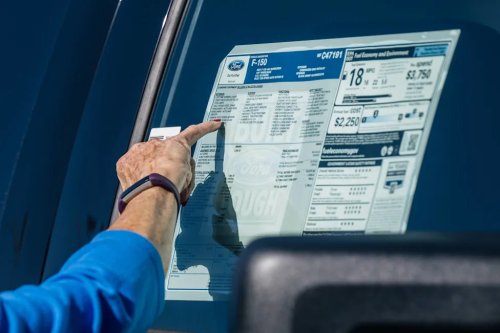
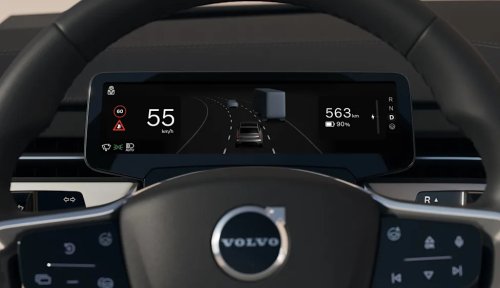
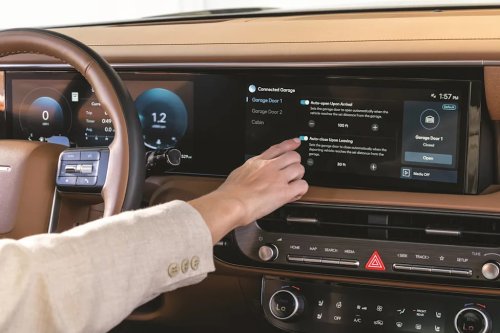
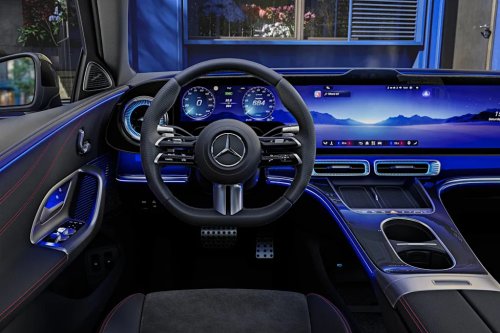
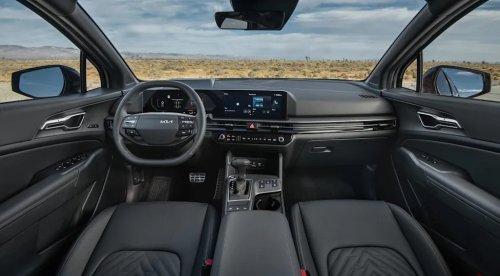




















Autoblog and Yahoo may earn commission from links in this article.Brands and Styling Take a Back SeatCar shoppers in 2026 are taking a more deliberate approach to buying. It's a complex bag, but some important issues are rising to the surface. The car industry continues to introduce new EVs, hybrids, connected-car features, artificial-intelligence functions, and software-based upgrades, but consumers are all the more focused on whether those advances provide real value, not just initially but over the entire duration of ownership.2026 Mazda CX-5Jared Rosenholtz/AutoblogThat is the central theme of Deloitte's 2026 Global Automotive Consumer Study, which drew on responses from more than 28,500 consumers across 27 automotive markets. Its findings suggest that buyers want affordability, practicality, trust, safety, and technology that makes a vehicle genuinely better to own—not merely more complicated. Here are the five most important aspects to car buyers.1. Value Beyond Sticker PriceBrandon Bell/Getty ImagesAffordability has moved to the top of the shopping list as vehicle prices and financing costs put pressure on household budgets. But value isn't just about getting the lowest sticker, monthly payment, or lease cost. More than ever before, car buyers are carefully evaluating what they get for their money over the full ownership cycle. It's more than just the sticker price, in other words.GettyThat includes fuel or EV charging costs, insurance, expected maintenance, warranty protection, resale value, and the usefulness of standard equipment. A less expensive vehicle can become a poor deal if it lacks key safety technology, uses excessive fuel, has weak residual value, or requires buyers to pay extra for basic convenience features.AdvertisementAdvertisementConsumers are looking for more transparency in the pricing. What do they get? What's offered in a specific trim level and how does it compare to the others? In a crowded market, automakers and dealers that make ownership costs easier to understand may have an advantage over those that rely on complicated incentives or deceptive feature packaging. Fairness, trust, transparency, quality, and innovation as increasingly important components of perceived value.2. The Right Electrified Powertrain2026 Nissan Rogue Plug-In Hybrid PlatinumCole AttishaThe electric-vehicle conversation has become more nuanced. Rather than treating battery-electric vehicles as the universal answer, buyers are weighing EVs, plug-in hybrids, conventional hybrids, and efficient gasoline vehicles against their personal driving patterns and charging access.Kristen BrownThe study finds that global demand for battery-electric vehicles is uneven across regions, while interest in hybrids continues to strengthen. That reflects a practical calculation: hybrids can reduce fuel consumption without requiring home charging, changing daily habits, or depending on public-charging availability.The biggest priority is no longer simply choosing the "future-proof" powertrain. It is choosing the one that fits how owners actually use their vehicles. An EV might work for some, while a PHEV makes more sense for others. Shoppers should consider daily mileage, home or workplace charging, electricity and fuel costs, winter driving, road-trip frequency, available incentives, and how long they expect to keep the vehicle.3. Connected Features That Improve SafetyVolvoTen years ago, Connectivity didn't matter nearly as much as it does today. Vehicle connectivity enables a car to access the internet and exchange information with external devices, networks, and cloud-based services. Now, connectivity is becoming a vital purchase consideration, but buyers are more selective about which features deserve their attention. The connected services with the greatest appeal are those that improve safety and security, according to Deloitte's research.HyundaiAdvertisementAdvertisementExamples of modern connected features include emergency assistance, stolen-vehicle tracking, remote vehicle-location tools, collision notification, maintenance alerts, and camera or sensor systems that help prevent low-speed impacts. These functions offer an immediate and usable benefit, unlike novelty features like video streaming that may add menus and subscriptions without improving the driving experience in any measurable way.Buyers should also ask whether a feature remains available after a trial period. The growing use of subscriptions means remote services, navigation, connected safety functions, and certain advanced driver-assistance capabilities may cost more after the free period ends.4. Owner Privacy and Control Over DataMercedes-Benz C-Class EVMercedes-BenzModern vehicles collect large amounts of information, from location and diagnostic data to driving behavior, voice commands, and infotainment preferences. That creates opportunities for more personalized ownership experiences, but it also raises questions about who can access that information and how it will be used. In a world where personal data is exploited and also stolen, it matters.2027 Kia SportageKiaDeloitte found that consumers value connected functionality while maintaining significant concerns about data sharing. Car shoppers should read their vehicle's privacy policy and consider it as part of the ownership agreement—especially when considering connected services, insurance-linked driving programs, in-car apps, or voice-assistant features.AdvertisementAdvertisementBefore signing, buyers should ask what data is collected, whether it is shared with third parties, how long it is retained, whether the owner can opt out, and what information remains linked to the vehicle after it is sold or traded in.5. Trustworthy Service and Long-Term SupportA vehicle purchase does not end at delivery. The quality of dealer and service support can shape the ownership experience for years, particularly as vehicles incorporate more software, electrified components, and advanced electronics.Consumers prioritize service quality, trust, and transparency when choosing and assessing service providers. Buyers want clear repair estimates, straightforward maintenance recommendations, responsive communication, convenient appointment options, and confidence that the work will be performed correctly.This is especially important with newer technology. Over-the-air updates and AI-driven personalization may allow vehicles to gain functions or improve over time, and many consumers are open to those developments. Yet software updates do not eliminate the importance of capable local service support when a vehicle needs diagnosis, collision repair, battery work, or warranty attention.Final ThoughtsFor 2026 car shoppers, the best vehicle is not simply the one with the longest feature list. It is the one that offers legitimate value that's more than just about price, provides the right powertrain for the specific owner's daily use case, uses technology responsibly, protects personal data, and is backed by a positive and helpful service experience. It's a nuanced combination of criteria, and as cars advance, so must the reasons behind why shoppers buy certain vehicles.AdvertisementAdvertisementThis story was originally published by Autoblog on Aug 28, 2026, where it first appeared in the Features section. Add Autoblog as a Preferred Source by clicking here.