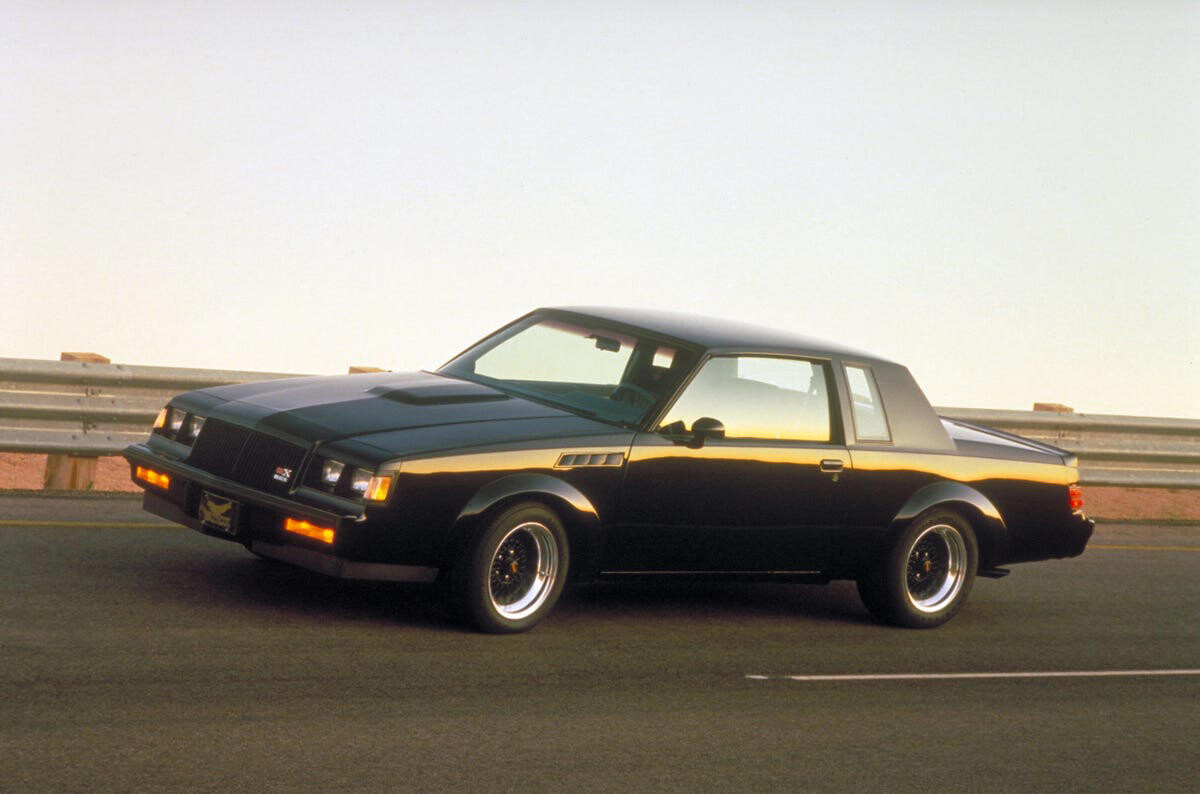
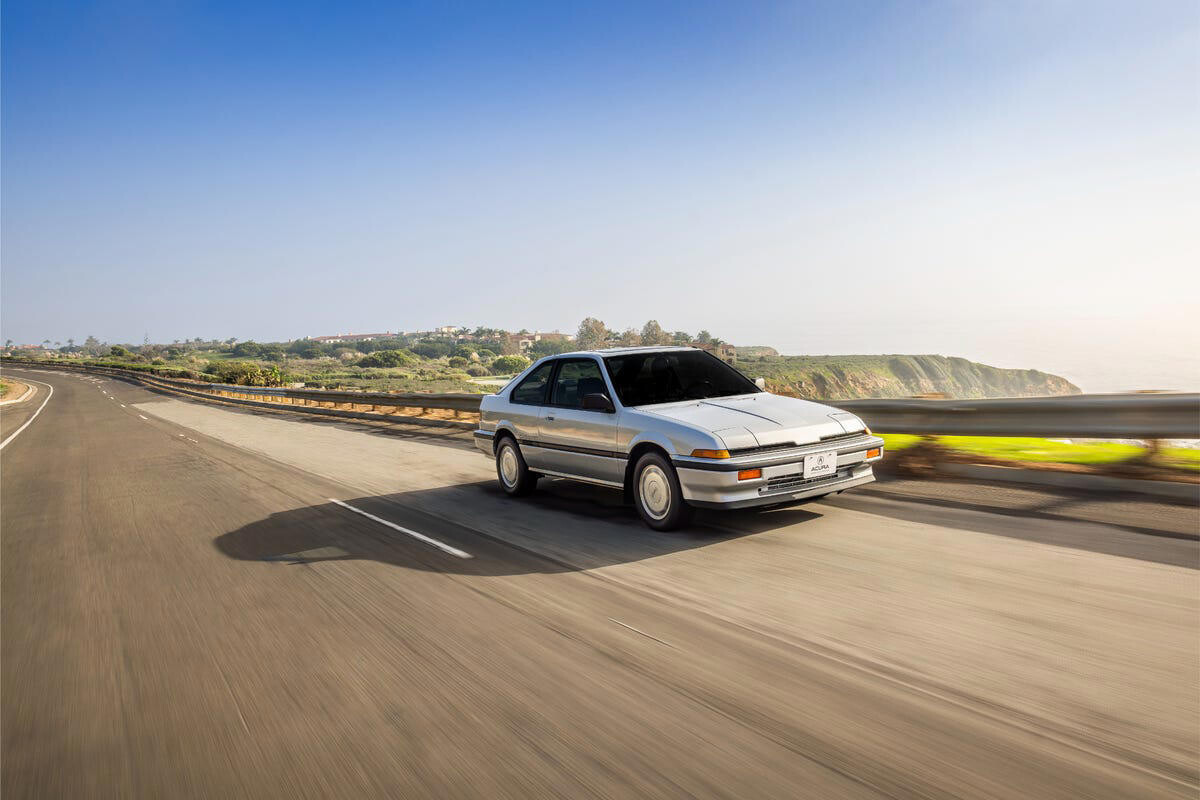
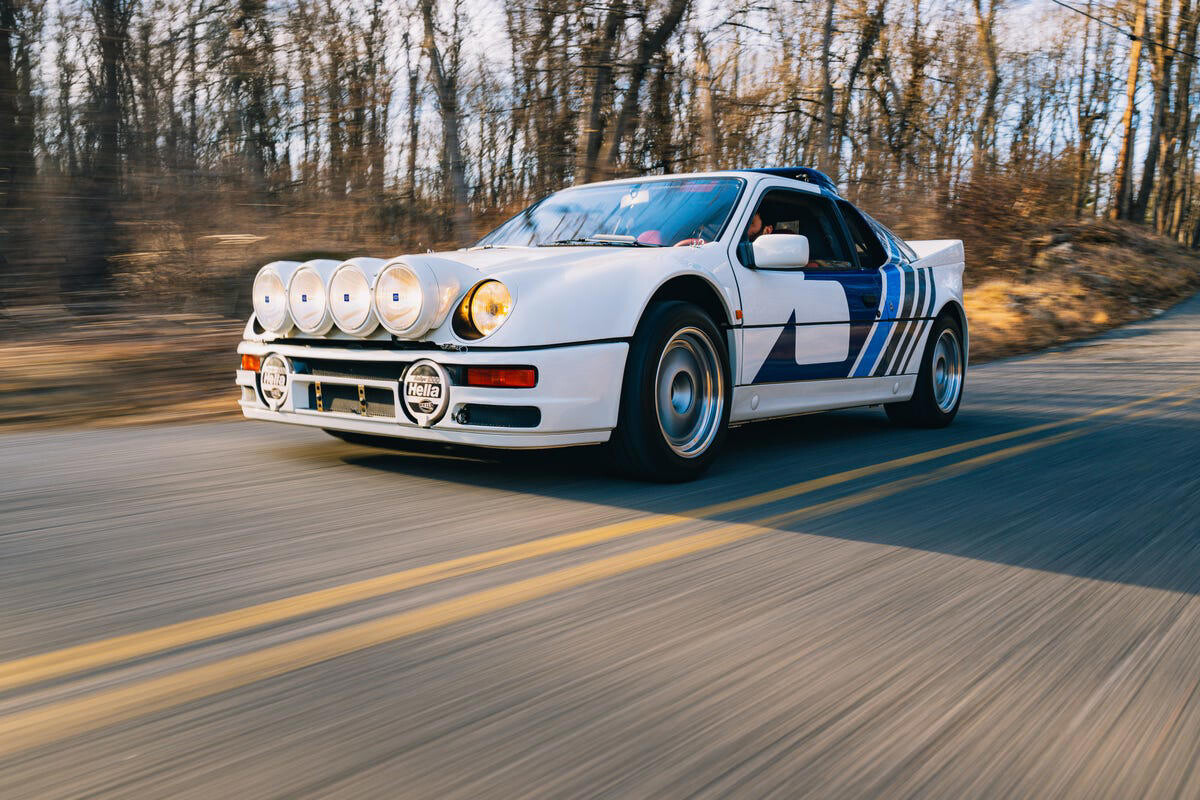
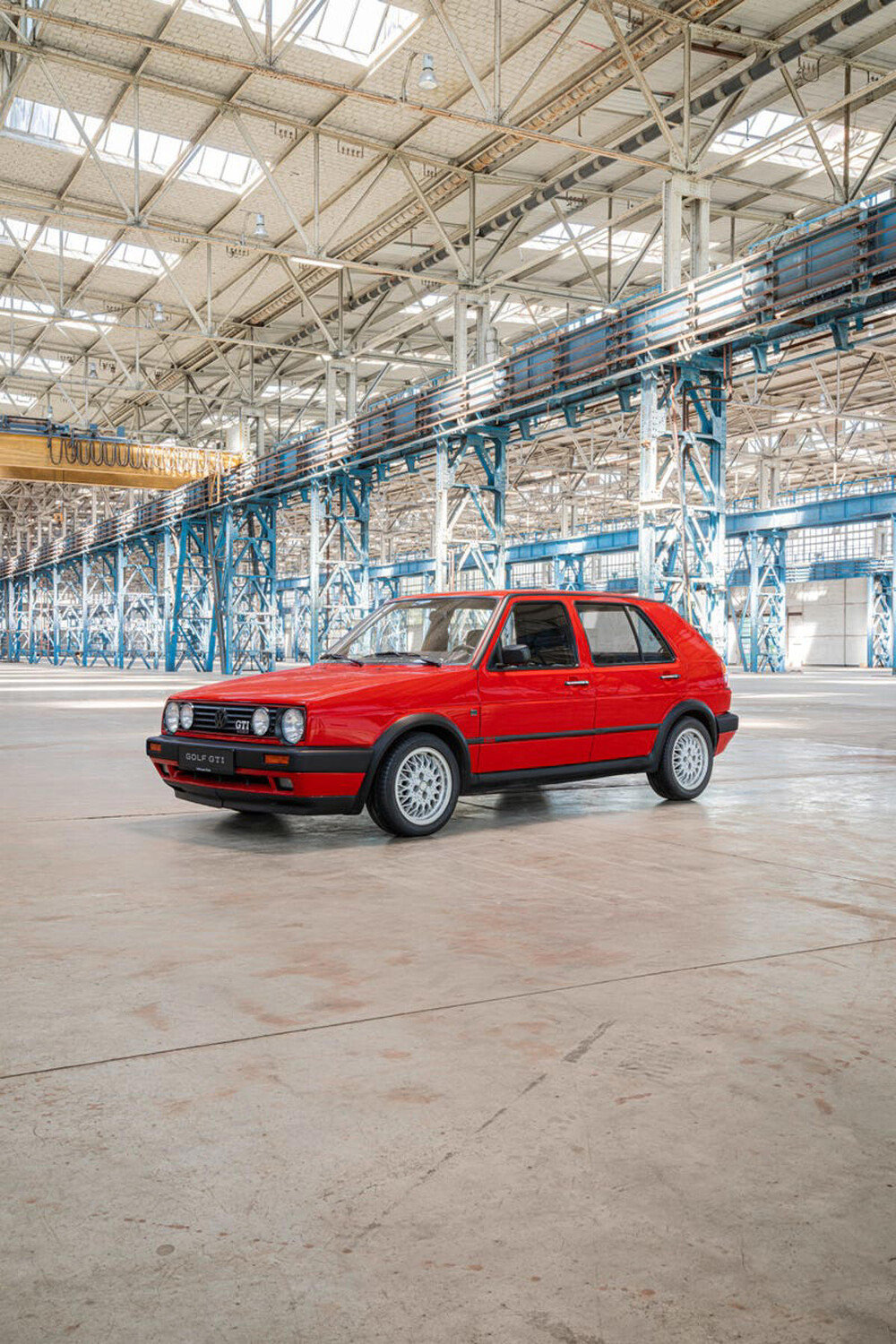
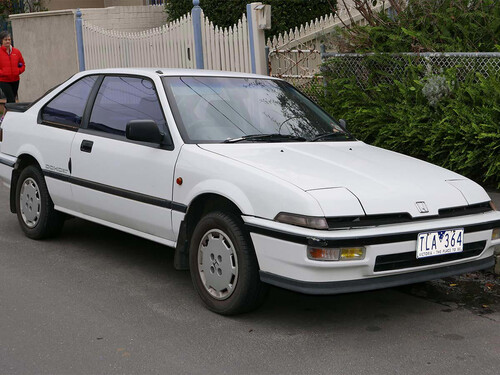
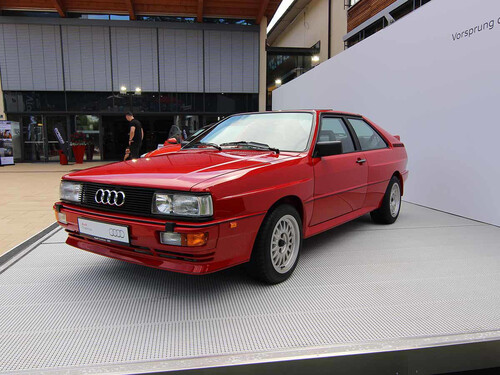
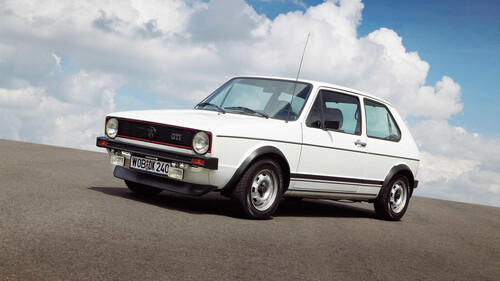
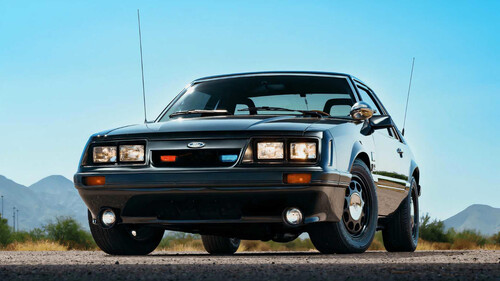
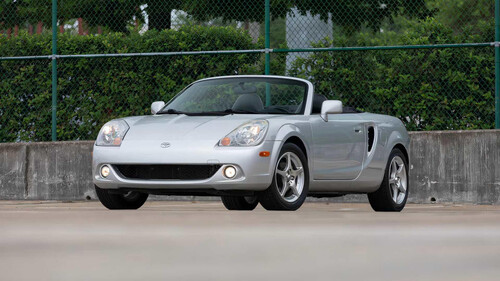
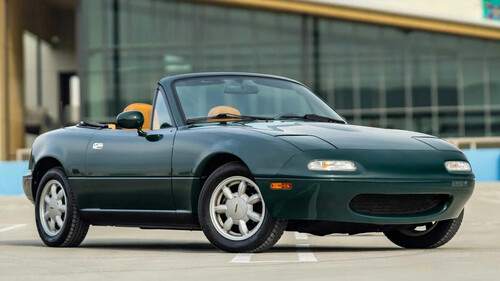
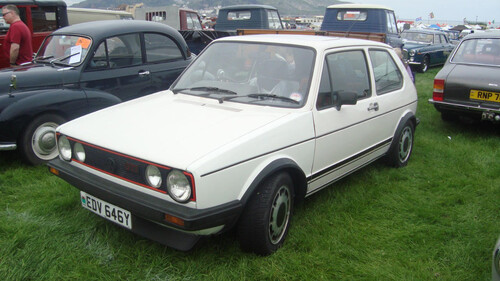
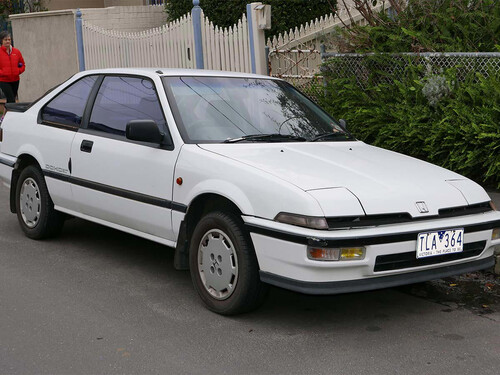
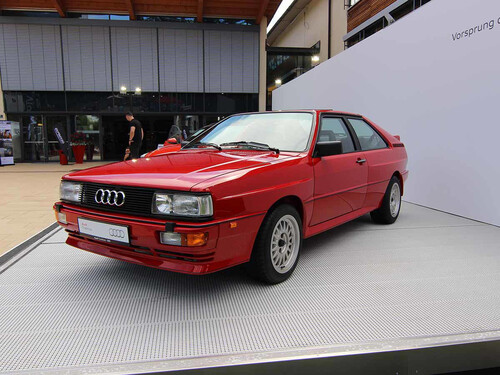
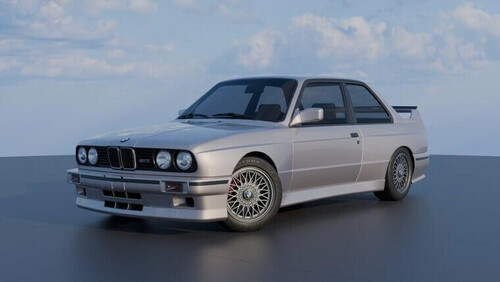
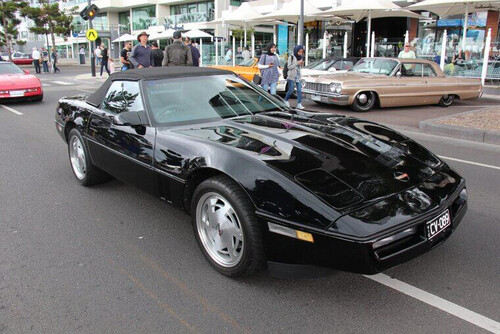
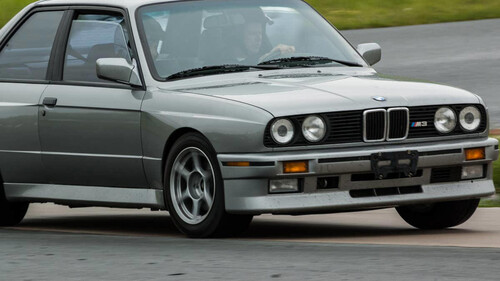
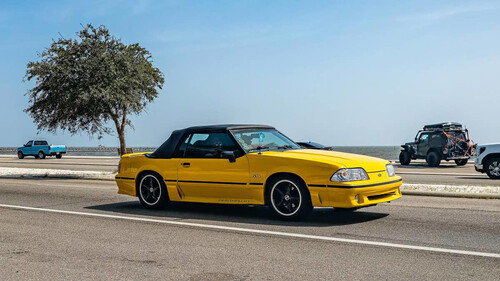
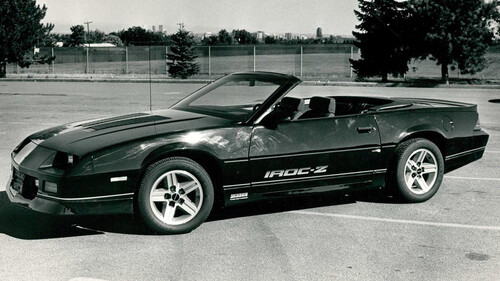
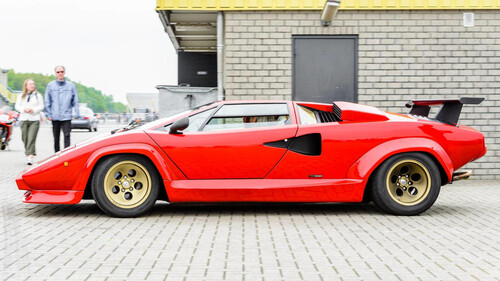
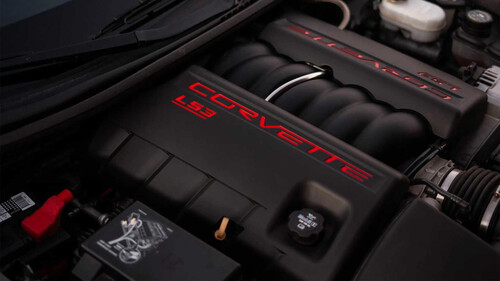
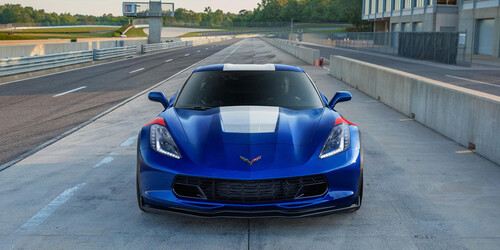
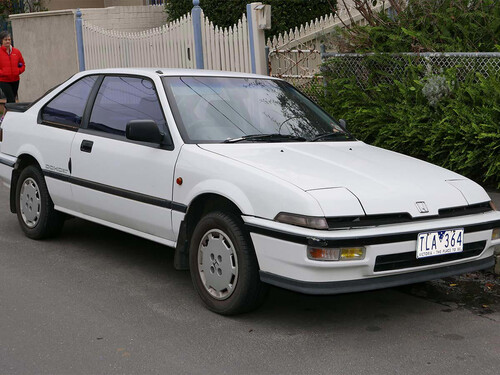
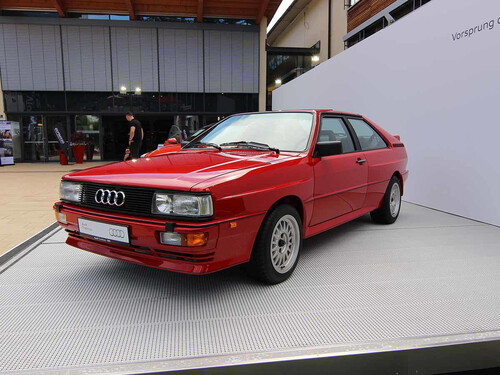
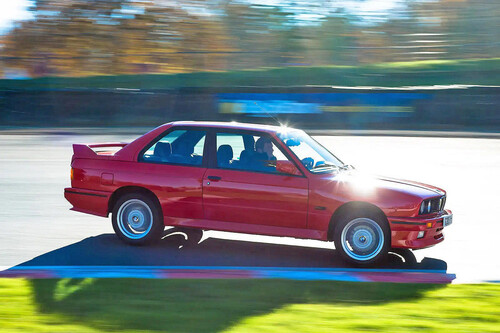
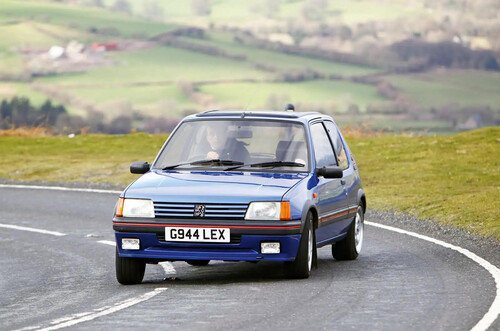
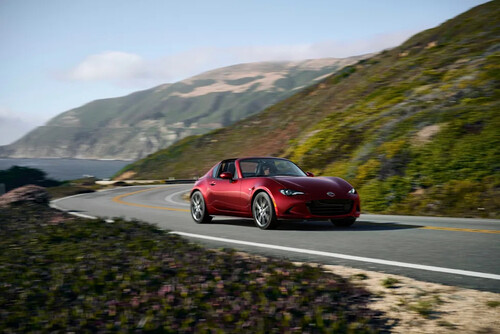
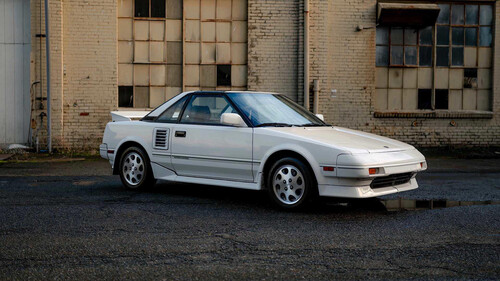
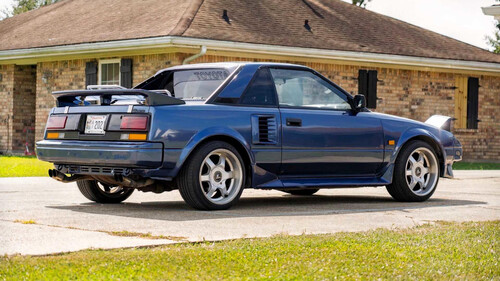
Remember the 1980s? It was all about big hair, exercise videos, and synth solos, right? Oh, and some of the most iconic enthusiast cars ever made. No matter the body style, engine type, or price range, the 1980s offered a plethora of enthusiast options to choose from. As the automotive industry began to come out of the Malaise era, emerging technologies and new styling trends made this an interesting transitional period for cars. Manual transmissions, hydraulic power steering, and a lack of any driver aids made an analog driving experience a given. Plus, many of these cars you'll find on this list are just plain-old cool. Enjoy the nostalgia as you browse through this list of our favorite cars from the '80s.More Car Rankings: Greatest Cars of the 1990s | Coolest Cars of the 2000s | Coolest Retro New Cars You Can Buy Now | Best Classic Cars for Daily Driving | Best Japanese Sports Cars Ever Made | Best Cheap Sports CarsFerrari F40 (1987-1992)The Ferrari F40 is one of Maranello's most timeless creations. Designed by Pininfarina, constructed with carbon fiber and aluminum, and powered by a twin-turbo 2.9-liter V-8, the Ferrari F40 was essentially a roadworthy World Endurance Championship Group B car. The F40 paired 471 horsepower to a gated 5-speed manual transmission and specially developed Pirelli tires. A total of 1311 units were produced. Porsche 959 (1986-1993)There are legendary cars within Porsche's history, and then there is the Porsche 959. Powered by a twin-turbo 444-hp 2.8-liter flat-six, the 959 topped out at 197 mph and was the world's fastest street-legal production car when introduced in 1986. Porsche produced a total of 337 units at Karosserie Baur in Stuttgart. Ferrari Testarossa (1984-1986)The Ferrari Testarossa is the quintessential bedroom-poster Ferrari. Powered by a 4.9-liter, flat-12-cylinder engine, the Testarossa produced 380 horsepower, and its side slats made it iconically '80s in the best way. A total of 9939 units were produced. Ford Mustang (1979-1993)The Ford Mustang has worn many body styles over its 62-year run, and the third generation is one of the most polarizing and iconic. Colloquially known as the Fox-body Mustang, the boxy two-door offered a myriad of engine types (including a turbocharged inline-four) and configurations. Its strongest claims to fame come courtesy of Vanilla Ice and the California Highway Patrol, who both owned and operated the Mustang variant. Chevrolet Corvette (1984-1996)The C4-generation Chevrolet Corvette ushered in the long, sloping shape that has come to characterize every Corvette generation since. Once regarded as the black sheep of Corvettes, the C4 evolved significantly over its lifespan and has become more beloved over time. Initially offered with a measly 205 horsepower from an emissions-regulated L83 V-8, the C4-generation Corvette was the first to wear a ZR-1 badge in 1990. Chevrolet Camaro IROC-Z (1985-1990)The Chevrolet Camaro has shifted and adapted many times over the last 57 years, and the third-generation Camaro was not quite a high point in this nameplate's illustrious history. Even so, the IROC-Z edition was a light at the end of the tunnel for the Camaro line. Powered by a 5.0-liter V-8, the IROC-Z boasted 215 horsepower and 279 lb-ft of torque. Buick GNX (1987)The Buick GNX was a sort of farewell to a certain era from General Motors. The second-generation Buick Regal was due to expire in 1987, but not before a special set of Regal Grand National units were sent off to American Specialty Cars for some hot-rodding magic. The result was a turbocharged 3.8-liter V-6 putting down 300 horsepower and 380 lb-ft of torque, fed through a reprogrammed Hydramatic 200-4R transmission. BMW E30 M3 (1986-1991)The E30-generation BMW 3-series has become a poster child for analog driving pleasure, and the M3 is the cream of the crop. The E30 M3 took the basic rear-wheel-drive, front-engine formula of the standard 3-series and fine-tuned it with upgraded suspension, bigger brakes, and a limited-slip differential. Powered by the 2.3-liter, S14 inline-four engine, the BMW E30 M3 offered just 192 horsepower but made up for that modest sum with its high-revving nature. Audi Quattro (1983-1986)A stylish, angular design makes the Audi Quattro stand out in a crowded parking lot, and its five-cylinder engine was distinctive for the time. Developed simultaneously as a road car and rally car, Audi first brought the Quattro to the U.S. in 1983. The turbocharged 2.1-liter inline-five produced 162 horsepower Stateside, but the Audi's real trick was its all-wheel-drive system that help Audi make its Quattro name a household name for AWD traction.DeLorean DMC-12 (1981-1983)Popularized by its prominent role in the first "Back to the Future" film, the DeLorean DMC-12 was an instant icon thanks to its out-of-this-world Giugiaro styling and gullwing doors. But wasn't all that great of a car, as the rear-engine coupe was powered by a 2.8-liter V-6 producing just 130 horsepower. DeLorean Motor Company managed to produce around 8975 units before going out of business in 1982.Acura Integra (1986-1989)The Acura Integra has enjoyed a cult enthusiast following since its launch in 1986. Offering an accessible, sporty driving experience and 113 horsepower from its 1.6-liter inline-four, the first Integra —like the modern version—shared its roots with the Civic. Four-wheel disc brakes, suspension upgrades, and better tires made the Integra stand out from its Civic sister.Honda CRX (1984-1991)The Honda CRX is perhaps the most famous Civic derivative. Honda initially offered an economical and sporty version of the CRX for its first generation before turning it into more of an enthusiast-focused machine thanks to suspension and engine upgrades for the second-generation model that launched in 1987. A variety of naturally aspirated, inline-four-cylinder engines provided power during the CRX's seven-year run. Ford RS200 (1984-1986)Initially produced to comply with Group B rally homologation rules, the RS200 is arguably one of the wildest cars to ever wear a Ford badge. The mid-engine, all-wheel-drive RS200 featured a turbocharged, Cosworth-developed inline-four making 250 horsepower and a sophisticated independent suspension setup. A total of 200 units of the RS200 were produced between 1984 and 1986 by Reliant Motor Company on behalf of Ford. Peugeot 205 T16 (1984-1986)The Peugeot 205 T16 paired mid-engine construction and hot-hatchback fun in the name of Group B homologation standards. Producing the FIA-required 200 roadworthy units, Peugeot equipped the roadgoing 205 T16 with a turbocharged 1.8-liter inline-four producing 197 horsepower. A tubular chassis was present underneath the bulbous bodywork. Volkswagen Golf GTI (1985-1992)The Volkswagen Golf GTI is one of the premier affordable performance cars, as this hot hatchback has enjoyed a 50-year lifespan over eight generations thus far. The second-generation GTI picked up where the first-generation left off, offering 100 horsepower from a 1.8-liter, 16-valve inline-four. Around 600,000 Mk2 GTI units were sold worldwide. Toyota MR2 (1985-1989)The first-generation Toyota MR2 was the first mid-engine, rear-wheel-drive Japanese car ever. The compact sports coupe was powered by a naturally aspirated 1.6-liter inline-four producing 112 horsepower, though a supercharged version making 145 horsepower came later in 1988. Lotus engineer Roger Becker was instrumental in helping Toyota tune the MR2's handling balance. Ruf CTR Yellowbird (1987-1996)The RUF CTR Yellowbird is not what meets the eye. RUF Automobile and its leader, Alois Ruf, set its sights on tuning Porsches in the 1980s, and the CTR Yellowbird was one of the company's high points. Based on a 1987 Porsche 911, the Yellowbird used a twin-turbo 3.4-liter flat-six engine pumping out 463 horsepower paired with a five-speed manual transmission. These specifications put the RUF CTR in competition with the Porsche 959, but the Yellowbird topped out at a higher 213 mph. AMC Eagle (1980-1988)The AMC Eagle earns its place on this list by being the first four-wheel-drive American passenger car. Combining a lifted suspension and off-road capability with station-wagon amenities was a gamble at the time, but the adventure-focused model kicked off a decades-long trend. Think of it as the predecessor to the popularity of the modern-day crossover. Produced in a variety of body styles and powertrain configurations, AMC sold around 195,000 Eagles during its eight-year production run.