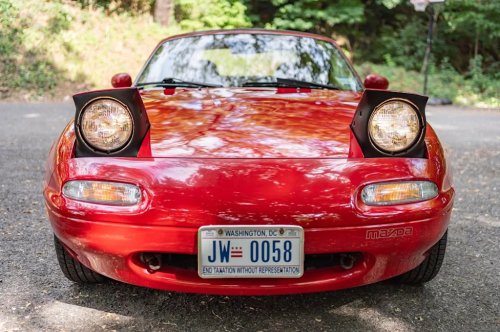
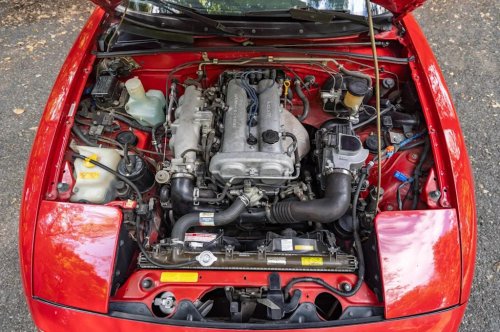
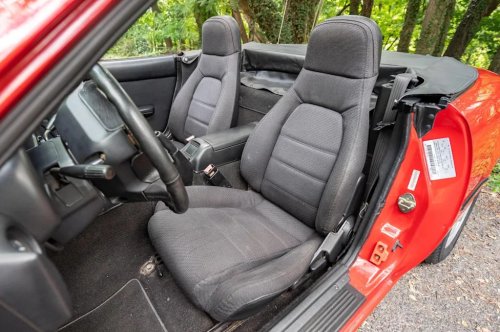
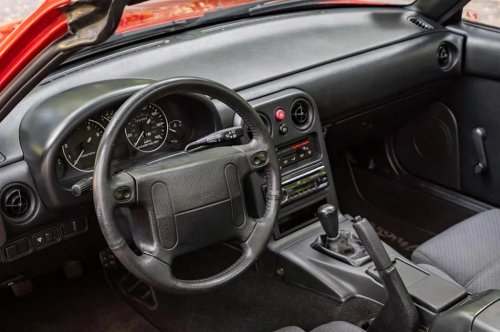
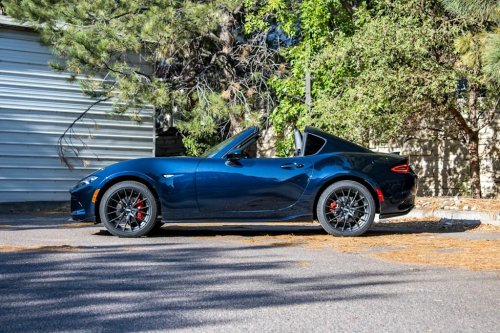
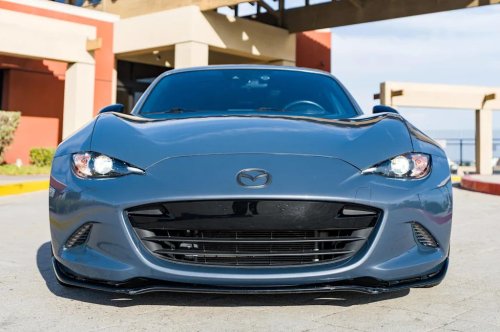
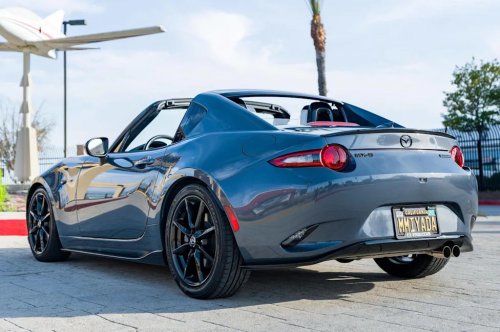
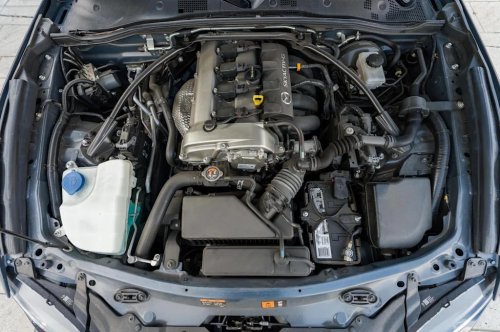
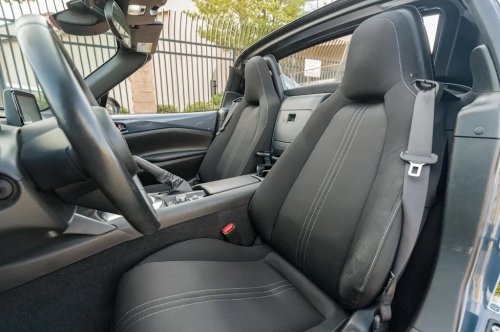
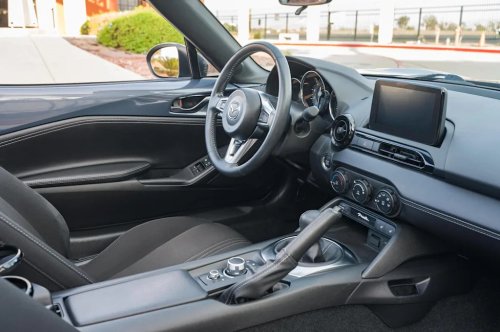
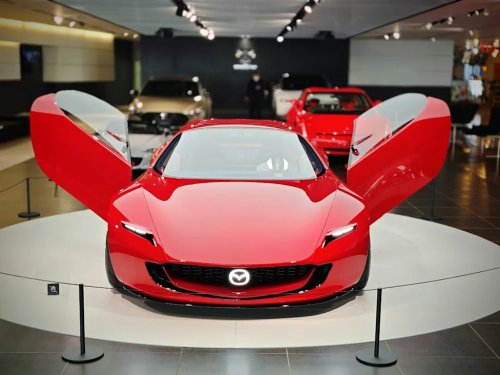
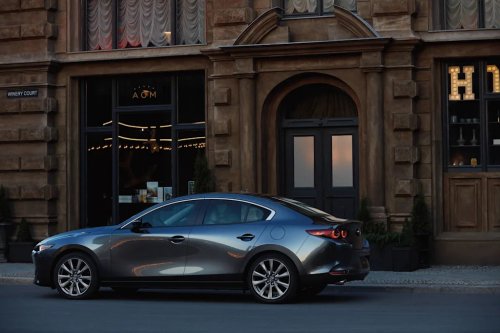
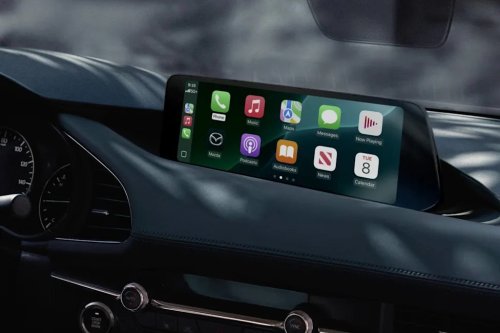
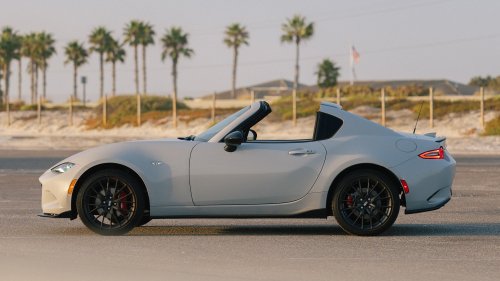
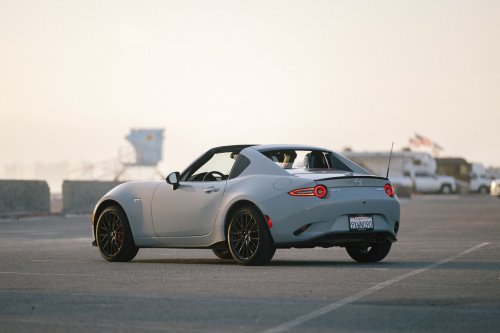
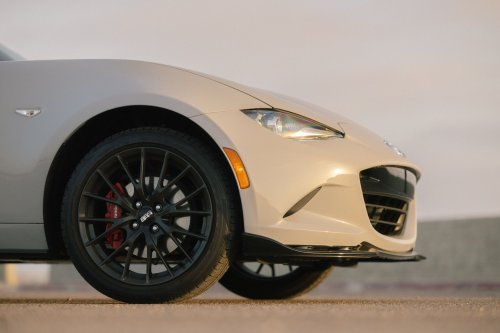
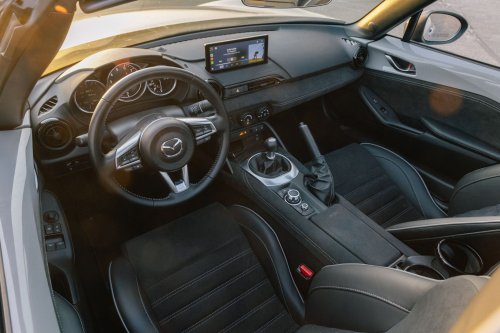
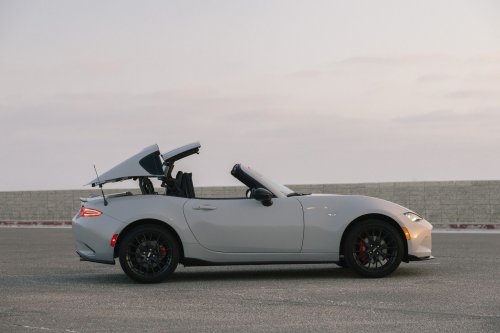
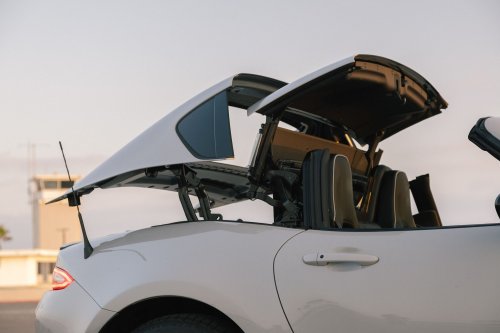
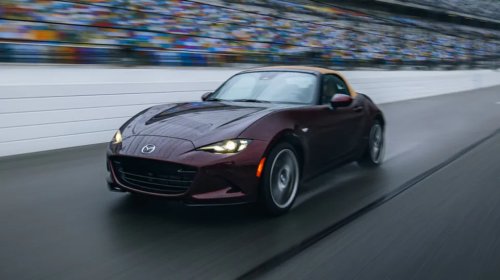
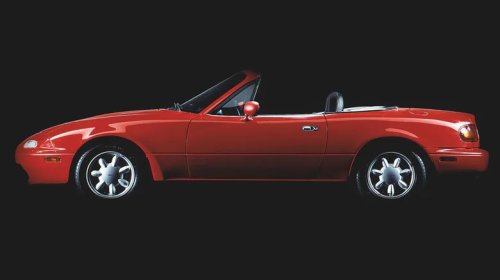
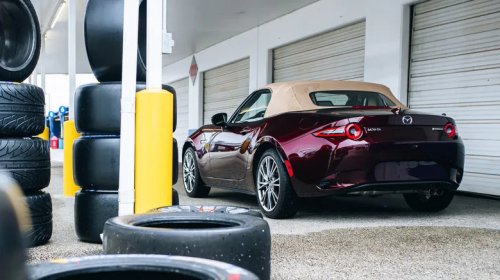
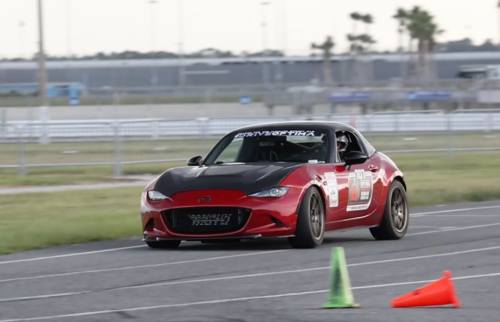
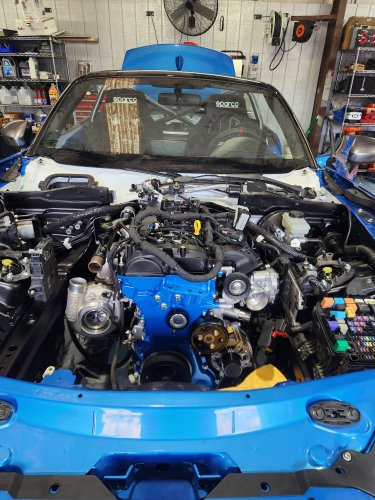
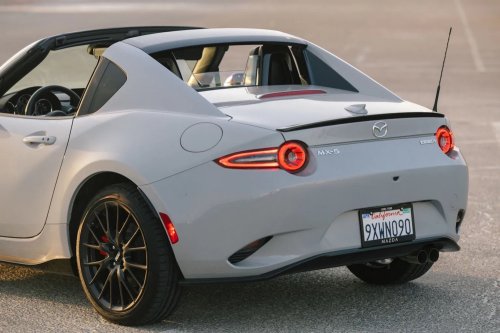
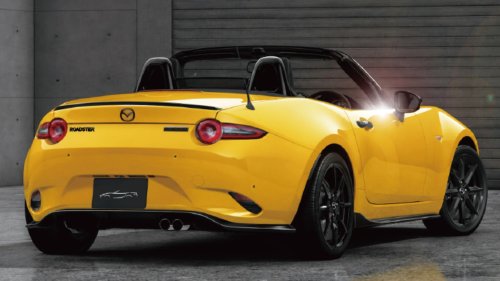
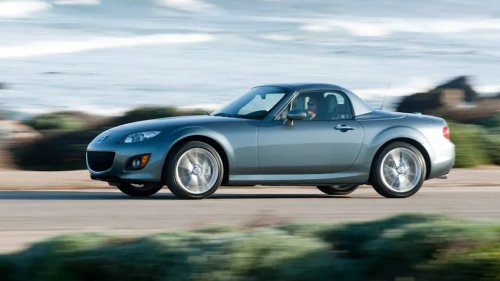
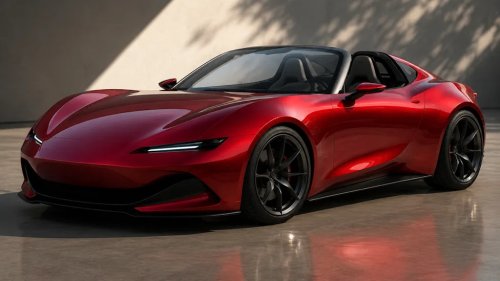
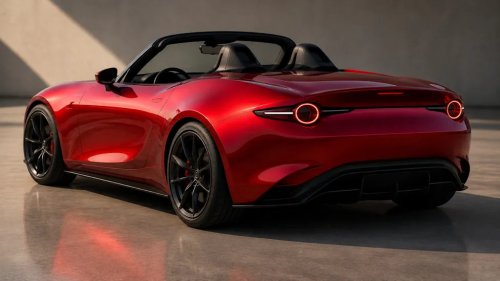
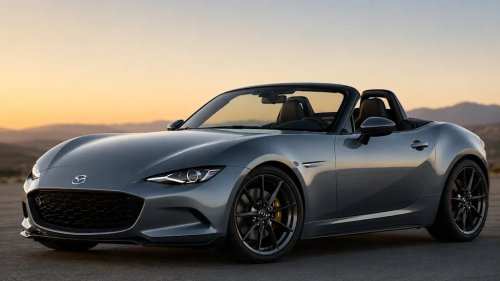
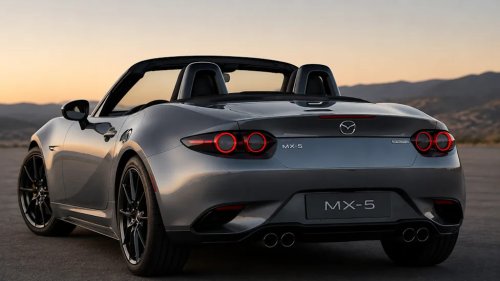
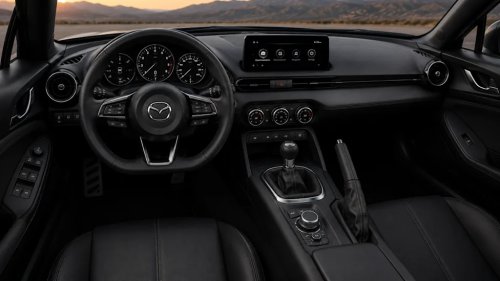
Autoblog and Yahoo may earn commission from links in this article.Remember to K.I.S.S. (Keep It Simple, Stupid)The Mazda Miata became the best-selling roadster in history by doing something most sports cars abandoned long ago: staying simple. Over the course of four generations, the venerable Miata never veered from its purist's formula. In a world where performance cars have become heavier, more powerful, and increasingly complicated, the Miata remains refreshingly focused. This simplicity is what makes it truly great, and its loyalists would say, "legendary". We would have to agree.MazdaIt isn't the fastest car you can buy, not by a longshot. It certainly isn't the most practical. It doesn't boast big screens and haptic feedback controls. Yet it continues to attract loyal enthusiasts because it delivers something many modern vehicles can't: a pure driving experience undiluted by weight, tech, or turbos. That purity is exactly what makes the Miata so damn good. It's also why rumors about major changes to the next-generation model have some enthusiasts nervous.Why the Miata Formula WorksMazdaThe Miata's formula has always been straightforward. Approved for production in 1985, Mazda based the design on the "Jinba Ittai" philosophy—otherwise known as the unity of horse and rider. Start with a lightweight rear-wheel-drive platform. Add a naturally aspirated engine, a manual transmission, and a convertible top. Then focus on balance instead of outright power. Its one of the few cars today with a near-perfect 50/50 front-to-rear weight ratio. That means its predictable, tossable, and remarkably controllable. It has also never deviated from a sub-3,000-pound curb weight, which means it's one of the lightest mainstream production cars ever made. Here are the maximum weights for each generation.AdvertisementAdvertisementNA: 2,305 lbs.NB: 2,530 lbs.NC: 2,542 lbs.ND: 2,437 lbs.2011 Mazda MX-5 Miata Special EditionThe result is a car that feels alive at legal speeds. Rather than adding power to a cars that get heavier through the generations, Mazda has kept the Miata light and increased the power (from 116 in the NA to 181 in the ND). You can go 40 mph, and it feels like 60. Many modern sports cars require triple-digit velocities before they start to feel exciting. Every input matters. The steering communicates what the front tires are doing. The manual transmission feels mechanical and precise. The suspension allows enough body movement to make the car feel playful and confidence-inspiring, at the same time. You can drive it at 9/10ths without getting a ticket. Maybe that's why the Miata actually sold more units in 2025 than 2024.The Challenges Facing the Next MiataAmos Kwon using ChatGPTUnfortunately, the automotive landscape is changing rapidly. Stricter emissions regulations, tougher safety standards, and consumer demand for more technology make it increasingly difficult to build a lightweight sports car. Every new feature adds weight. Every new safety requirement adds complexity. Every efficiency target pushes automakers toward electrification. Just look at what Porsche did with the 718 Cayman and Boxster.AThe current ND-generation Miata weighs just over 2,300 pounds in some configurations. That's one of its greatest strengths. While electric motors provide instant torque, weight is often the enemy of handling, braking, and overall driver involvement. The fear isn't that a hybrid Miata would be slow. The fear is that it would stop feeling like a Miata.Will the Next Miata Ruin the Formula?AdvertisementAdvertisementEnthusiasts have worried about nearly every new Miata generation. When the NC arrived, many complained it was too large. When the ND debuted, some questioned whether it could live up to its predecessors. Yet each generation ultimately preserved the core character that made the car successful. Even the sometimes maligned NC is still beloved by enthusiasts. A Miata is a Miata.Amos Kwon using ChatGPTInstead of relying on turbocharging, the next-generation Miata is expected to feature Mazda's new naturally aspirated 2.5-liter Skyactiv-Z engine. Mazda is also expected to incorporate a 48-volt mild-hybrid system. By recovering energy during braking and redeploying it during acceleration, the setup can improve efficiency and drivability while avoiding the added weight and complexity of a full-hybrid powertrain.Mild hybrid may actually enhance the next Miata's driving experience by making the vehicle feel smoother, quieter, and more responsive. Unlike a full hybrid or electric vehicle, the compact electric motor can't propel the car on its own. Instead, it pretty much operates in the background, providing supplemental torque, assisting during acceleration, and supporting engine operation. Here, the electric motor serves as a silent partner to the Miata's naturally-aspirated gas engine.Amos Kwon using ChatGPTOutput won't be substantially more than the curren't Miata's 181 horsepower. Mazda is targeting a combination of 185 horsepower and a lighter 2,200-lb weight. That means it will be quicker than the current model. Mazda knows the Miata occupies a unique position in the market. It isn't trying to compete with higher output, higher-priced convertible sports cars like the Porsche 911 Carrera Cabriolet or the BMW Z4. In fact, there isn't another roadster in the Miata's class. It stands alone. Its mission has always been to maximize driving enjoyment rather than performance statistics and to do it with the top down.Final ThoughtsThe next Miata will almost certainly gain new technology. It looks like it will adopt some form of hybrid assistance, and that's okay as long as it won't increase the weight or sully the purity of the driving experience. But as long as Mazda preserves the qualities that matter most—light weight, responsive handling, rear-wheel drive, and an available manual transmission—the soul of the Miata should remain intact. If a little modernization is what it takes to keep this iconic roadster alive for another generation, most enthusiasts will gladly accept the compromise.AdvertisementAdvertisementThis story was originally published by Autoblog on Jun 11, 2026, where it first appeared in the Features section. Add Autoblog as a Preferred Source by clicking here.



















 +80 others