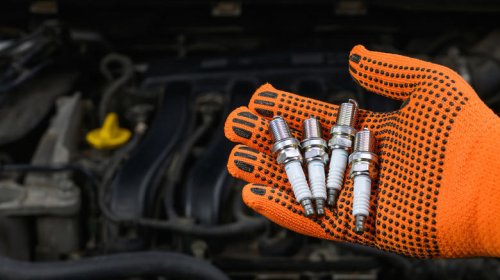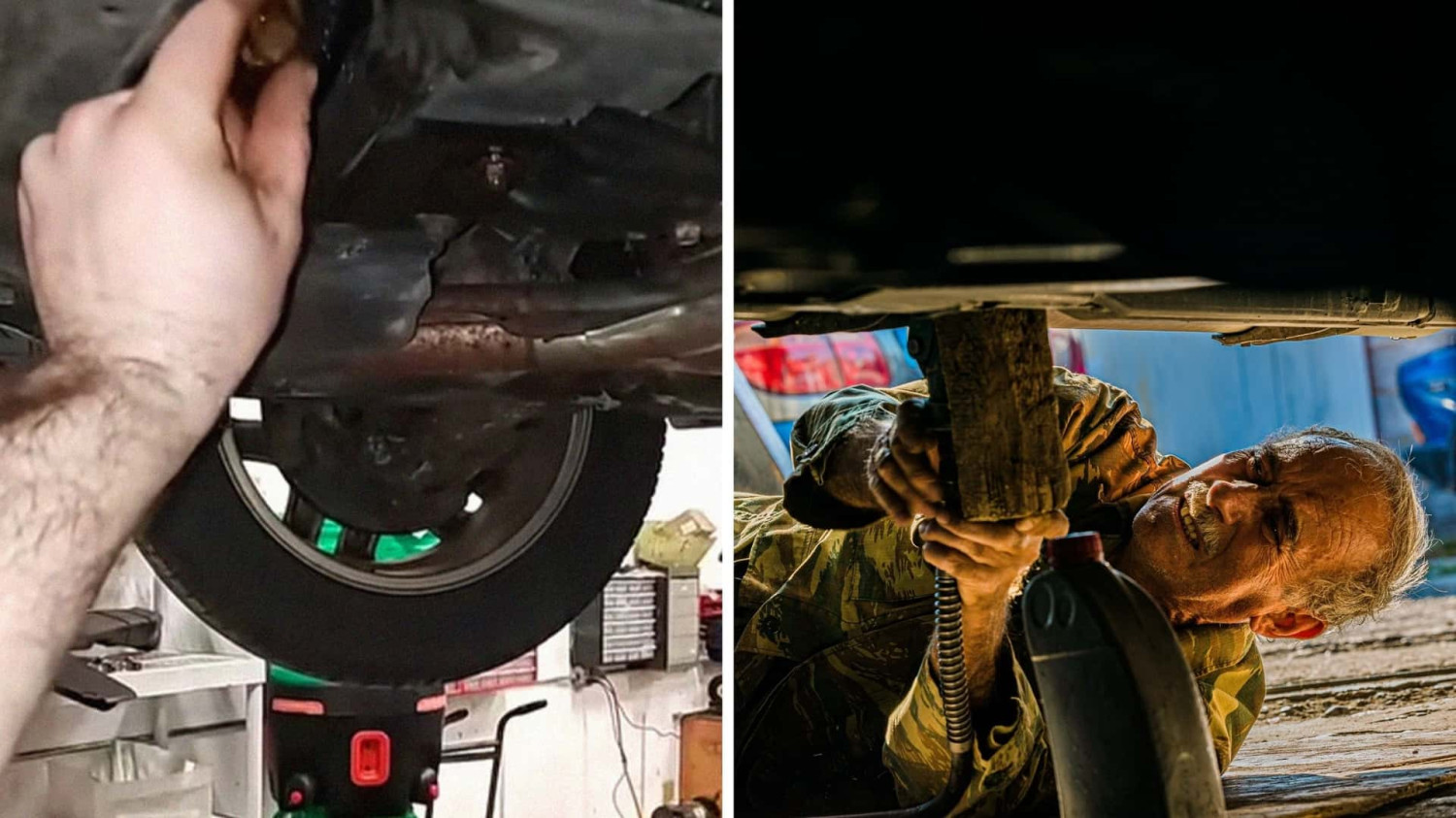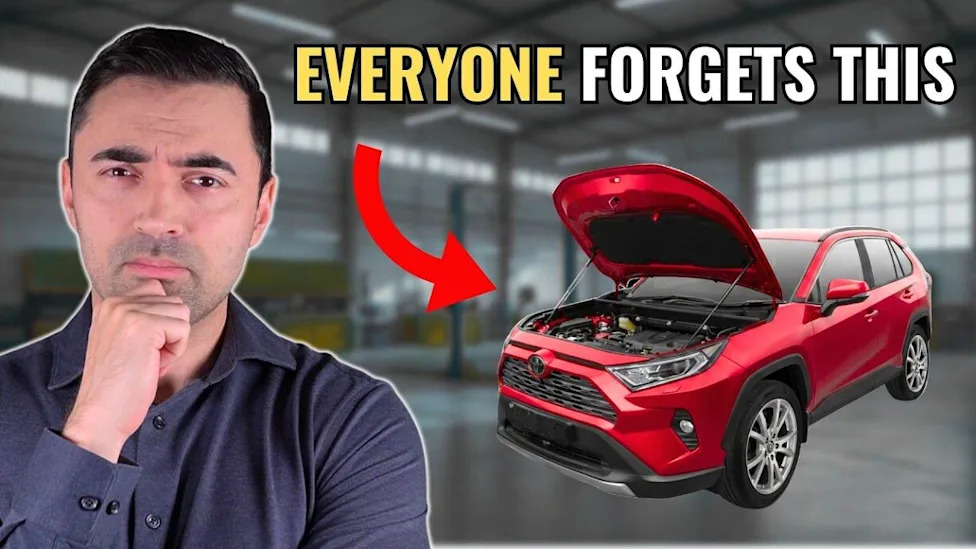



















the basic maintenance mistakes keeping your mechanic richThis is how to maintain your car and make it last for as long as possible.These maintenance tips will show you how to maintain your car without spending a ton of money but still keep your car in great shape. This includes when to change the oil, transmission fluid, and other parts like filters and spark plugs.We also cover rustproofing and whether you should rustproof your car. To find out how to maintain your car, make sure to watch the video below.The Ultimate Car Maintenance Guide: What Mechanics Actually RecommendAdvertisementAdvertisementWhat is the number one way to maintain your car and make it last as long as possible?To find out, a survey was conducted with a dozen top, highly reputable master mechanics who have been in the automotive industry for decades. They shared their professional recommendations on everything from oil changes, transmission flushes, and spark plugs, to the number one most important maintenance item that almost every car owner completely forgets.1. The Master Fluid Maintenance ScheduleWhile car manufacturers continuously push the narrative of "lifetime" fluids to make their vehicles appear cheaper to maintain on paper, real-world mechanics heavily disagree. Neglecting your vehicle's fluids is the fastest road to a multi-thousand-dollar repair bill.Based on our survey, here is the consensus on when you should actually replace your vehicle's key fluids:Fluid TypeRecommended IntervalNotesEngine Oil (Synthetic)Every 5,000 to 6,000 miles(8,000 to 10,000 km)Perform once per year if you do not reach the mileage threshold.Engine Oil (Mineral-Based)~3,000 miles(5,000 km)Primarily for older vehicles.Standard Automatic TransmissionEvery 50,000 to 6,000 miles(80,000 to 100,000 km)Completely disregard manufacturer "lifetime fluid" claims.CVT, Dual-Clutch, or Manual TransmissionEvery 30,000 miles(50,000 km)These systems run hotter and require more frequent servicing.Transfer Case & DifferentialsEvery 30,000 miles(50,000 km)Critical for all-wheel-drive (AWD) and 4WD drivetrains.Engine CoolantEvery 4 to 5 years(or 60,000 miles / 100,000 km)Prevents engine overheating and internal corrosion.Brake FluidEvery 3 yearsBrake fluid absorbs water over time, which degrades stopping power.2. Filters, Plugs, and Wear ItemsBeyond fluids, physical components degrade at predictable rates. Staying on top of these keeps your engine breathing properly, firing efficiently, and running smoothly.Filters (Engine Air, Cabin, Fuel, and Hybrid Battery)Interval: Every 2 to 3 years.Why it matters: Clean filters prevent dirt from entering your engine and ensure that critical components, like a hybrid's high-voltage battery pack, don't overheat.Spark PlugsStandard Engines: Replace every 60,000 miles (100,000 km).Turbocharged Engines: Replace every 30,000 to 40,000 miles (50,000 to 60,000 km). Turbo engines operate under higher heat and pressure, wearing down spark plugs twice as fast.Engine BeltsDrive/Serpentine Belts: Replace every 60,000 miles (100,000 km) alongside your spark plugs.Timing Belts: If your vehicle uses a timing belt (rare in newer cars, but common in older models), it must be replaced around 100,000 miles (160,000 km). Failing to replace a worn timing belt can result in catastrophic, engine-destroying valve damage if it snaps.Brakes, Tires, and SuspensionThese are purely "replace as needed" items:AdvertisementAdvertisementSuspension: Components typically wear out between 60,000 to 100,000 miles (100,000 to 200,000 km).Brakes: Traditional gas vehicles require brake pads and rotors much more frequently, whereas hybrids and EVs can easily see their brakes last two to three times longer due to regenerative braking.3. The #1 Overlooked Maintenance Item: RustproofingWhat is the point of spending thousands maintaining your engine and transmission if your vehicle's frame and body rot away after 8 to 10 years?For owners living in regions that experience harsh winters-such as Canada and the Northern United States-road salt and liquid brines are highly destructive. Every single mechanic surveyed agreed that proper rust protection is an absolute must for vehicle longevity.Why You Need Rustproofing:Preserves Structural Safety: It maintains the structural integrity of your vehicle's body and frame.Holds Resale Value: Rust is a massive depreciator; a clean, rust-free undercarriage keeps your car valuable.Easier Repairs: Mechanics can work on your car much faster (saving you labor costs) when bolts and brackets aren't seized solid by rust.What to Avoid: Dealer Up-SellsDo not buy rust protection from the car dealership. They often heavily markup overpriced spray undercoatings or sell useless "electronic rust modules" for $1,000 to $3,000 that you can buy online for $150.AdvertisementAdvertisementTraditional rubberized or hard-wax undercoatings can also chip, trapping salt and moisture underneath and accelerating rust rather than preventing it.The Recommended Solution: Oil Spray ProtectionInstead, opt for an active, dripless oil spray application from a dedicated specialist like Krown Rust Control.Cost: Very reasonable-typically around $150 to $160 per application.Frequency: Reapply every 2 to 3 years (though companies like Krown recommend annual sprays for maximum coverage).Will it void your warranty? No. Under consumer protection laws, a manufacturer cannot void your entire vehicle warranty simply because you applied aftermarket rust protection. The only exception is if they can prove that the spray application directly caused a specific failure, which is virtually unheard of with modern formulas.SummaryBy keeping your engine and drivetrain fluids fresh, changing wear items on a sensible schedule, and protecting the metal undercarriage from seasonal rot, your car will easily bypass the 10-year mark with minimal issues.AdvertisementAdvertisementBecome an AutoGuide insider. Get the latest from the automotive world first by subscribing to our newsletter here.