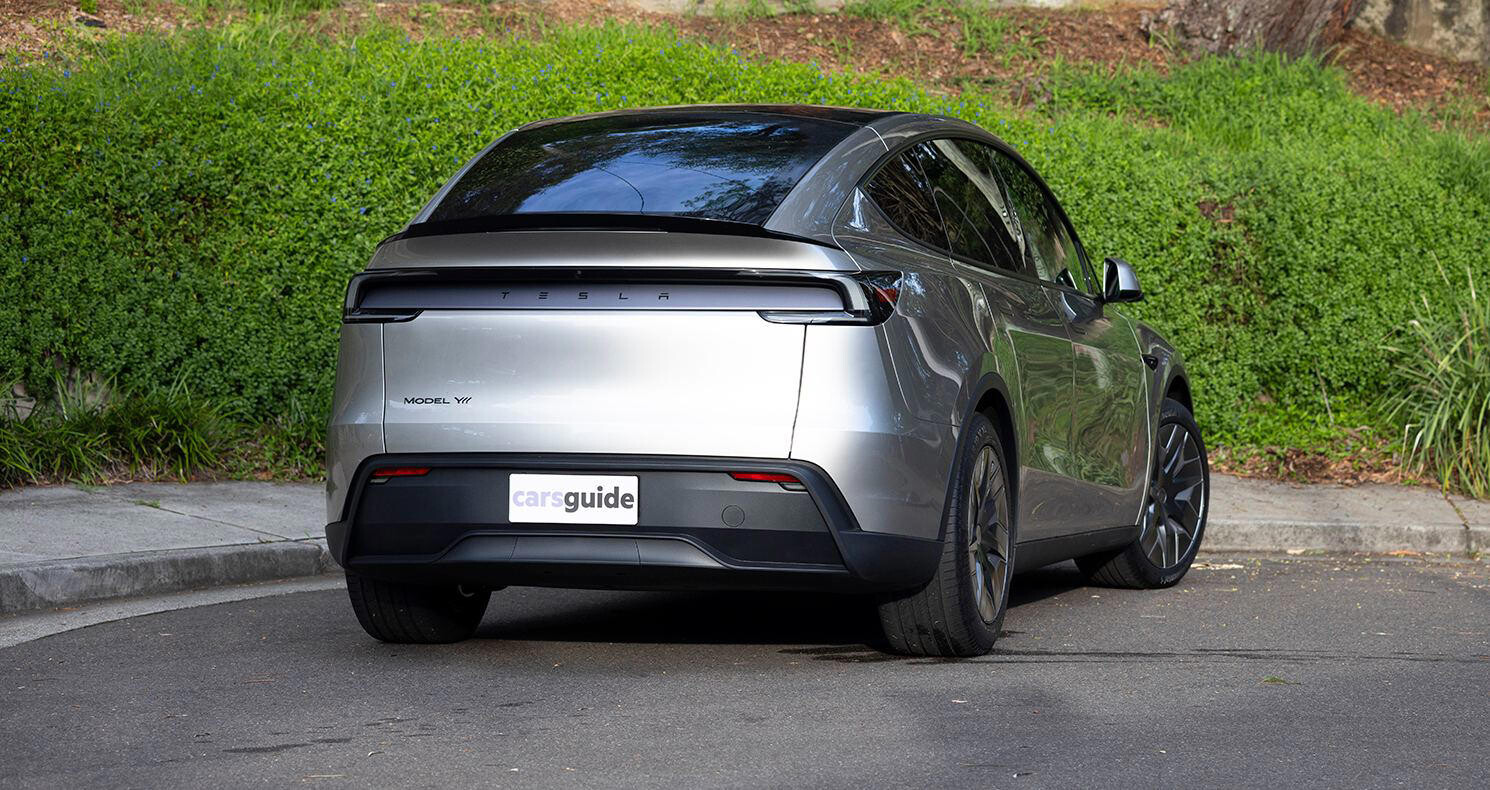
Inspectors found major defects on 18.5% of Model Ys, while the Mazda MX-30 EV fared far better. The Model Y ranked last among 109 models. At its first inspection, 18.5% had major defects, nearly triple the 6.4% average for cars of its age. Inspectors flagged worn suspension joints on Model Ys 24 times as often as on comparable cars. The Mazda MX-30 ranked third overall with a 3% failure rate, though it averaged less than half the Model Y's mileage. Ask a used Tesla buyer what they'd like checked first, and I'm pretty sure the battery would come up pretty quickly. After reading what German inspectors found underneath some surprisingly young Model Ys, I'd want to know how the suspension was holding up, too. Germany's TÜV analyzed 9.7 million mandatory roadworthiness inspections carried out between July 2025 and June 2026. The most revealing comparison was among cars coming in for their first check, at around three years old. EVs won three of the six vehicle classes, but they also occupied the bottom three spots in the overall ranking. The Model Y finished last out of 109 models for the second year running. Inspectors found major defects on 18.5% of the Model Ys they checked, up from 17.3% a year earlier and nearly triple the 6.4% average for cars that age. No model in that age group recorded a worse result since the 2015 report. Meanwhile, just 3% of Mazda MX-30 EVs failed, good enough for third overall behind the Mazda CX-60 and Mercedes-Benz GLA. 2025 Tesla Model Y Launch Series (Euro-spec) For the Model Y, inspectors flagged worn suspension joints 24 times as often as they did on comparable cars. They also found defective brake discs on 3.4% of Model Ys, against a 1% average for the age group. Front lighting drew more complaints than usual, too. Tesla Model Ys covered more miles than average, though. By the time they showed up for inspection, the Model Ys had traveled an average of 36,000 miles (58,000 kilometers). The average car in the group had driven 29,200 miles (47,000 km), and the average MX-30 had covered only 16,200 miles (26,000 km). Those Teslas had driven more than twice as far as the Mazdas in roughly the same amount of time. The MG4 is the first car from a Chinese automaker to appear in the report, and it finished second from the bottom, with a 16% failure rate despite averaging only 23,000 miles (37,000 km). Inspectors flagged brake discs on 10.3% of MG4s, about ten times the average. Suspension defects were also unusually common. Just ahead of the MG was Tesla's Model 3, with a 12.5% failure rate at an average of 34,200 miles (55,000 km). The Model Y's poor performance in Germany runs counter to its reputation for reliability. American buyers may remember that Consumer Reports ranked the Model Y as its most reliable new EV, though that's based on owners reporting the problems they'd encountered. TÜV inspectors, on the other hand, may find play in a suspension joint that the driver hasn't noticed. There's also a difference between buying new and buying used, even in Consumer Reports' own data. Tesla finished last as a brand in its separate survey of five- to ten-year-old cars, which is perhaps more telling. The German results apply to the Model Y that preceded the Juniper refresh. When I drove the updated Model Y, the softer suspension and new frequency-selective dampers made it noticeably more comfortable. Whether this softer suspension setup holds up better is something we'll learn as those cars cover more miles.