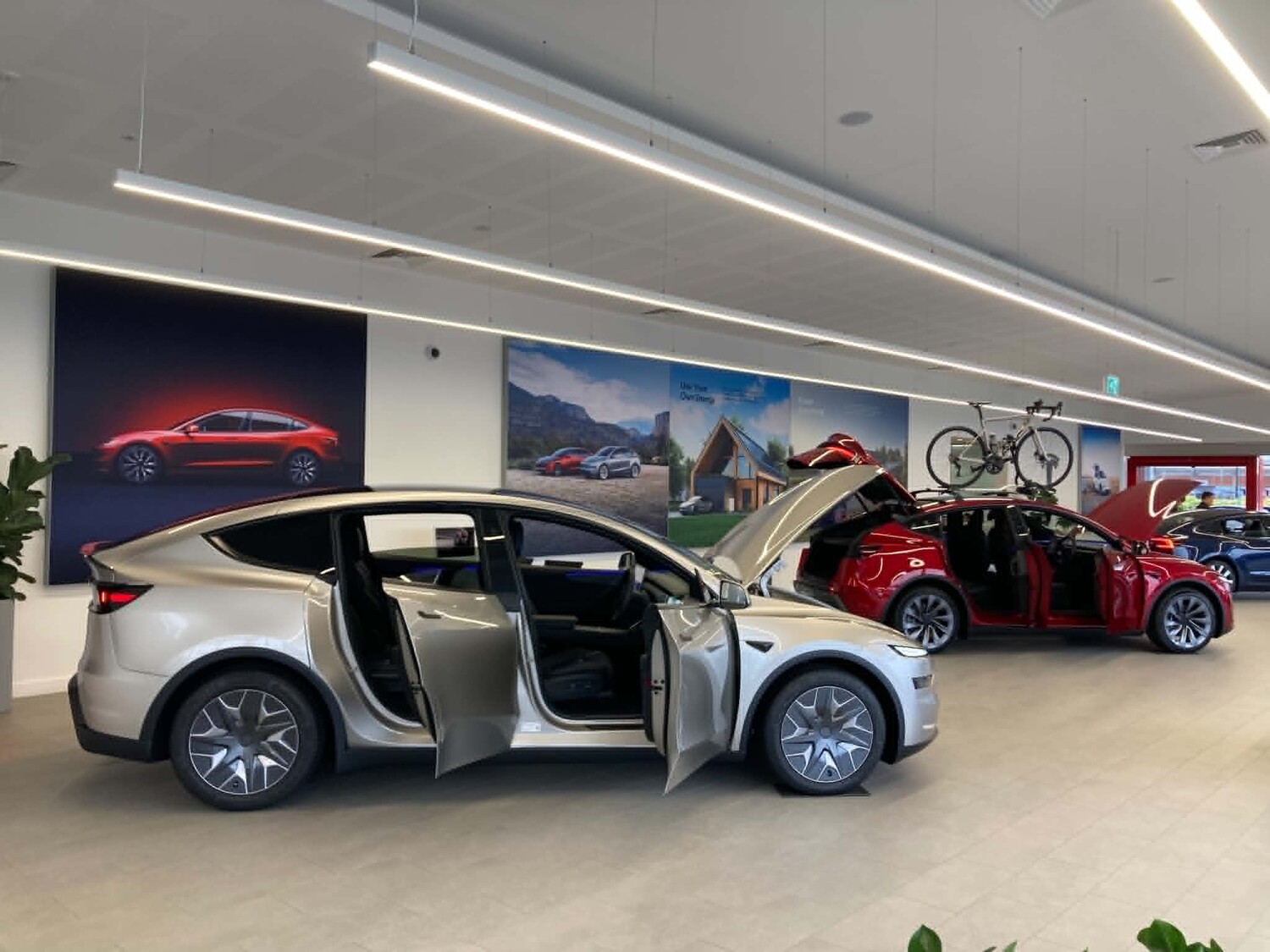
Tesla's Model Y is facing renewed questions about its long-term build quality after finishing last in a major German vehicle inspection study. The newly released TÜV Report 2027 found that 18.5% of inspected Model Y vehicles aged two to three years had significant defects, placing the electric SUV at the bottom of a ranking covering 109 vehicle models. The findings, released on November 18, 2026, highlight concerns involving suspension components, brake discs and front lighting. Particularly troubling is the comparison with other relatively new vehicles, which recorded an average major-defect rate of just 6.4%. The results raise important questions about durability, maintenance and ownership costs, although they do not establish that every Tesla Model Y is unreliable or that similar defect rates occur in other countries. Germany's Latest Inspection Results Put Tesla at the Bottom Germany's TÜV Report 2027 delivered an uncomfortable result for Tesla, placing the Model Y 109th out of 109 models in the two- to three-year-old vehicle category. Inspectors identified significant defects in 18.5% of the examined Model Y SUVs, a rate almost three times the 6.4% average recorded across vehicles of the same age. The findings are particularly notable because these are relatively young vehicles, many approaching their first mandatory roadworthiness inspection rather than the later stages of their working lives. The report is based on Germany's established vehicle inspection system, which evaluates whether cars meet essential roadworthiness standards. Unlike customer satisfaction ratings, the findings reflect defects identified during physical examinations. The Model Y's result therefore concerns measurable vehicle condition rather than complaints about touchscreen controls, software features or driving preferences. For an electric SUV marketed around advanced technology and simplified mechanical maintenance, the unusually high defect rate creates a difficult contrast between technological sophistication and the durability of fundamental vehicle components. What the 18.5% Defect Rate Actually Means The 18.5% figure represents the proportion of inspected Model Y vehicles found to have significant defects under Germany's roadworthiness testing standards. These are not simply cosmetic imperfections or minor inconveniences. German inspectors distinguish between minor defects, significant defects, dangerous defects and conditions that make a vehicle unsafe to operate. Significant defects are serious enough to prevent a vehicle from receiving its inspection approval until the problems have been addressed. Under German regulations, vehicles with significant defects must undergo repairs and return for reinspection, generally within one month. However, the result does not mean that 18.5% of Model Y vehicles experienced mechanical breakdowns or were immediately dangerous to drive. It also does not mean every remaining vehicle was free of smaller problems. The distinction matters because inspection results measure physical condition at a particular point in time, rather than predicting exactly when an individual vehicle will fail. Even with that limitation, the Model Y's unusually poor ranking suggests a meaningful difference in the condition of the vehicles examined. Nearly 10 Million Inspections Make This a Major Industry Benchmark The TÜV Report 2027 draws on approximately 9.7 million passenger-vehicle inspections conducted between July 1, 2025, and June 30, 2026. The analysis covers 200 different vehicle models across six age categories, including 26 fully electric models. These figures make it one of Germany's largest recurring assessments of vehicle roadworthiness. The annual publication, produced by the TÜV Association in cooperation with Auto Bild, has become an important reference for used-car shoppers interested in identifying common mechanical weaknesses. Its methodology also helps explain why the findings deserve attention. Instead of depending on drivers remembering repair bills or reporting their satisfaction, the report examines defects recorded during standardized inspections. Grouping vehicles by age allows relatively new models to be compared with similarly aged competitors. Nevertheless, the data do not establish that every vehicle has experienced identical driving conditions, maintenance practices or annual mileage. The results provide substantial evidence about real-world vehicle condition, but they are not a controlled experiment identifying the precise cause of every defect. Suspension Problems Emerge as Tesla's Biggest Weakness One of the most concerning findings involves the Model Y's suspension system. According to the TÜV Association, worn load-bearing and guide joints were flagged 24 times more frequently than in comparable vehicles. These components help connect the wheels to the suspension and steering systems while allowing controlled movement over uneven roads. Excessive wear can affect handling, steering precision and the way a vehicle responds to bumps. Discovering these issues in vehicles only two or three years old raises questions about component durability. Suspension problems are especially important because they may develop gradually. Drivers can sometimes become accustomed to new rattles, vibrations or changes in steering feel without immediately recognizing a mechanical problem. The TÜV findings do not establish that every affected Model Y suffered a dangerous suspension failure, nor do they identify a single underlying cause. However, the report notes that vehicle weight, component design and durability can influence suspension wear. The particularly high frequency of Model Y joint defects suggests that these mechanical components warrant closer attention during routine maintenance and used-car inspections. Brake Disc Defects Are More Than Three Times the Average The Model Y also performed poorly in an area essential to road safety: its brakes. Inspectors identified brake disc defects in 3.4% of the examined vehicles, compared with an average of just 1.0% among vehicles in the same age category. Although the percentage is considerably lower than the SUV's overall significant-defect rate, the difference suggests that brake components represent another area of concern. For drivers, it is a reminder that a vehicle capable of recovering energy while slowing down still depends on conventional friction brakes. Regenerative braking helps electric vehicles recover energy that would otherwise be lost during deceleration. Because this system reduces the frequency with which mechanical brakes are used, brake discs can become more susceptible to corrosion under certain conditions. The TÜV Association identifies this as a potential issue affecting electric vehicles generally. However, the report does not demonstrate that regenerative braking caused every Model Y brake defect. Environmental conditions, maintenance and component condition may also matter. Regular inspections remain important, particularly in areas where moisture and road salt can accelerate corrosion. Front Lighting Problems Add Another Concern Beyond the suspension and braking systems, the German inspectors also identified an unusually high frequency of defects involving the Model Y's front lighting. Although the TÜV Association did not publish a specific percentage for these findings in its main announcement, it explicitly identified front lighting as another area where the Tesla performed worse than comparable vehicles. Headlight problems may seem less consequential than suspension wear, but properly functioning lighting is essential for nighttime visibility and safe driving in difficult weather conditions. The findings also illustrate why modern automotive technology cannot entirely replace basic mechanical and electrical inspections. The Model Y features automated lighting controls, yet its physical lighting systems still need to function correctly and meet applicable roadworthiness requirements. Tesla's own maintenance guidance advises drivers to check exterior lights regularly, along with their brakes, tires and warning indicators. A vehicle can offer sophisticated driver-assistance features while still requiring attention to conventional safety equipment. The TÜV findings serve as a reminder that technological innovation and reliable physical components are separate measures of vehicle quality. Tesla's Defect Rate Has Worsened for a Second Consecutive Report Perhaps the most damaging aspect of the latest findings is that the Model Y's poor showing is not an isolated result. In the TÜV Report 2026, the electric SUV also finished last among vehicles aged two to three years, with a significant-defect rate of 17.3%. The newly released 2027 report puts that figure at 18.5%, representing a deterioration of 1.2 percentage points. The TÜV Association says this is the highest defect rate recorded for any model in this age category since its 2015 report. That historical comparison gives the findings additional significance. Rather than appearing in a single disappointing inspection cycle, the Model Y has now occupied the bottom position in successive annual reports. However, the figures represent different groups of vehicles examined during separate reporting periods, not necessarily the same cars becoming less reliable over time. The worsening percentage also does not establish whether manufacturing changes, maintenance behaviour or driving conditions contributed to the difference. Even with those limitations, repeated last-place finishes place greater pressure on Tesla to demonstrate that newer production vehicles can deliver stronger long-term mechanical durability. Other Electric Vehicles Show That Poor Results Are Not Inevitable The results are not uniformly negative for electric vehicles, and that distinction is important. The Tesla Model 3 ranked 107th among two- to three-year-old vehicles, with a significant-defect rate of 12.5%, while the Chinese-made MG4 finished 108th at 16.0%. Together with the Model Y, these vehicles occupied the three lowest positions. However, the opposite end of the ranking tells a very different story. Four electric models appeared among the ten best-performing vehicles in the same age category. The Mazda MX-30 recorded an impressive 3.0% defect rate, followed by the Audi Q8 e-tron at 3.2%, Mini Cooper SE at 3.3% and Mercedes-Benz EQA at 3.5%. The Mazda MX-30 was also the highest-ranked electric vehicle overall. The findings challenge the idea that electric propulsion automatically leads to either superior or inferior reliability. Different manufacturers are achieving substantially different results with comparable propulsion technology. At the second inspection stage, covering vehicles aged four to five years, 12 of the 18 assessed electric models performed better than their age-category average. Component engineering, manufacturing quality and maintenance practices remain important regardless of whether a vehicle runs on electricity or gasoline. Higher Mileage Provides Important Context for Tesla's Results One important qualification in the TÜV findings concerns how far the examined Model Y vehicles had travelled. The electric SUVs recorded an average mileage of approximately 58,000 kilometres, compared with 47,000 kilometres for vehicles across the same age category. That difference of 11,000 kilometres matters because components such as suspension joints, bushings and brakes experience wear through use. A vehicle driven frequently on highways, city streets or poorly maintained roads may face different mechanical demands than one covering shorter distances. However, higher mileage cannot automatically explain the Model Y's position at the bottom of the ranking. The TÜV figures do not establish how much of the difference is attributable to mileage, maintenance, driving conditions or component design. They also do not provide a controlled, mileage-adjusted comparison demonstrating that the Model Y would perform similarly to its competitors under identical conditions. A fair interpretation therefore acknowledges the mileage disadvantage without treating it as a complete explanation. For prospective used-car buyers, the distinction is practical: vehicle age alone is insufficient when evaluating condition. Mileage, service history and the state of critical mechanical components deserve equal consideration. What the Findings Mean for Canadian Tesla Owners and Buyers Although the inspection results come from Germany, the mechanical issues they highlight are relevant considerations for Tesla owners elsewhere, including Canada. Canadian driving conditions can expose vehicles to winter temperatures, road salt, potholes and changing road surfaces. However, the German findings cannot be used to establish the defect rate of Canadian Model Y vehicles, and manufacturing specifications, vehicle use and maintenance histories may differ between markets. Canadian buyers considering a used Model Y would benefit from an independent mechanical inspection that pays particular attention to suspension joints, brake discs, lighting and tire wear. Tesla's Canadian maintenance guidance also reinforces the importance of preventive care. For vehicles used on roads treated with winter salt, Tesla recommends brake cleaning and, where applicable, lubrication every 12 months or 20,000 kilometres. The company also recommends checking brake fluid for contamination every four years and replacing it when necessary. Requirements can vary by model and production year. The TÜV findings do not mean that every Model Y owner should expect costly repairs, but they provide a strong reason to examine maintenance records carefully. Ultimately, an electric vehicle's long-term value depends not only on its battery, driving range and software, but also on how reliably its conventional safety components withstand years of everyday use.


 Liked by Emily Mitchell, Emma Clark












 Liked by Emily Mitchell, Emma Clark