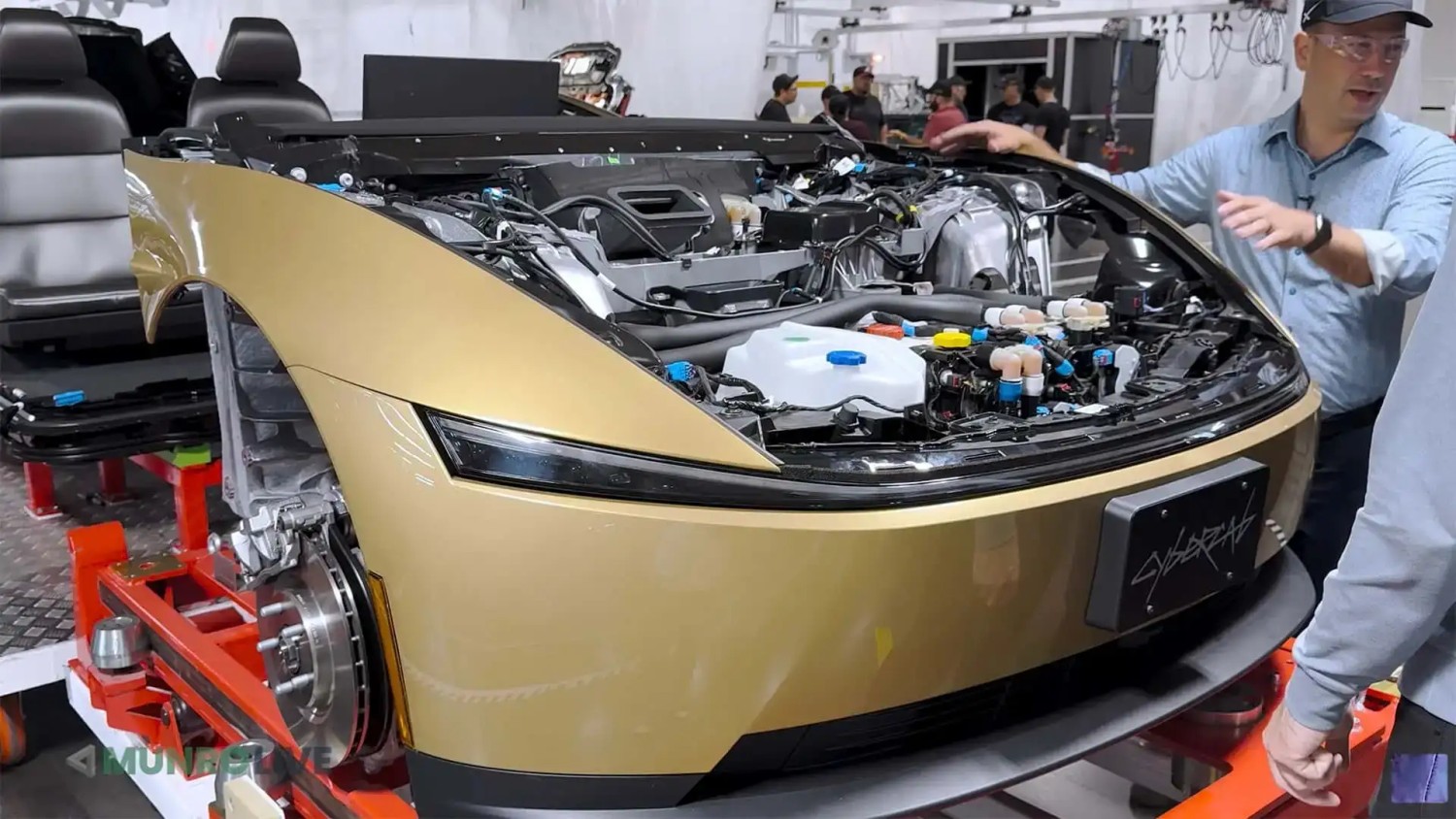
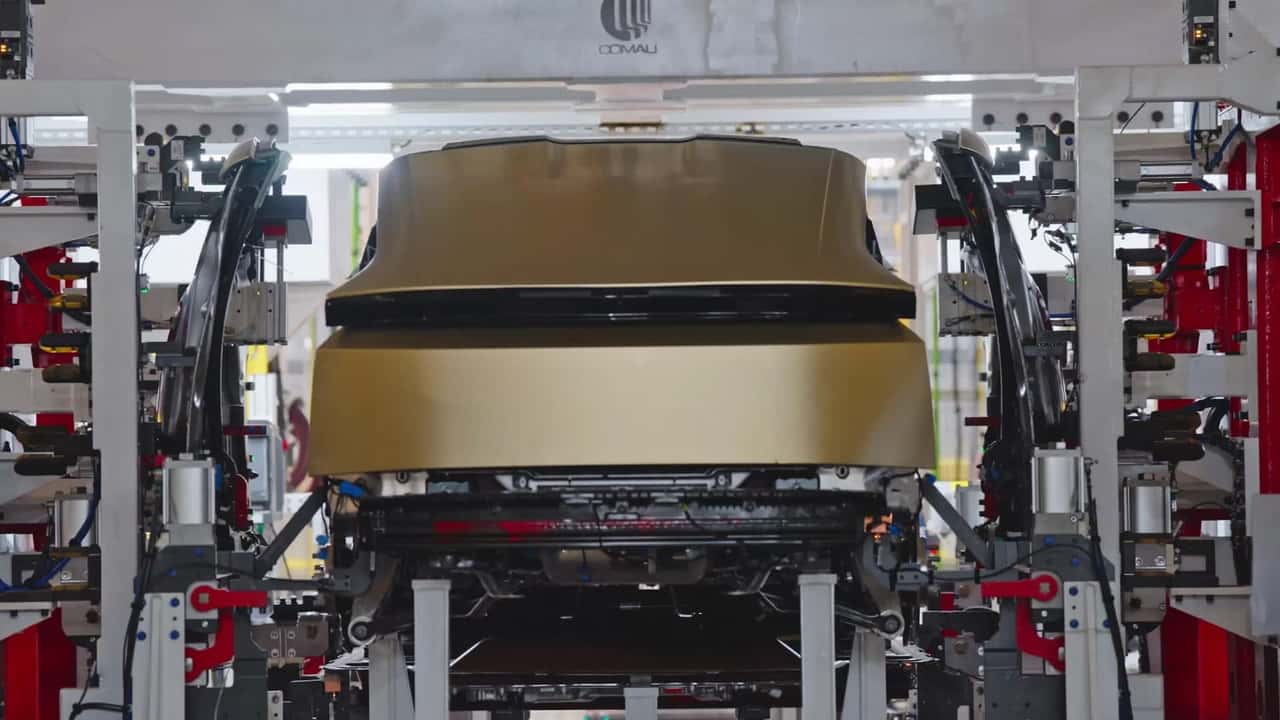
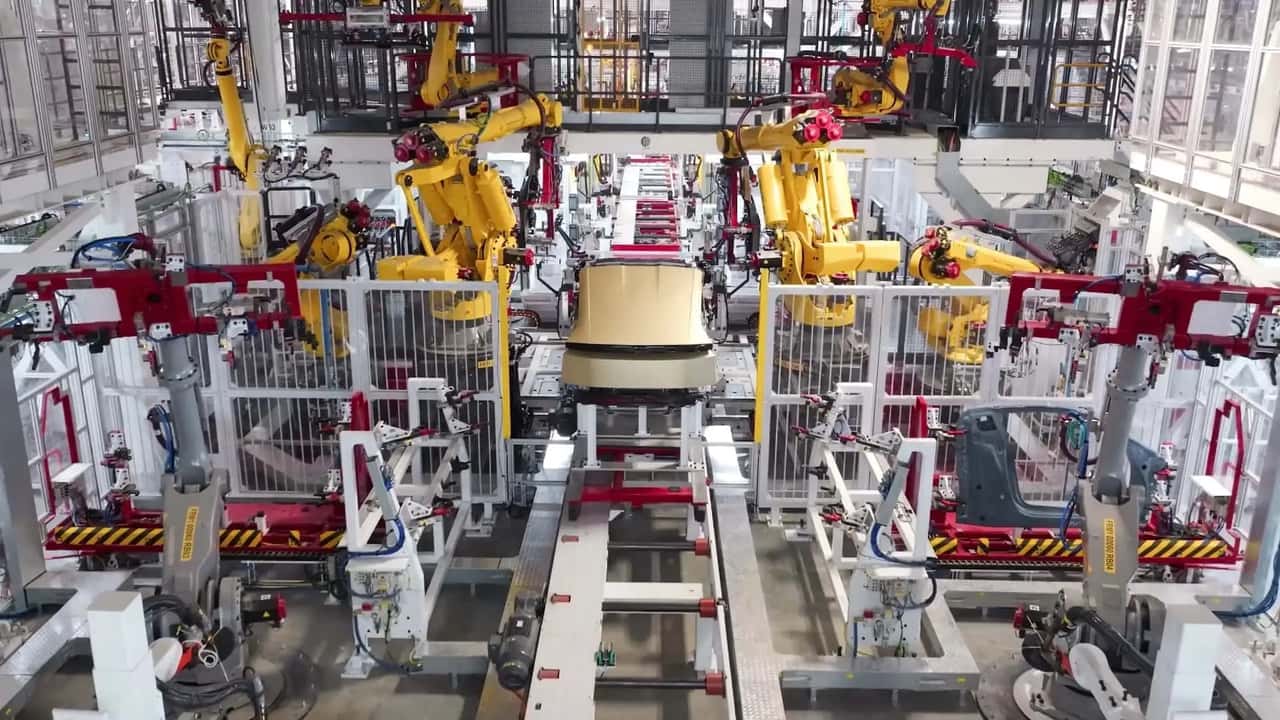
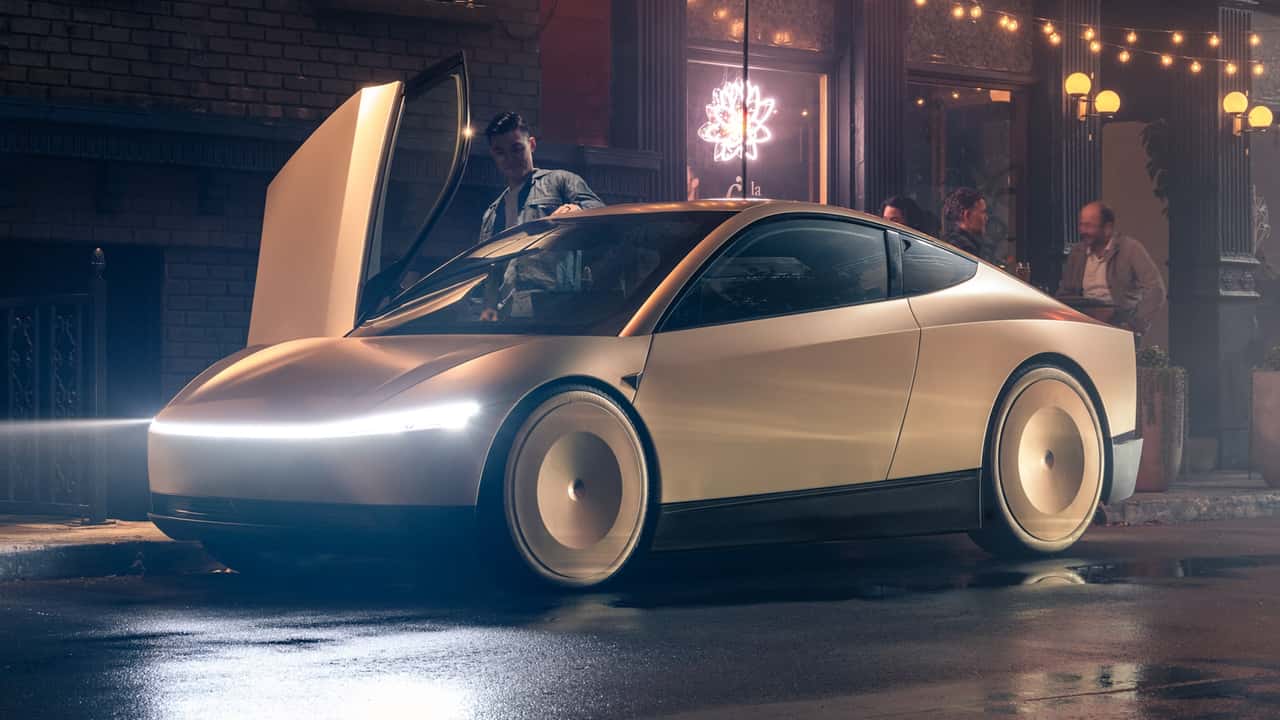
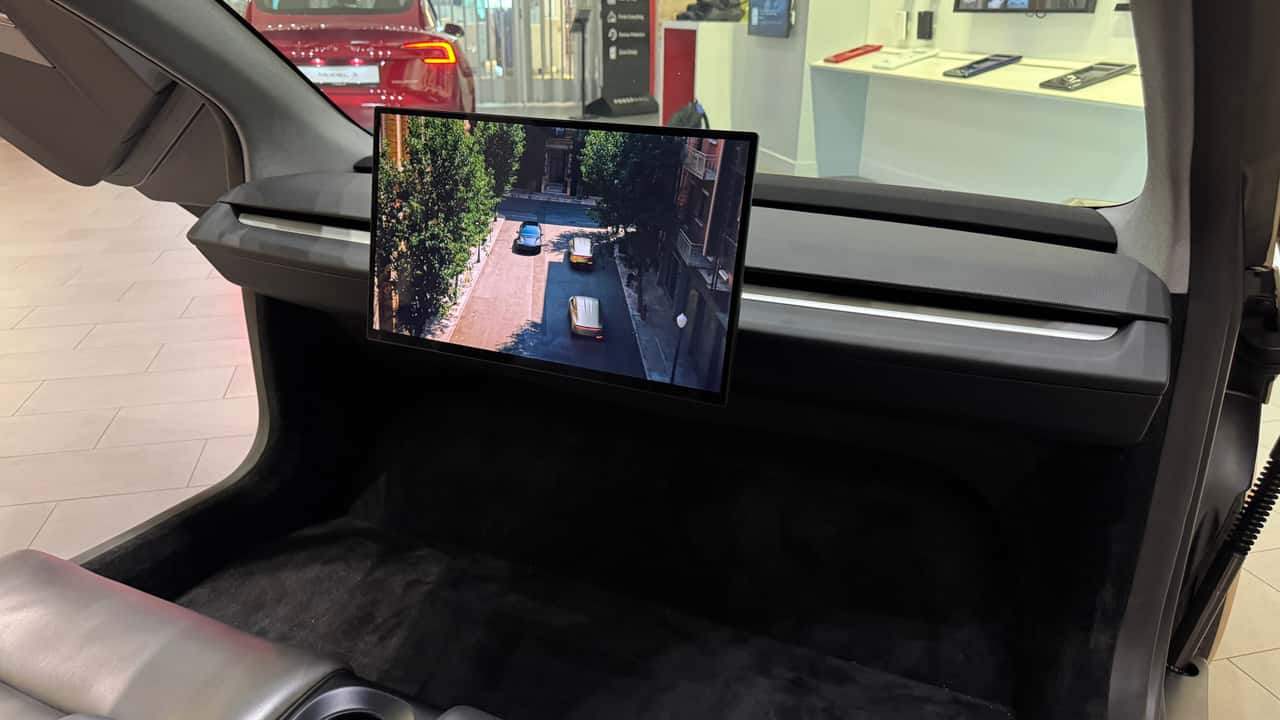
Tesla is putting real money behind the Cybercab now, and Germany is where it is arriving. On November 16, the company said it will invest 3 billion euros (about $3.3 billion) to expand Gigafactory Berlin-Brandenburg in Grünheide. The plan adds a new production building aimed squarely at the driverless Cybercab, Tesla's two-seat robotaxi with no steering wheel or pedals. Construction and hiring are already moving, with a permit application due before the year is out. Production In Grünheide: Up To One Million Vehicles Tesla Cybercab Production at Gigafactory Texas in Austin The new building at Grünheide is roughly twice the size of the existing main hall, according to Tesla, and it is designed to eventually build up to 1 million Cybercabs a year. That capacity figure is Tesla's own long-term target. Model Y assembly keeps running alongside it. The site is ramping toward 7,500 Model Y units a week, about 375,000 a year, and currently employs roughly 12,600 people after adding about 2,000 workers recently. Tesla is also recruiting several hundred additional workers for construction and production planning at the plant. None of this affects the Cybercab's existing Austin rollout, which remains the only place the vehicle currently operates. The expansion ties into a bigger battery push too. Plant manager André Thierig said on November 11 that full 4680-format battery cell production at Grünheide is on track for mid-2027, a separate near-billion-euro investment expected to add more than 1,500 jobs. Gigafactory Berlin Expansion Tesla Cybercab Production at Gigafactory Texas in Austin Tesla plans to file its building permit application before the end of 2026. That filing draws on a broader 2023 expansion application already covering 1 million vehicles a year in total output. Construction is scheduled to begin in the first half of 2027. Cybercab production at the site is then targeted for 2029, a three-year runway between the permit and the first car rolling off the line. What do you think? None of this changes where the Cybercab can legally carry passengers today. Driverless operation remains limited to a handful of US markets, and Germany's announcement does not itself grant any European regulatory approval for unsupervised rides. The timing arrives awkwardly for Germany's broader auto sector, which is cutting jobs and costs as demand weakens. Brandenburg officials have welcomed Tesla's investment as a boost that strengthens the region's manufacturing base, even as rivals pull back elsewhere in the country. Tesla Cybercab Robotaxi Tesla Cybercab