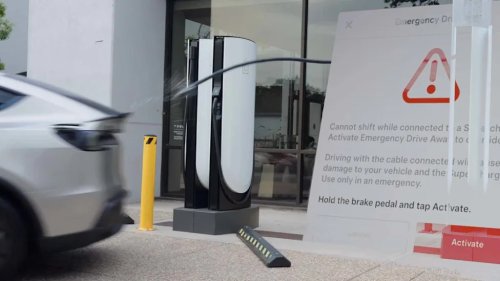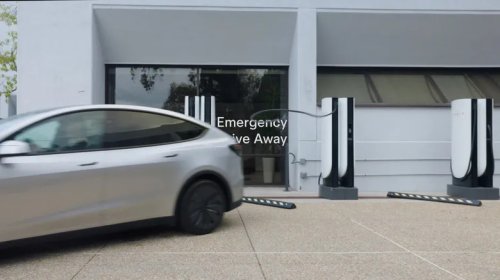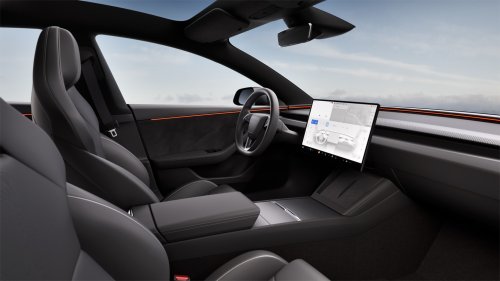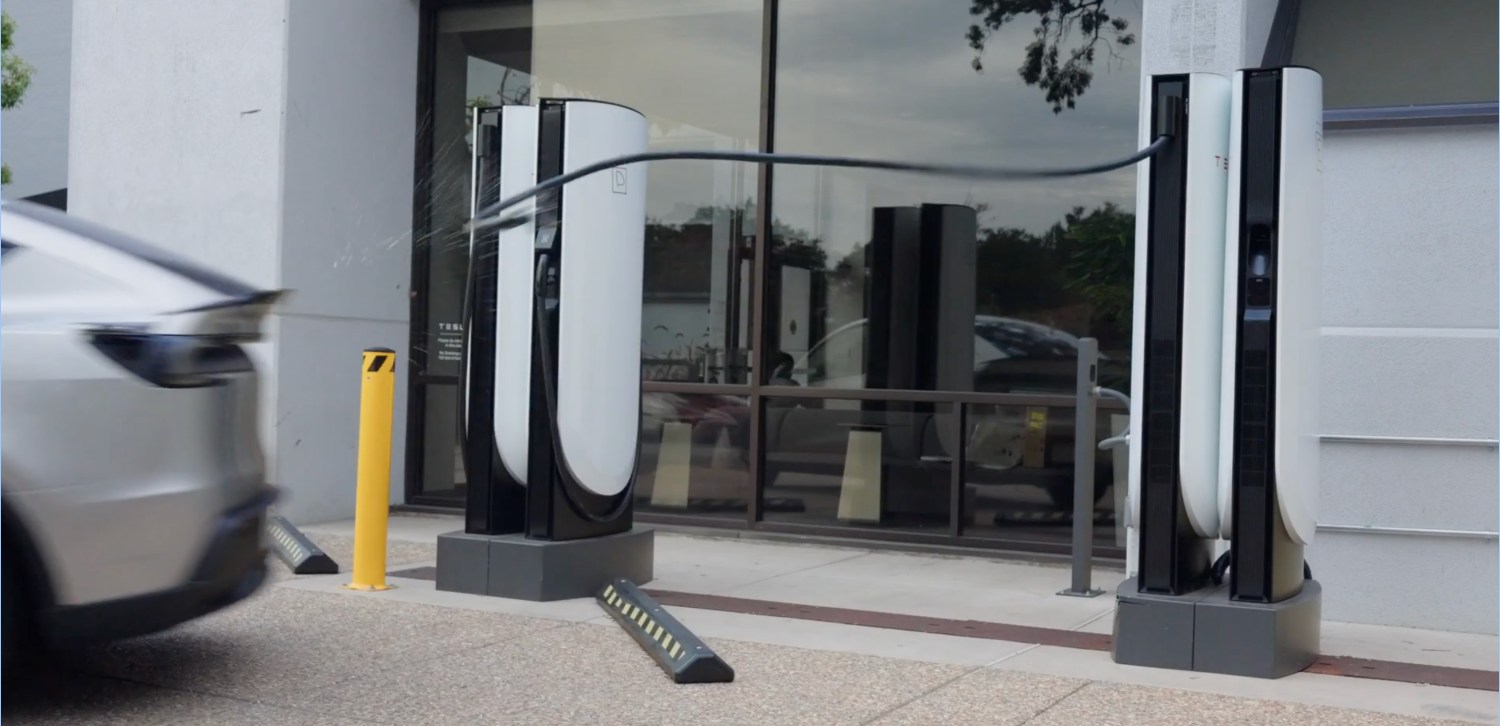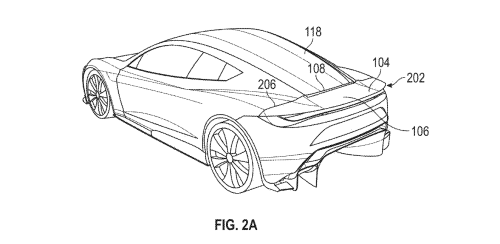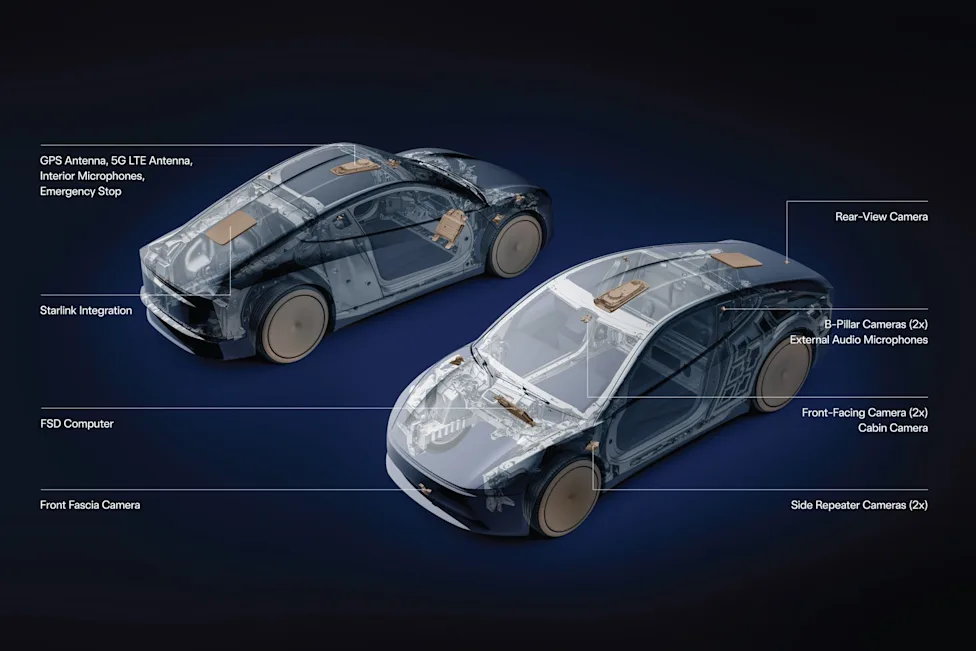



















Image: Tesla/StarlinkSomewhere in Austin, a robotaxi is cruising through downtown while pinging the same satellites beaming Netflix to your neighbor's living room. Tesla's mid-July 2026 showroom tease revealed a Starlink V5 antenna embedded directly into the Cybercab's rear structure — tucked alongside 5G LTE and GPS hardware like it belongs there. The catch? SpaceX's own spec sheet says V5 is "not intended for in-motion use." It's a residential dish. For houses. That don't move. Yet here it sits, inside a vehicle whose entire purpose is movement. So: smart engineering, or Musk ecosystem optics?A Dish Built for Your Den, Now Riding in a RobotaxiStarlink V5's lower power draw makes it less crazy than it sounds — but SpaceX's own documentation still calls it a stay-at-home product.The V5 draws roughly 35–50 watts, about half what V4 required, with advertised downstream speeds around 375+ Mbps — slightly below V4's 400+ Mbps but meaningfully lighter and more power-efficient. That efficiency makes vehicle integration technically plausible rather than engineering fantasy.AdvertisementAdvertisementTesla describes the setup as "high-speed internet from space for the future of autonomous vehicles." The antenna is embedded in Cybercab's rear roof and trunk structure, co-located with GPS and 5G LTE — not a bolt-on rooftop dish. Ashok Elluswamy, Tesla's Head of AI, told Teslarati that connectivity serves "navigation, customer service and, in general, fleet management" — and is "still not required for safe operation of the vehicle."High-speed internet from space for the future of autonomous vehicles 🛰️🚗🤝 https://t.co/WfEOcmdT4M— Starlink (@Starlink) July 20, 2026The current unsupervised Cybercab fleet sits at roughly 39 vehicles, operating in geofenced zones across:AustinDallasHoustonMiamiAll cities with strong 5G coverage averaging around 175 Mbps. No firm launch date exists for Starlink-equipped production units.Future-Proofing or Just a Flex?Critics say Tesla is solving a connectivity problem its robotaxis don't actually have — but that word "yet" carries a lot of weight.AdvertisementAdvertisementTech commentators at Electrek argue the integration "solves a problem the car doesn't have" in its current city-limited deployment. Fair point. When your taxi never leaves downtown, 5G handles the job fine.But "yet" is doing serious heavy lifting here. Push Cybercab beyond geofenced city cores onto highways and suburban routes, and cellular coverage gets unreliable fast. Satellite backhaul stops being about passenger streaming and starts being about persistent telemetry, OTA updates, and remote troubleshooting across coverage-challenged territory.This is the connectivity equivalent of packing a portable hotspot because anyone burned by unreliable hotel Wi-Fi will recognize the logic: overbuilt for today, potentially essential tomorrow. Worth naming plainly: this is also a cross-company revenue play. SpaceX gets a high-visibility automotive showcase. Tesla gets a connectivity edge over Waymo and other robotaxi operators running purely on cellular. Both Musk entities benefit — like a Marvel crossover event, except with quarterly earnings calls instead of end-credits scenes.The Unanswered Question That Actually MattersNobody has explained whether V5 will work while Cybercabs are moving or only when they're parked.AdvertisementAdvertisementTesla hasn't clarified whether V5 operates with custom in-motion firmware or connects only at standstill. That distinction matters more than the satellite dish itself.If Tesla cracks reliable mobile operation from a fixed-use terminal, the line SpaceX drew between residential and mobile Starlink products effectively disappears. Your robotaxi becomes a rolling proof-of-concept for a connectivity category that doesn't officially exist yet. Until Tesla answers that question, you're looking at a very capable antenna whose full operating parameters remain unresolved — and a residential-grade dish hurtling down I-35 at highway speeds.From the coolest cars to the must-have gadgets, GadgetReview's daily newsletter keeps you in the know. Subscribe - it's fun, fast, and free.