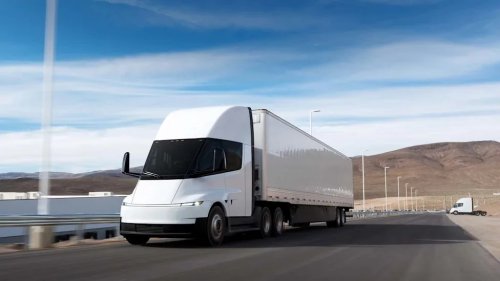
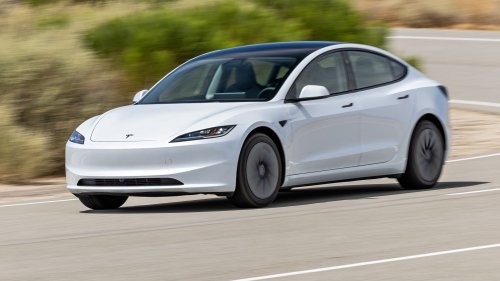
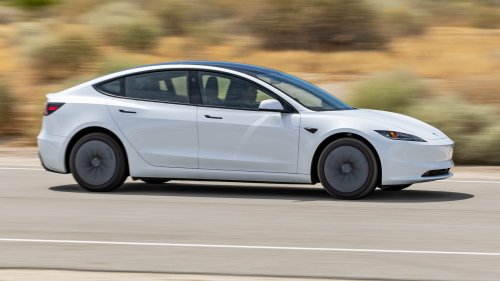
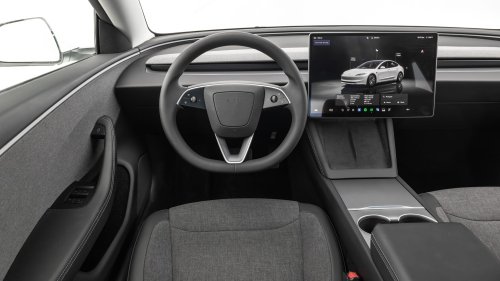
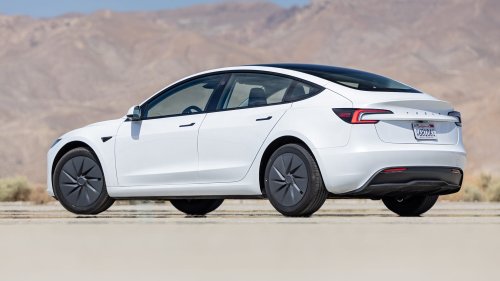
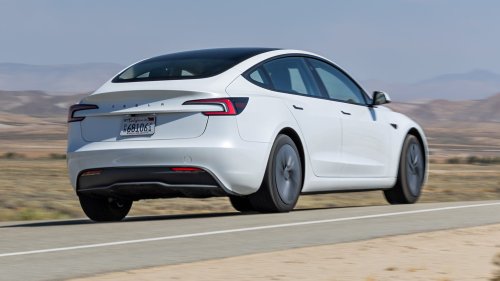
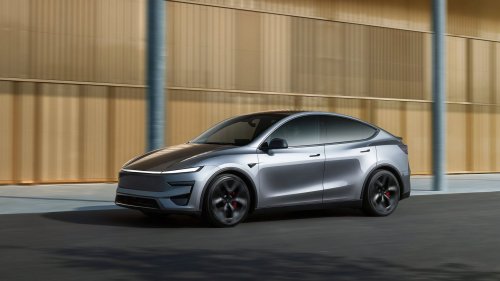
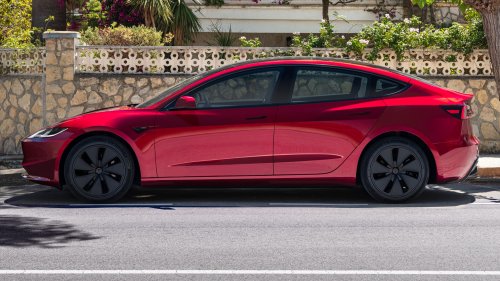
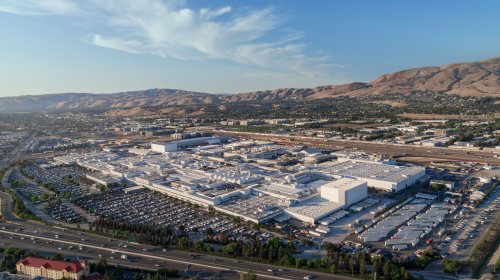
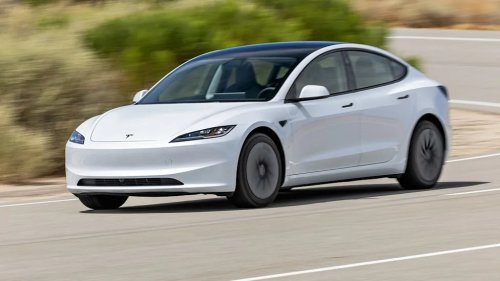
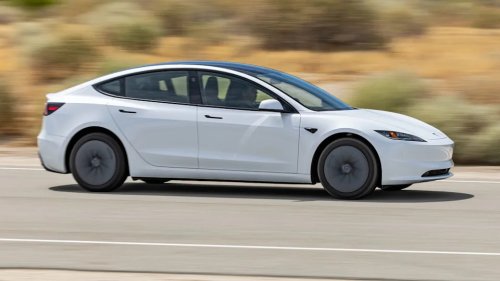
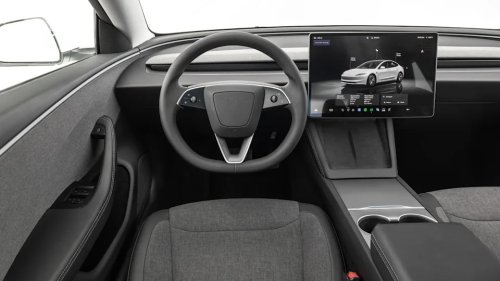
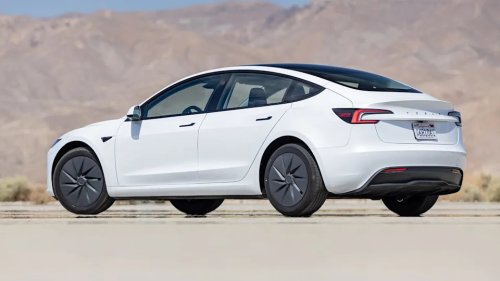
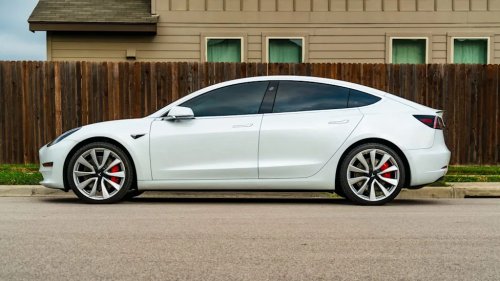
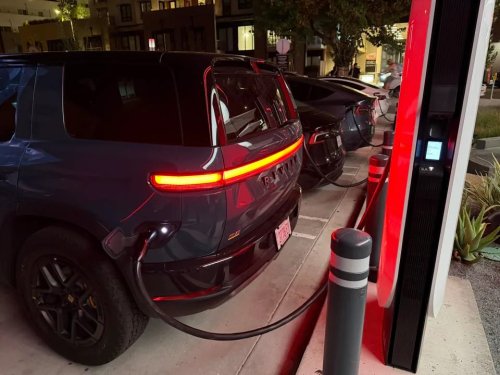
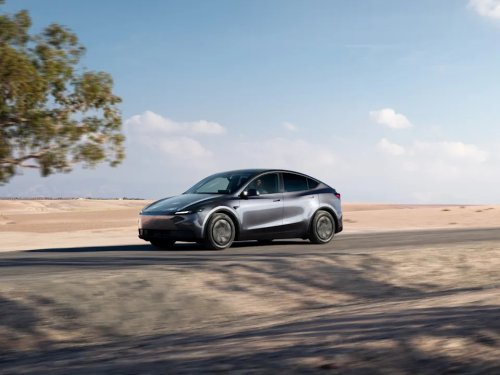
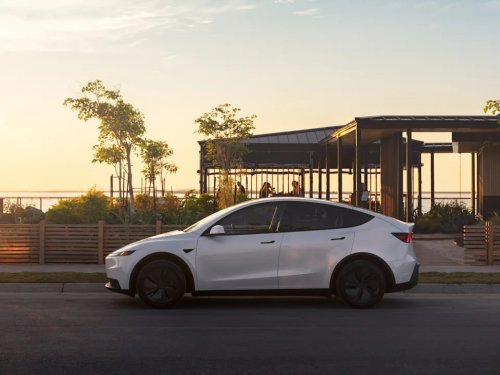
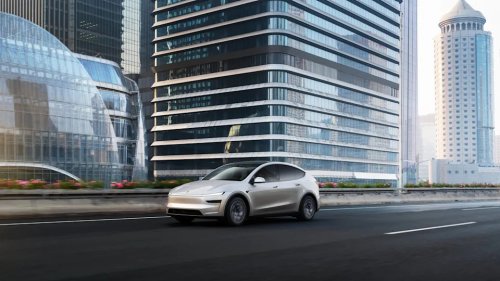
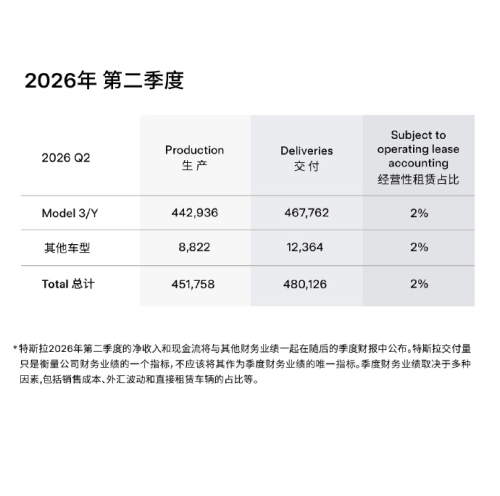
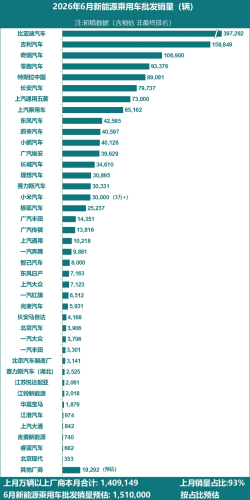
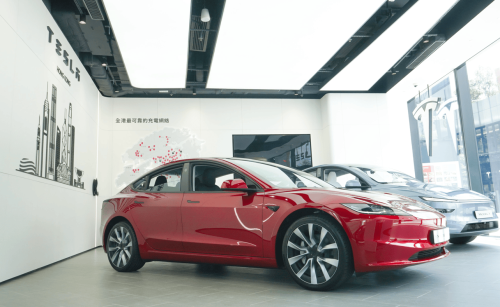
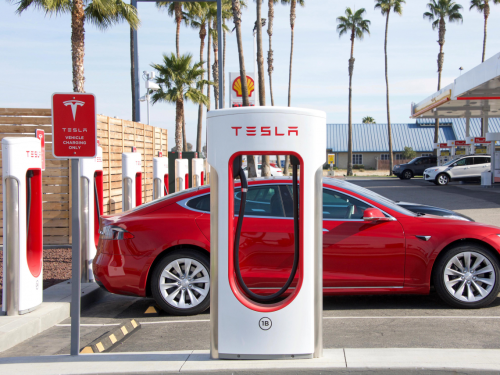
On July 2, Tesla released its global production and delivery results for the second quarter of 2026. The company delivered more than 480,000 electric vehicles worldwide during the quarter, up about 25% year-on-year and approximately 34% from the first quarter, exceeding market expectations of around 396,500 units. Combined with first-quarter deliveries of more than 358,000 vehicles, Tesla’s cumulative deliveries for the first half of 2026 surpassed 838,000 units. On the production side, Tesla manufactured more than 451,000 EVs globally in the second quarter, up about 10% year-on-year and roughly 25% quarter-on-quarter. Tesla’s delivery and production data in Q2 2026 Deliveries continued to outpace production, suggesting the company is further working through its order backlog. Its sales mix remained highly concentrated, with the Model 3 and Model Y accounting for 467,700 deliveries during the quarter, representing more than 97% of total deliveries and continuing to serve as Tesla’s core volume drivers. Meanwhile, Gigafactory Shanghai continued to play a central role in Tesla’s global manufacturing network. According to data from CPCA, Tesla’s Shanghai Gigafactory delivered 89,091 EVs in June, up 24.4% year-on-year and marking its highest monthly delivery volume of 2026. China NEV Passenger car wholesales data in June, compiled by CPCA During the first half of the year, the Shanghai plant delivered nearly 468,000 vehicles, up 28.4% year-on-year, accounting for more than half of Tesla’s global deliveries over the same period. In addition to supplying the domestic market, the Shanghai factory remains one of Tesla’s primary export hubs. Data showed the plant exported about 36,000 EVs in June, a 257% increase from a year earlier. Based on those figures, Tesla sold approximately 53,000 vehicles in China during the month, with export growth becoming a key driver of the factory’s capacity utilization. As overseas demand continues to recover, Gigafactory Shanghai is taking on a larger share of Tesla’s global supply. Vehicles produced at the plant, including the Model 3 and Model Y, continue to be exported to markets across Asia-Pacific and Europe. Tesla showroom in China Alongside the recovery in global demand, Tesla continued expanding its charging infrastructure. The company added around 2,700 Superchargers during the second quarter, bringing its global Supercharger network to more than 80,000 stalls, up 17% year-on-year. More than 13,000 Superchargers are now operational across mainland China. During the same period, Tesla’s global Supercharger network delivered 2.0 TWh of electricity in the quarter, up 30% year-on-year, while cumulative charging sessions exceeded 60 million. Real-time network uptime remained at 99.95%. Tesla’s Supercharger Beyond its automotive business, Tesla’s energy division continued to post strong growth. Energy storage deployments reached 13.5 GWh in the second quarter, up about 41% year-on-year and approximately 53% from the previous quarter. At the same time, Tesla is allocating more resources to its next-generation products. CEO Elon Musk previously said the company is ramping up production capacity for the Semi electric truck while advancing preparations for volume production of the Cybercab robotaxi and the Optimus humanoid robot. Tesla is scheduled to release its second-quarter financial results on July 23 (Beijing time), when it is expected to provide further updates on its progress across artificial intelligence, humanoid robots, EVs and energy storage.



















 +80 others